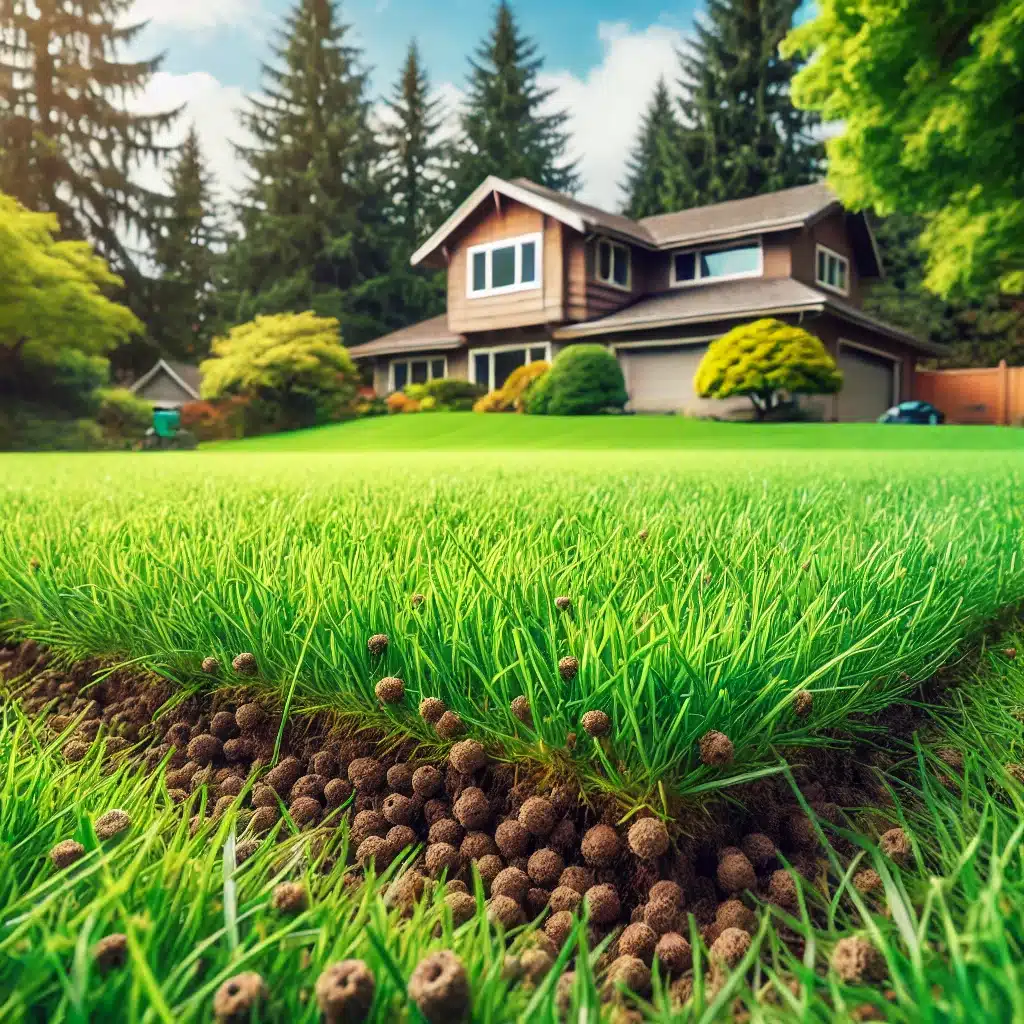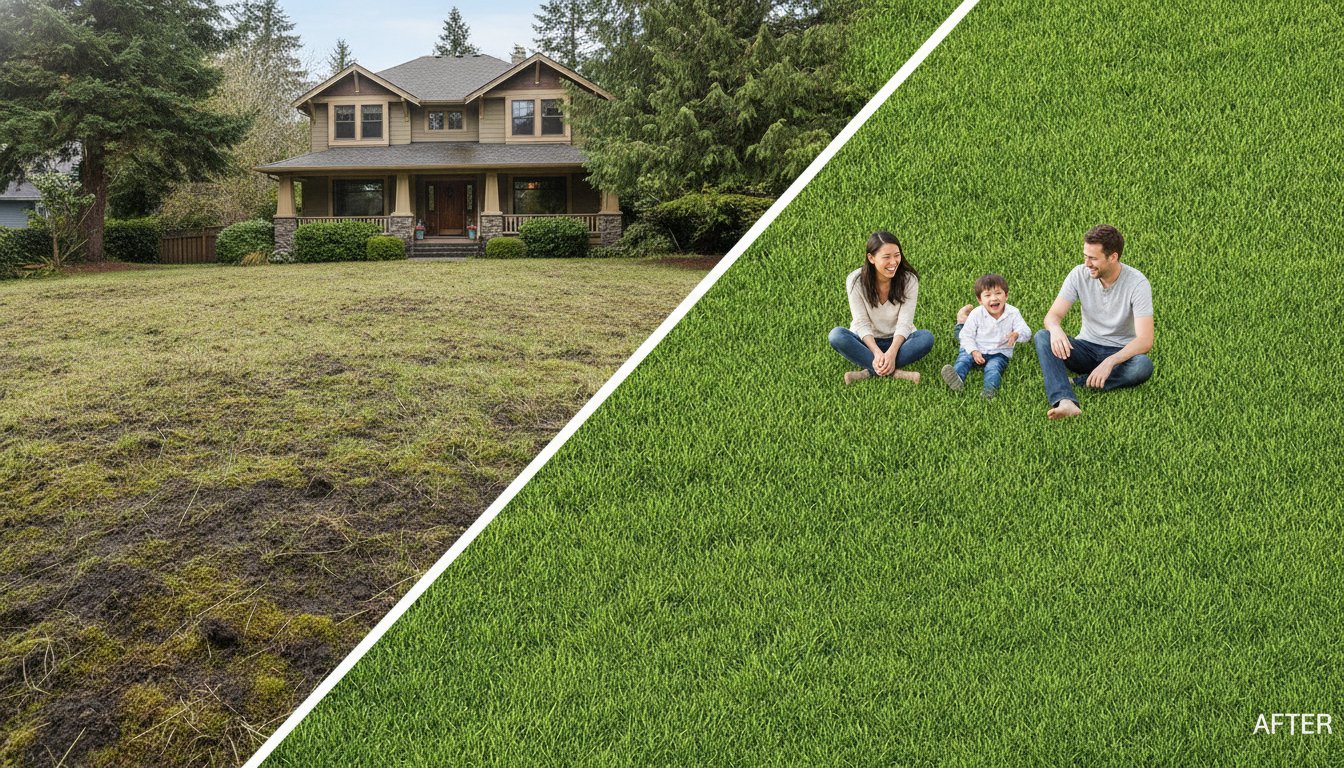
Most Seattle homeowners think they can fix a mossy yard with a bag of “weed and feed” from a big-box store, but that’s a losing battle against the Pacific Northwest climate. You’ve likely spent years fighting heavy clay soil and persistent moss that thrives in our rain and shade. It’s frustrating to watch your grass thin out every winter, leaving behind a soggy, compacted mess that doesn’t stand up to kids or pets. If you’re ready for a different approach, understanding the fundamentals of seattle lawn restoration is the first step toward a yard that actually stays green.
We know you want a thick, healthy lawn that’s safe for your family and durable enough for the PNW winters. This guide will show you how to transform your yard using professional mechanical restoration and organic soil treatments that work with nature instead of against it. We’ll walk through a clear plan for long-term soil health, covering the benefits of core aeration, power raking, and the signature “Lawn Tune Up” process that targets the root of your lawn’s problems.
Key Takeaways
- Identify why Seattle’s heavy rainfall and clay soil lead to persistent moss growth and how to fix the underlying compaction.
- Learn how mechanical tools like core aeration and power raking physically prepare your yard for new growth.
- Discover why lime application and organic fertilizing are the best defense against the Pacific Northwest’s naturally acidic soil.
- Follow a proven schedule for seattle lawn restoration that prioritizes the spring window between March and May for the best results.
- Understand why a multi-step “Lawn Tune Up” provides a more resilient, long-term solution than simple seasonal mowing.
Why Seattle Lawns Struggle: Compaction, Moss, and Acidity
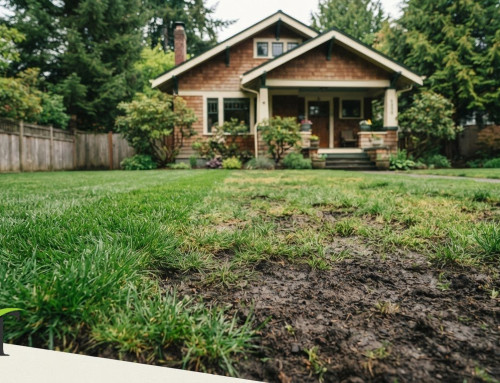
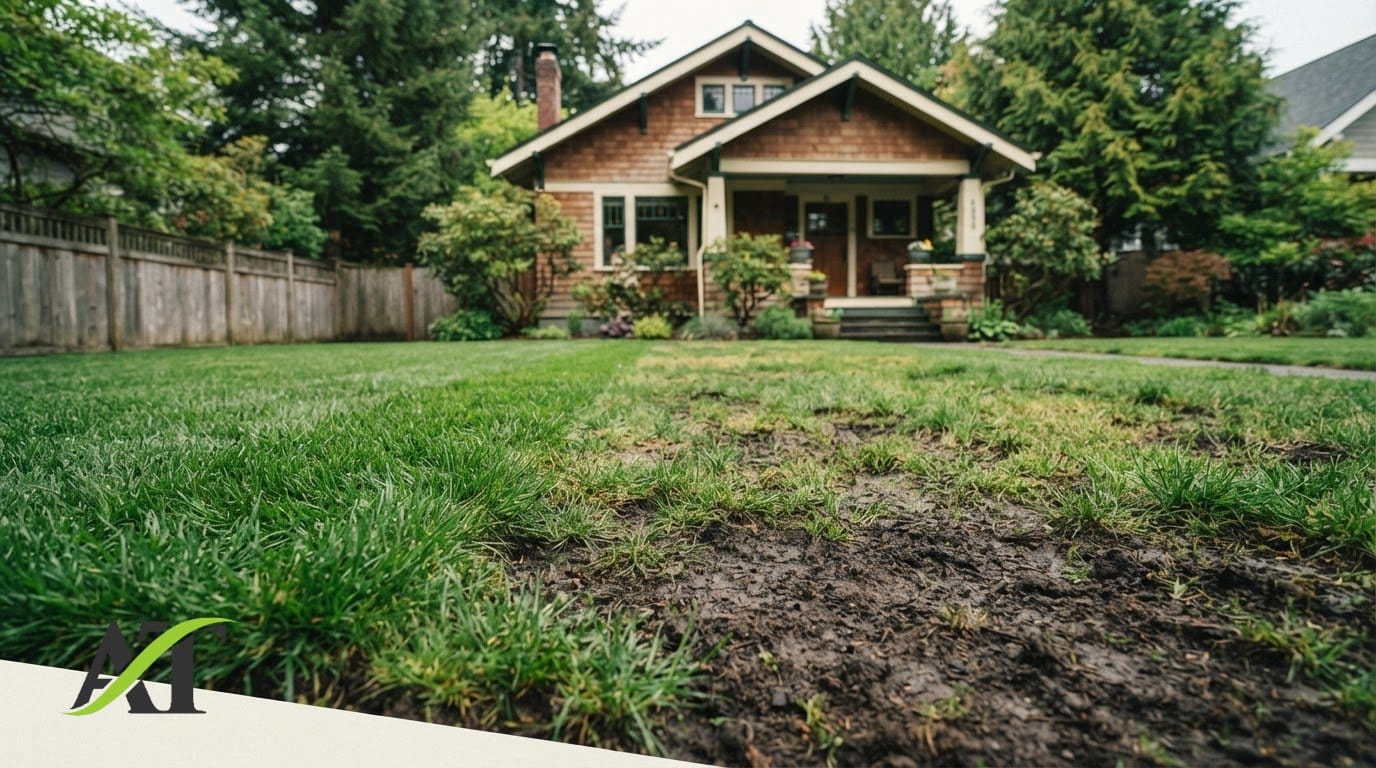
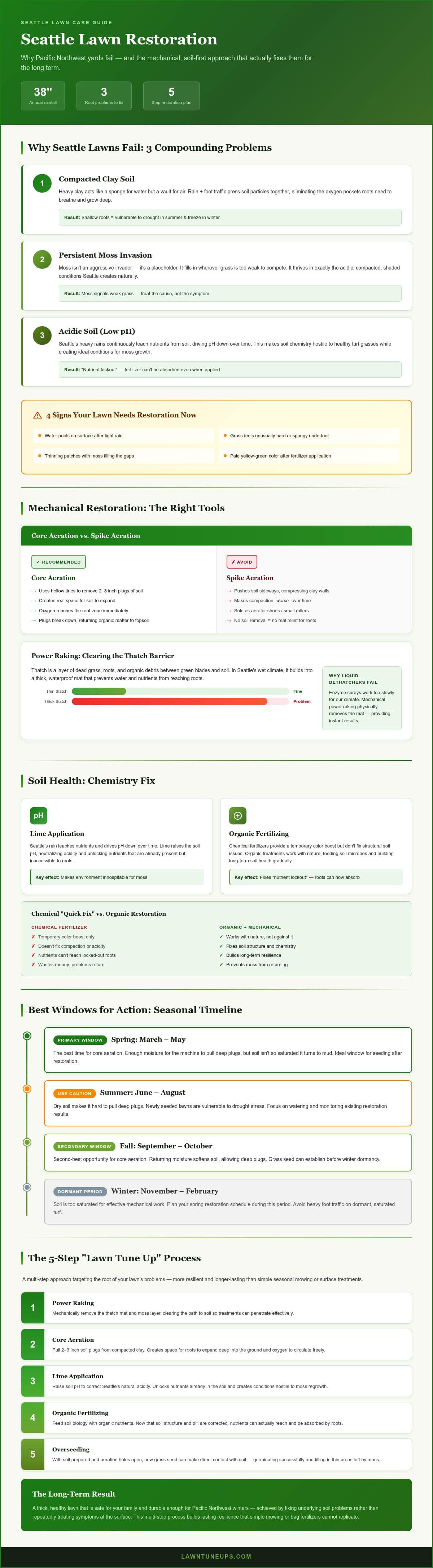
Seattle receives an average of 38 inches of annual rainfall. This constant moisture does more than just water your plants; it physically hammers the ground over months of gray skies. Most local yards sit on heavy clay soil that acts like a sponge for water but a vault for air. When you combine that weight with heavy rain and regular foot traffic, the soil particles press together until there is no room for oxygen. This is the core challenge of seattle lawn restoration. Without oxygen in the soil, even the most expensive grass seed cannot survive the winter.
The Reality of Compacted Clay Soil
Heavy clay is notorious for compaction. Every step you take on a wet lawn squeezes the life out of the turf. This process removes the tiny air pockets that roots need to breathe and expand. When soil is compacted, roots cannot grow deep into the earth. Instead, they stay near the surface, which makes your grass incredibly vulnerable to summer droughts and winter freezes. It is a structural problem that no amount of extra watering or surface fertilizer can fix. Core aeration is the only real way to break this cycle; it physically removes plugs of soil to let the ground breathe again and creates space for roots to dive deep.
The Moss Cycle in Puget Sound
Moss isn’t an aggressive invader trying to steal your yard. It is simply a placeholder that shows up when the grass is too weak to compete. Moss thrives in acidic soil conditions where the pH level has dropped too low for healthy turf. In the Pacific Northwest, our heavy rains naturally leach nutrients out of the soil, making it increasingly acidic over time. Lawn restoration is the process of correcting soil structure and chemistry. By addressing the acidity with lime and the structure with mechanical tools, you make the environment inhospitable for moss and ideal for grass.
Many homeowners reach for “quick-fix” chemical fertilizers to green up their yards in the spring. This is a mistake that costs money and yields poor results. Chemicals might provide a temporary color boost, but they won’t fix a structural soil issue. If your soil is compacted and acidic, the grass roots are essentially locked out from absorbing nutrients. You end up with nutrient lockout, where you are wasting money on products that never actually reach the plant. You can identify if your lawn is struggling by looking for these signs:
- Water pooling on the surface after a light rain or irrigation.
- Grass that feels hard or unusually spongy underfoot.
- Thinning patches where moss has started to fill in the gaps.
- A pale, yellow-green color even after you have applied standard fertilizer.
Real seattle lawn restoration requires a methodical, mechanical approach to reverse years of compaction. Once the soil structure is fixed, the grass can finally do its job.
Mechanical Restoration: The Power of Aeration and Power Raking
You can’t fix a structural problem with a chemical solution. If your soil is as hard as a brick and covered in a thick layer of moss, pouring fertilizer on top is a waste of money. Real seattle lawn restoration requires mechanical intervention. We use specialized equipment to physically change the soil structure and clear out the debris that prevents your grass from breathing. This heavy lifting is what separates a professional restoration from a simple weekend chore.
Core Aeration vs. Spike Aeration
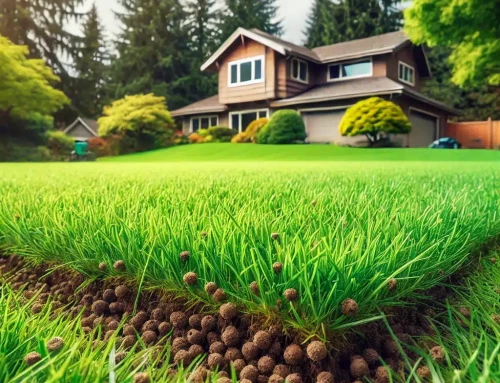
Many homeowners make the mistake of using spike aerators, which are often sold as shoes or small tow-behind rollers. These tools actually make compaction worse. By pushing a spike into the ground, you are simply compressing the clay soil further into the walls of the hole. Core aeration is the only method that works for our local soil. It uses hollow tines to pull two-to-three inch plugs of soil out of the ground. This leaves actual space for the surrounding soil to expand, immediately reducing pressure and allowing oxygen to reach the root zone. These plugs eventually break down on the surface, returning valuable organic matter and beneficial microbes to the top layer of your turf.
The timing for this process is critical. In Seattle, the best windows for core aeration are from early March through May, or during the early fall in September and October. These periods offer enough moisture for the machine to pull deep plugs without the soil being so saturated that it turns into a muddy mess.
The Benefits of Professional Power Raking
Thatch is a layer of dead grass, roots, and organic debris that builds up between the green blades and the soil surface. A little thatch is fine, but in our wet climate, it often grows into a thick, waterproof mat that chokes the lawn. This “choke-hold” prevents water and nutrients from reaching the roots. While some companies push “liquid dethatchers,” these enzymes usually work too slowly to handle the heavy thatch layers found in the Pacific Northwest. Physical removal is much more effective.
A professional power rake uses a series of spinning tines to lift this debris out of the lawn. It is a delicate balance. Aggressive dethatching can rip out healthy grass, but a properly set power rake clears the path for new growth. If you aren’t sure which your yard needs, our Lawn Tune Up includes a professional assessment to ensure we use the right mechanical approach for your specific grass type.
By combining core aeration with power raking, we create the perfect “seed bed.” These processes expose the soil and create thousands of small pockets where new grass seed can settle. This soil-to-seed contact is the secret to successful overseeding. Without it, most of your new seed will simply sit on top of the thatch and dry out before it ever has a chance to sprout.
Soil Health: The Role of Organic Fertilizing and Lime
Mechanical restoration opens the door, but soil chemistry determines if that door stays open. You can pull the best cores in the world, but if your soil’s pH is off, your grass will still starve. This is where many DIY attempts at seattle lawn restoration fail. They skip the chemistry and go straight to the seed. To get professional results, you have to address the invisible issues: acidity and nutrient lockout. Once the soil is balanced, the grass can finally utilize the fuel you provide.
Balancing pH with Lime Treatments
Seattle soil is naturally acidic. Our heavy rainfall washes away essential minerals like calcium and magnesium, leaving behind soil that’s often too “sour” for traditional turf. When your soil pH drops below 6.0, a phenomenon called nutrient lockout occurs. You might have plenty of nitrogen in the ground, but the grass roots literally cannot absorb it. Lime Application is the pragmatic solution. It neutralizes that acidity and brings the pH back into the 6.5 to 7.0 range where grass thrives and moss struggles to survive.
Don’t expect a one-and-done miracle. Because our rain is constant, maintaining proper pH is an ongoing process for any successful seattle lawn restoration. For heavily acidic yards, we often recommend multiple applications over a season to move the needle. The best time for lime is right after core aeration. This allows the granules to fall directly into the holes and reach the root zone quickly, rather than sitting on the surface where they take months to break down.
Organic Turf Feeding vs. Synthetic Chemicals
We choose Organic Fertilizing because it’s the right tool for the long haul. Synthetic fertilizers are like a sugar crash for your lawn. They provide a fast burst of growth that weakens the plant’s natural defenses and does nothing for the soil’s long-term health. Organic nutrients release slowly over several weeks. This steady feed builds “living soil” full of beneficial microbes that help your lawn fight off disease naturally.
There are practical reasons to stick to an organic approach in the Pacific Northwest:
- Waterway Protection: Slow-release nutrients stay in your soil instead of washing into the Puget Sound during the next heavy storm.
- Soil Structure: Organic matter helps heavy clay soil stay porous and helps sandy soil hold onto moisture during our dry summers.
- Safety: Organic treatments are the standard for pet-friendly homes. You don’t have to worry about kids or dogs playing on the grass immediately after we finish.
By focusing on soil health rather than just a temporary green color, you create a lawn that’s resilient enough to survive a dry August and a soggy January. It’s about building a foundation that makes your future maintenance easier and much more effective. This philosophy of preventative care applies to your entire home; for instance, Advanced Roofing emphasizes similar proactive steps for maintaining roof integrity against the region’s heavy rains.
The Restoration Timeline: When to Act in 2026
Timing is the difference between a successful seattle lawn restoration and a waste of seed. In the Pacific Northwest, we work with the weather, not against it. If you miss the right seasonal window, you are essentially throwing money into the wind. Restoration isn’t an overnight fix; it requires a methodical approach that follows the natural growing cycles of our local grasses.
The spring window runs from early March through May. This is the ideal time for core aeration and initial moss control. The ground is soft enough for mechanical equipment to pull deep plugs, but the weather is cool enough that you won’t scorch young grass. Fall is your second chance for a major overhaul. September and October are perfect for heavy restoration because the soil is still warm from summer, which speeds up germination before the winter dormancy sets in. Summer is strictly for maintenance; trying to plant new seed in 80-degree weather is a losing battle.
Step-by-Step Restoration Plan
A professional restoration follows a specific sequence to ensure no effort is wasted. We don’t just show up and throw seed down. We follow a proven path:
- Assessment: We check thatch and compaction levels in the early spring to see how much mechanical work is needed.
- Power Raking: We clear out the dead debris and moss that acts as a barrier to growth.
- Core Aeration: We open the soil profile to let the ground breathe.
- Overseeding: We apply high-quality PNW grass blends directly into the newly prepared soil.
Overseeding for Thickness and Density
Choosing the right seed is vital for Seattle’s “Sun and Shade” reality. We typically recommend a mix of turf-type perennial ryegrass for sunny areas and fine-leaved fescues for the shady spots under our heavy tree canopies. For perennial ryegrass, we aim for 5 to 7 pounds per 1000 square feet. For fescues, 3 pounds is the standard. This density is what prevents moss from returning in the winter. If you are looking for inspiration on how to complement your lawn with new greenery, you can discover Verdant Tree Farm for a variety of trees and shrubs.
Success depends on seed-to-soil contact. After mechanical restoration, your yard is full of holes and grooves that act as nurseries for new sprouts. In the summer of 2026, you will need to monitor moisture closely. Lawns in our area need about one inch of water weekly. During a drought, water deeply but only 2 to 3 times per week to encourage those new roots to dive deep into the clay. If you want a clear path to a better yard, our Lawn Tune Up covers every step of this timeline in one professional visit.
The Lawn Tune Up: A Comprehensive Seattle Solution
Many companies treat lawn care as a list of separate chores. They might offer aeration one week and a fertilizer spray the next. This disconnected approach rarely solves the underlying issues of our local soil. A successful seattle lawn restoration requires all these elements to work together at the same time. Our signature “Lawn Tune Up” is a methodical, multi-step process designed specifically for the heavy clay and moss problems we face in the Puget Sound. By hitting every major soil and turf issue in a single visit, we ensure that each treatment supports the next.
Professional equipment makes a visible difference in the final result. Rental machines are often worn down or lack the weight needed to penetrate Seattle’s compacted clay. We use specialized mechanical equipment that pulls deeper plugs and removes more thatch than standard consumer tools. Because we’ve been focused on this work since 2004, we know exactly how to calibrate our machines for different grass types and soil conditions. This level of specialization is why we choose to stay in our lane. Aerating Thatching Co. avoids weekly mowing and edging to dedicate all our expertise and specialized mechanical equipment to high-impact restoration work.
What’s Included in a Professional Restoration
The “Lawn Tune Up” is our most requested package because it covers the essentials of seattle lawn restoration in one efficient window. We don’t believe in half-measures. The process combines several of our core services into a single, high-impact visit:
- Power Raking: We strip away the moss and thatch that chokes your grass.
- Core Aeration: We pull deep soil plugs to reverse compaction and let the roots breathe.
- Overseeding: We apply premium PNW seed blends into the newly opened soil.
- Organic Fertilizing: We provide a slow-release nutrient base that builds long-term soil health.
- Lime Application: We finish by balancing the soil pH to prevent future moss growth.
Getting Started with Aerating Thatching Co.
Requesting an estimate for your 2026 restoration is straightforward. We provide local Seattle estimates based on your specific yard size and current soil condition. Once your service is scheduled, we ask that you prepare the area by clearing any pet waste and marking hidden sprinkler heads. Mowing the grass a bit shorter than usual also helps our mechanical equipment reach the soil more effectively. We handle the heavy lifting so you can get back to enjoying a yard that actually looks and feels healthy. If you are ready to fix your yard for good, Book Your Seattle Lawn Tune Up Today.
Start Your Yard’s Transformation Today
Seattle lawns don’t need more chemicals; they need structural help. Reversing clay compaction with core aeration and clearing heavy thatch with power raking creates the necessary foundation for new growth. Balancing your soil pH with lime and feeding with organic nutrients ensures that your grass stays resilient through the wet winters and dry summers. This methodical, mechanical approach is the only way to achieve lasting seattle lawn restoration in the Pacific Northwest.
Since 2004, Aerating Thatching Co. has used specialized mechanical restoration equipment to help local homeowners fix their turf for good. We stick to an organic-first soil health philosophy because it’s the pragmatic choice for your family and our local environment. Stop fighting the moss alone and let a specialist do the heavy lifting that standard mowers can’t handle.
Request Your Professional Lawn Tune Up Estimate
Your yard has the potential to be thick, green, and durable. With a clear plan and the right tools, you can finally enjoy the healthy lawn you’ve been working toward.
Frequently Asked Questions
When is the best time for lawn restoration in Seattle?
The best time for seattle lawn restoration is from early March through May. These spring months provide the ideal balance of moisture and cool temperatures for new seed to establish before the summer heat. Fall is the second best window, specifically September and October, when the ground is still warm and the return of the rain helps new sprouts take hold.
How much does a professional lawn restoration cost in Seattle?
The cost of a professional restoration depends on the square footage of your yard and the current level of compaction or thatch buildup. A comprehensive package like our Lawn Tune Up is more cost-effective than booking individual treatments like aeration or power raking separately. We provide a clear estimate after assessing your specific property needs to ensure you only pay for the work your soil requires.
Can I fix my mossy lawn without using heavy chemicals?
You can fix a mossy lawn without heavy chemicals by addressing the structural issues of your soil. Moss thrives in acidic, compacted ground where grass cannot grow. By using mechanical tools to reduce compaction and applying lime to balance the pH, you create an environment where grass naturally outcompetes the moss. This approach solves the root cause rather than just treating the symptom.
What is the difference between power raking and dethatching?
Power raking is a precise mechanical process that uses spinning tines to lift dead debris and moss from the surface. Dethatching is often a more aggressive approach that can sometimes pull up healthy grass if the equipment isn’t set correctly. Our specialized equipment allows us to clear the “choke-hold” of thatch while protecting the crown of the existing grass, making it the safer choice for restoration.
Do I need to be home when the restoration service is performed?
You don’t need to be home while our crew performs the restoration service. As long as we have clear access to the yard and pets are kept inside, we can complete the work efficiently. We just ask that you mark any hidden sprinkler heads or underground utility lines before we arrive to prevent accidental damage to your systems.
How long after overseeding can I walk on my lawn?
You should minimize foot traffic on your lawn for at least two to three weeks after overseeding. New grass sprouts are extremely delicate and can be easily crushed before they establish a strong root system. If you have pets or children, it’s best to keep them off the treated areas until the new grass has reached about two inches in height and has been mowed at least once.
Is organic lawn fertilizer really as effective as synthetic?
Organic fertilizer is highly effective because it builds “living soil” rather than just providing a temporary chemical boost. While synthetic products offer a fast green-up, they often lead to a “sugar crash” that leaves the grass weaker over time. Organic nutrients release slowly, feeding the lawn steadily and improving the soil’s ability to hold water during our dry Pacific Northwest summers.
Does core aeration help with drainage issues in Seattle?
Core aeration is an essential part of seattle lawn restoration because it directly addresses drainage issues caused by heavy clay soil. By removing physical plugs, we create channels that allow standing water to move deeper into the earth. This prevents the soggy surface conditions that lead to root rot and moss growth during our typical months of heavy rainfall.
Article by
Stewart Armour
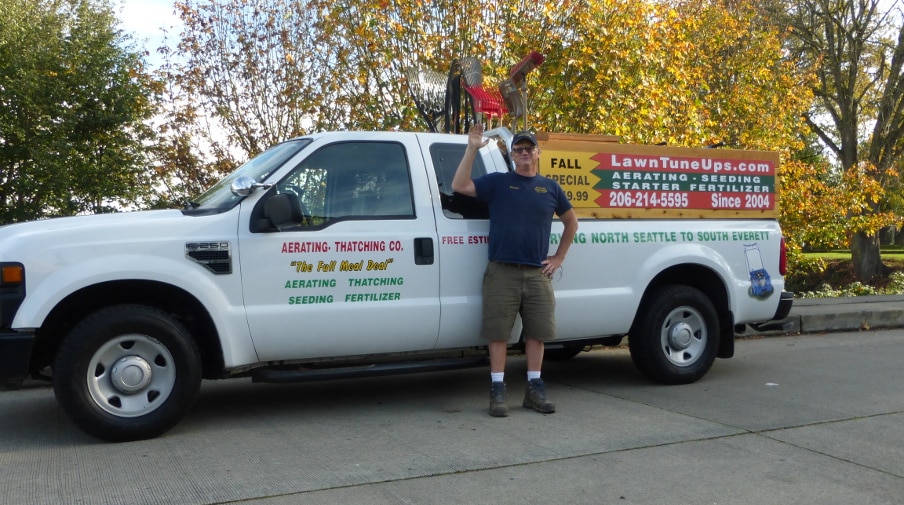
Stewart Armour is an independent lawn restoration expert, educator, and owner of Aerating Thatching Co., serving the greater Seattle area since 2004. With more than two decades of professional experience restoring Western Washington lawns, Stewart specializes in diagnosing lawn problems, improving soil health, and developing long-term lawn renovation strategies. His education includes turf management studies, advanced golf course turf training, and continuing education through Wilbur-Ellis University, State Turf Facilities, Soil First Academy, and Golf Course Applied Turf Physiology. Every article published on LawnTuneUps.com is grounded in practical field experience, current turf science, and a commitment to helping homeowners understand the why behind every recommendation—not just what to do.
Stewart has personally evaluated thousands of residential lawns throughout the Seattle area and remains committed to helping homeowners understand the science behind growing healthier, more resilient lawns.