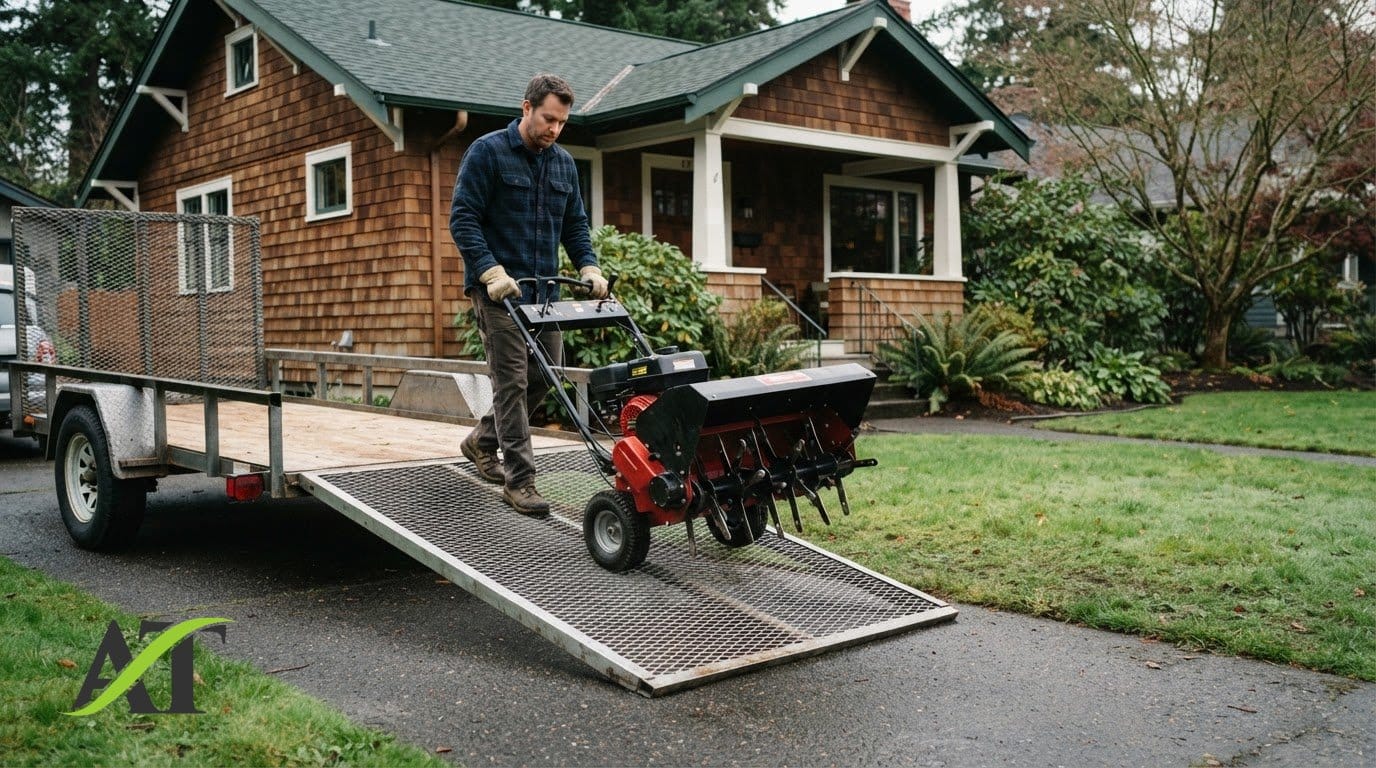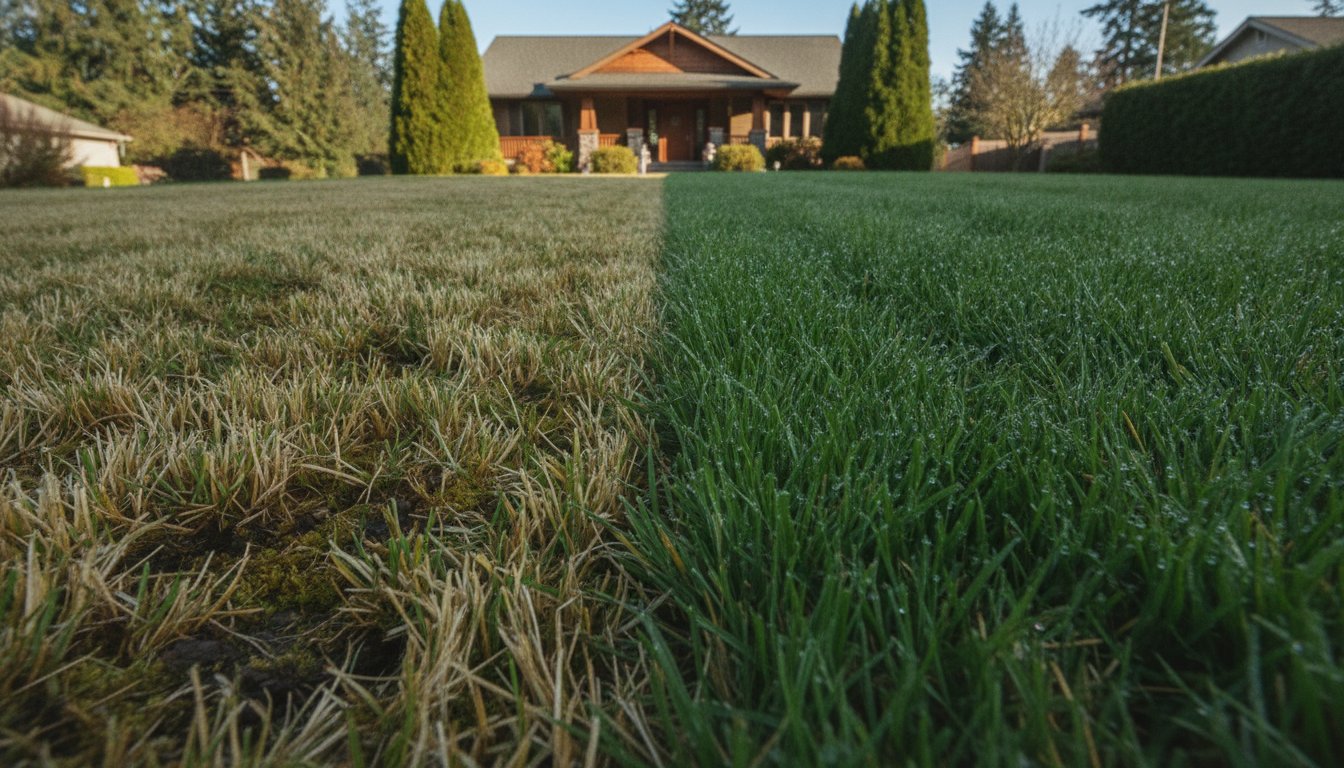
Your fertilizer may not be doing much for your grass. It’s a common sight in Edmonds: homeowners spend time and money on treatments, yet the moss keeps spreading while the turf stays thin and yellow. Soil that is too acidic is one possible reason. Lime raises overly acidic soil pH, and a lime application in Edmonds can be a useful part of the fix when the soil actually needs it.
Lime is not a moss killer, and it won’t fix compaction, drainage or shade. This guide explains what lime does, how to decide whether your lawn needs it, which type we use, and how it fits with a Lawn Tune-Up or Full Meal Deal. Sometimes the right answer is a soil test, a smaller service, or no lime at all.
Key Takeaways
- Lime raises overly acidic soil pH. It is not a direct moss killer and does not cure compaction or drainage problems.
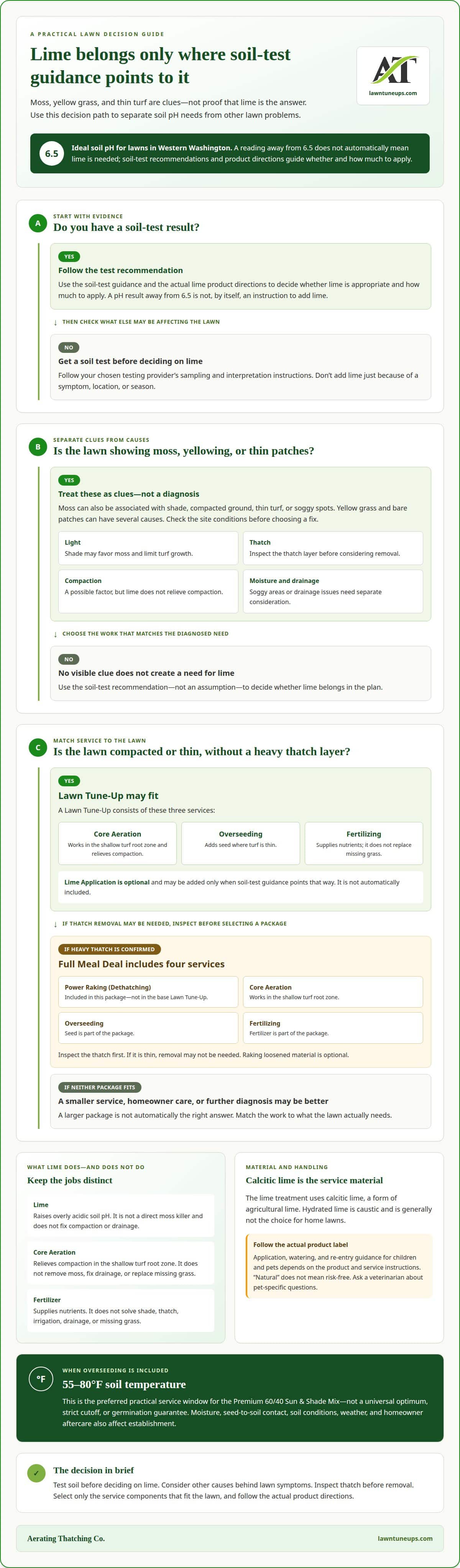
- 6.5 is the ideal soil pH for lawns in Western Washington. Use soil-test results and the product directions to decide whether lime is needed and how much to apply.
- We use calcitic lime as an optional add-on. It is not automatically included in a Lawn Tune-Up or Full Meal Deal.
- Moss, yellow grass and sponginess are clues, not a complete diagnosis. Shade, thatch, compaction, moisture and drainage all matter.
When Lime Application Makes Sense for an Edmonds Lawn
Lime application is a soil treatment that uses calcium carbonate to raise overly acidic pH. Western Washington’s heavy rainfall and evergreen cover can push soil toward the acidic side. When pH sits well below the ideal, grass can struggle to make use of the nutrients in the soil, and fertilizer may not give the results you expect.
That said, a lime application in Edmonds is not something to add just because of the city or the season. A pH reading away from 6.5 is not an automatic instruction to add lime. Soil-test recommendations and the actual product directions should decide whether lime is needed and how much to apply.
The Problem with Acidic Puget Sound Soil
The Soil pH scale measures how acidic or alkaline your ground is. For lawns in Western Washington, 6.5 is the ideal. When soil is far more acidic than that, lime is one tool that can bring it back toward the target. You can learn how to check your own soil in our guide on testing lawn soil pH. Follow your chosen testing provider’s sampling and interpretation instructions.
Signs Your Lawn Might Need a Closer Look
Moss is often the first thing people notice, but it is only a clue. Moss also thrives in shade, compacted ground, thin turf and soggy spots. Look for these signals:
- Spongy moss: Green carpets in shaded or damp areas where grass has thinned.
- Yellowing turf: Pale grass despite regular fertilizing. Yellow grass can come from many causes, so find the cause before choosing a fix.
- Bare or thin patches: These can come from shade, thatch, compaction, irrigation problems or low pH.
Fertilizer supplies nutrients. It does not replace missing grass or solve shade, thatch, irrigation or drainage problems. If you’re seeing moss, our guide on fixing the cause of moss, not just the moss walks through the possible causes. If the lawn is simply thin, see how to thicken a thin lawn in Edmonds. If you’re weighing fertilizer types alongside lime, read our comparison of organic vs. synthetic fertilizer, and for the bigger picture on natural soil care, see organic lawn treatment and natural soil health.
Choosing the Right Lime: Agricultural vs. Hydrated Lime
Not all lime is the same. Our lime treatment uses calcitic lime, a form of agricultural lime. University extension guides, such as this Penn State Extension guide on liming turfgrass, describe ground agricultural limestone as the standard material for lawns and treat hydrated lime as a caustic form that calls for much more care.
Why We Don’t Use Hydrated Lime
Hydrated lime is caustic and is generally not the choice for home lawns. It reacts quickly and needs careful handling. Calcitic lime is the material we apply, so you don’t need to think about hydrated lime for this service.
What to Expect from Calcitic Lime
Calcitic lime works gradually, so a change in soil pH is not instant. Whatever the product, we follow its label and service-specific directions for application and watering. “Natural” does not mean risk-free, so the label guides re-entry for children and pets as well. If you have specific questions about your pets, a veterinarian is the right person to ask.
If you’d like to talk through whether lime fits your lawn, you can ask Stewart about your lawn.
Timing Lime Application with Other Lawn Work
Spring and fall are the common service windows in our area, and actual timing varies with weather, soil conditions and active growth. Lime can be added to a Lawn Tune-Up or Full Meal Deal visit when the soil calls for it. Our Seattle lawn care calendar gives broader seasonal context.
If You’re Also Overseeding
When Overseeding is part of the visit, 55–80°F soil temperature is our preferred practical service window for the Premium 60/40 Sun & Shade Mix. It is not a universal optimum, strict cutoff or germination guarantee. Moisture, seed-to-soil contact, soil conditions, weather and your aftercare all affect how well new grass establishes. You can read more about the Premium 60/40 grass seed mix.
Lime and Core Aeration
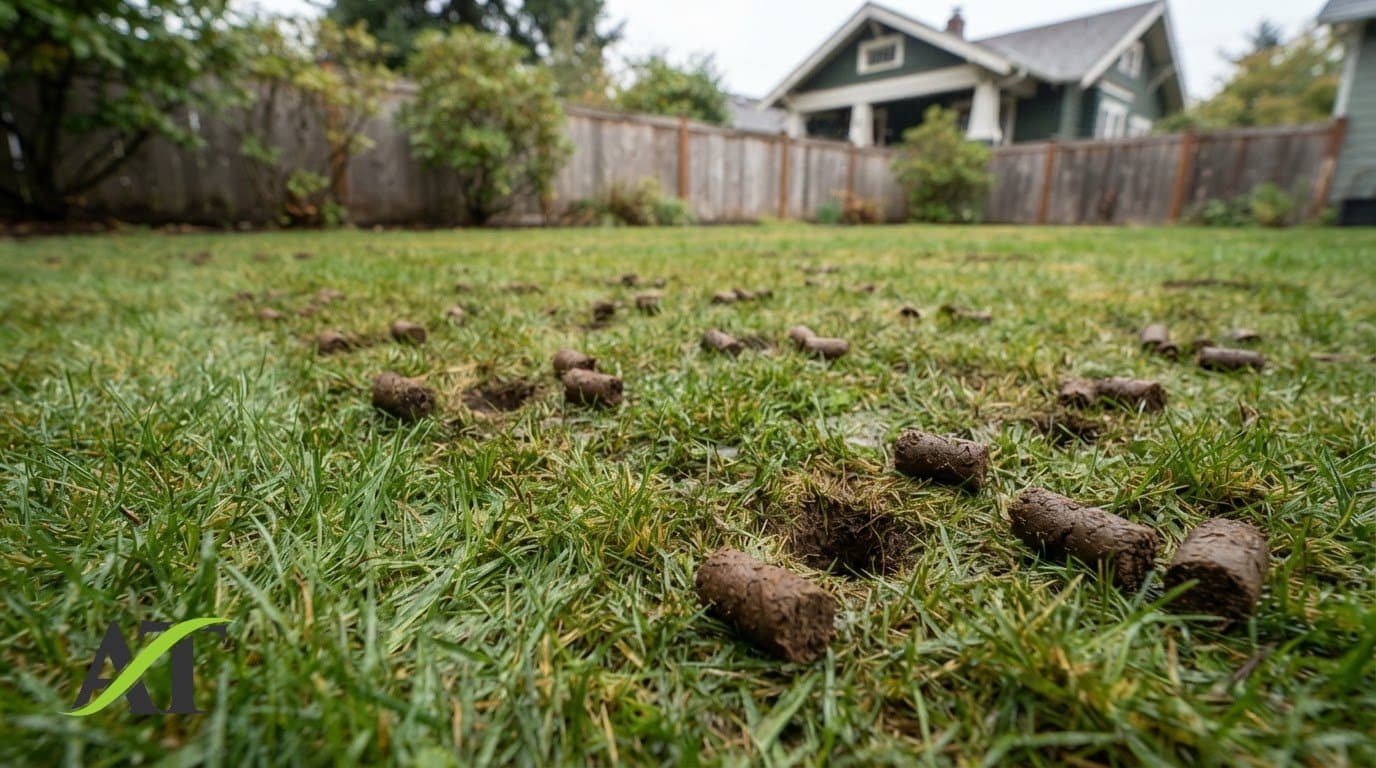
Core Aeration works in the shallow turf root zone and relieves compaction. It does not remove moss, fix drainage, or replace missing grass. When lime is added to the same visit, the openings in the turf give the lime a way into the surface soil. Lime does not fix compaction itself, so the two jobs are separate. To judge whether your lawn needs it, see how to tell if your Edmonds yard needs aeration. For more on what to look for when hiring the service, see the buyer’s guide to core aeration.
Before service, please mark sprinkler heads, oil tank caps, shallow utilities and pet fencing so they are protected.
Where Lime Fits in a Lawn Tune-Up or Full Meal Deal
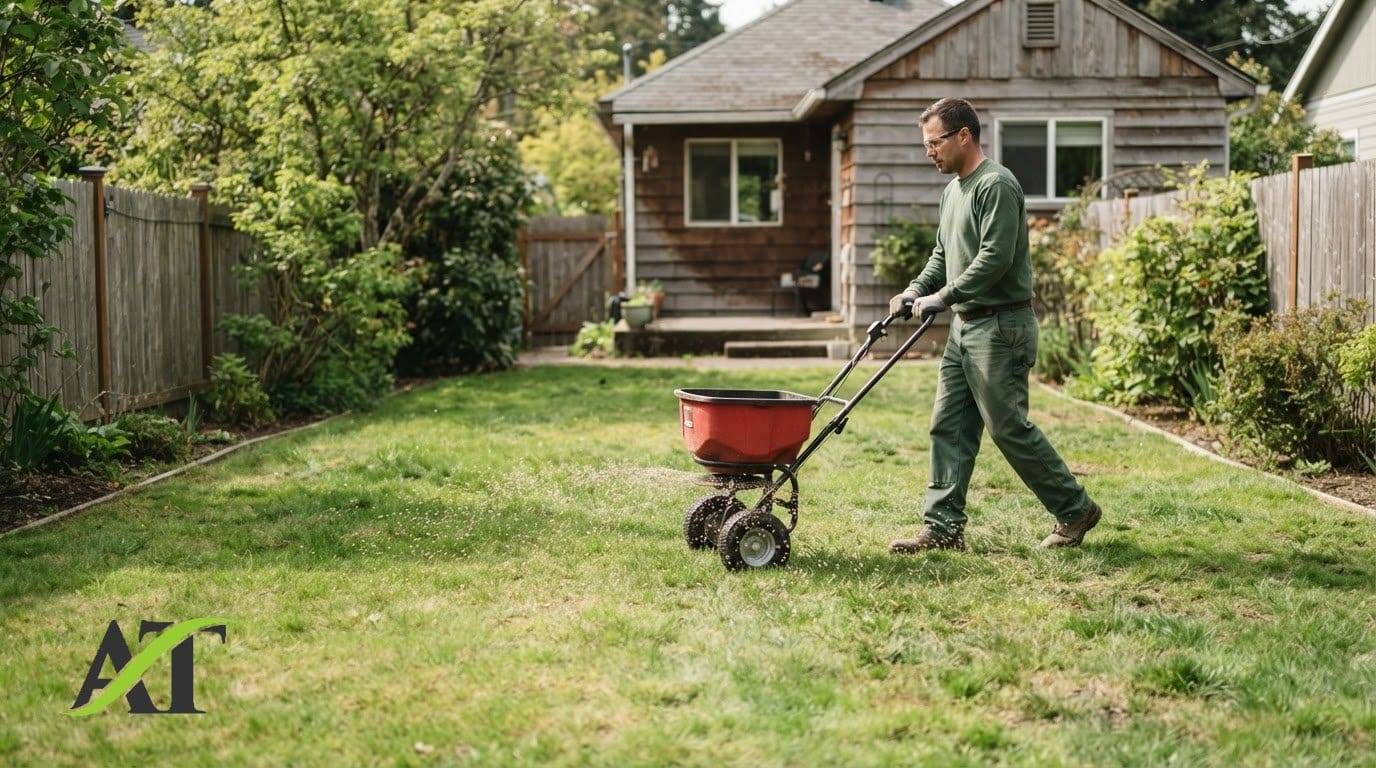
Lime Application is an optional extra. It is not automatically included in either package, and a larger package is not always the right answer. We match the service to what your lawn actually needs.
Lawn Tune-Up vs. The Full Meal Deal
A Lawn Tune-Up consists of Core Aeration, Overseeding and Fertilizing. It suits lawns that are compacted or thin but don’t have a heavy thatch layer. For more on how it builds thicker turf, see our guide to thicker turf with a Lawn Tune-Up.
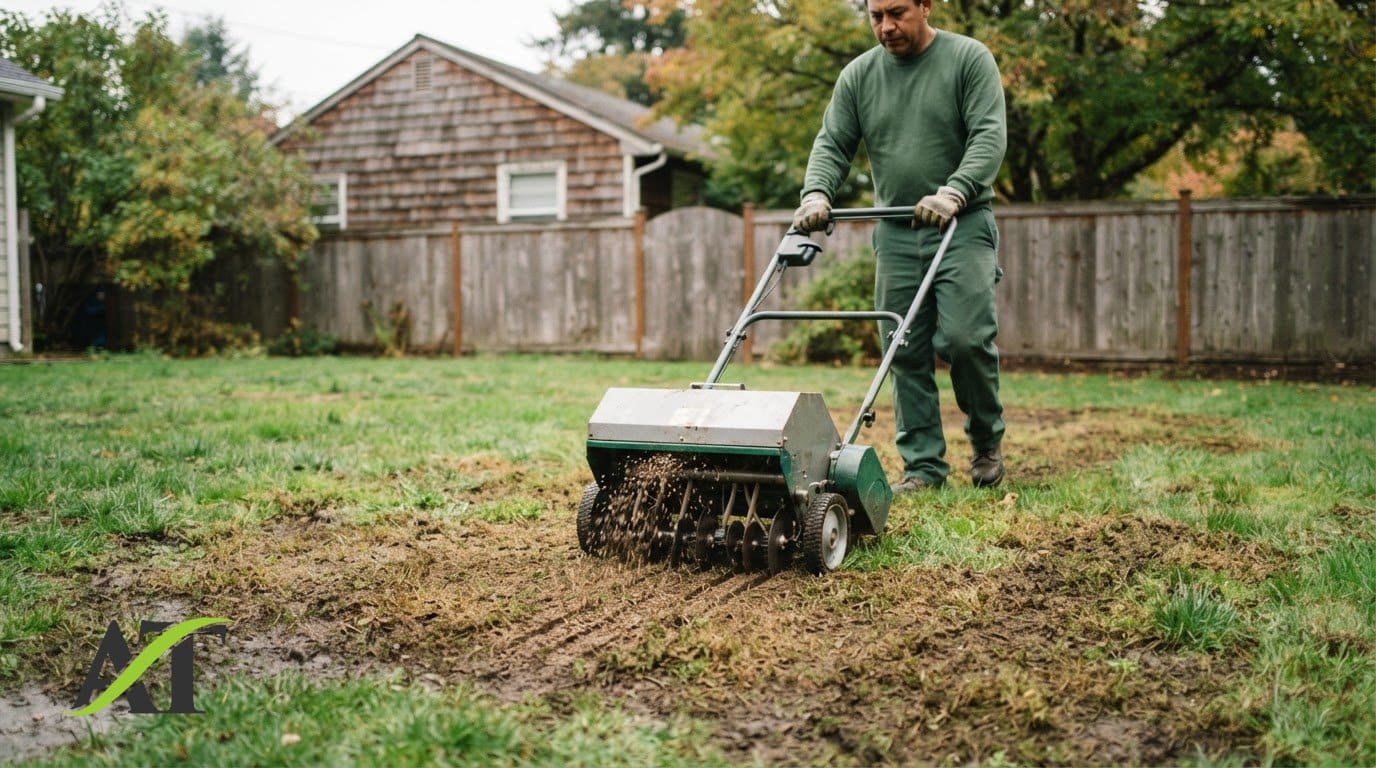
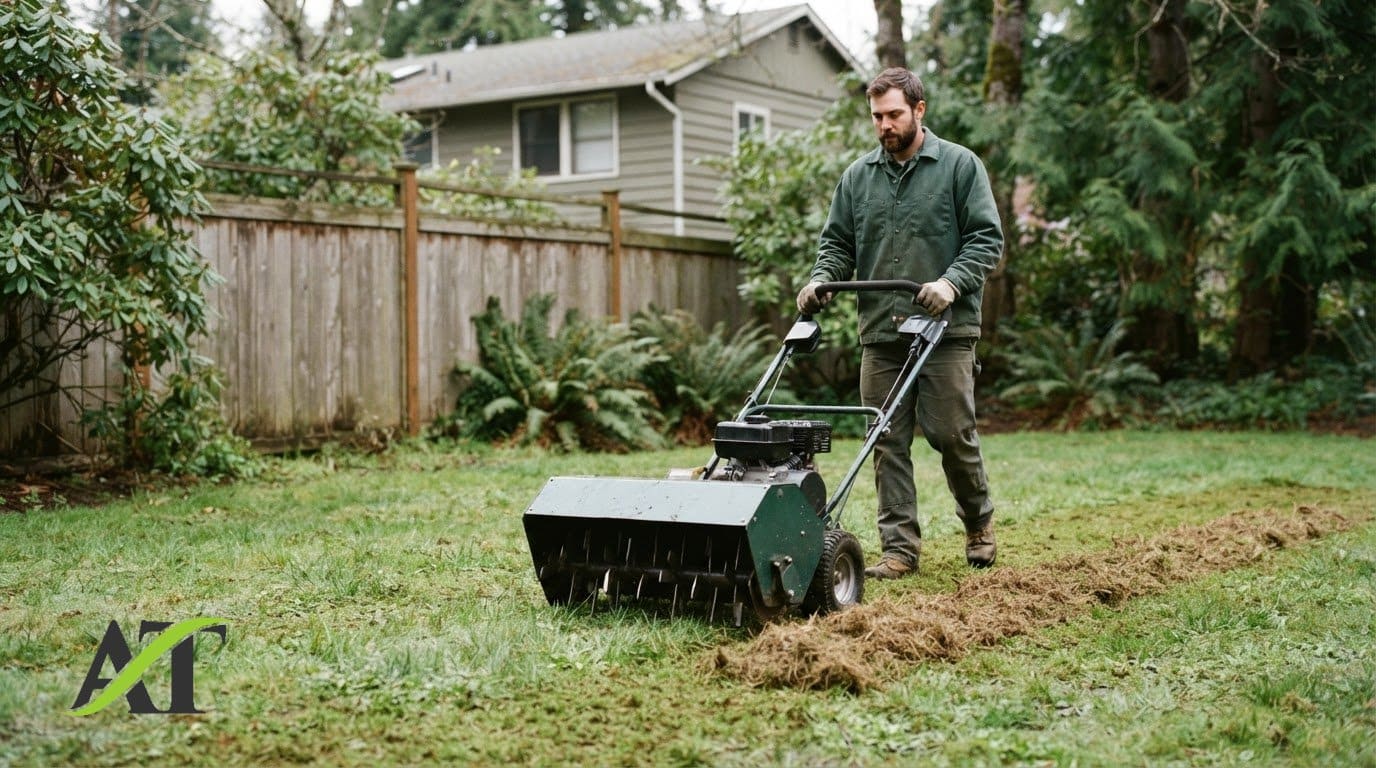
The Full Meal Deal consists of Power Raking (Dethatching), Core Aeration, Overseeding and Fertilizing. Power Raking (Dethatching) is not part of the base Lawn Tune-Up. Inspect the thatch before deciding it needs to be removed. If it is thin, you may not need it.
Either package can be paired with lime if soil-test results point that way. Standalone lime, a smaller service, homeowner care or further diagnosis may be the better fit for some lawns. Raking of loosened material is optional.
Ready to Talk Through Your Edmonds Lawn?
Healthy turf depends on soil, light, moisture and aftercare working together. We can’t promise germination or recovery, but we can give you honest, no-pressure advice. For more on our local approach, see lawn restoration in Edmonds. After any service, follow our lawn aftercare guide for watering, mowing and traffic. If your service already included starter fertilizer, don’t add more right afterward.
Frequently Asked Questions
Is lime application safe for my dogs and children in Edmonds?
No product should be called universally safe. We follow the product label and service-specific instructions for application, watering and re-entry. Ask us about your household before service, and talk to your veterinarian about any pet health questions.
How long does it take for lime to change the soil pH?
Lime works gradually, so don’t expect an overnight change in color. Timing depends on the soil and the weather, and we don’t give exact recovery timelines.
Can I apply lime and fertilizer at the same time?
Follow the directions on each product. Lime is an optional add-on that can be done during a visit that includes Fertilizing. Because lime addresses acidity and fertilizer supplies nutrients, they do different jobs.
Will lime application kill the moss in my lawn immediately?
No. Lime is not a moss killer. It raises overly acidic soil pH, which is only one of the conditions that affect moss. Shade, compaction, thin turf and drainage also play a role, so diagnose the cause first.
How often should I apply lime to my Edmonds property?
There is no set schedule that fits every lawn. Use soil-test recommendations and the product directions to decide whether lime is needed and how much to apply. A pH result away from 6.5 is not an automatic instruction to add lime.
Article by
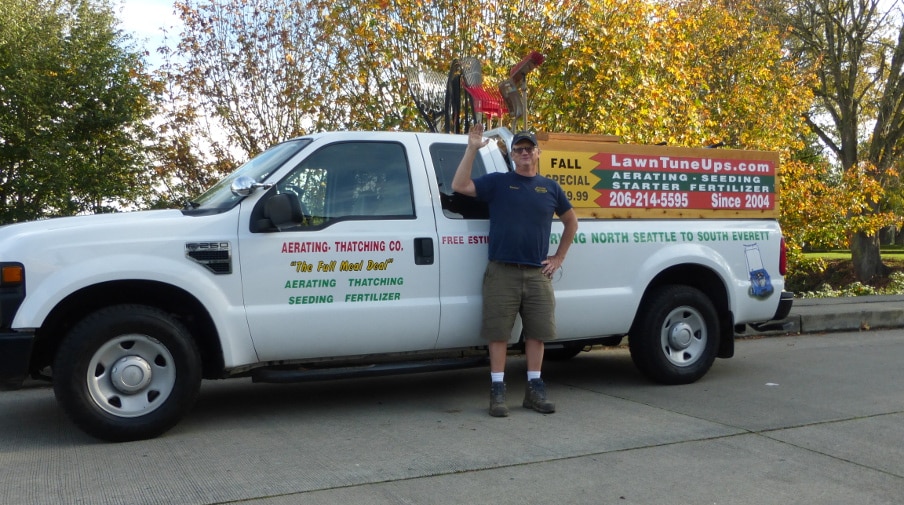
Stewart Armour
Stewart Armour is the owner of Aerating Thatching Co., an owner-operated Seattle-area lawn restoration business established in 2004. He helps homeowners understand Core Aeration, Power Raking (Dethatching), Overseeding, soil conditions, and the aftercare needed for stronger lawns. His background includes turf management study, advanced golf course turf training, and continuing education through Wilbur-Ellis University, State Turf Facilities, Soil First Academy, and Golf Course Applied Turf Physiology. Stewart has personally evaluated thousands of residential lawns throughout the Seattle area and focuses on recommending the work that fits each lawn’s condition.