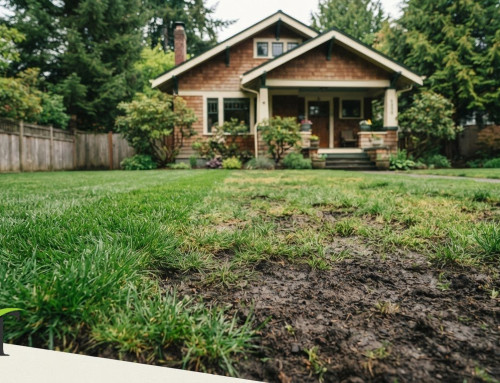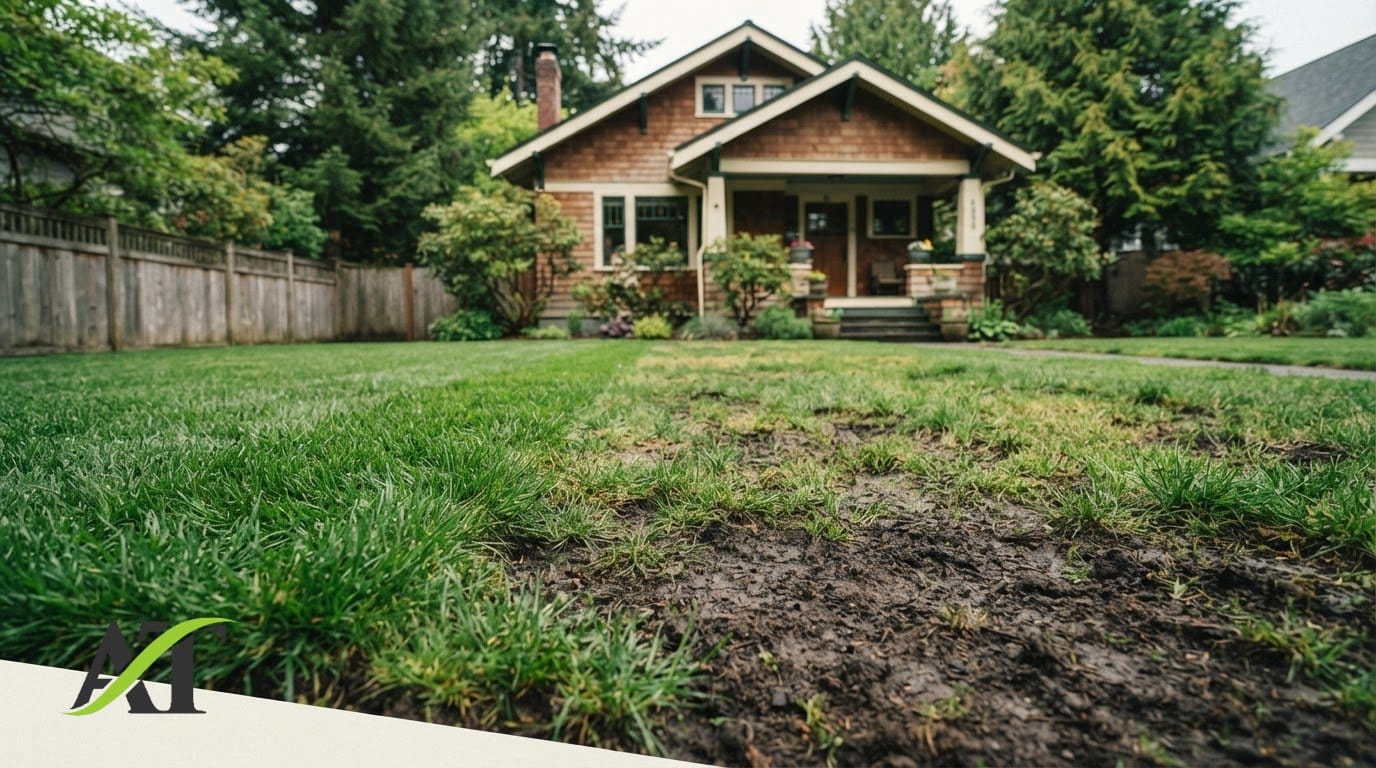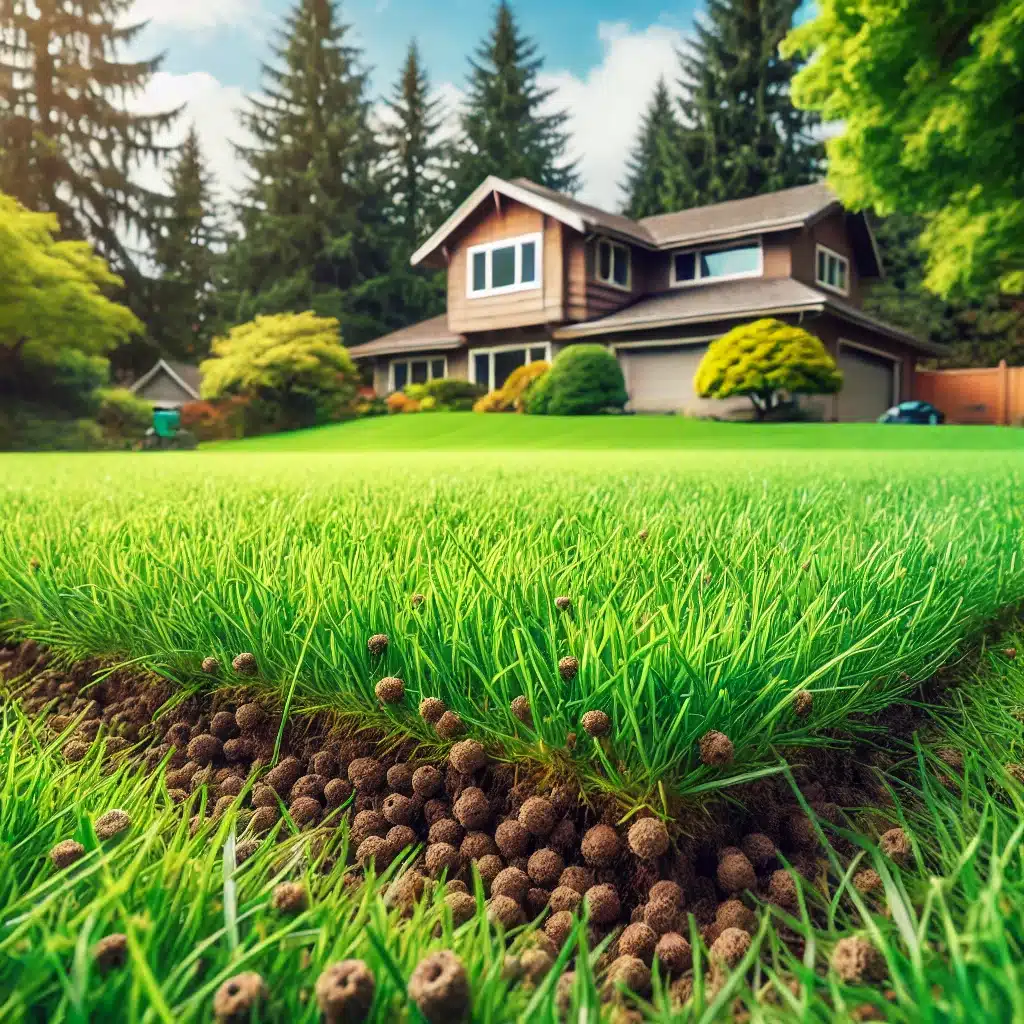
That bag of synthetic “weed and feed” from the big-box store might promise a green lawn by Sunday, but it’s often the very thing keeping your yard stuck in a cycle of thinning turf and aggressive moss. You want a thick, resilient lawn where your kids and pets can play safely. It’s frustrating to watch your grass struggle while the moss thrives, especially when you’re putting in the work to maintain it. If your turf doesn’t respond to quick-fix fertilizers, the problem isn’t the grass; it’s the soil health underneath.
Choosing an organic lawn treatment Shoreline soil actually needs is the first step toward breaking this cycle. While synthetic products offer a temporary chemical spike, they do nothing to balance the typical 5.8 pH acidity found in our local sandy loam. You’ll learn why organic nutrients are the superior choice for long-term health and how they power a lawn that resists moss naturally. We will also look at how a Lawn Tune-Up, consisting of Core Aeration, Overseeding, and Fertilizing, builds the foundation for a safe, vibrant outdoor space that lasts.
Key Takeaways
- Understand how organic nutrients feed soil microbes to build long-term lawn resilience rather than just treating symptoms with synthetic chemicals.
- Discover how to neutralize Shoreline’s naturally acidic soil with a Lime Application to create an environment where grass thrives and moss fails.
- Learn why an organic lawn treatment Shoreline delivers the best results when combined with Core Aeration and Overseeding to complete a Lawn Tune-Up.
- See how the Full Meal Deal adds Power Raking (Dethatching) to the restoration process to maximize seed-to-soil contact and nutrient absorption.
Understanding Organic vs. Synthetic Fertilizer for Shoreline Lawns
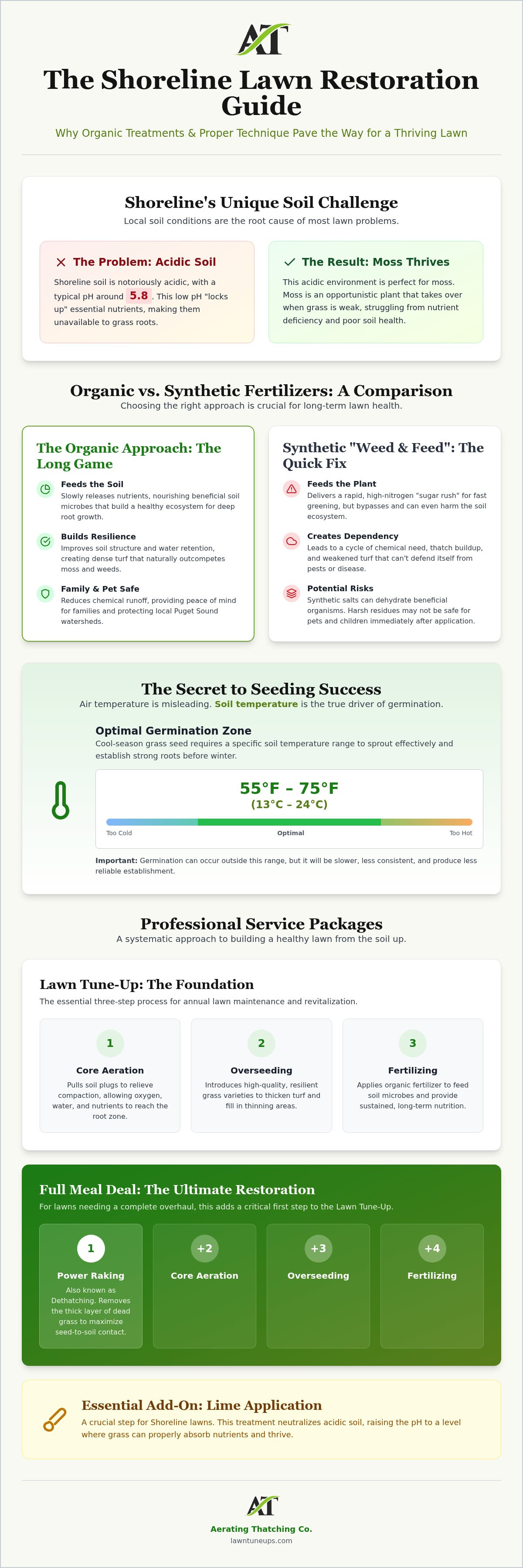
Synthetic fertilizers are essentially a sugar rush for your grass. They provide a rapid nitrogen boost that makes things green fast, but they often bypass the soil entirely. This creates a dependency where the grass relies on chemicals rather than a healthy ecosystem. In Shoreline, our sandy loam soil needs more than just a chemical spike to stay healthy year-round.
Synthetic salts can actually dehydrate the beneficial organisms living in your dirt. Over time, this leads to heavy thatch buildup and thinned-out turf that can’t defend itself. An organic lawn treatment Shoreline homeowners prefer works differently. It releases nutrients slowly, feeding the microbes that support deep root growth. This builds the turf density required to naturally outcompete invasive Shoreline moss.
The Quick Fix vs. The Long Game
Think of synthetic fertilizer like a vitamin shot. It’s a temporary boost that wears off quickly. Organic fertilizing acts more like a healthy diet for your property. The added organic matter improves the structure of our local soil. This leads to better water retention during dry spells and a more resilient root system. By improving the soil itself, you’re investing in a lawn that stays green without constant chemical intervention. Homeowners in nearby communities face the same challenges, and our organic lawn fertilizer Mountlake Terrace guide shows how the same principles apply across the North Seattle area.
Safety for Shoreline Families and Pets
Safety is a major factor for local homeowners near the water. Organic options significantly reduce the risk of chemical runoff into local Puget Sound watersheds. It’s about more than just the environment; it’s about the peace of mind you get when your kids and pets play on the grass. You don’t have to worry about harsh residues or chemical warnings after we finish a treatment. Families in neighboring areas share the same concerns, which is why our pet-safe organic lawn treatment Woodway guide covers how natural soil restoration protects both your household and the local environment. It’s a neighborly approach that keeps your family and the community safe.
Why Shoreline Soil Needs a Specific Organic Approach
Shoreline soil is notoriously acidic. A typical pH around 5.8 is perfect for moss but terrible for grass. Most national DIY kits ignore this local reality. An organic lawn treatment Shoreline properties actually benefit from must address this imbalance first. Without fixing the acidity, you’re just feeding the moss. This is why organic treatments work best when paired with a professional Lime Application to neutralize the soil and unlock essential nutrients.
The Moss Struggle in North Seattle
Moss is an opportunistic squatter. It thrives where grass fails due to low pH and poor nutrient availability. Organic fertilizing does more than just add green; it strengthens grass cell walls. This helps the turf resist damp-weather diseases common in our humid climate. When your grass is structurally stronger, it can physically crowd out the moss. If your lawn is currently a moss pit, you can request a quote to see how a professional restoration plan can help.
Timing Your Treatment with Soil Temperatures
Timing is everything. Many homeowners watch the weather app, but air temperature is a liar. Soil temperature is the true driver of success for any restoration work. Cool-season grass seed requires soil temperatures between 55°F-75°F (13°C-24°C) for optimal germination. While germination can occur outside this range, it’ll be slower and produce less reliable establishment. Tracking soil temperature is the only way to ensure your investment in new seed actually pays off.
Germination outside the 55°F-75°F range is slower and less consistent. It’s not just about the seed sprouting; it’s about the grass developing the stamina to survive Shoreline’s winters. We monitor these levels closely to ensure every Lawn Tune-Up is performed during the peak window for growth. This methodical approach respects your time and ensures the best possible environment for your new grass to take hold.
Maximizing Results with Core Aeration and Overseeding
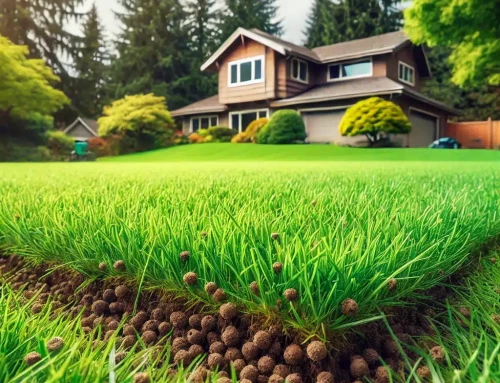
Organic fertilizer is only as good as its delivery method. If your soil is compacted, nutrients just sit on top. Core Aeration solves this by pulling physical plugs to allow oxygen and nutrients to penetrate deep into the root zone. This mechanical process is vital for Shoreline yards that have suffered from years of heavy rain and foot traffic.
We follow this with Overseeding to introduce resilient grass varieties into thinning areas. Seed-to-soil contact is the most critical factor for success. Optimal germination occurs when soil temperatures are between 55°F–75°F (13°C–24°C). While we use high-quality seed, results depend on moisture, soil conditions, and weather. We don’t offer absolute guarantees because nature is in charge, but we do ensure the best possible environment for your lawn to thrive.
Relieving Compaction in Heavy PNW Soils
Shoreline’s heavy rains pack down the earth over time. Core Aeration relieves this pressure. When we combine this with Overseeding and Fertilizing, it creates our signature Lawn Tune-Up. This three-step process is the essential baseline for any organic lawn treatment Shoreline homeowners choose for their property restoration. It provides the mechanical opening your soil needs to breathe again.
The Full Meal Deal for High-Thatch Lawns
If your turf feels spongy, you likely have a thatch layer exceeding 1/2 inch. This debris blocks seed and fertilizer from reaching the dirt. The Full Meal Deal is our most comprehensive option, including Power Raking (Dethatching), Core Aeration, Overseeding, and Fertilizing. It’s the ultimate organic lawn treatment Shoreline yards need to clear out the old and make room for the new.
Professional Organic Lawn Treatment in Shoreline
We aren’t a weekly mowing crew. At Aerating Thatching Co., our business focuses exclusively on the heavy lifting of lawn restoration. We don’t spend our time on pruning or irrigation repairs; instead, we specialize in the mechanical processes that build healthy turf. Our organic lawn treatment Shoreline service is a core component of both the Lawn Tune-Up and the Full Meal Deal. We serve Shoreline, Edmonds, and North Seattle with the direct, neighborly expertise you’d expect from a local contractor.
Successful results depend heavily on proper aftercare. Once we finish the job, you’ll need to maintain consistent moisture to help the new seed take hold. It’s also vital to track soil temperature rather than air temperature. We find that cool-season grass seed performs best when soil temperatures stay between 55°F–75°F (13°C–24°C). Because moisture levels, weather patterns, and specific soil conditions vary, we don’t offer absolute guarantees on germination. We do, however, ensure your lawn has the best possible foundation for long-term health.
Your Shoreline Lawn Restoration Partner
Aerating Thatching Co. provides the physical labor that makes organic products effective. This includes Core Aeration to relieve compaction and Power Raking (Dethatching) to clear out debris. You can learn more about our Organic Lawn Treatment in Mill Creek and surrounding areas to see how we help your neighbors. We focus on restorative work that delivers tangible outcomes for your property.
Get Started with a Quote
Stop guessing about synthetic chemicals and let the experts assess your soil. We’ll help you decide if a Lawn Tune-Up or the more intensive Full Meal Deal is the right choice for your yard’s current state. You can request your professional Lawn Tune-Up quote here. Aerating Thatching Co. will provide a straightforward plan to get your grass back on track without the stiff corporate jargon of national chains.
Build a Resilient Lawn for Your Shoreline Home
Switching to an organic lawn treatment Shoreline families can trust is about more than just aesthetics. It’s a pragmatic choice to fix the underlying soil acidity that allows moss to take over. By focusing on root health and soil structure, you’re building a yard that stands up to the PNW climate. We’ve been providing this specialized restoration work since 2004, bringing owner-operated expertise to every project.
Remember that mechanical steps like Core Aeration or the Power Raking (Dethatching) included in our Full Meal Deal are what make organic nutrients effective. We monitor soil temperatures to ensure your Overseeding has the best chance to establish, even though nature ultimately decides the results. It’s a no-nonsense approach to property maintenance that keeps your outdoor space safe for kids and pets.
We’re ready to help you transform your thinning turf into a thick, green landscape that thrives naturally.
Frequently Asked Questions
Is organic fertilizer safe for my pets in Shoreline?
Yes, organic fertilizer is a safe choice for households with pets and children. Because these treatments use natural ingredients rather than harsh synthetic chemicals, you don’t have to worry about dangerous residues on the grass. It provides peace of mind for Shoreline homeowners who want a healthy yard without the chemical warnings. This approach supports a safe outdoor space while still delivering the nutrients your lawn needs to thrive.
How long does it take for organic lawn treatment to show results?
Organic treatments focus on the long game rather than an instant chemical spike. You’ll typically see a deeper green and improved turf density within a few weeks as the soil microbes begin processing the nutrients. While synthetic fertilizers offer a faster initial flush, an organic lawn treatment Shoreline soil receives builds lasting health. This slow-release method ensures your grass stays resilient throughout the changing seasons in the Pacific Northwest.
What is the best soil temperature for grass seed germination in Washington?
The optimal soil temperature for cool-season grass seed germination is between 55°F and 75°F (13°C to 24°C). We track soil temperature specifically because it is the primary driver of successful Overseeding. While germination can occur outside this range, it will be slower and less consistent. Achieving reliable establishment depends on moisture and soil conditions, which is why we time our restoration services to hit this peak growth window.
Do I need Core Aeration if I use organic fertilizer?
Yes, Core Aeration is essential because it allows the organic matter to reach the root zone. Without pulling physical plugs, the fertilizer may just sit on top of compacted soil. This mechanical process is a key part of our Lawn Tune-Up, ensuring your soil can breathe and absorb nutrients efficiently. Combining aeration with fertilizing maximizes the effectiveness of the treatment and promotes much deeper root growth in heavy PNW soils.
Can organic treatments help get rid of moss in my Shoreline lawn?
Organic treatments help defeat moss by addressing the root cause: poor soil health and high acidity. By using organic fertilizing and a professional Lime Application, you create a balanced environment where grass thrives and moss struggles. This natural competition is more effective than chemical moss killers that don’t fix the soil. A thick, dense lawn is the best defense against invasive moss growth in our damp climate.
Article by
Stewart Armour
Stewart Armour is an independent lawn restoration expert, educator, and owner of Aerating Thatching Co., serving the greater Seattle area since 2004. With more than two decades of professional experience restoring Western Washington lawns, Stewart specializes in diagnosing lawn problems, improving soil health, and developing long-term lawn renovation strategies. His education includes turf management studies, advanced golf course turf training, and continuing education through Wilbur-Ellis University, State Turf Facilities, Soil First Academy, and Golf Course Applied Turf Physiology. Every article published on LawnTuneUps.com is grounded in practical field experience, current turf science, and a commitment to helping homeowners understand the why behind every recommendation—not just what to do.
Stewart has personally evaluated thousands of residential lawns throughout the Seattle area and remains committed to helping homeowners understand the science behind growing healthier, more resilient lawns.