What if the bare spots in your lawn don’t need more seed? For spring lawn prep Mill Creek homeowners can use, the first step is finding out why the grass is thin. A patch caused by shade or poor drainage won’t respond to the same fix as compacted soil or excess thatch.
It’s tempting to start with fertilizer or a quick reseeding. But choosing a treatment before you understand the problem can waste effort and miss the cause. A careful spring check helps you decide what needs attention now and what needs a closer diagnosis.
This checklist walks you through inspecting the lawn in a practical order, spotting clues that distinguish common problems, and choosing a proportionate next step. You’ll learn when seed or restoration work may help, when Core Aeration may fit, and why deeper drainage issues call for a different diagnosis. It also explains how a Lawn Tune-Up differs from a Full Meal Deal, so you can match the work to your lawn rather than defaulting to the biggest service.
Key Takeaways
- Start spring lawn prep Mill Creek by noting thin patches, bare areas, visible thatch, and uneven growth before choosing a treatment.
- Tell thatch apart from compaction: a distinct turf layer points to a different concern than soil that may benefit from Core Aeration.
- Begin with observation and light cleanup, and avoid working on saturated soil.
- Match restoration work to the problem. A Lawn Tune-Up includes Core Aeration, Overseeding, and Fertilizing; deeper drainage concerns need further diagnosis.
Where to Start with Spring Lawn Prep in Mill Creek
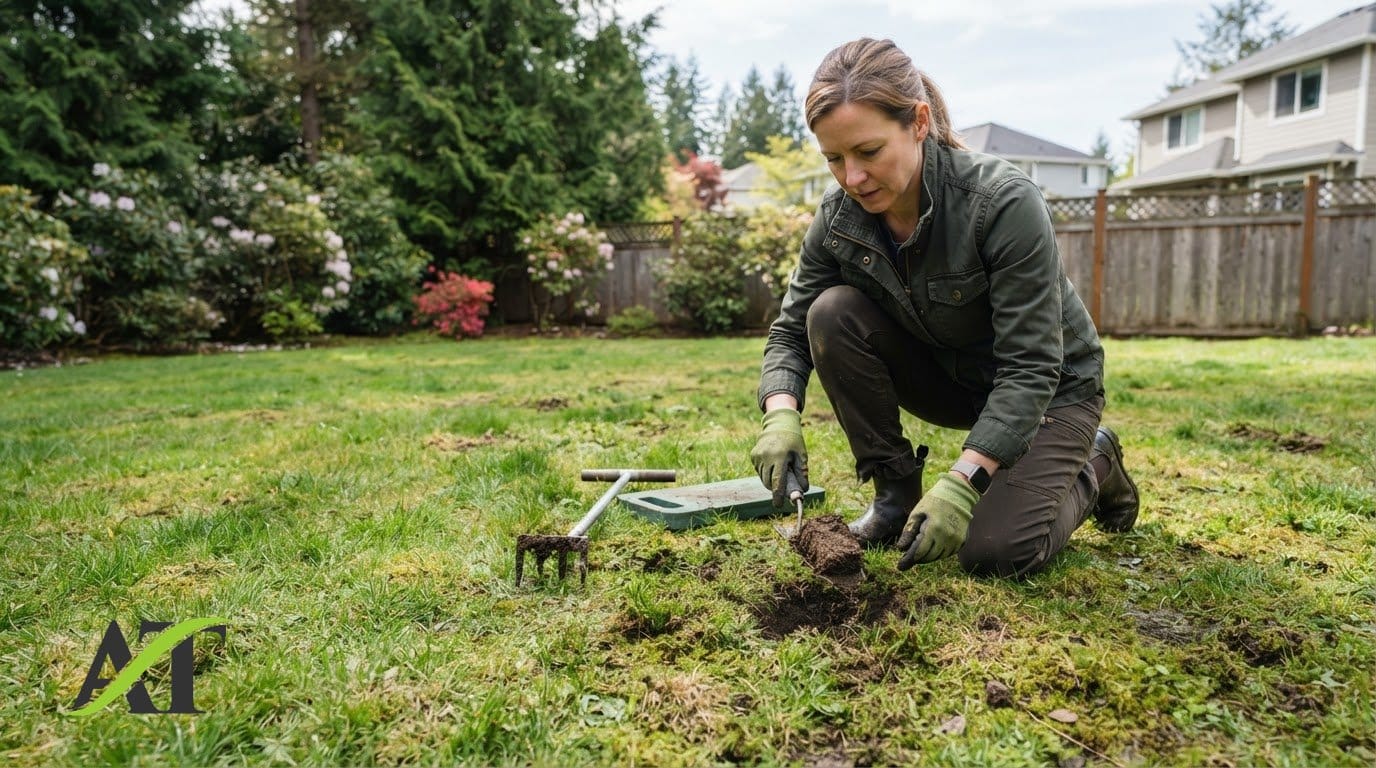
Before buying seed or choosing a treatment, take a slow walk around the lawn and record what you can see. A useful spring lawn prep Mill Creek checklist starts with observations, not assumptions. Look for thin patches, bare areas, visible thatch, and spots where growth looks uneven. These are clues, not diagnoses. The same symptom can have different causes, so note the pattern before deciding what to do.
- Mark thin or bare areas on a simple yard sketch, and note whether similar patches recur in a pattern.
- Record where trees, buildings, or fences shade the grass for part of the day.
- Notice where water flows after rain and which areas stay wet, without concluding from appearance alone that drainage is the cause.
- Look for a distinct layer of dead stems and roots above the soil, rather than assuming any brown material is thatch.
Keep the notes practical. A quick sketch and a few consistent observations can make it easier to compare areas and decide whether a problem is isolated or widespread. Mill Creek yards differ, so focus on the conditions in your own lawn rather than assuming a neighbor’s issue applies to yours.
What to record during a first lawn walk-through
Draw the rough outline of the lawn and mark each thin or bare patch. Add a note if patches repeat along a shaded edge, a path, or another visible feature. Record shade, water flow, and persistently wet spots separately. Those details help narrow down what to investigate, but they don’t prove the cause; uneven growth, for example, can have more than one explanation.
Hold off on treatment decisions until you’ve looked across the whole lawn. For broader background on practices such as mowing, watering, and fertilizing, see Organic lawn management practices. Use your walk-through notes to guide the next step, not to force every problem into a single fix.
Tell Thatch, Compaction, Shade, and Drainage Problems Apart
Thin grass is a symptom, not a diagnosis. For spring lawn prep Mill Creek homeowners should look at where a problem occurs and what the soil and turf are doing before choosing a fix. Several causes can overlap, but their clues differ.
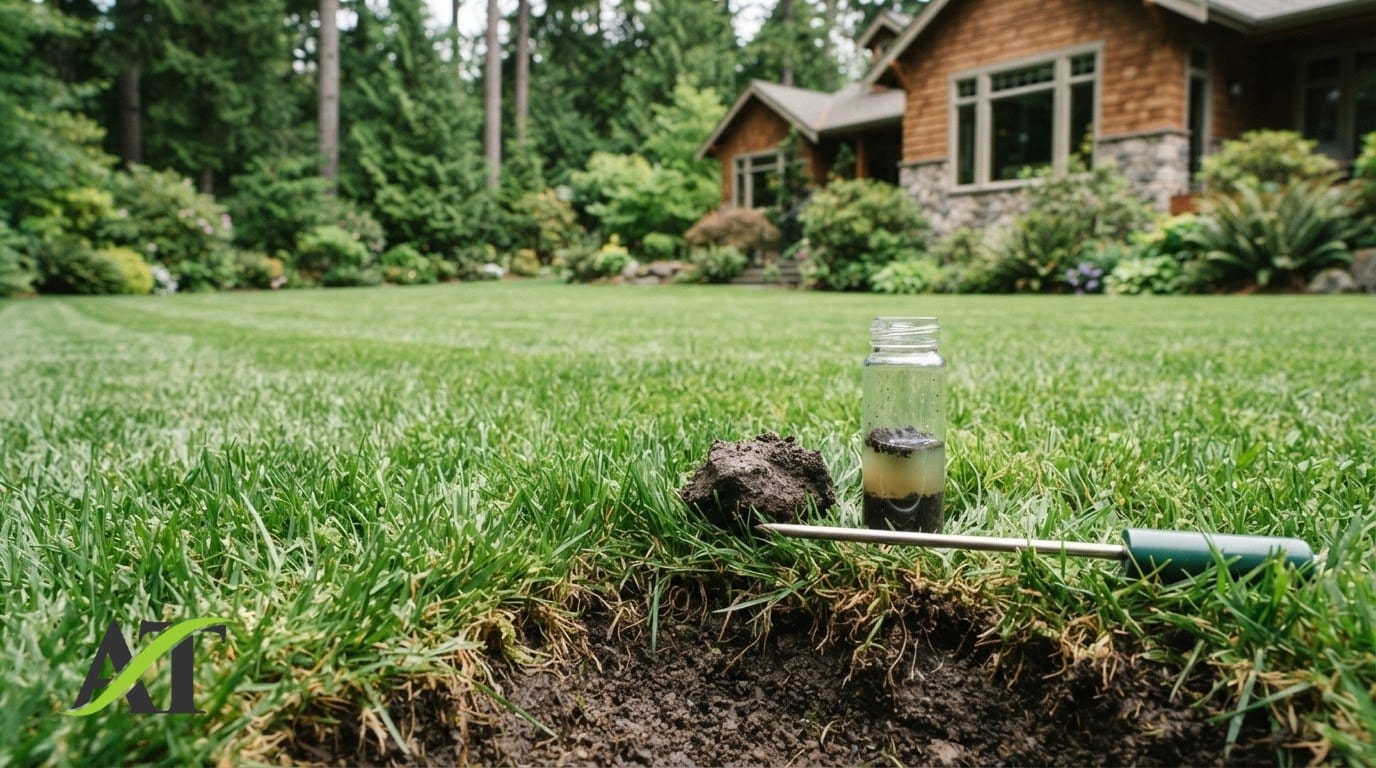
- Thatch: A spongy layer of living and dead stems, roots, and other turf material between the green grass and soil. It’s distinct from compacted soil, which is soil pressed tightly together.
- Compaction: Soil may be difficult to penetrate, and grass may struggle in areas that receive repeated foot traffic. Core Aeration can be worth evaluating for compaction in the shallow turf root zone.
- Shade: Thin growth that follows a shaded area may reflect limited light rather than a thatch or soil problem. Compare the patch with nearby grass receiving more sun.
- Water patterns: Dry areas may point to uneven water coverage, while spots that stay wet or collect runoff raise a different question about water movement.
These clues help narrow the possibilities, but they don’t confirm a cause by themselves. General resources, such as University of Illinois Extension spring lawn care tips, can inform basic care decisions; local conditions and the specific lawn still matter.
When the visible symptom needs further diagnosis
Persistent wetness or slow water movement may involve a drainage problem, not just compacted topsoil. Core Aeration works in the shallow turf root zone. It won’t break deep glacial hardpan or repair a subsurface drainage defect. Seed and fertilizer also can’t correct every underlying cause of thin or bare grass.
Match the next step to the likely cause. If wet spots persist, or the pattern doesn’t fit shade, traffic, or surface compaction, get the lawn assessed before committing to treatment. Ask Stewart about your lawn’s problem areas to help identify a sensible restorative next step.
A Practical Spring Lawn Prep Checklist for Mill Creek
A sensible spring lawn prep Mill Creek routine moves from simple checks to treatment decisions. Let the lawn’s condition guide the work, and wait until the ground is firm enough to walk on without sinking or leaving deep footprints. Working saturated soil can cause damage and make it harder to judge what the lawn needs.
- Review your notes. Revisit the map from your first walk-through. Look for patterns in thin areas, bare patches, shade, and wet spots.
- Clear light debris. Gently remove loose leaves and small branches. Avoid aggressive raking if the turf is soft or easily pulled up.
- Check the surface. Look for a distinct thatch layer and signs of soil compaction. Don’t treat either as the assumed cause of every thin patch.
- Decide what needs attention. If the cause points to a shallow-root-zone concern or a need to thicken turf, restoration work may fit. Persistent wetness or a problem that doesn’t match the visible clues calls for further diagnosis first.
When spring Overseeding may fit
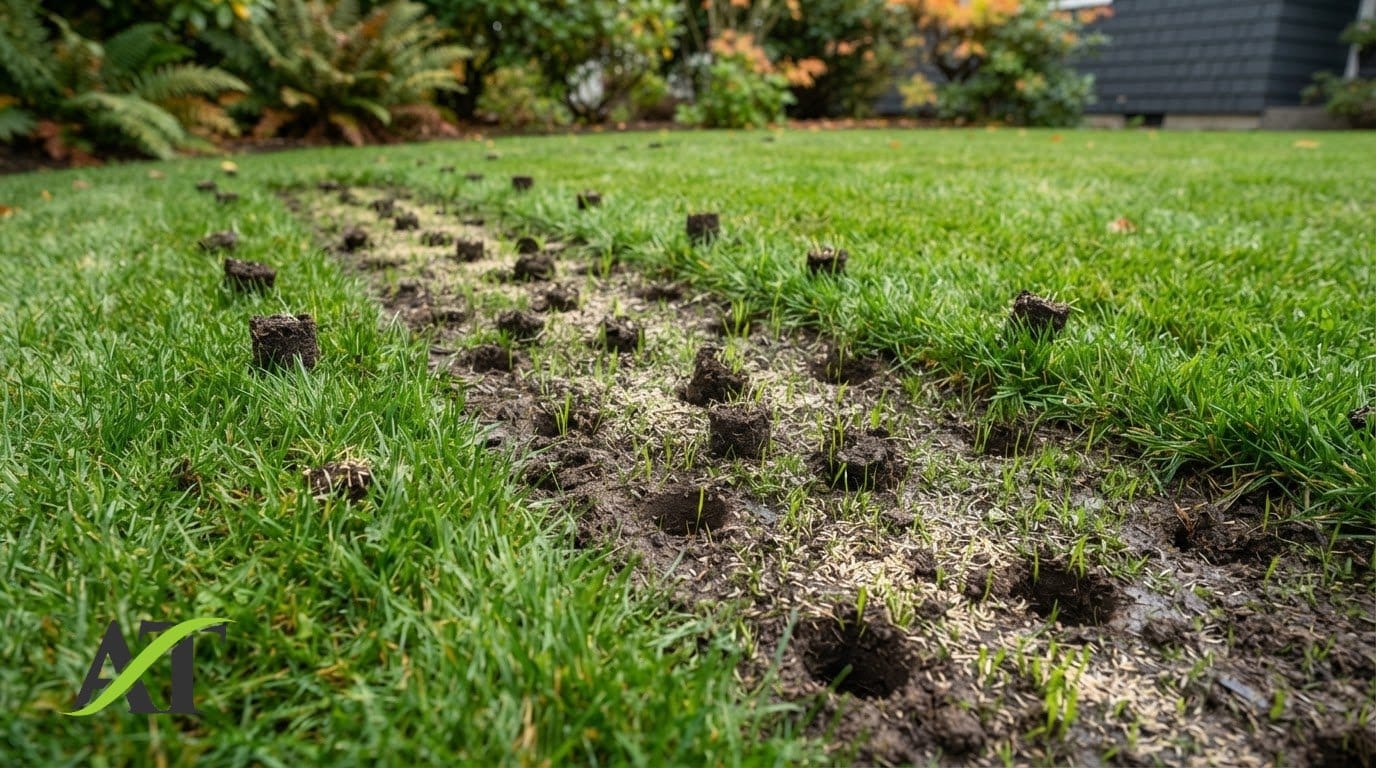
For Overseeding with the Premium 60/40 Sun & Shade Mix, we prefer soil temperatures around 55-75°F (13-24°C) as a practical window for our local service. This is a preference, not a strict cutoff, universal optimum, or germination guarantee. Establishment also depends on moisture, seed-to-soil contact, soil conditions, weather, and aftercare.
Use soil temperature rather than a warm afternoon as your signal, and consider whether the lawn is ready to support seed. Seasonal conditions vary, so the Seattle lawn care calendar can help with broader planning without setting a fixed date for every Mill Creek yard.
Once the lawn is workable, notes are clear, and the likely cause is understood, choose only the restorative work that matches the need. Skip treatments that don’t address the problem you’ve identified.

Choose the Right Spring Lawn Service for Your Mill Creek Yard
Choose work based on the lawn’s condition, not on the number of treatments in a package. If the issue points to shallow-root-zone compaction or thin turf that may benefit from added seed, Core Aeration and Overseeding may fit. If thatch also needs removal, Power Raking (Dethatching) may be appropriate. Where the cause remains uncertain, identify it before settling on a service.
When restoration work may be a reasonable next step
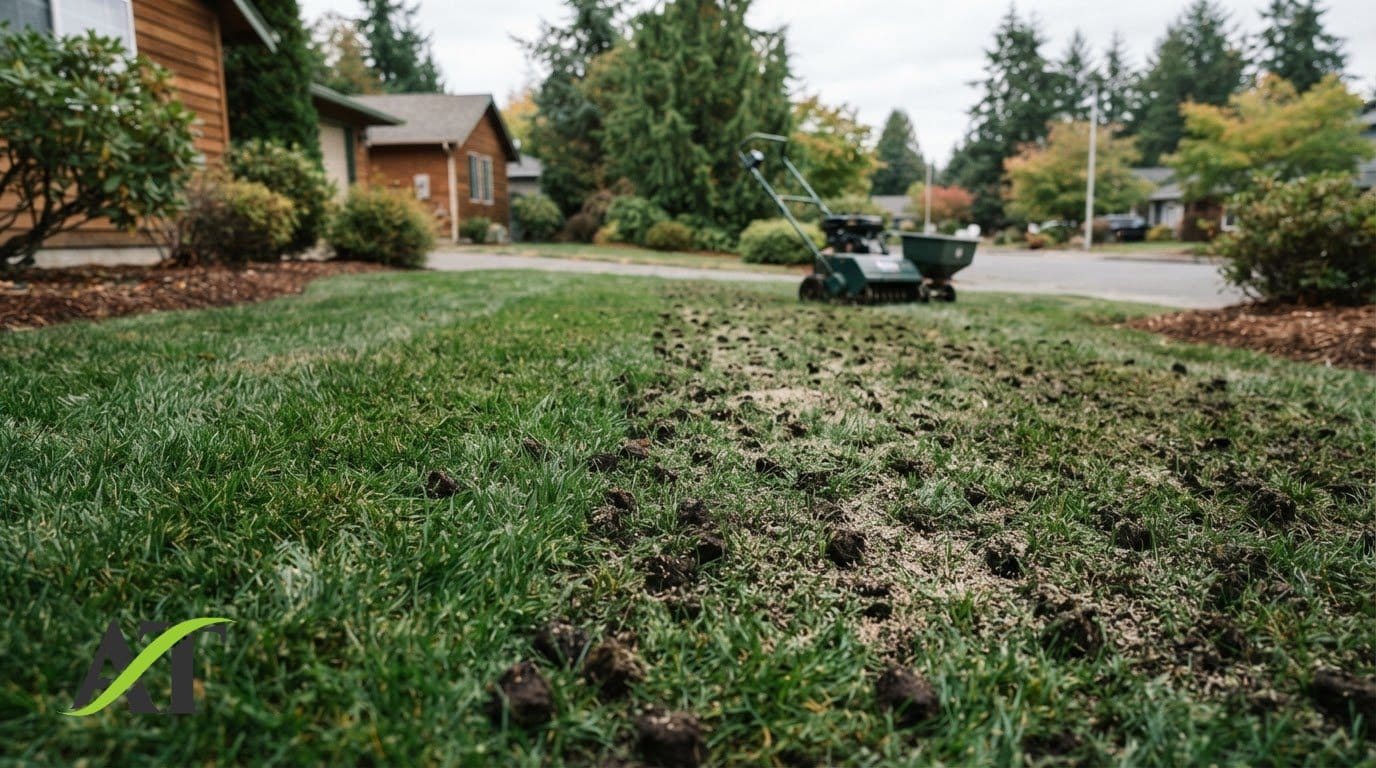
A Lawn Tune-Up consists of Core Aeration, Overseeding, and Fertilizing. It can suit a lawn whose needs align with those components. Power Raking (Dethatching) is not part of a Lawn Tune-Up.
The Full Meal Deal consists of Power Raking (Dethatching), Core Aeration, Overseeding, and Fertilizing. It’s an option when dethatching is also warranted. Don’t choose it simply because a lawn looks thin; first consider whether a thatch layer is actually part of the problem.
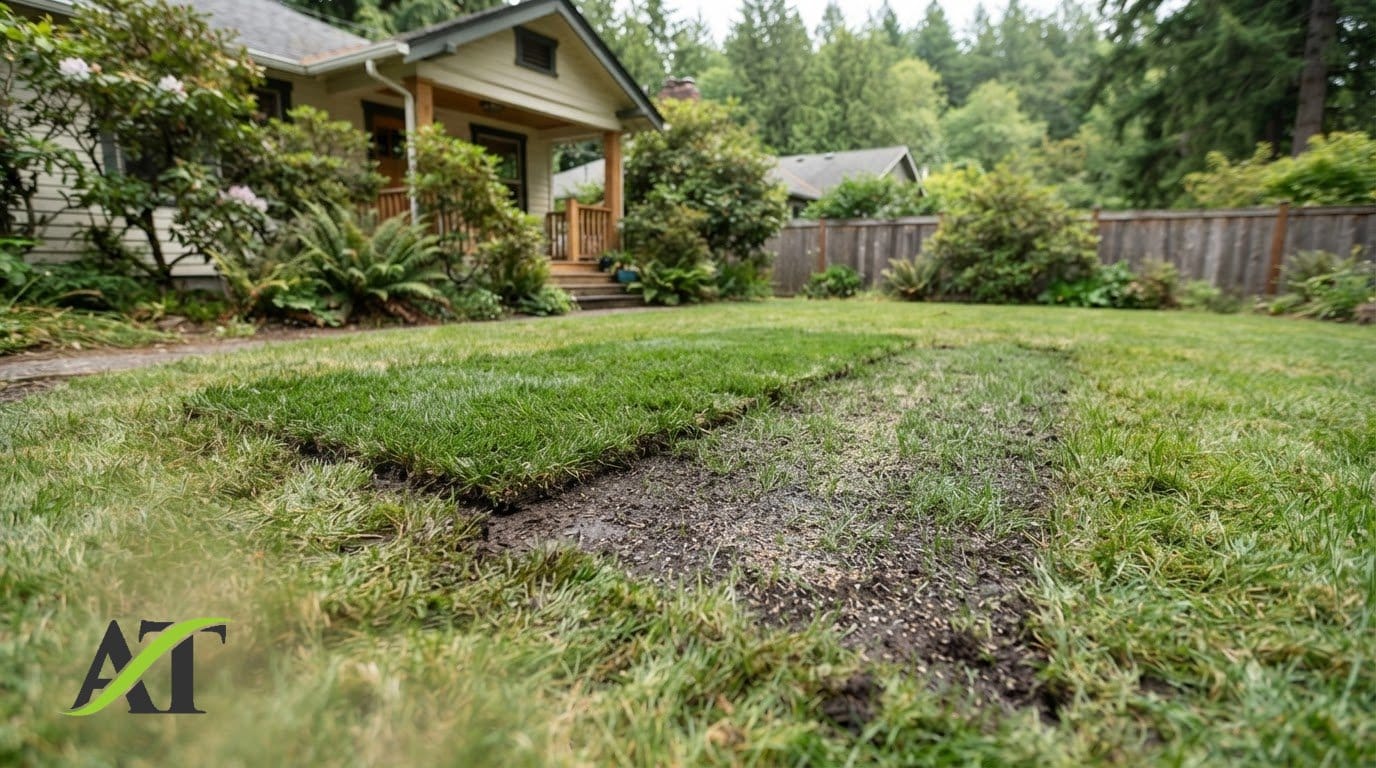
During spring lawn prep Mill Creek homeowners may find that an area needs more investigation before restoration work is selected. A patch that follows a shaded area, for example, may need a different response than one associated with compaction. Keep the plan tied to the likely cause, and avoid expecting one treatment to address every concern.
Use your notes to describe where the issue appears and what conditions you’ve observed. That gives the conversation a practical starting point and helps keep the proposed work proportionate.
Take the Next Step with a Clear Lawn Plan
A good plan doesn’t need to solve every lawn concern at once. Use what you’ve learned to decide which area needs attention first, and leave room to reassess as the lawn responds. That keeps spring lawn prep Mill Creek focused on a useful next step rather than a long list of treatments.
Aerating Thatching Co. is an owner-operated local business established in 2004. If you’d like help deciding whether restoration work fits your lawn, share what you’ve noticed.
Ask Stewart About Your Lawn
With a clear starting point, you can move into spring with confidence.
Frequently Asked Questions
How should I prepare my lawn for spring in Mill Creek?
Start with a measured plan rather than trying to correct everything at once. After noting the lawn’s current condition, take a few photos from consistent viewpoints so you can compare how the same areas change as growth resumes. This gives you a record beyond memory and can help show whether a patch is filling in or staying thin. Use those observations to decide what deserves attention first.
Should I aerate my lawn every spring?
Not necessarily. Core Aeration is best considered in response to the lawn’s needs, not as an automatic calendar task. Before deciding, compare the troubled area with nearby turf and consider whether the difference lines up with repeated foot traffic or another visible condition. If there’s no clear reason to aerate, don’t assume a spring treatment is needed just because it’s a new season.
When should I overseed a lawn in Mill Creek?
Use soil temperature and the lawn’s readiness rather than choosing a date from the calendar. A soil thermometer can help you judge conditions in the area you plan to seed; afternoon air temperature alone isn’t a reliable substitute. Use the practical soil-temperature window discussed above, and account for the seed type and the conditions needed for establishment before planning Overseeding.
Does spring lawn prep always require dethatching?
No. Treat Power Raking (Dethatching) as a targeted task, not standard spring cleanup. Before choosing it, check whether the material you’re concerned about is an actual thatch layer or loose surface debris, and whether the affected area’s pattern suggests another cause. If the evidence is unclear, pause and get the problem diagnosed before selecting work. Dethatching won’t correct an unrelated cause of thin turf.
Article by
Stewart Armour
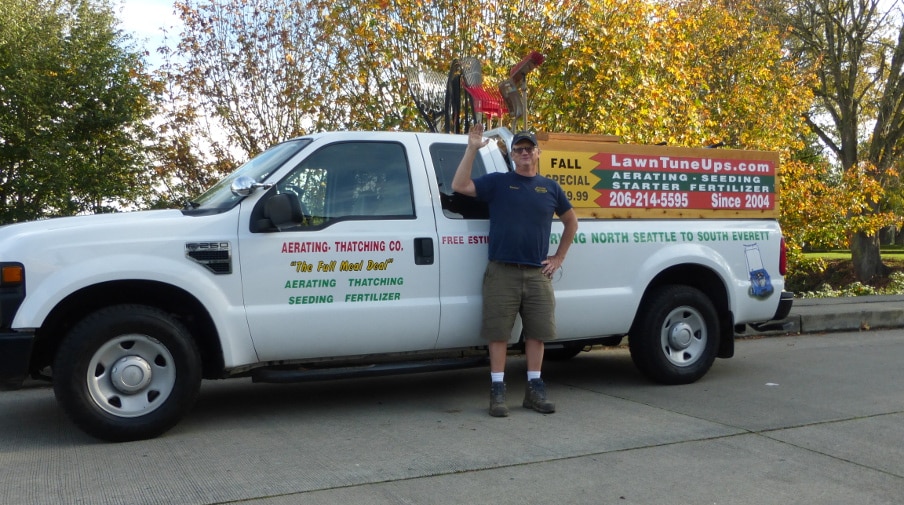
Stewart Armour is the owner of Aerating Thatching Co., an owner-operated Seattle-area lawn restoration business established in 2004. He helps homeowners understand Core Aeration, Power Raking (Dethatching), Overseeding, soil conditions, and the aftercare needed for stronger lawns. His background includes turf management study, advanced golf course turf training, and continuing education through Wilbur-Ellis University, State Turf Facilities, Soil First Academy, and Golf Course Applied Turf Physiology. Stewart has personally evaluated thousands of residential lawns throughout the Seattle area and focuses on recommending the work that fits each lawn’s condition.