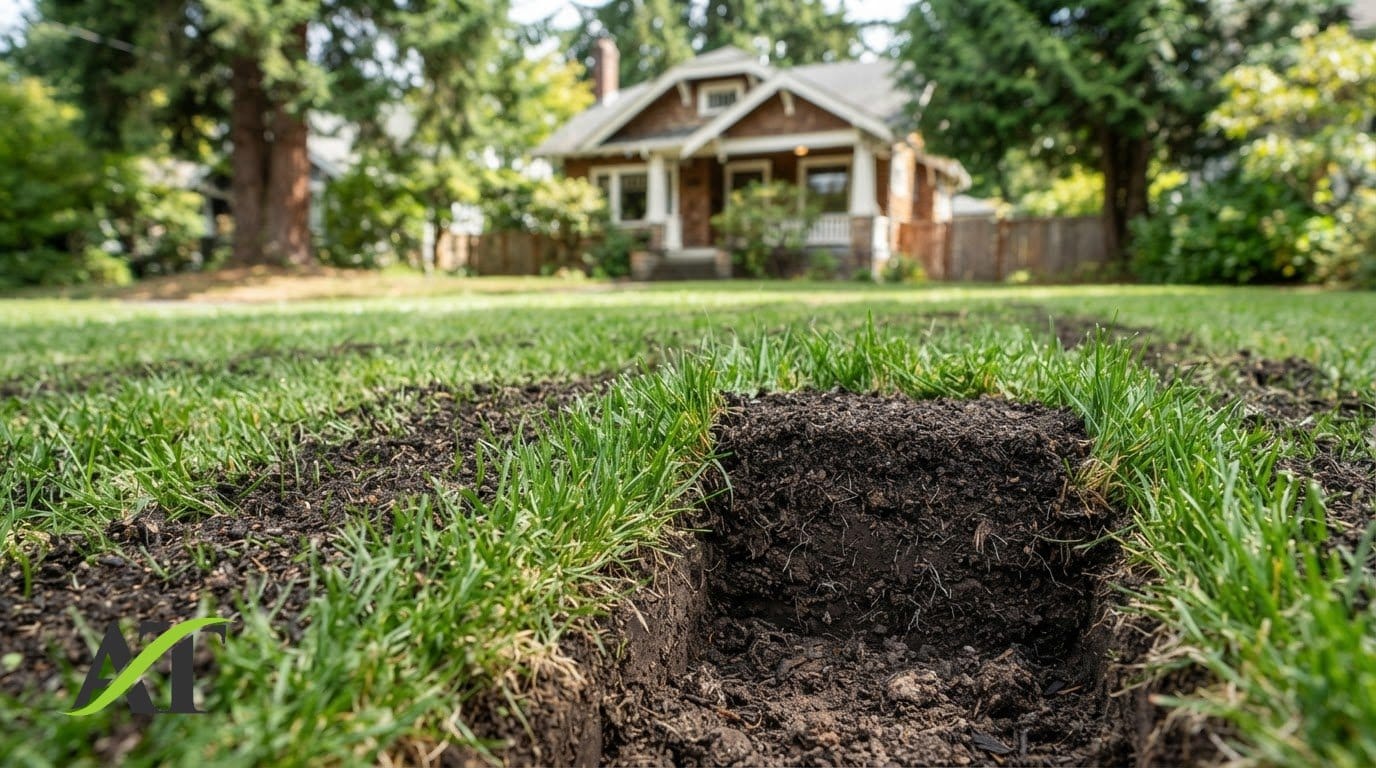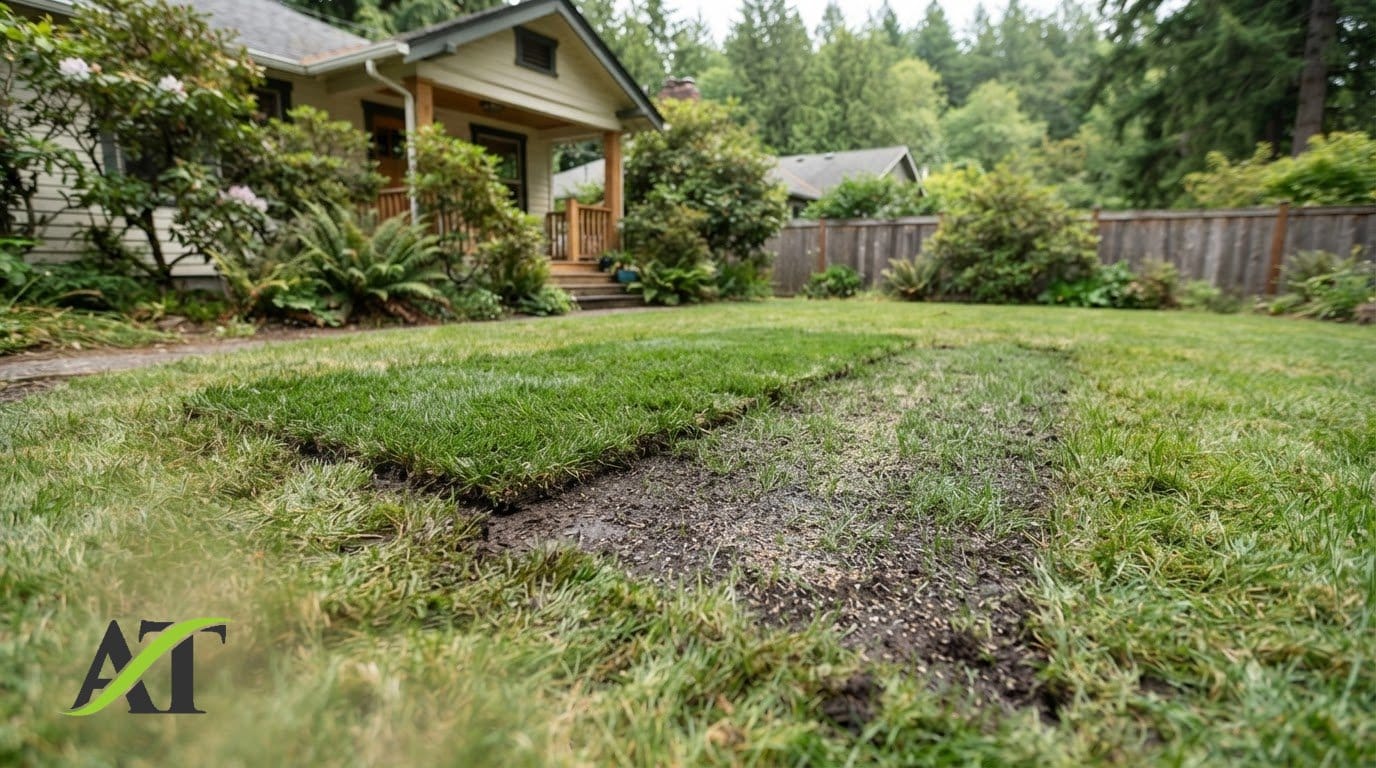
Sod gives an instant-looking reset, but overseeding can be the better repair when healthy grass is still established. In Seattle, many cool-season seed mixes begin sprouting in 7-14 days under good growing conditions, and early fall is generally the strongest time to overseed. Sod may make more sense when large areas are bare and you need immediate ground cover.
It’s reasonable to want a clear answer before choosing overseeding vs sod in Seattle. The right option depends on how much healthy grass remains, how quickly you need coverage, and whether the soil and growing conditions can support new seed. A calendar date alone won’t tell the whole story.
This guide explains typical germination timing, why September and October are often useful months for overseeding, and what signs suggest seed may not be enough. You’ll also learn how to assess your lawn before choosing between overseeding and sod in Seattle.
Key Takeaways
- Expect many cool-season mixes to begin sprouting in 7-14 days under good conditions, but seed type and growing conditions affect timing.
- Check how much healthy grass remains before choosing: overseeding can build on an established lawn, while widespread bare areas may call for a different repair approach.
- Use the season and soil conditions to guide your timing; early fall is generally the most effective overseeding window in Seattle.
- Look for the cause of thin or bare patches before deciding. Compaction, shade, moisture, and drainage issues can change what repair will work.
How long does grass seed take to germinate in Seattle?
Many cool-season mixes begin sprouting in 7-14 days under good growing conditions. Grass type, soil temperature, moisture, and seed-to-soil contact all affect the pace.
- Choose a grass type for the site. Perennial ryegrass commonly germinates in 7-10 days, tall fescue in 10-21 days, and Kentucky bluegrass in 21-30 days. A blend may sprout unevenly because its grass types germinate at different rates.
- Match the blend to sunlight. Fine fescue can suit shadier areas, while a sun-and-shade blend can handle mixed exposure. Consider where trees or buildings limit light, and account for regular foot traffic before choosing grass seed.
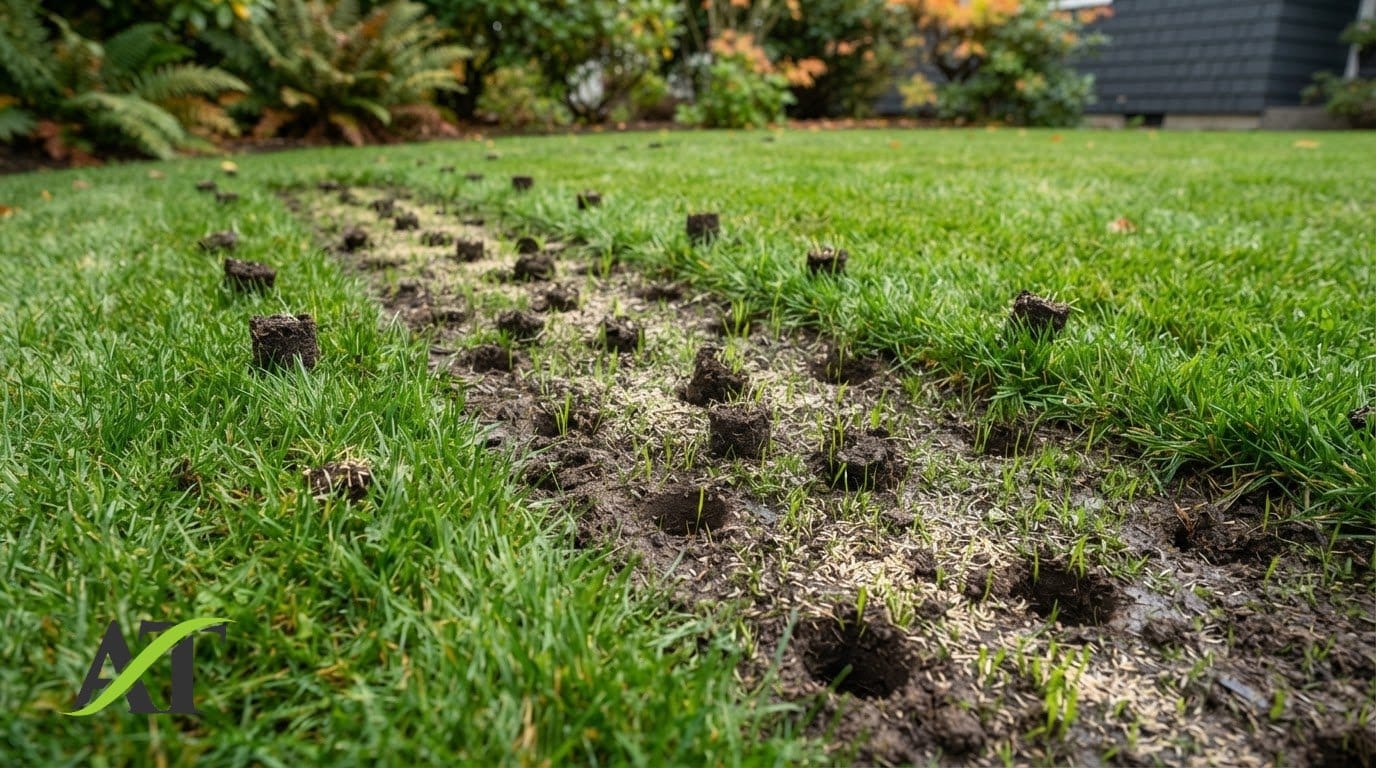
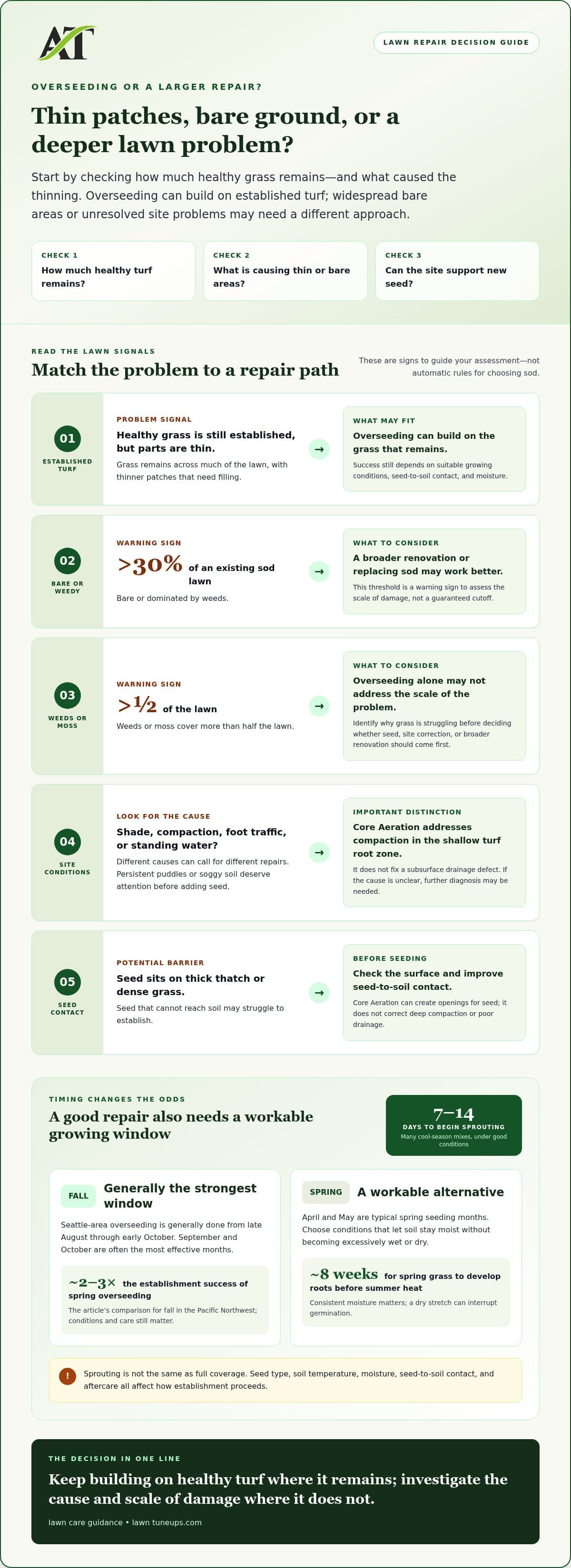
- Improve seed-to-soil contact. Rake away loose debris and expose soil before seeding. Core Aeration can also create openings for seed. Seed resting on thick thatch or dense grass may struggle to reach soil. Keep the surface consistently moist during germination.
- Use spring’s workable window. Seattle spring seeding typically takes place in April and May. Choose a period when soil can stay moist without becoming excessively wet or dry. A warm afternoon alone doesn’t show whether soil conditions suit seeding.
- Follow applicable watering rules. Requirements can vary by location and current conditions, so follow the rules that apply to your address. Seed selection and sod installation don’t by themselves determine when watering is allowed.
- Plan aftercare and mowing. Newly seeded areas may need light watering 2-3 times a day to keep the surface moist. Wait until new grass reaches about three inches before mowing, then remove no more than one-third of its height. The Seattle lawn aftercare guide covers care after seeding.
After heavy rain, check whether seed has washed into piles or left bare soil exposed. Gently redistribute displaced seed and restore contact with the soil. Patchy sprouting can reflect uneven moisture or seed placement, rather than a problem with the entire lawn.
Signs that overseeding may not be enough
- Estimate how much healthy turf remains. If weeds or moss cover more than half the lawn, overseeding alone may not address the scale of the problem. On an existing sod lawn, when more than 30% is bare or dominated by weeds, full renovation or replacing sod may work better. These are separate warning signs, not interchangeable thresholds. Consider whether grass still covers enough ground to build on.
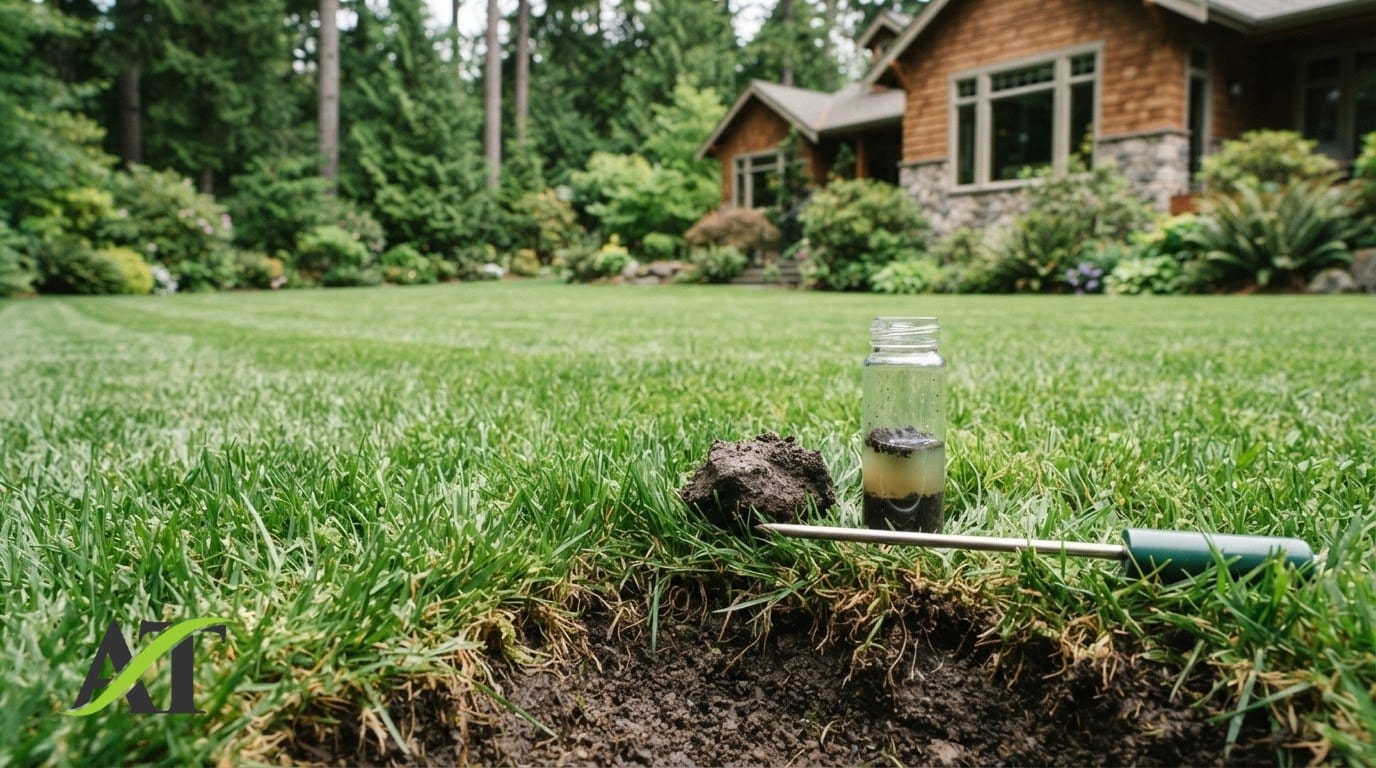
- Identify why the grass thinned. Check whether bare areas follow shade, compacted soil, heavy foot traffic, or standing water. Each points to a different cause. Core Aeration addresses compaction in the shallow turf root zone, but it cannot correct a subsurface drainage defect. Persistent puddles or soggy soil call for further diagnosis before adding seed.
- Look closely at thatch and moss. A thick thatch layer can keep grass seed from reaching soil, while moss can point to conditions grass struggles to tolerate. Raking the surface won’t solve deep compaction or poor drainage. Inspect the lawn first, then decide whether seed, site correction, or broader renovation should come first.
- Consider timing and aftercare. Summer heat and inconsistent watering can make seed establishment harder. A fall window gives cool-season grasses time to establish before winter, but success still depends on suitable conditions and care. The overseeding-versus-sod decision in Seattle should account for whether you can support seed establishment, not just how quickly you want coverage.
- Match the repair to the damage. Overseeding can help where established fescue or tall fescue remains and thin patches need filling. Extensive bare ground may call for a larger renovation approach. If you can’t distinguish compaction from drainage or shade, describe your lawn’s problem to get practical guidance. That assessment can help clarify whether overseeding vs. sod is the better fit for your Seattle lawn.
Best seasons for overseeding in Seattle
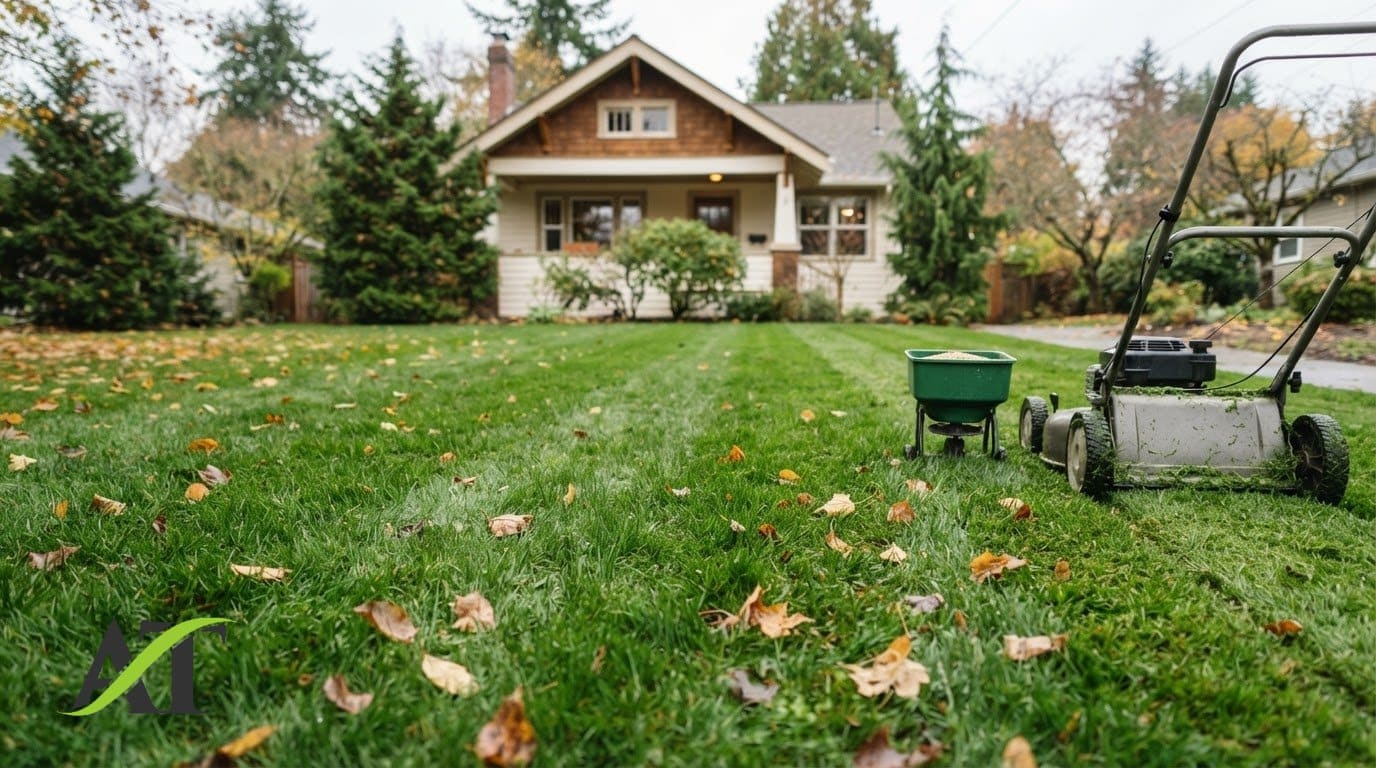
- Target early fall for the strongest window. Seattle-area lawns are generally overseeded from late August through early October, with September and October often the most effective months. Cooler conditions and seasonal moisture can support germination, while young grass has time to establish before winter. Fall overseeding in the Pacific Northwest produces roughly 2-3 times the establishment success of spring overseeding.
- Use soil temperatures, not the calendar alone. Soil temperatures help determine whether grass seed can germinate. For general temperature guidance, target approximately 55–80°F. For Aerating Thatching Co.’s Premium 60/40 Sun & Shade Mix, the preferred practical window is approximately 55–80°F . That is a service preference, not a strict cutoff or a guarantee; moisture, soil conditions, seed contact, and aftercare also matter.
- Prepare the lawn before seeding. Remove barriers that keep seed from reaching soil. Core Aeration can help where compaction limits seed-to-soil contact in the shallow turf root zone. It won’t correct a drainage defect, so address persistent standing water before treating aeration as the solution.
- Choose spring when fall has passed. April and May are typical spring seeding months in the Pacific Northwest. Spring grass has about 8 weeks to develop roots before summer heat. Plan for consistent moisture, since a dry stretch can interrupt germination and leave young grass vulnerable to drought.
- Weigh the tradeoff before spring seeding. Perennial ryegrass can germinate quickly, but quick sprouting doesn’t remove the need for moisture or good soil contact. Spring Overseeding can suit a lawn that needs repair now; fall remains the stronger typical window when timing is flexible.
- Make timing fit the lawn’s condition. If the lawn is compacted, aeration before seeding may improve contact. For seasonal planning around Seattle lawn work, the Seattle lawn-care calendar can help you coordinate the work with the season.
When is the best time to install sod in Seattle?
- Plan around establishment, not just appearance. Sod gives a lawn immediate coverage, but its roots still need to connect with the prepared soil. In Seattle, schedule installation when the ground can be prepared and kept evenly moist. Avoid treating a green surface as proof that the sod is established.
- Use the frost date as a seasonal marker. Seattle’s first frost typically arrives around mid-November. That makes earlier fall a practical period to consider, leaving time for roots to settle before colder weather. The exact schedule depends on site conditions, soil moisture, and how much preparation the ground needs.
- Prepare the ground before delivery. Remove existing dead material and address uneven areas before laying sod. Check for persistent puddles, compacted soil, and shade that may limit turf growth. Sod covers the surface, but it won’t correct an underlying drainage problem or make a poorly suited site fit every grass type.
- Protect the new sod from drying out. Make sure the soil beneath the sod and the sod itself receive consistent moisture during establishment. Rainfall can change watering needs, so judge conditions at the soil rather than relying only on the weather. Avoid heavy use while roots are connecting.
- Compare the repair area with the rest of the lawn. For a small bare patch surrounded by healthy grass, overseeding may repair the existing turf without replacing the whole surface. For broad bare areas, sod offers immediate cover, while the soil preparation and aftercare still require planning. Established grass installation contractors like Lincoln Projects (Pty) emphasize proper site assessment and ground prep before laying new lawn. Match the method to the scale and cause of damage.
- Set your priority before choosing. Choose sod when immediate visual coverage matters and you can prepare and care for the new surface. Choose seed when you can wait for growth and maintain the conditions it needs. If the cause of lawn damage is unclear, resolve that before covering it with either method.
Aerating Thatching: Lawn Tune Up
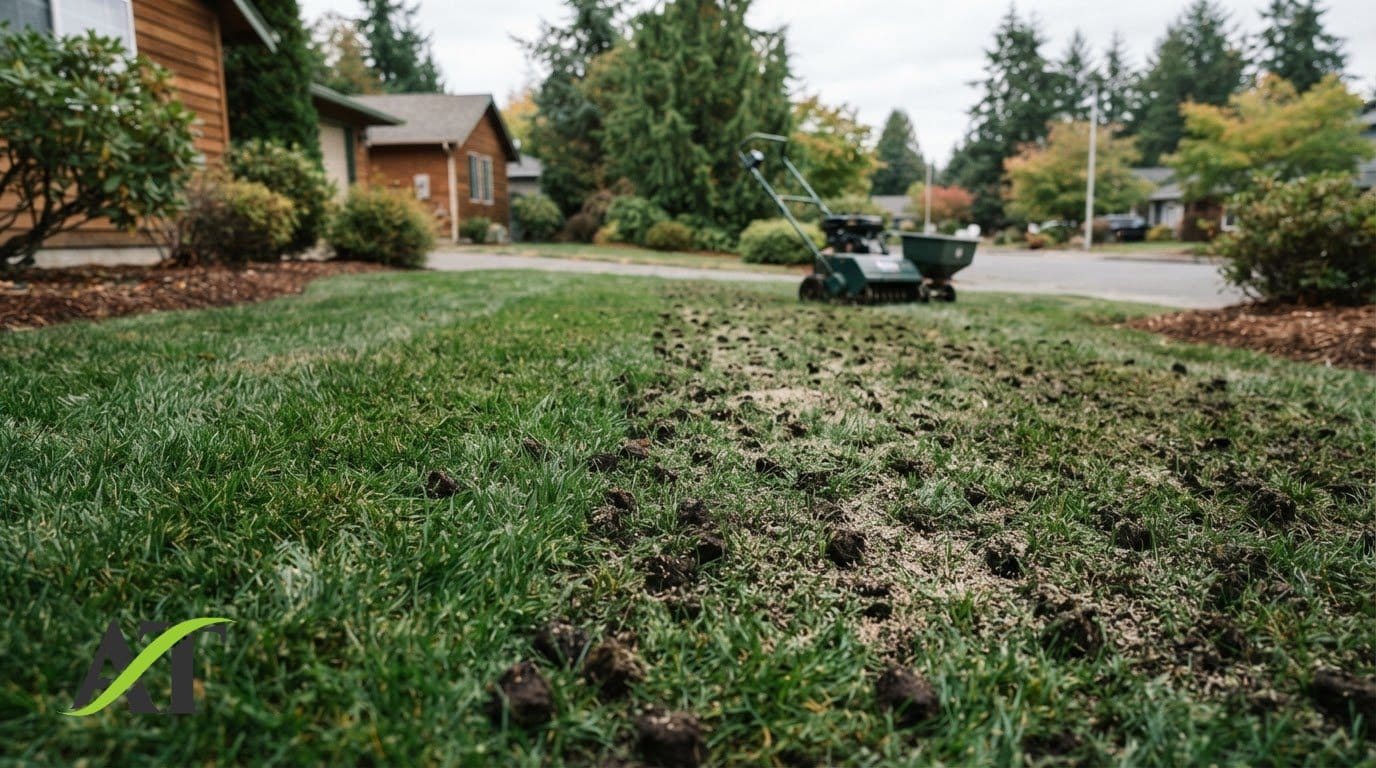
Aerating Thatching Co.’s Lawn Tune-Up can help when established grass remains but the lawn needs greater density. It combines Core Aeration, Overseeding, and Fertilizing to support seed contact and new growth. The treatment addresses thin turf where conditions can support new grass.
Consider overseeding when patches can benefit from seed and the lawn is suitable for new growth. Core Aeration relieves soil compaction, while Premium Overseeding adds seed and Starter Fertilizer supports establishment. Aeration can improve soil conditions for overseeding, but drainage or moss problems may need separate attention. The Lawn Tune-Up details explain what the package includes.
Choose the repair that fits your lawn’s next season. The right choice starts with the condition you want to change, not the fastest-looking fix. Before choosing between overseeding and sod in Seattle, note where grass is thin, what’s still growing, and whether the same patches keep failing. Those details help separate a surface repair from a problem that needs further diagnosis.
Where healthy turf remains, Aerating Thatching Co.’s Lawn Tune-Up combines Core Aeration, Overseeding, and fertilizing. It can suit a lawn that needs support for new grass rather than a complete surface replacement. If the ground stays soggy or shade prevents grass from taking hold, identify that obstacle first; adding seed won’t remove it. A clear plan helps you choose work that matches the lawn instead of treating every thin area the same way.
Bring your observations and priorities to the conversation, whether you’re planning seasonal repair or weighing a larger change. A practical next step can make the decision feel more manageable, and your lawn’s specific condition can guide the work.
Start with what your lawn needs, then choose the approach that fits.
Frequently Asked Questions
How long does it take to see results?
Overseeding can show visible thickening after 4-6 weeks, while a denser, more uniform lawn may take until the second season. Sod changes the surface appearance immediately, but the visible green cover doesn’t show whether roots have established. Look for steady new growth in seeded areas and firmly rooted turf in newly laid areas when assessing progress.
How much seed should I apply per square foot?
For fall overseeding on an established lawn, a typical rate is 4-6 pounds per 1,000 square feet, or 0.004-0.006 pounds per square foot. That rate differs from renovation seeding on bare ground. Measure the lawn area and use the seed label’s guidance for the specific mix and job, rather than applying a renovation rate to every thin patch.
Should You Overseed a Sod Lawn?
Usually, wait before overseeding newly installed sod. New sod generally doesn’t need extra seed during its first year, and guidance commonly suggests waiting 12-18 months after installation. Before adding seed, check that the turf has rooted and identify why any thin spots remain. For example, shade or poor moisture management can leave gaps even after fresh sod establishes.
What grass seed actually works in the Pacific Northwest?
Cool-season grasses are a practical fit for Pacific Northwest lawns. Perennial ryegrass, tall fescue, and fine fescue are options to consider, with the choice guided by the site’s light and water conditions. A sun-and-shade blend may suit a lawn with varied exposure. Match the seed mix to the area being repaired instead of assuming one blend fits every part of the yard.
When exactly does the overseed window open?
Across most Greater Seattle communities, the fall overseeding window typically opens around August 20-25 and closes around October 20-25. Higher-elevation lawns may enter the window a week or two earlier than lower-elevation lakefront lawns. Use these dates to plan, then account for the actual lawn’s soil conditions and whether you can maintain the moisture new seed needs.
When to Renovate?
Consider renovation when healthy grass is too sparse to fill the gaps, or the same areas keep failing after seeding. First identify the cause. For example, repeated soggy patches may point to a drainage issue, while dense shade can limit grass growth. Correct the underlying condition where possible before choosing a broader repair, so the new lawn has a better chance to establish.
Article by
Stewart Armour
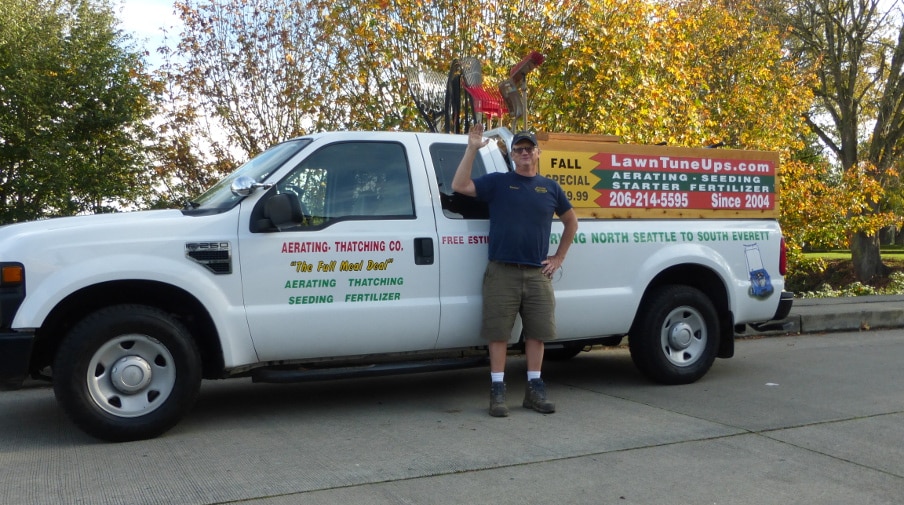
Stewart Armour is the owner of Aerating Thatching Co., an owner-operated Seattle-area lawn restoration business established in 2004. He helps homeowners understand Core Aeration, Power Raking (Dethatching), Overseeding, soil conditions, and the aftercare needed for stronger lawns. His background includes turf management study, advanced golf course turf training, and continuing education through Wilbur-Ellis University, State Turf Facilities, Soil First Academy, and Golf Course Applied Turf Physiology. Stewart has personally evaluated thousands of residential lawns throughout the Seattle area and focuses on recommending the work that fits each lawn’s condition.