The fertilizer that greens your lawn fastest may not be the one it needs. Comparing organic and synthetic options makes sense when you’re weighing lawn health, soil condition, and potential effects beyond your yard. But the organic vs synthetic fertilizer decision isn’t a simple choice between “safe” and “harmful.” Both types can supply nutrients. The right fit depends on the product, its directions, and your lawn’s needs.
For a Seattle-area lawn, start with the problem you’re trying to solve, not the label on the bag. Fertilizer can address nutrient needs, but it won’t correct shade, thatch, compaction, irrigation issues, or poor drainage. This guide explains how the two types differ, how to compare labels and soil information, and when fertilizing may be one part of lawn restoration rather than the whole solution.
Key Takeaways
- Compare organic vs synthetic fertilizer by its source, formulation, nutrient analysis, and directions, not by assuming one type is always better.
- Before choosing a fertilizer, identify what may be affecting the lawn and use reliable soil information to help assess nutrient needs.
- Fertilizer can address nutrient needs, but it won’t solve shade, thatch, compaction, irrigation, or drainage problems on its own.
- A Lawn Tune-Up combines Core Aeration, Overseeding, and Fertilizing. The fertilizer is starter fertilizer or the fertilizer specified for that service.
Organic vs. Synthetic Fertilizer: What Is the Difference for Lawns?
Organic fertilizer supplies nutrients from carbon-based materials, often plant or animal sources. Synthetic fertilizer supplies nutrients in manufactured formulations. This describes a product’s source and formulation, not a guarantee of how it will perform. Both types can provide nutrients grass needs. To compare them, look at the product’s nutrient analysis and directions, then consider whether those nutrients suit your lawn. Fertilizer offers a general overview of these categories.
What does the label tell you about a fertilizer?
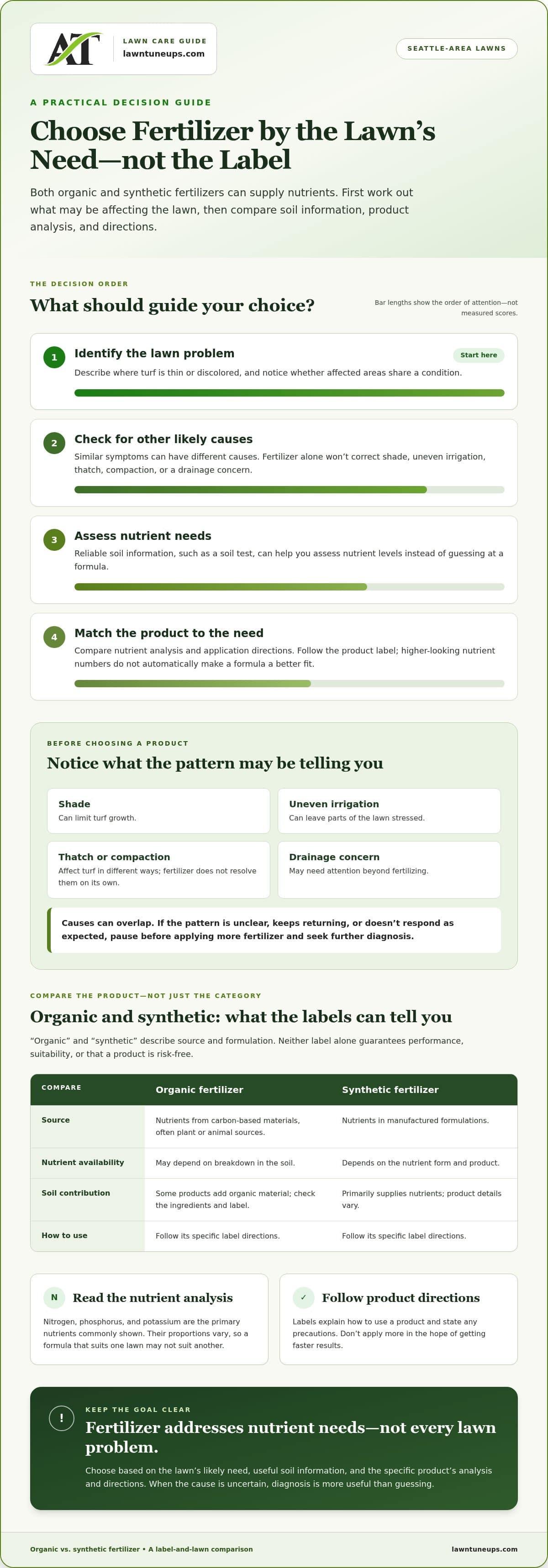
Start with the nutrient analysis and application directions. Fertilizer labels identify nutrient content and explain how to use the product, including any stated precautions. Nitrogen, phosphorus, and potassium are the primary nutrients commonly shown in fertilizer analysis. Their proportions vary, so a formula that suits one lawn may not suit another.
Compare the listed nutrients with reliable soil information where available. Also check whether the product’s directions fit your intended use. Don’t choose a formula just because its nutrient numbers look higher, or apply more in the hope of getting faster results. Follow the label.
Why fertilizer is only one part of lawn health
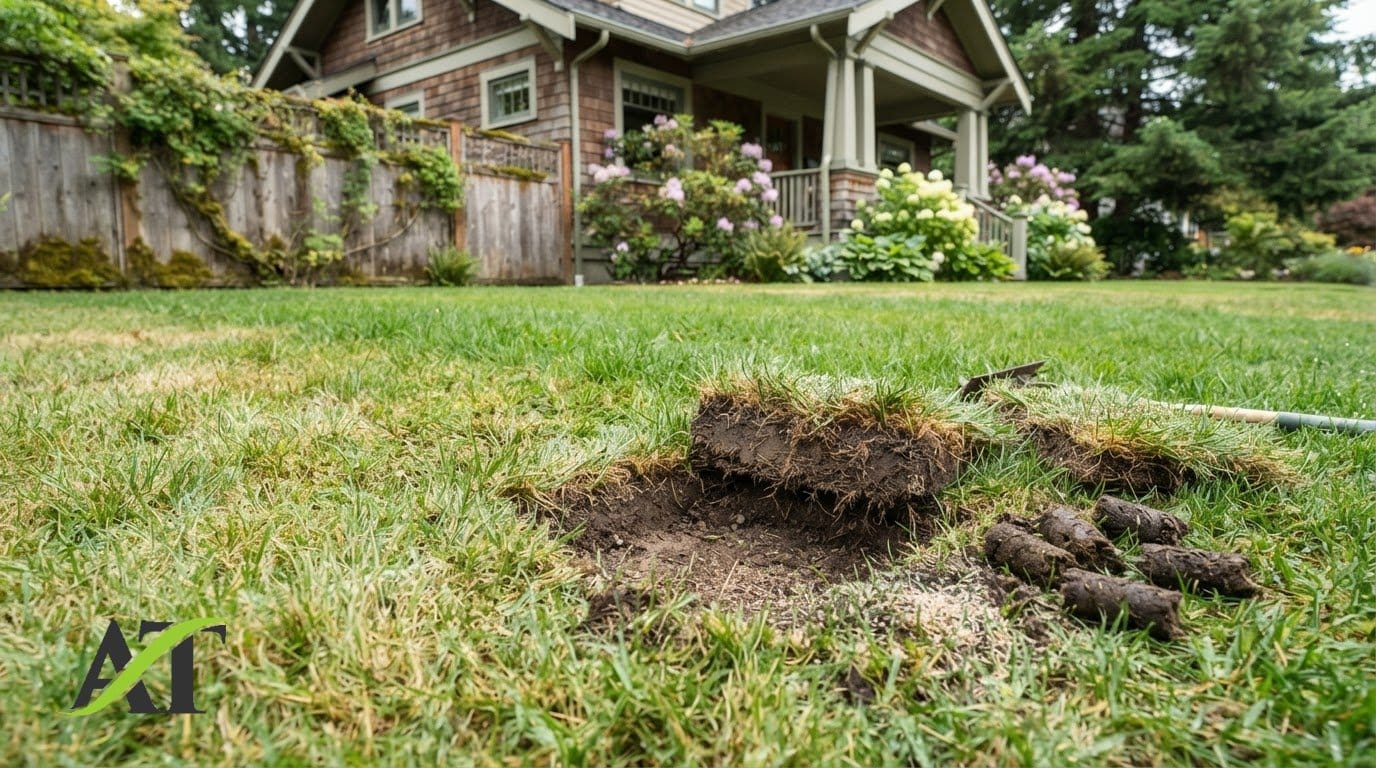
Thin or discolored turf doesn’t point to one cause. Nutrient shortage is one possibility, but shade can limit growth, uneven irrigation can leave areas stressed, and thatch or compaction can affect turf in different ways. Drainage concerns may also need attention beyond fertilizing. These problems can produce overlapping symptoms, so note where and how the lawn is struggling before choosing a treatment. Professional landscape maintenance specialists like EcoShine Kft. similarly emphasize evaluating overall site conditions and soil structure rather than relying on fertilizer alone to resolve underlying yard issues.
A before-and-after look at Seattle lawn renovation work can help illustrate how treatments vary with lawn conditions. If the cause remains unclear, further diagnosis is more useful than applying fertilizer by guesswork.
How Organic and Synthetic Fertilizers Differ in Lawn Use
The organic vs synthetic fertilizer choice is about more than where nutrients come from. Products differ in nutrient form, release pattern, and directions for use. Organic materials may need soil organisms to break them down, while manufactured products can contain nutrients in forms available to plants. These are broad tendencies, not guarantees. Formulation, soil conditions, and application all affect performance.
Use the label and soil information to compare specific products. Neither category alone tells you how quickly a product will supply nutrients or whether it fits your lawn.
| Factor | Organic fertilizer | Synthetic fertilizer |
|---|---|---|
| Source | Derived from carbon-based materials | Manufactured nutrient formulation |
| Nutrient availability | Can depend on breakdown in the soil | Depends on the nutrient form and product |
| Soil contribution | Some products add organic material; check the label | Primarily supplies nutrients; product details vary |
| How to use | Follow its specific label directions | Follow its specific label directions |
What organic fertilizer may offer, and what it cannot promise
Some organic fertilizers add organic material along with nutrients, but the ingredients and amounts vary by product. The word “organic” alone doesn’t show how much material a product adds or prove that it will improve soil structure or suit every lawn. Check the nutrient analysis and ingredients, and treat broad soil-building claims as product-specific. The EPA’s overview of organic farming and synthetic fertilizers explains how organic farming standards address inputs.
When synthetic fertilizer may fit a lawn plan
A synthetic fertilizer can be a practical nutrient source when its analysis matches the lawn’s needs. It isn’t inherently harmful, just as an organic label doesn’t make a product risk-free. Use soil information where it helps guide your choice, then follow the product directions rather than guessing at an application. If you’re unsure what your lawn needs, send a request about your lawn.
How Seattle-Area Homeowners Can Choose a Fertilizer
Let the lawn’s diagnosed need guide fertilizer choice, not the label that sounds best. In North Seattle and nearby communities, symptoms can suggest questions to investigate, but they don’t confirm a nutrient problem. Note where turf is thin or discolored, whether the pattern follows shade or foot traffic, and whether the affected area changes after watering. Then assess nutrient needs using reliable soil information where it can help.
Start with the lawn problem, not the fertilizer aisle
Use this sequence before choosing a product:
- Describe the symptoms. Note whether discoloration or thinning affects the whole lawn, isolated patches, or areas with a shared condition.
- Check likely causes. Shade can limit growth. Uneven irrigation can stress turf. Thatch and compaction affect the lawn in different ways, while drainage concerns may need further investigation.
- Assess nutrient needs. A soil test can provide useful information about nutrient levels. Use its findings and the product label rather than guessing at a fertilizer formula.
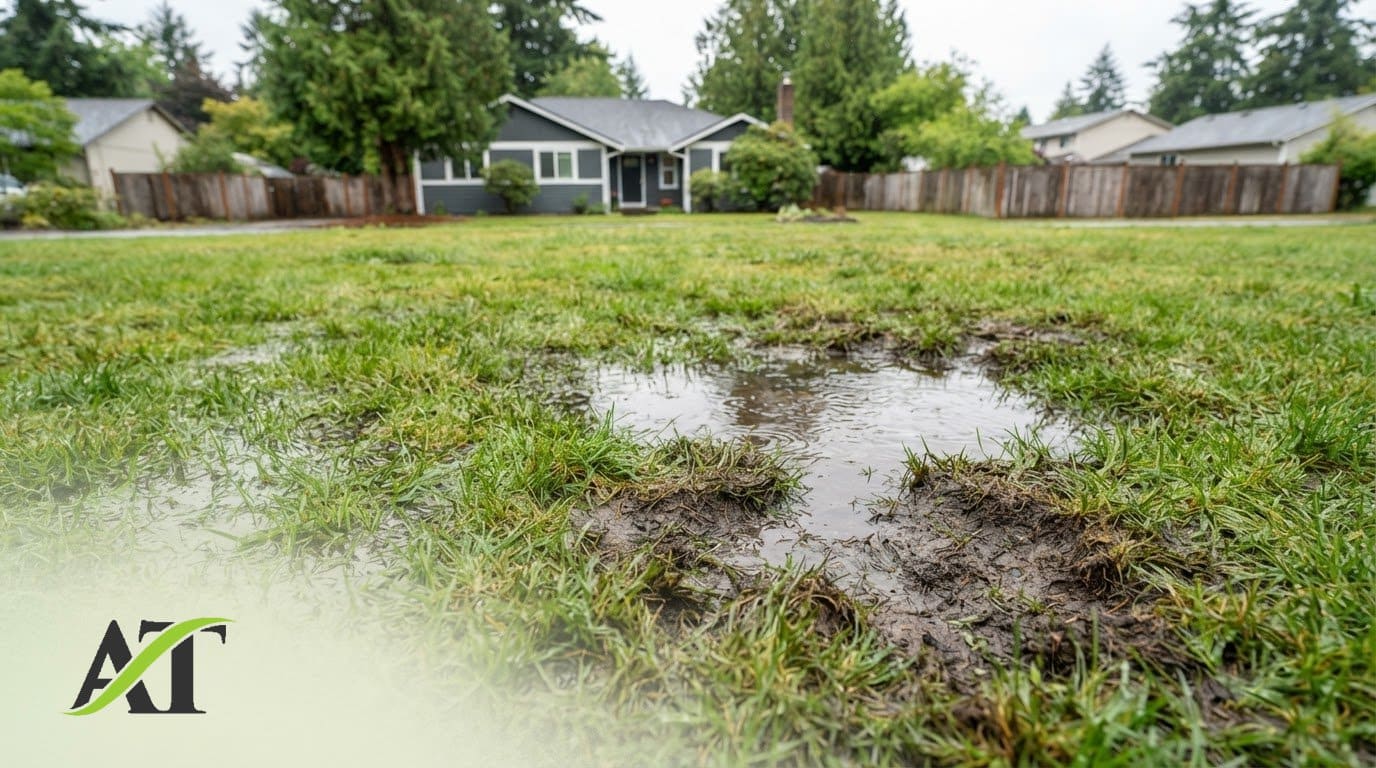
Causes can overlap. If the pattern doesn’t make sense, keeps returning, or doesn’t respond as expected, pause before applying more fertilizer and seek further diagnosis. Fertilizer won’t correct insufficient light, uneven watering, thatch, compaction, or a drainage defect.
Keep local guidance practical
Lawns vary from yard to yard, including in sun exposure, use, and condition. Don’t assume that a fertilizer choice that suits one property will suit another. Aerating Thatching Co. serves homeowners in North Seattle, Shoreline, Edmonds, Lynnwood, Mill Creek, Bothell, Kenmore, Lake Forest Park, Mountlake Terrace, Snohomish, Everett, Brier, Woodway, Green Lake, Ballard, and Greenwood. If the problem involves more than nutrients, broader restoration work may be relevant. Seattle lawn renovation examples show how treatments can vary with lawn conditions.
How Fertilizing Fits Into a Lawn Tune-Up
Choosing between organic and synthetic fertilizer is only one part of planning lawn work. If your lawn also needs new grass or has compaction in the shallow turf root zone, fertilizer by itself may not address the whole problem. Start with the condition you’re trying to improve, then decide whether fertilizing belongs alongside other work.
When a broader restoration approach may make sense
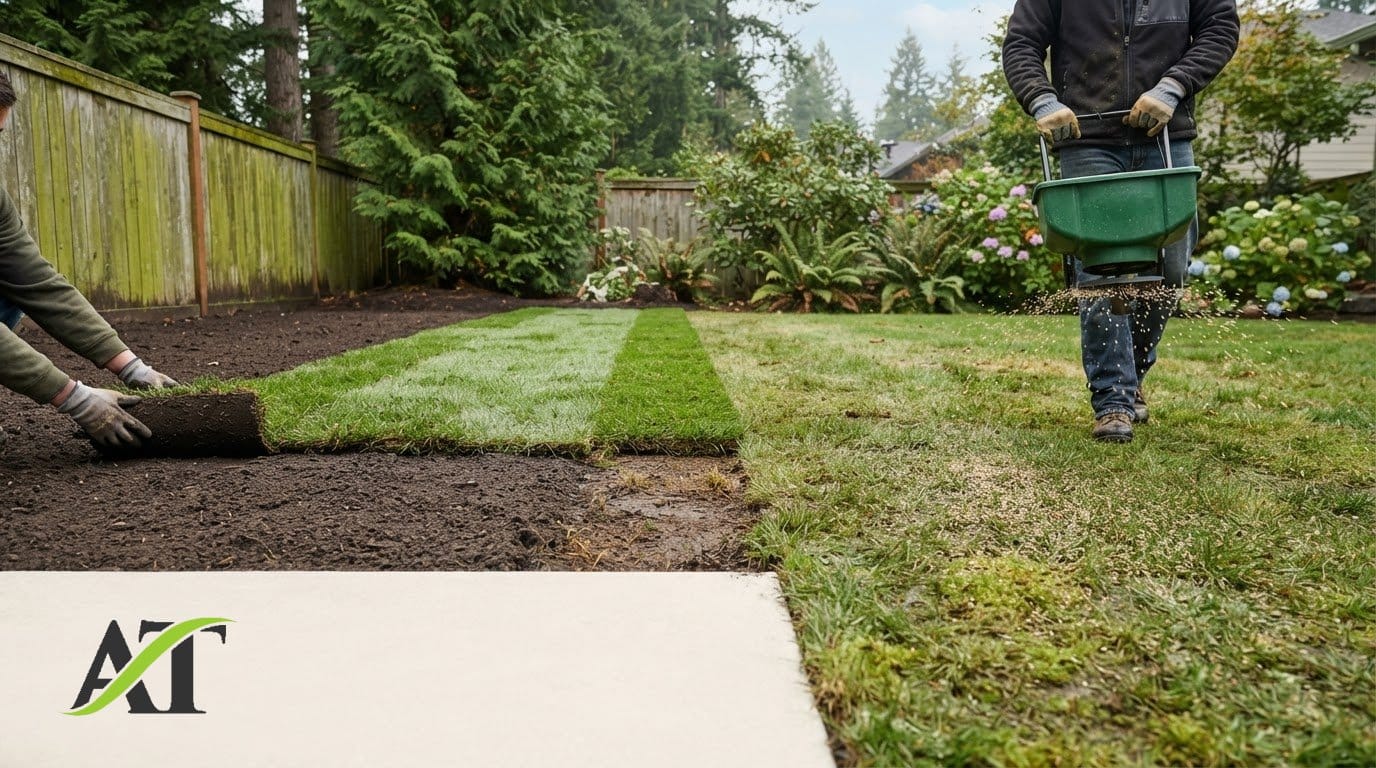
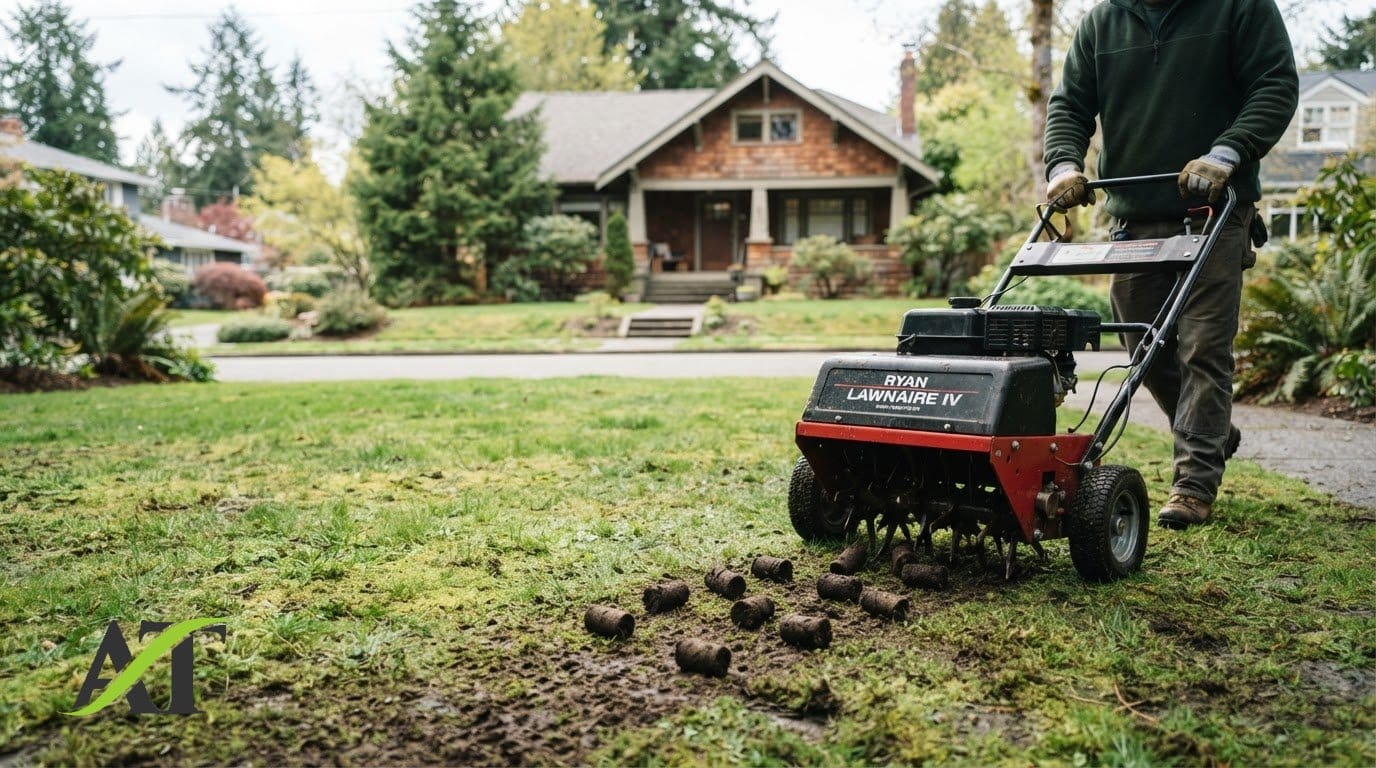
A Lawn Tune-Up consists of Core Aeration, Overseeding, and Fertilizing. The fertilizer is starter fertilizer or the fertilizer specified for that service. Core Aeration works in the shallow turf root zone. It doesn’t break deep glacial hardpan or fix a subsurface drainage defect.
Power Raking (Dethatching), lime, and soil amendments are separate from the Lawn Tune-Up and aren’t included components. The Full Meal Deal is a different service consisting of Power Raking (Dethatching), Core Aeration, Overseeding, and Fertilizing. Which approach makes sense depends on the lawn’s condition. For example, Overseeding can address a need for new grass, while fertilizer won’t correct persistent shade or a drainage problem.
Choose a next step based on the lawn’s actual condition
Keep the decision practical. If the lawn’s main need is nutrients, choose fertilizer based on reliable soil information and the product directions. If it needs new grass or has more than one issue, consider whether a broader combination of work fits. Don’t choose a larger service simply because it includes more treatments. Each component should address a real need. A clear description of the problem, where it appears, and what you’ve noticed can help guide the decision.
For help deciding which lawn-restoration work fits, use the request form linked below.
Choose a Lawn-Care Step That Fits
Your next step doesn’t have to be a broad treatment plan. Note what’s changing in the lawn, where it’s happening, and what you already know about the soil. That gives you a clearer basis for deciding whether fertilizer belongs in the solution or whether another issue needs attention first. The goal isn’t to pick a side in the organic vs synthetic fertilizer debate. It’s to make a sound choice for the lawn in front of you.
Aerating Thatching Co. is an owner-operated business serving North Seattle, North King County, and South Snohomish County. Its Lawn Tune-Up has a defined scope: Core Aeration, Overseeding, and Fertilizing. Whether those services fit depends on the lawn’s condition, not on choosing the biggest package by default.
A clear diagnosis can make lawn care feel more manageable. Take it one practical step at a time.
Frequently Asked Questions
Is organic fertilizer better than synthetic fertilizer for a lawn?
Neither organic nor synthetic fertilizer is automatically better for every lawn. The right choice depends on nutrient needs and the specific product’s analysis and directions. In an organic vs synthetic fertilizer decision, compare the label with reliable soil information instead of choosing by category alone. If a test doesn’t show a nutrient need, consider whether another lawn condition explains the symptoms.
Can synthetic fertilizer damage lawn soil?
Synthetic fertilizer doesn’t inevitably damage lawn soil. Its effects depend on the product, how it’s used, and whether the lawn needs those nutrients. Repeated applications won’t correct a shaded area or a drainage problem. Follow the product directions, and don’t use fertilizer as a substitute for finding out why the turf is struggling.
How do I know whether my lawn needs fertilizer?
Appearance alone can’t confirm that a lawn needs fertilizer. A pale strip beside a walkway, for example, may have a different cause than discoloration across the whole yard. Consider reliable soil information alongside patterns in sunlight and watering. Check for thatch or signs of compaction, too. If the cause remains unclear, further diagnosis can help prevent choosing a treatment based on a guess.
Does organic fertilizer improve soil health?
Some organic fertilizers may add organic material, but products vary in their ingredients and nutrient content. Check the label for what a specific product supplies rather than assuming the word “organic” guarantees a particular soil benefit. Even a product that contributes organic material won’t necessarily correct the lawn’s underlying problem. Choose based on the lawn’s needs, and treat broad soil-health claims as product-specific.
Is fertilizer enough to fix a thin lawn?
Fertilizer alone may not be enough if thin turf results from a cause other than nutrient need. Shade, irrigation, thatch, compaction, and drainage can all affect lawn density, and an unclear or persistent problem may need further diagnosis. A Lawn Tune-Up consists of Core Aeration, Overseeding, and Fertilizing. Whether that combination fits depends on the lawn’s condition, and no service can guarantee a particular result.
Article by
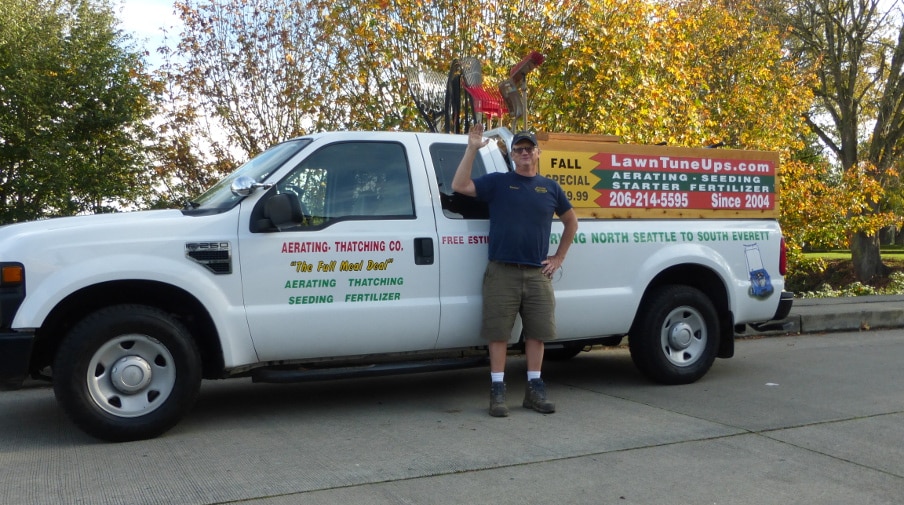
Stewart Armour
Stewart Armour is the owner of Aerating Thatching Co., an owner-operated Seattle-area lawn restoration business established in 2004. He helps homeowners understand Core Aeration, Power Raking (Dethatching), Overseeding, soil conditions, and the aftercare needed for stronger lawns. His background includes turf management study, advanced golf course turf training, and continuing education through Wilbur-Ellis University, State Turf Facilities, Soil First Academy, and Golf Course Applied Turf Physiology. Stewart has personally evaluated thousands of residential lawns throughout the Seattle area and focuses on recommending the work that fits each lawn’s condition.