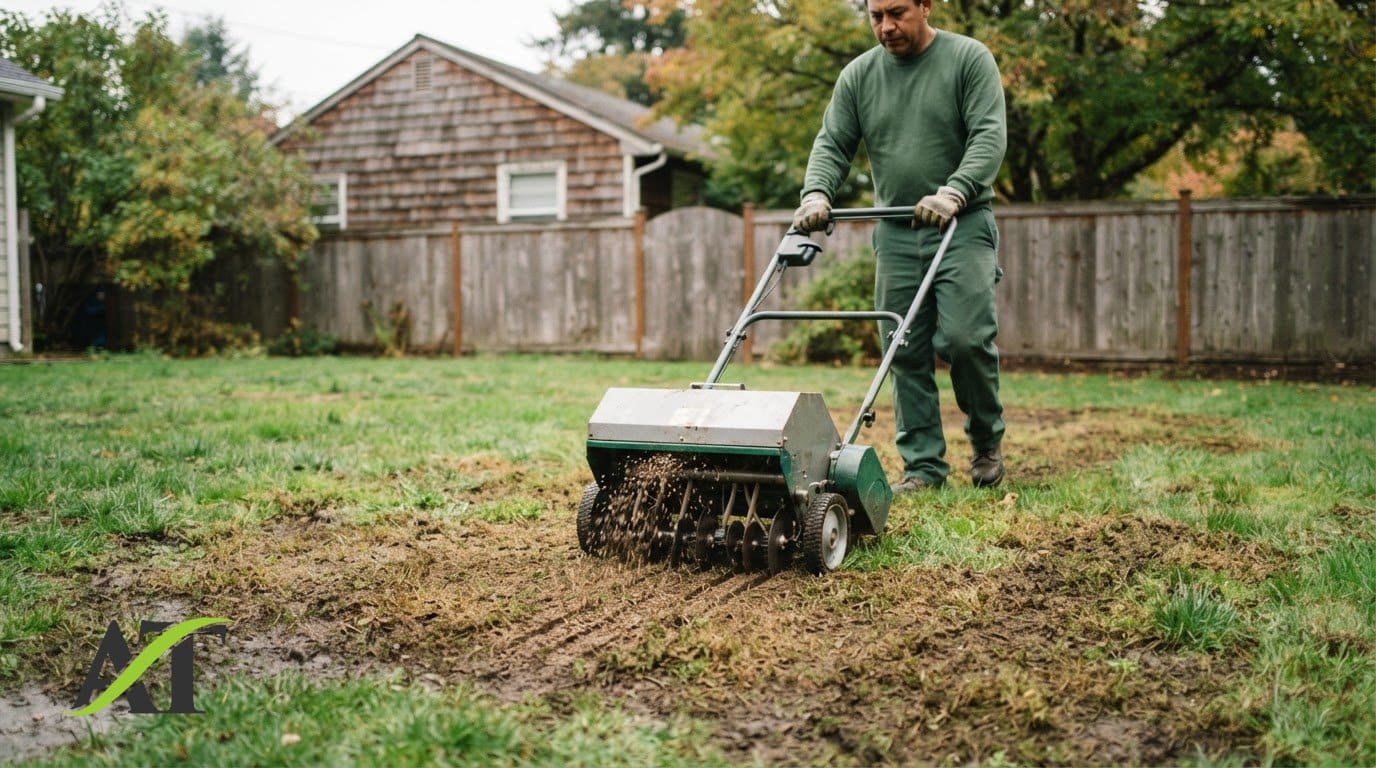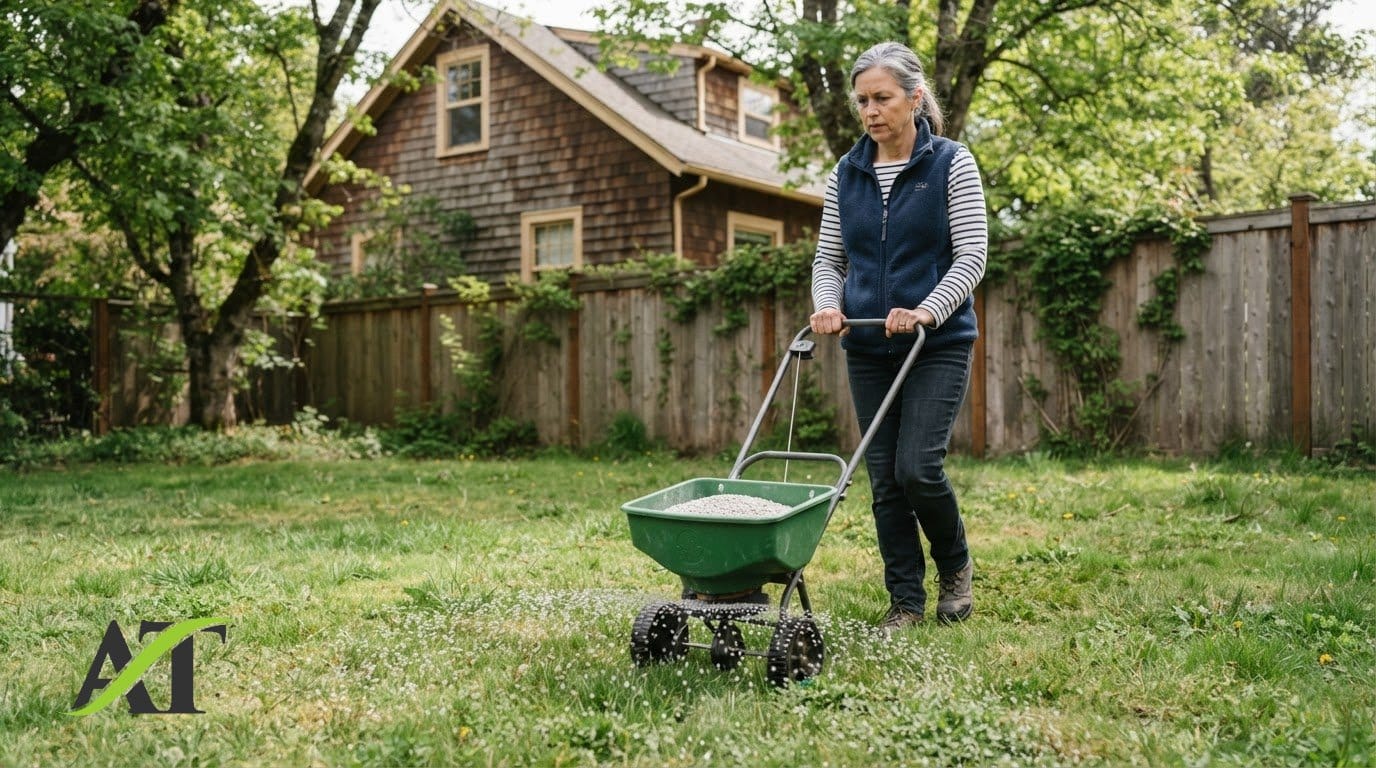
More lime isn’t always better. If you’re considering lime for your lawn, start with a soil test: too much lime can raise pH excessively and make some nutrients less available to turf.
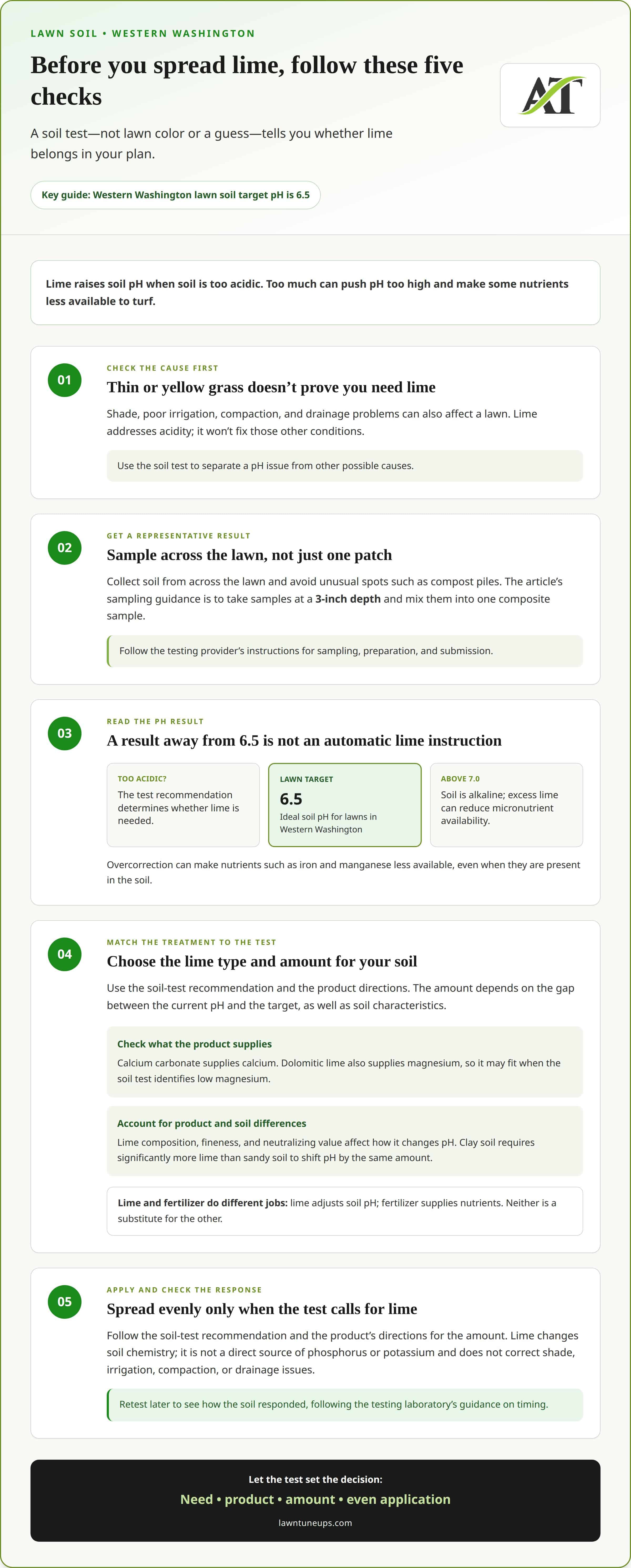
Lime can help correct overly acidic soil, but it isn’t a general lawn booster. In Western Washington, 6.5 is the ideal soil pH for lawns. A test result away from 6.5 is not an automatic instruction to add lime. The soil-test recommendation and the product directions set the amount, so guessing can do more harm than good.
This guide explains how lime works, what a suitable pH may mean for lawn health, and why excess lime can leave soil overly alkaline. It also covers how to decide whether lime belongs in your lawn plan.
Key Takeaways
- Test lawn soil before applying lime so the treatment matches its pH and avoids overcorrection.
- Lime raises pH when soil is too acidic; a result away from 6.5 alone is not a reason to add it.
- Lime’s composition affects how well it neutralizes acidity and can change nutrient availability.
- Thin or yellow grass can come from shade, compaction, irrigation or drainage, so diagnose before you treat.
Can you add too much lime and make soil too alkaline?
Yes. Too much lime can raise soil pH above the lawn’s useful range. Soil above pH 7.0 is alkaline. Overcorrection can reduce the availability of micronutrients, including iron and manganese, even when those nutrients are present. A soil test tells you whether lime is needed and how much the soil requires.
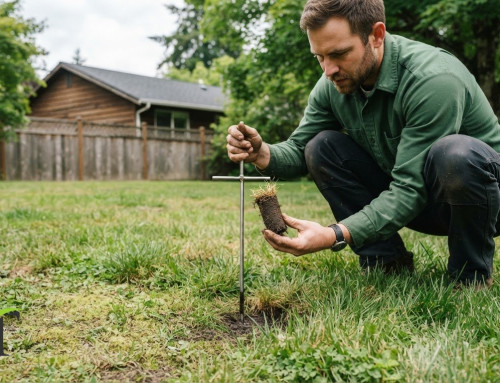
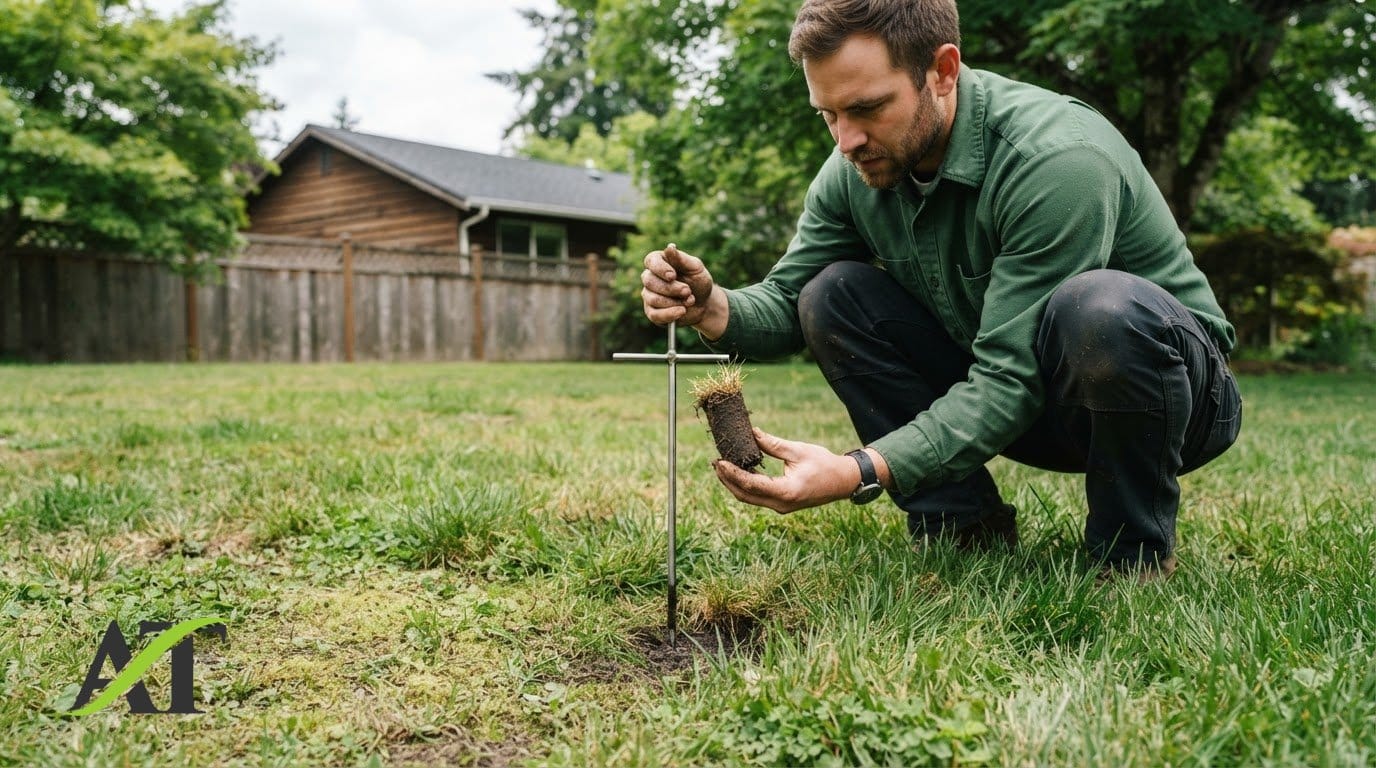
Start with a representative sample, not a scoop from one patch. Collect soil from across the lawn and avoid unusual areas such as compost piles. Take each sample at a 3-inch depth, then mix the soil into one composite sample. This gives a better picture of the active root zone than testing a single spot. Follow the testing laboratory’s instructions for preparing and submitting the sample.
Target pH depends on what is growing. Lawns have one target; garden plants can have different needs. A test that reports pH alongside nutrient levels, such as phosphorus and magnesium, helps separate acidity from a different nutrient issue. Lime treatment for acidic soil in Bothell should follow your own lawn’s test results.
Apply lime only when the soil test calls for it. The amount depends on the gap between current pH and the target, plus soil characteristics. Guessing from lawn color or spreading a standard amount everywhere can overcorrect some spots and leave others unchanged. After a lime application, retesting later can show how the soil responded; follow the laboratory’s guidance on timing.
When is the best time to apply lime in Bothell? Early fall, ahead of the wet season, is common advice for acidic soil, and spring works too. Choose a period when soil conditions allow an even application, and let the test result guide the amount rather than a fixed schedule.
Agricultural lime and neutralizing acidity
Agricultural lime raises acidic soil pH through carbonate compounds. Its effect depends on its composition, fineness, soil conditions and the test-based application rate. For more on its makeup, see this overview of agricultural lime composition and neutralizing effects.
How Lime Neutralizes Soil Acidity
Carbonate in lime reacts with excess hydrogen ions, reducing their effect on soil pH. As pH moves toward neutral, nutrient availability can change. That matters because acidity can affect how plants use nutrients already in the soil. Lime adjusts the soil’s chemistry; it isn’t a direct source of phosphorus or potassium. A soil test helps separate pH concerns from other nutrient issues.
Lime Types and Neutralizing Value
Agricultural lime may contain calcium carbonate or magnesium carbonate. Dolomitic lime supplies both calcium and magnesium, so its composition matters when soil is low in magnesium. Pure calcium carbonate has a calcium carbonate equivalent rating of 100%. Lime recommendations are based on a neutralizing value of 90%, so the product’s ability to neutralize acidity matters alongside the amount spread.
Fineness also affects how quickly lime reacts. In an 18-month study, lime passing 40- to 50-mesh screens raised soil pH higher than lime passing 8- to 20-mesh screens. That helps explain why products with different particle sizes may not change pH at the same pace. Soil texture matters too: clay soil requires significantly more lime than sandy soil to shift pH by the same amount.
Organic matter can influence how soil responds over time. Compost adds organic matter, but it does not replace lime when a soil test shows acidity needs correcting. Lime can take several months or a full season to react. Spread it evenly, following the test recommendation and the product’s neutralizing value for your soil type.
Lime’s potential benefits for lawns
When lawn soil is too acidic, correcting pH can improve conditions for turf growth. Lime helps by raising pH toward the target, but it won’t fix unrelated problems such as shade, poor irrigation, compaction or drainage. A soil test helps tell acidity apart from those other causes before you treat.
Lime and fertilizer do different jobs. Lime adjusts soil pH; fertilizer supplies nutrients such as nitrogen. More fertilizer won’t correct acidic soil, and lime is not a substitute for a nutrient plan. If a soil test shows both low pH and a nutrient need, address each separately. That keeps you from treating every thin or pale patch as a lime problem.
Dolomitic lime supplies magnesium as well as calcium. It may suit a lawn when a soil test identifies low magnesium, but it isn’t the right choice for every lawn. Let the test guide whether lime is needed and which type fits the soil.
Liming helps only when acidic soil is the problem. If pH is already suitable, adding lime won’t improve nutrient conditions. If acidity is limiting nutrient availability, correcting pH can help turf use nutrients already present, including those from organic fertilizer. Other growing conditions still matter, so pH correction is one part of a lawn plan, not a cure-all. For the full picture, see Penn State Extension’s guide to liming turfgrass.
Lime composition and how it affects soil acidity
What is the soil pH in Bothell, and is it typically acidic? Bothell lawns don’t share one soil pH. A soil test shows whether a particular lawn needs adjustment. A citywide assumption can lead to unnecessary lime or leave acidic soil untreated.
Are there local recommendations for liming? There isn’t one pH value that describes all soil in Bothell or Snohomish County. Base liming on the measured result and the testing provider’s guidance. Test first rather than applying lime by location alone. You can also read how to test lawn soil pH and check growth conditions.
Agricultural lime works through carbonate compounds, commonly calcium carbonate. These compounds neutralize acidity and can increase soil pH. The lawn target of 6.5 is slightly below neutral, so the aim isn’t to make lawn soil alkaline. The right change depends on the starting pH and soil characteristics.
Lime products differ in the minerals they supply. Calcium carbonate provides calcium, while dolomitic lime also provides magnesium. A soil test can show whether magnesium is low and separate that need from acidity correction. Match the product to the test rather than assuming every lawn needs added magnesium.
Changes in pH can affect nutrient availability. If soil becomes overly alkaline, nutrients such as iron and manganese may become less available to plants, even when they remain in the soil. Lime won’t supply nitrogen or solve problems caused by shade, irrigation or drainage. Use a soil test to decide whether pH needs correction, then match the lime product and application to the results.
Aerating Thatching Co.: Lime Treatment
Aerating Thatching Co. offers Lime Treatment (calcitic lime) as an add-on, along with Soil Amendments. It is not automatically included in any package. If your soil test shows acidic pH that needs correcting, Lime Treatment can be added to the work that suits your lawn.
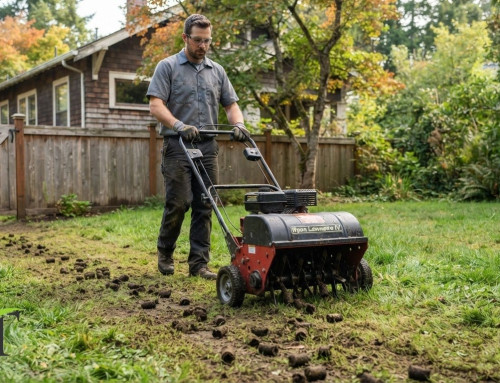
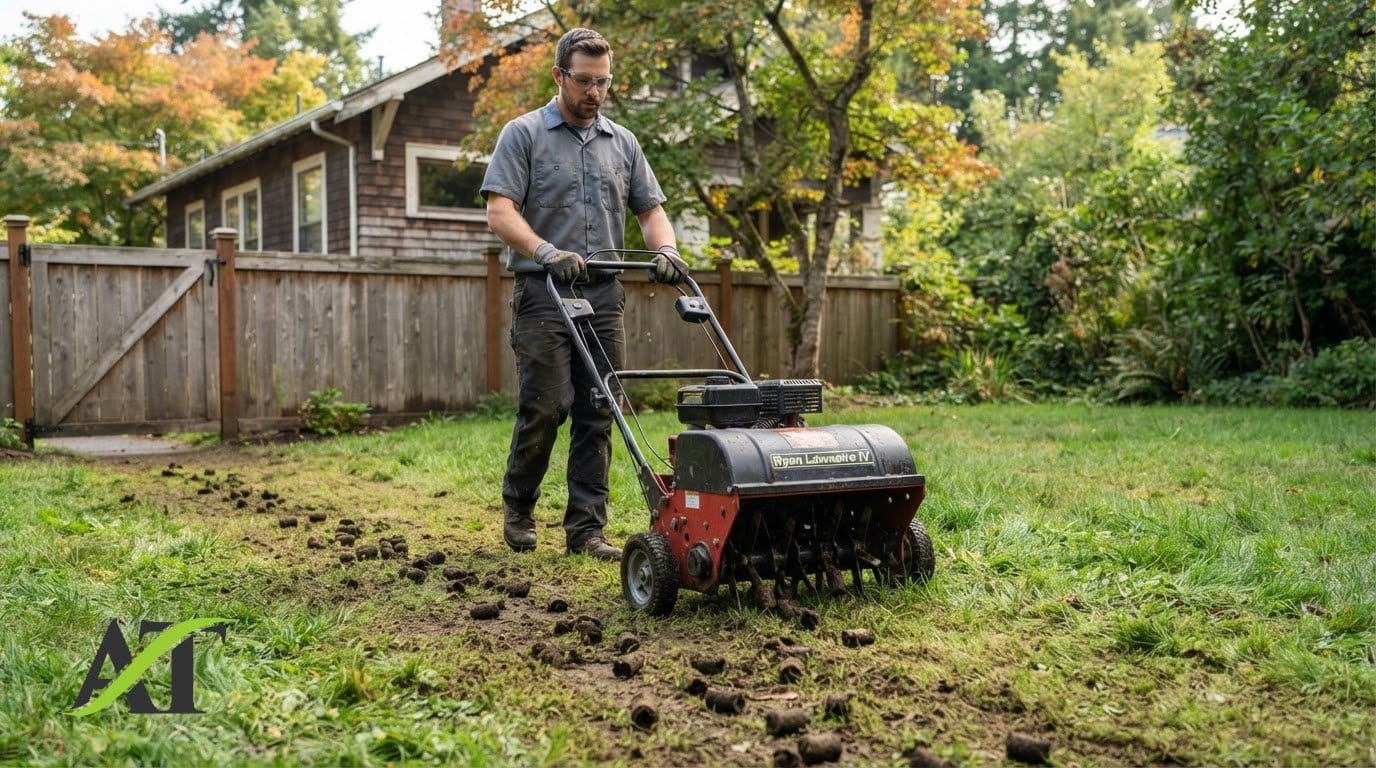
Match the service to the problem. Core Aeration addresses compaction in the shallow turf root zone; it doesn’t adjust soil pH or fix deeper drainage defects. A Lawn Tune-Up combines Core Aeration, Premium Overseeding and Starter Fertilizer, and Lime Treatment is not included unless added. After any service, proper watering, mowing and traffic management are required, so follow our lawn after-care guide.
If your test results and lawn symptoms leave you unsure, Ask Stewart About Your Lawn. Tell him your soil test result and where the lawn is thinning.
Frequently Asked Questions
What Are the Signs of Acidic Soil?
Acidic soil can contribute to weak, yellowing or sparse turf, but these signs alone don’t diagnose pH. Shade, compaction, irrigation and drainage issues can cause similar symptoms. Note whether the problem affects the whole lawn or isolated patches, then use a soil test to tell acidity from other causes before choosing a treatment.
What Influences Liming Frequency?
Liming frequency depends on the soil test trend, the lawn’s target, soil characteristics and earlier lime applications. Avoid a fixed calendar schedule. Compare a new test with previous results, and apply again only if the results support it.
What target soil pH is recommended for lawns, vegetables, and native plants in Bothell?
For lawns, 6.5 is the ideal soil pH in Western Washington. Vegetables and native plants need targets suited to their species. Identify the plants in the bed and follow recommendations for those species. In mixed plantings, one adjustment may not suit every plant.
How much lime should I apply per 1,000 square feet based on soil test results?
Follow the soil test’s recommended rate for the area being treated. Don’t calculate a rate from pH alone: soil texture and the lime product’s neutralizing value also affect the amount. Use the product label’s directions to interpret the recommendation rather than guessing.
What types of agricultural lime are available, and how do calcitic and dolomitic lime compare?
Choose calcitic or dolomitic lime based on the soil test, not an assumption that one works better for every lawn. Calcitic lime supplies calcium; dolomitic lime supplies calcium and magnesium. Check the label for neutralizing value and particle fineness, which affect performance.
How do I spread and incorporate lime into lawn or garden soil?
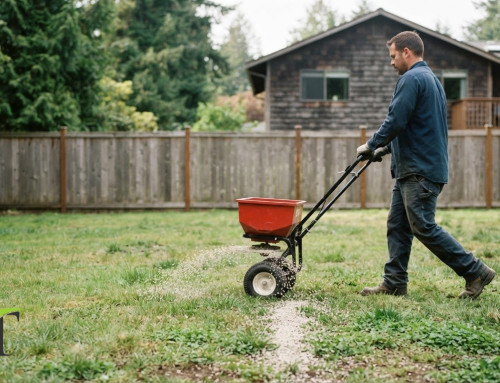
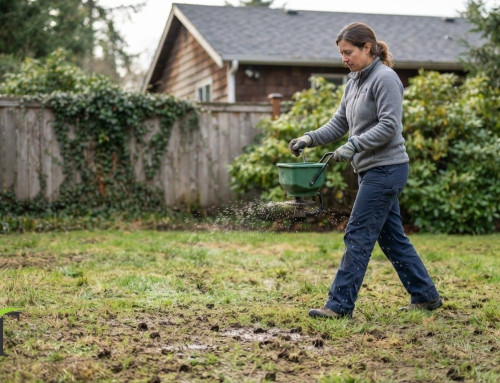
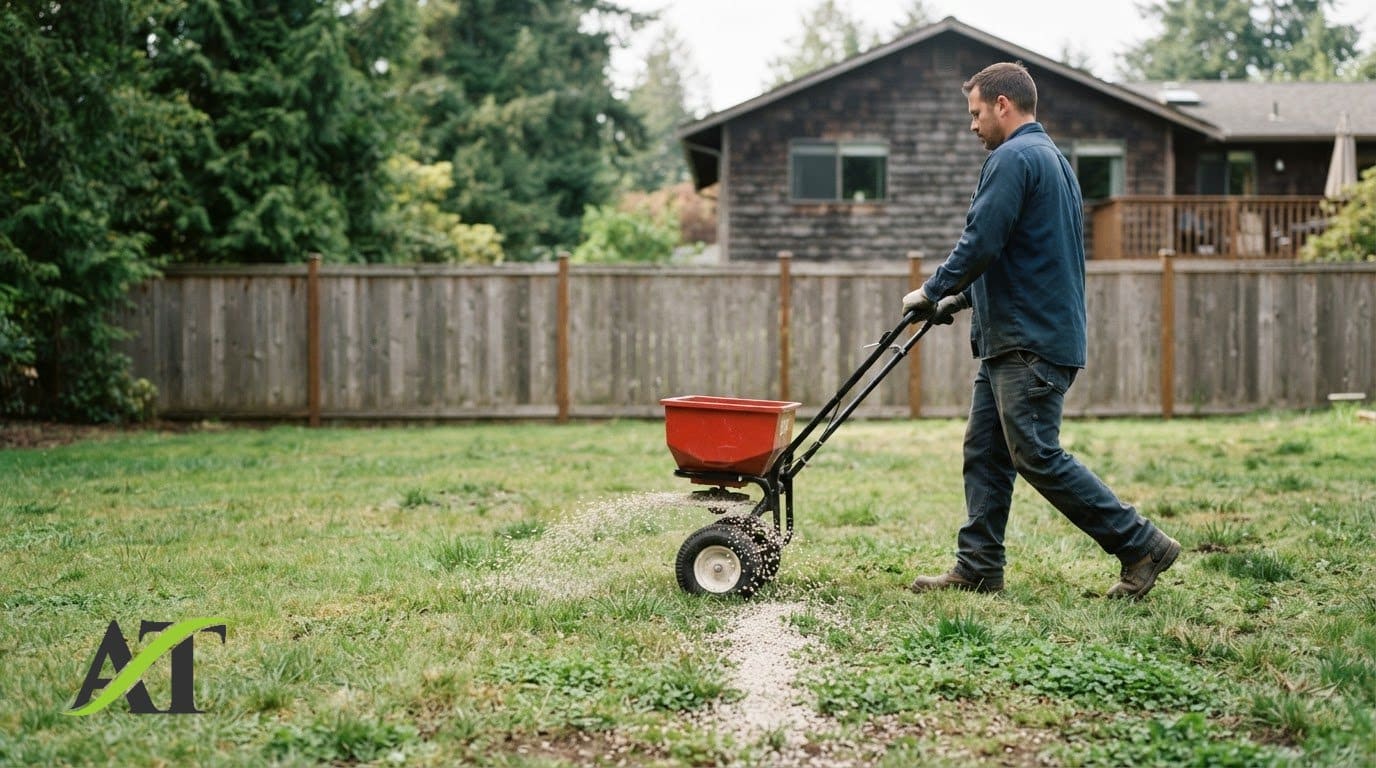
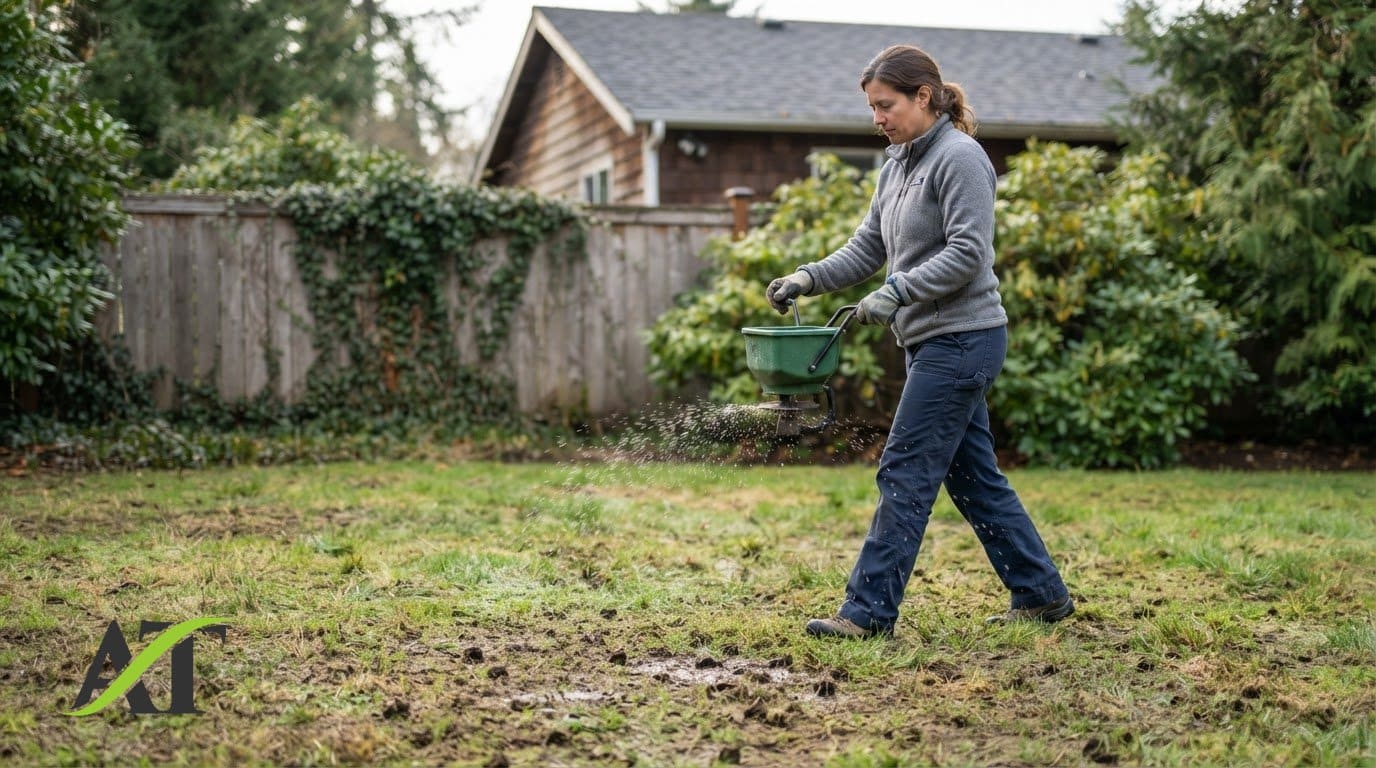
For an established lawn, use a broadcast or drop spreader to distribute the test-recommended amount evenly, then water thoroughly to help lime move into the soil. For garden beds, incorporate lime before planting when the test recommends it. Follow the product label’s handling and application directions.
Article by
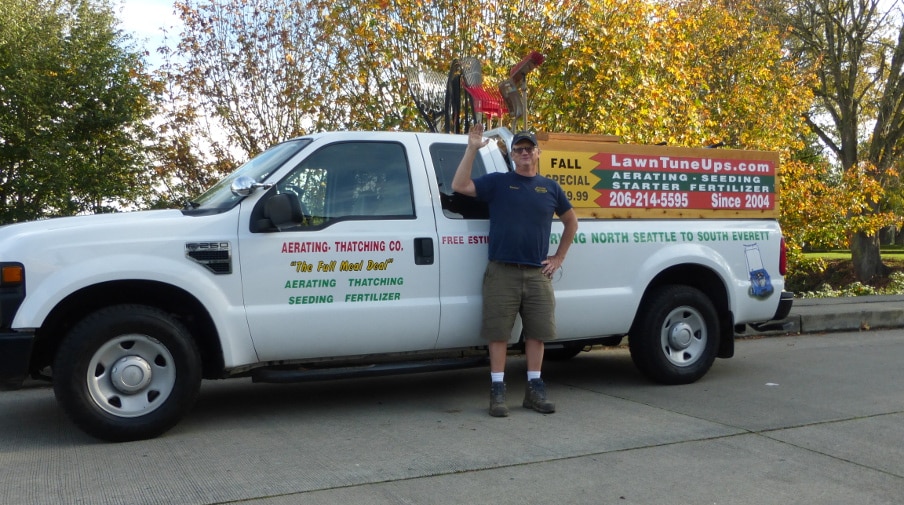
Stewart Armour
Stewart Armour is the owner of Aerating Thatching Co., an owner-operated Seattle-area lawn restoration business established in 2004. He helps homeowners understand Core Aeration, Power Raking (Dethatching), Overseeding, soil conditions, and the aftercare needed for stronger lawns. His background includes turf management study, advanced golf course turf training, and continuing education through Wilbur-Ellis University, State Turf Facilities, Soil First Academy, and Golf Course Applied Turf Physiology. Stewart has personally evaluated thousands of residential lawns throughout the Seattle area and focuses on recommending the work that fits each lawn’s condition.