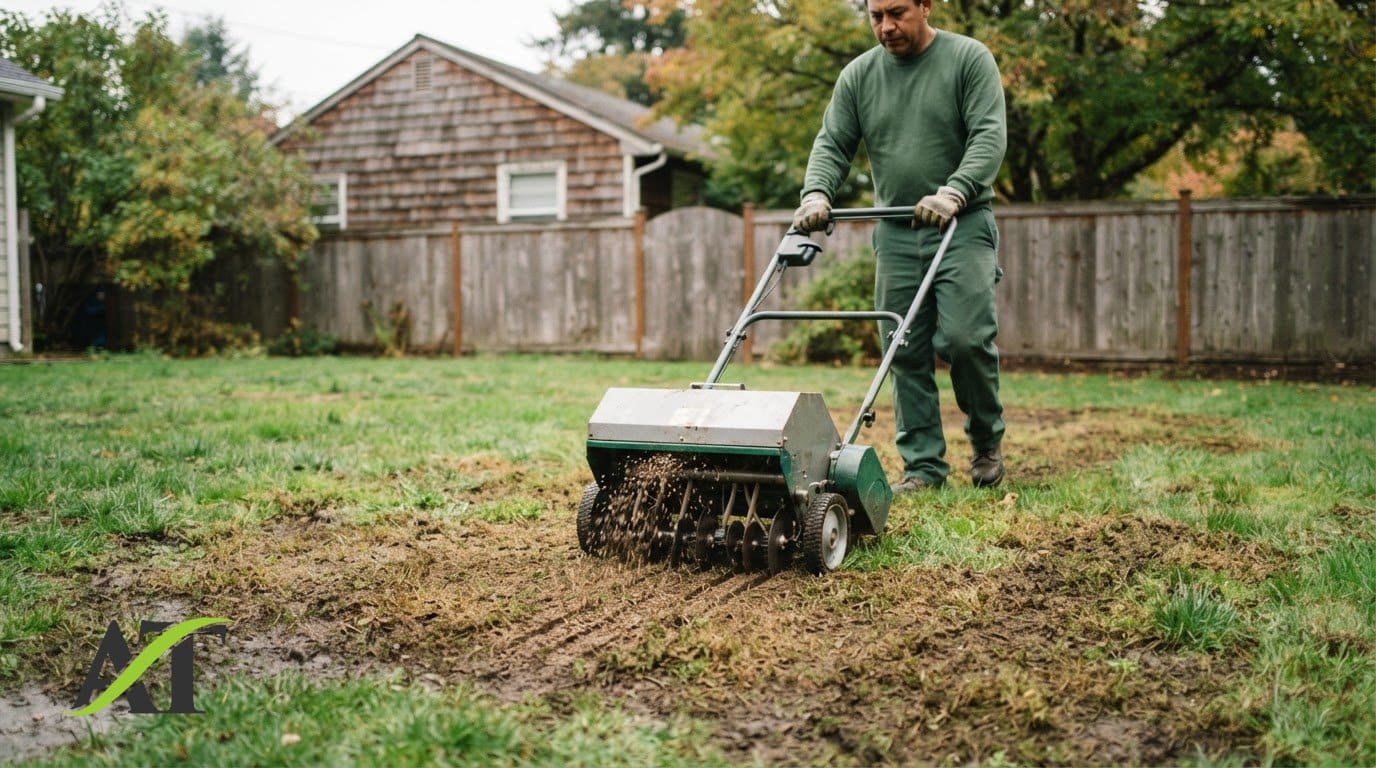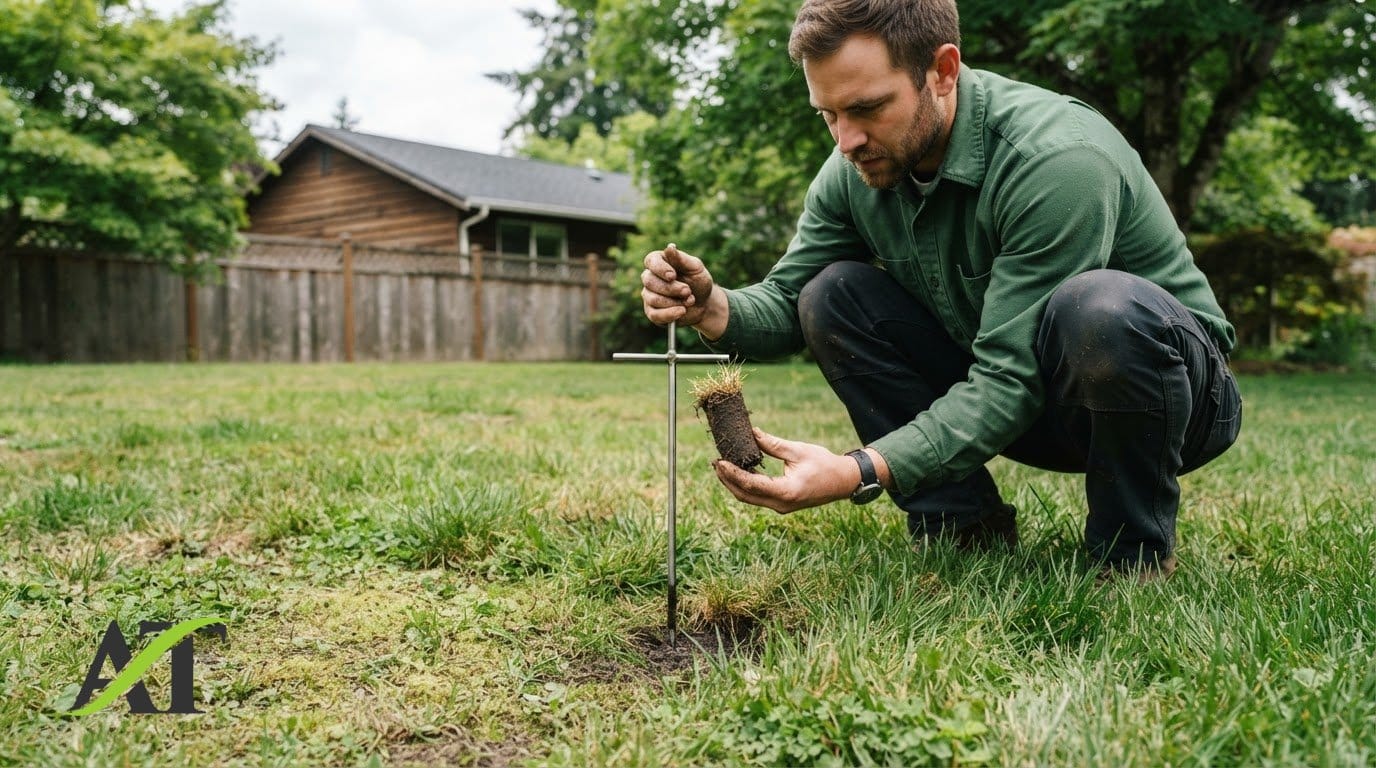
More seed isn’t always the fix for a thin lawn. Overseeding in Lynnwood should begin by assessing the turf and soil, then identifying what may be limiting grass growth. Compaction, thatch, shade, irrigation, and drainage can each call for different next steps.
Overseeding can help fill thin or bare areas, but the right approach depends on the lawn’s condition. An assessment helps show where seed may help and where another issue needs attention first.
This guide explains what to consider when assessing a lawn, how the findings shape seeding methods, and what to plan for before and after the work.
Key Takeaways
- Identify whether thin or bare areas relate to soil condition, compaction, thatch, shade, irrigation, or drainage before choosing a seeding approach.
- Match the method to the lawn: Overseeding adds seed to existing turf, while more extensive preparation may be needed when the underlying problem is not seed coverage.
- Use seasonal conditions to guide timing. Weather, soil moisture, and seed-to-soil contact all affect establishment.
- Know when the cause needs further diagnosis, especially if poor drainage or persistent thinning remains after basic lawn conditions are addressed.
Local lawn care providers
Choose lawn services based on the problem and the work required, not a broad package name. A clear estimate should explain what the lawn needs and what the service does not include.
Finding Lynnwood Lawn Care Providers
Start with providers serving Lynnwood, then compare the specific lawn care services they describe. For reseeding, look for a clear assessment of thin turf, bare patches, and the preparation proposed before seed goes down. Ask for an estimate that separates lawn work from flower bed, shrub, and tree care. Those outdoor tasks are distinct scopes, so a beautiful landscape plan should identify each clearly.
Comparing Bids, Reviews, and Guarantees
Compare estimates by their steps, not just their headings. Check whether each covers lawn assessment, surface preparation, seed application, and aftercare instructions. Read reviews for details about communication, completed work, and how concerns were handled. If a guarantee is offered, read its written terms: note what work it covers, any conditions, and whether seed establishment is treated separately from completing the service.
Reseeding Services and Aftercare
Seed needs contact with soil and consistent moisture to establish. Moisture, soil, weather, and aftercare all matter. Keep the seedbed moist without washing seed away, and follow an appropriate watering plan. Seed-only reseeding is different from grading or drainage work; don’t assume those changes share the same requirements. Follow any current Lynnwood watering restrictions, since reseeding doesn’t override them. These lawn aftercare steps help clarify what care follows seeding.
Company Reviews and Service Areas
Check that the service covers Lynnwood and clearly describes the lawn work offered. Reviews are most useful when they discuss work similar to yours, such as improving thin turf rather than general yard cleanup. Look for details about assessment, agreed scope, and follow-through. Keep reseeding distinct from flower bed, shrub, and tree care when comparing services.
Grass seeding methods and seasonal window
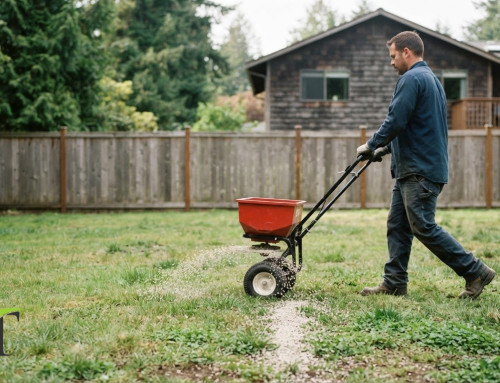
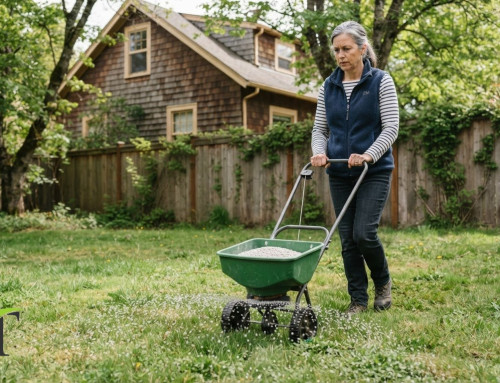
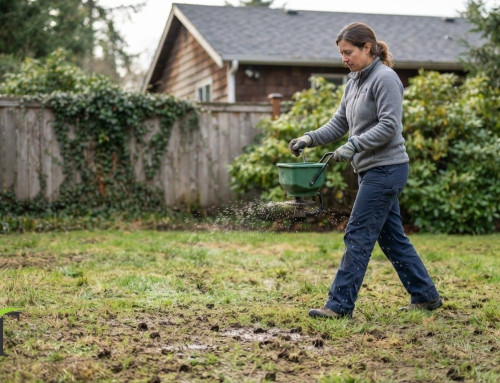
The right method depends on how much living turf remains. Overseeding adds seed to an existing lawn. For a thin lawn with living grass between bare patches, Overseeding may fit. Broad bare areas may need further diagnosis and preparation before seed can take hold.
Perennial ryegrass, fine fescue, and tall fescue are options for Lynnwood lawns. Match seed to sunlight, intended use, and existing turf. For the Premium 60/40 Sun & Shade Mix, 55–80°F soil temperature is our preferred practical service window. It is not a universal optimum, strict cutoff, or germination guarantee. Moisture, seed-to-soil contact, soil conditions, weather, and homeowner aftercare also affect establishment.
Fall can be a useful seasonal window, but soil and weather conditions determine whether a lawn is ready. Before Overseeding, remove loose debris and assess whether thatch needs attention. Seed needs contact with the soil, so preparation matters. After application, follow the watering and aftercare guidance for the service.
Hydroseeding sprays seed with water and other materials onto prepared ground. It is an application method, not a way to diagnose why grass is thin. On exposed soil, runoff can move seed and contribute to erosion. Weeds may compete with new grass, and dry conditions can limit germination. Seed coverage alone will not resolve shade, compaction, or drainage problems.
Ask what each estimate includes. Seed selection, preparation, watering guidance, and aftercare instructions should be clear. Mowing, edging, and broader landscape work are separate tasks, not automatic parts of Overseeding. A clear scope is more useful than a vague promise to go above and beyond. Seeding takes care, and a specific plan helps you understand the work.
Assessing soil and existing lawn conditions
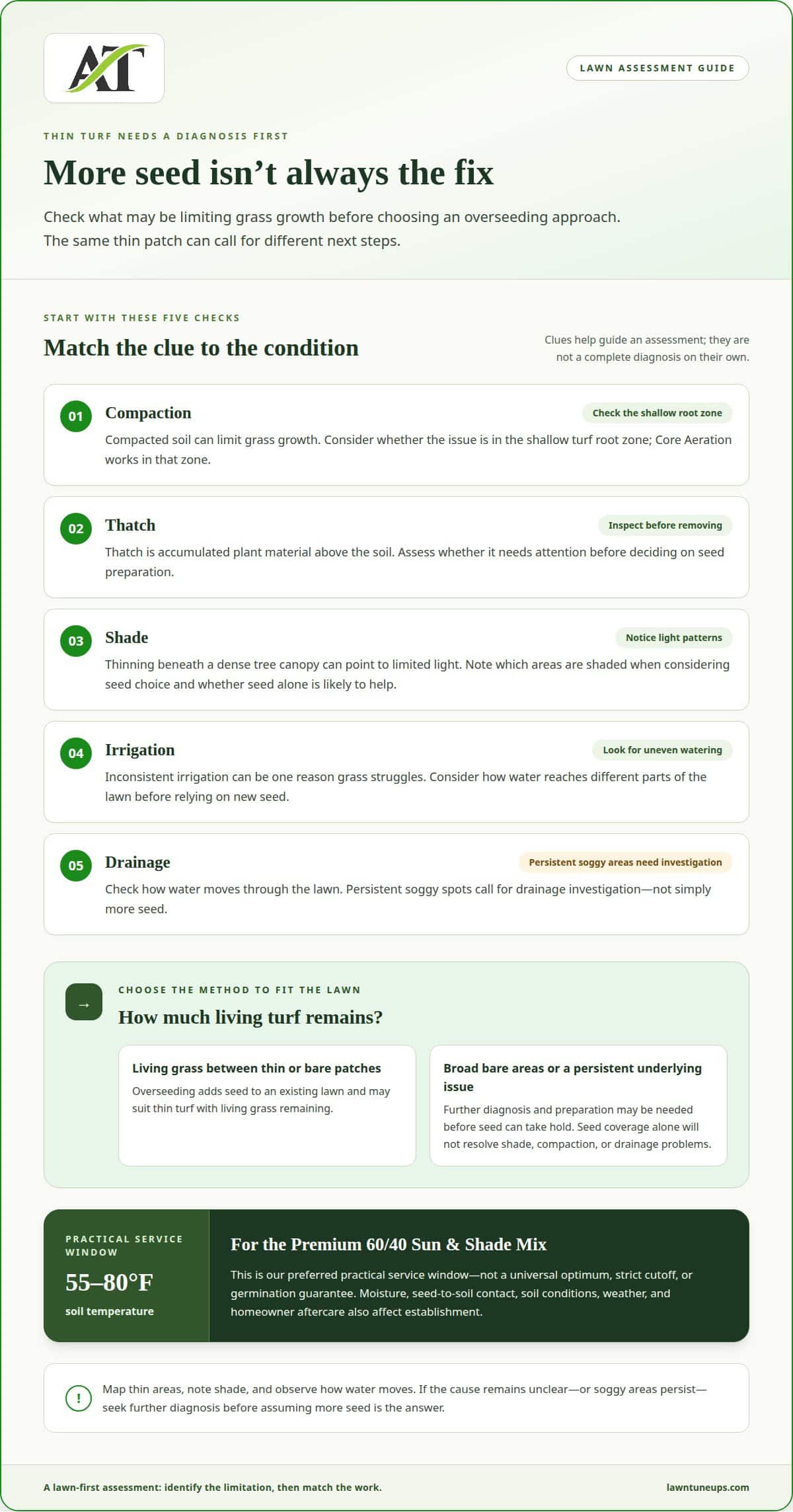
A useful assessment distinguishes the visible symptom from its possible cause. In Lynnwood, thin grass may reflect compacted soil, thick thatch, shade, inconsistent irrigation, or drainage trouble. Each calls for a different response. Mapping thin areas, checking how water moves, and noting where trees or structures limit light can help show whether seed may help or further diagnosis is needed.
Regional soil figures provide context, not a diagnosis for my yard. Lynnwood’s reported typical lawn soil pH is 5.85, while 6.5 is the ideal soil pH for lawns in Western Washington. The reported average composition is 54% sand, 36% silt, and 10% clay, with 7.45% organic matter. These averages can’t establish the pH or texture of an individual property. A soil test gives a more useful basis for deciding whether an amendment is appropriate.
Nutrient readings also vary by site. Reported Lynnwood lawn soil averages include 101 ppm potassium, 100 ppm phosphorus, and 1,381 ppm calcium. Don’t treat those values as a prescription for every lawn. Test results help identify whether a nutrient imbalance could be limiting growth, rather than applying products without a clear reason. A diagnosis should connect each proposed treatment to an observed condition.
Look for patterns before choosing preparation. Grass thinning beneath a dense tree canopy points to shade; persistent soggy areas call for drainage investigation, not simply more seed. Compaction affects the shallow root zone, while thatch is accumulated plant material above the soil. Trimming branches or changing mowing practices may affect light or turf stress, but neither corrects a subsurface drainage defect. Nearby lawns can differ because exposure, soil, and water flow differ. A careful assessment turns observations into a practical plan for Lynnwood and the wider Seattle area.
Overseeding services in Lynnwood WA
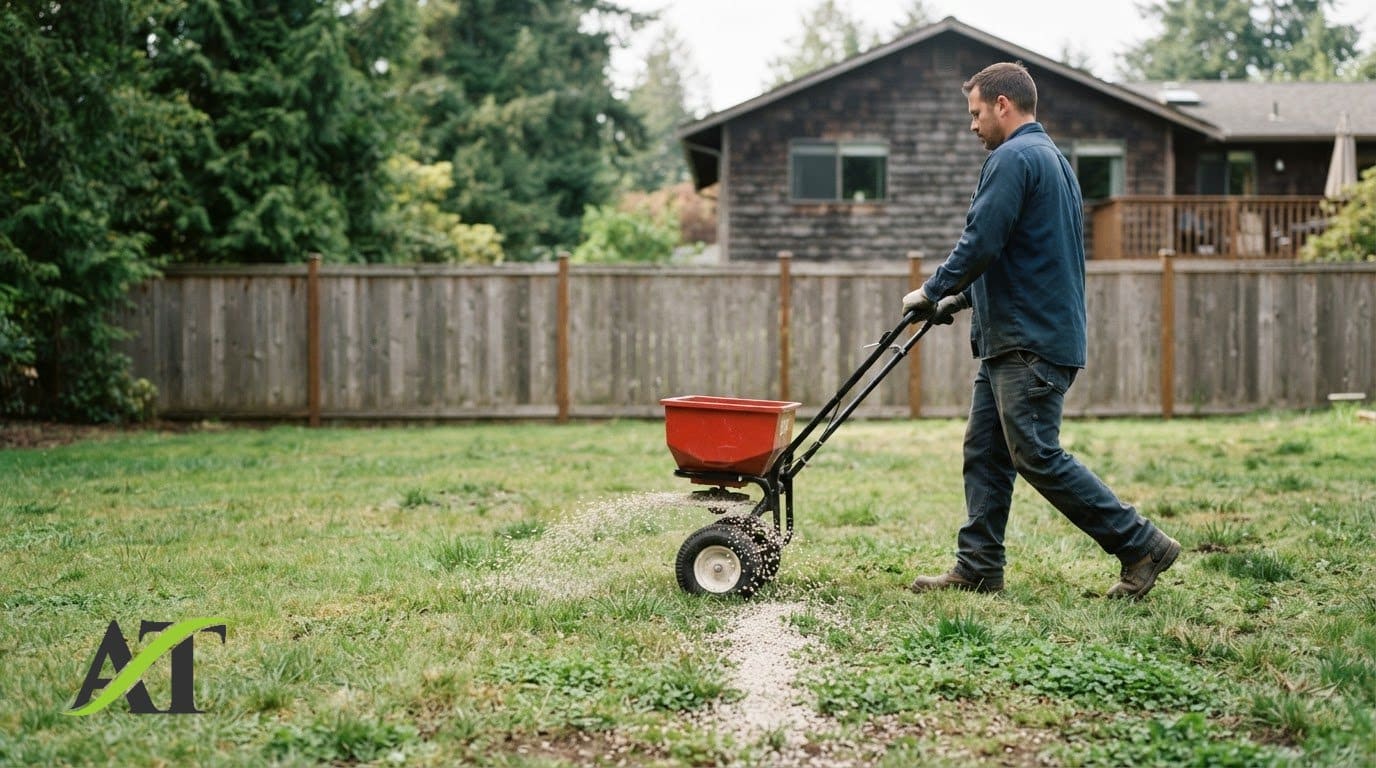
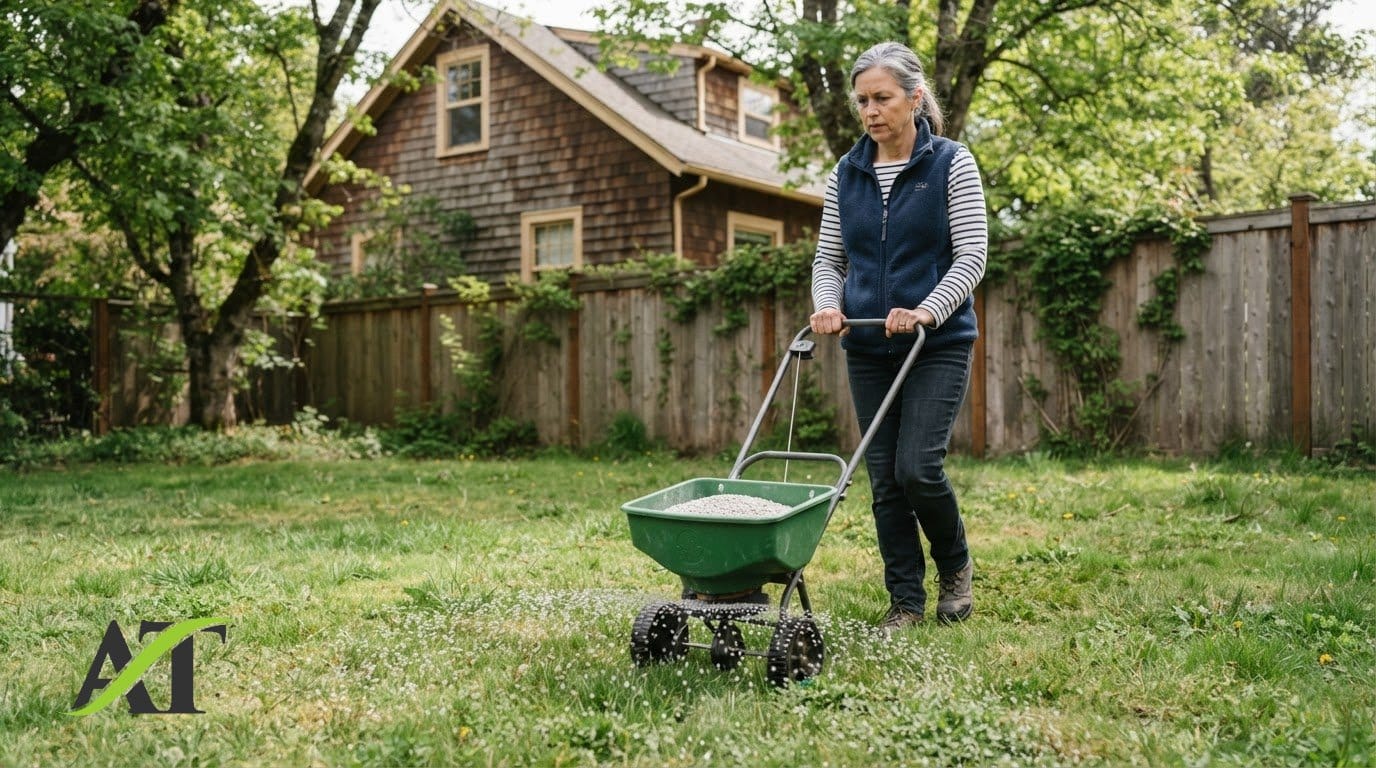
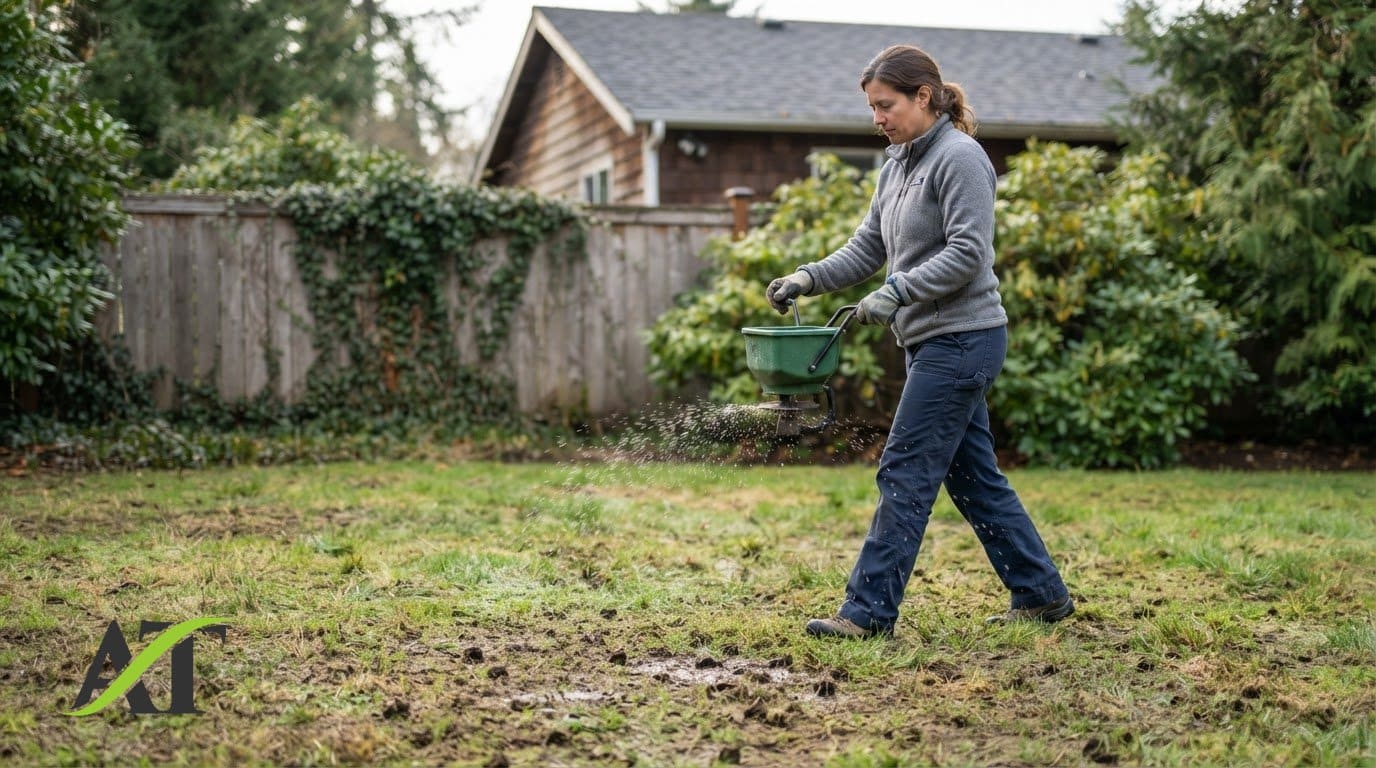
Overseeding starts with determining how much living turf remains. Overseeding adds seed to an existing lawn and can help fill thin areas and small bare patches. If a section has little established grass, seed alone may not address the problem. The assessment should identify which areas to seed and what preparation each needs.
A useful plan accounts for differences across the lawn. A shaded strip beneath trees, for example, may need a different seed choice than an open area in full sun. Mapping thin patches and noting where grass remains helps clarify whether overseeding fits the whole lawn or only certain sections. It also helps avoid using one approach where conditions differ.
Before work begins, clarify what the service includes. The scope should explain how the lawn is assessed, what preparation is planned, how seed will be applied, and what watering guidance follows. Seed placed over loose debris or without soil contact may establish poorly. Moisture, soil, weather, and aftercare all influence how seeded areas develop.
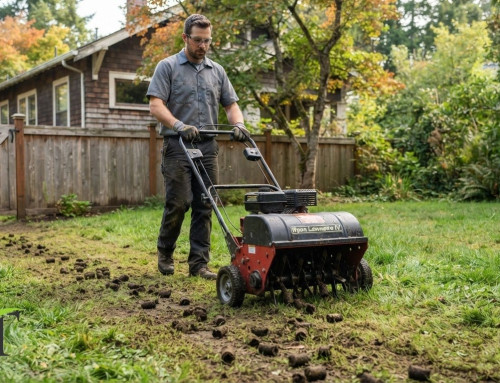
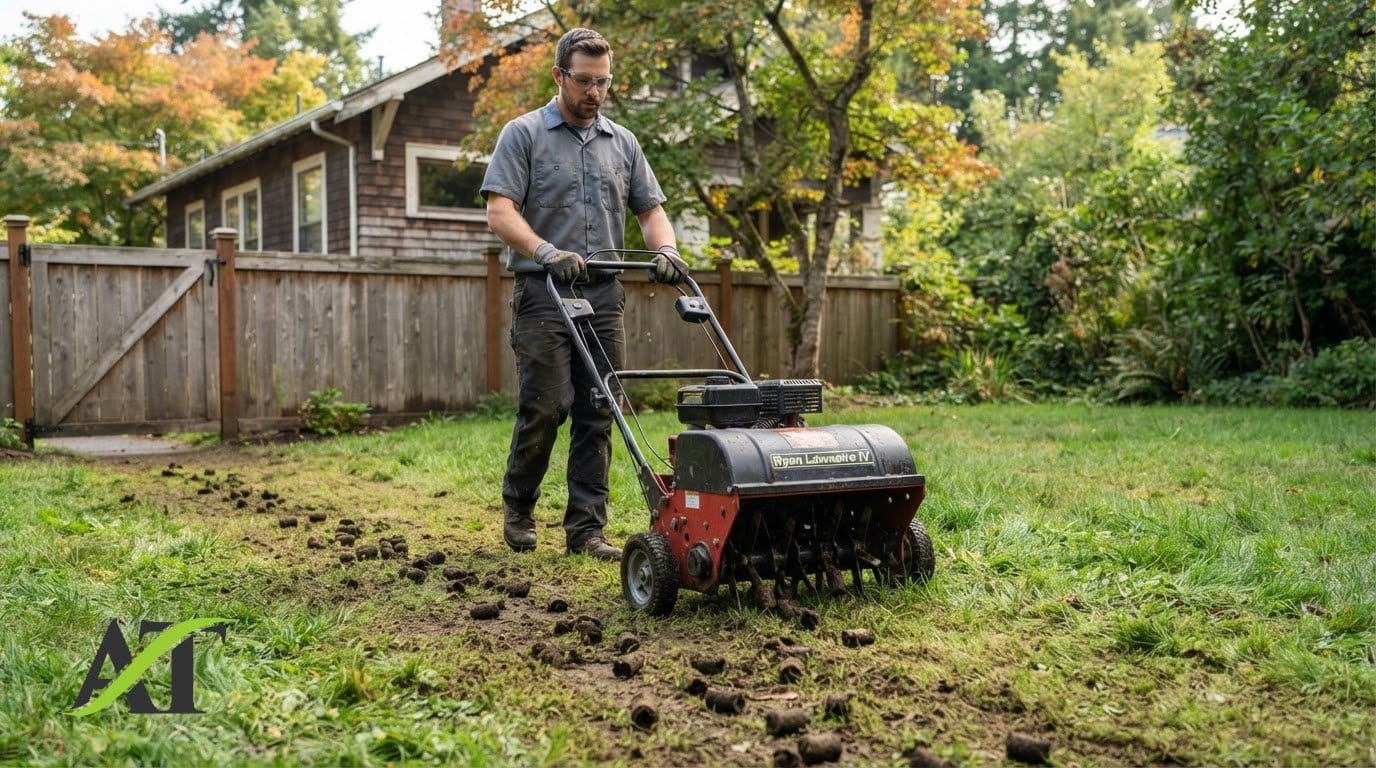
Reseeding cannot correct every cause of thinning. Persistent standing water points to a drainage concern, heavy shade can limit grass growth, and thick thatch differs from compacted soil. Core Aeration relieves compaction in the shallow turf root zone, but it cannot correct deep hardpan or a subsurface drainage defect. If the cause is unclear, further diagnosis can guide the next step instead of repeating seeding without addressing the problem.
For Lynnwood homeowners, the decision is whether existing turf can support Overseeding or broader preparation is needed. A clear service scope connects the work to the lawn’s condition and explains the aftercare required for seeded areas.
Aerating Thatching
Aerating Thatching Co. can match lawn work to the problem an assessment identifies. If existing turf is thin but still growing, Overseeding adds seed to the lawn. If compaction affects the shallow turf root zone, Core Aeration may help relieve it, but it will not correct deep hardpan or a subsurface drainage defect. Fertilizing uses the fertilizer specified for the service. Soil conditions, moisture, weather, and aftercare affect seed establishment.
The Lawn Tune-Up combines Core Aeration, Overseeding, and starter fertilizer. It may suit a lawn that needs those steps, rather than unrelated treatments. The right scope depends on what is causing thin or bare areas, so persistent drainage issues or unexplained decline call for further diagnosis before reseeding.
Choose the Next Step for Your Lawn
Before scheduling work, decide what you want the assessment to clarify: whether thin turf may benefit from more seed, or whether an underlying condition needs attention first. A useful plan links the visible lawn issue to the proposed work and explains the aftercare involved. This keeps a lawn reseeding service in Lynnwood focused on your lawn’s actual needs, rather than a one-size-fits-all treatment.
Aerating Thatching Co. offers a Lawn Tune-Up that combines Core Aeration, Premium Overseeding, and Starter Fertilizer. If those steps fit the lawn’s needs, they can address specific turf concerns; unexplained drainage problems may need further diagnosis instead. Share what you’ve noticed and what you want to improve, then choose a scope that fits the lawn.
A practical plan starts with the right question. Take the next step when you’re ready.
Frequently Asked Questions
How does lawn reseeding work?
The process starts by deciding whether existing grass can support new seed. Assess thinning patterns and the surface, then match preparation to those findings. After seed is applied, moisture and homeowner aftercare matter. For example, a bare patch beside healthy turf may need a different approach from a lawn with widespread decline.
Is it a good time to book?
Schedule work when the lawn’s condition and weather allow the preparation and follow-up care to make sense. Soil that is too wet can complicate preparation, while dry conditions make consistent moisture harder to maintain. In Lynnwood, timing should reflect current soil and weather conditions, not a fixed calendar date. Plan for watering and limit traffic over newly seeded areas.
What affects the scope of lawn reseeding in Lynnwood?
The work depends on how much healthy turf remains and what preparation the site needs. A few thin areas may need a targeted approach, while widespread bare ground may require more extensive surface preparation. Grass type, shade, compaction, drainage, and soil condition can all shape the plan. Each proposed step should address a specific lawn need.
When is the best time to reseed a lawn in Lynnwood?
Choose a period when soil and weather support seed establishment and follow-up watering. Fall is a common season to consider, but conditions vary between years and properties. A calendar window does not guarantee success. A lawn that is saturated, drying rapidly, or affected by unresolved drainage issues may need a different plan before seed is applied.
How long does lawn reseeding take to grow in Western Washington?
There is no single growth timeline for every lawn. Seed type, soil contact, moisture, weather, and aftercare all affect how quickly seedlings emerge and fill in. Look for establishment across the seeded area rather than judging the work by one patch. If some areas stay bare while nearby seed grows, differences in shade, water, or soil may help explain the uneven result.
Do Lynnwood lawn reseeding companies offer free estimates or guarantees?
An estimate is not a guarantee. Aerating Thatching Co. does not guarantee seed germination or lawn recovery. Establishment depends on watering, weather, soil, and aftercare. Before work begins, make sure the proposed scope and care instructions are clear, including what the service covers and what you will need to do afterward.
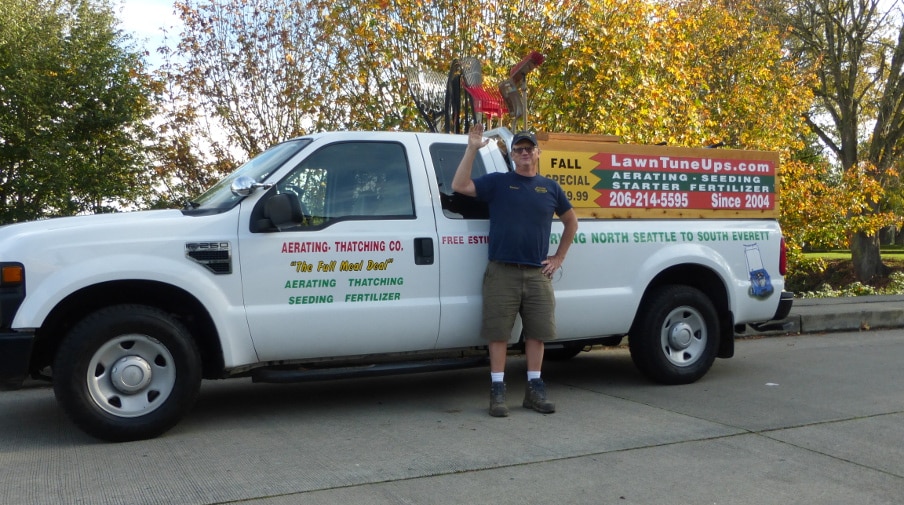
Article by
Stewart Armour
Stewart Armour is the owner of Aerating Thatching Co., an owner-operated Seattle-area lawn restoration business established in 2004. He helps homeowners understand Core Aeration, Power Raking (Dethatching), Overseeding, soil conditions, and the aftercare needed for stronger lawns. His background includes turf management study, advanced golf course turf training, and continuing education through Wilbur-Ellis University, State Turf Facilities, Soil First Academy, and Golf Course Applied Turf Physiology. Stewart has personally evaluated thousands of residential lawns throughout the Seattle area and focuses on recommending the work that fits each lawn’s condition.