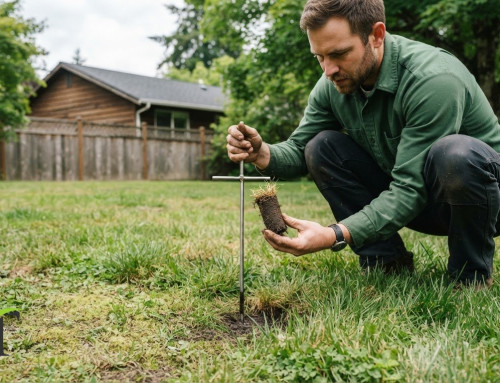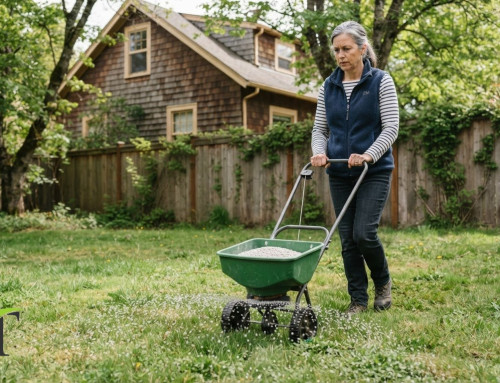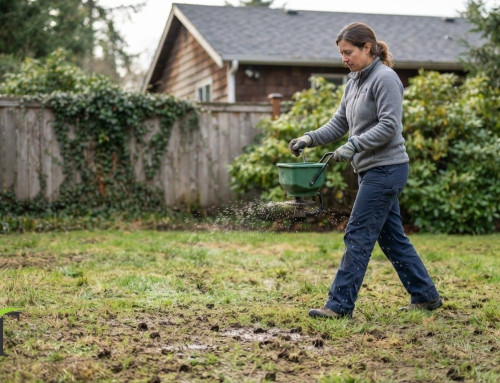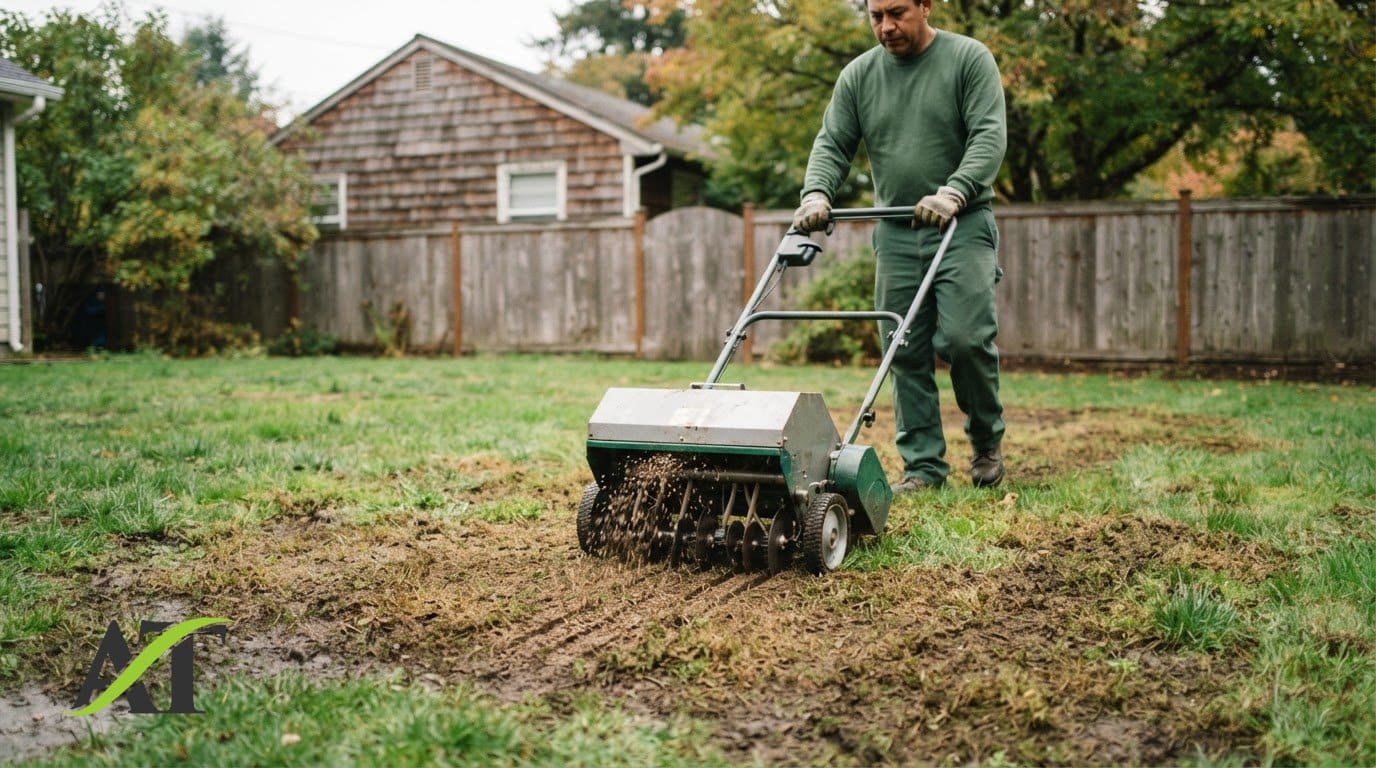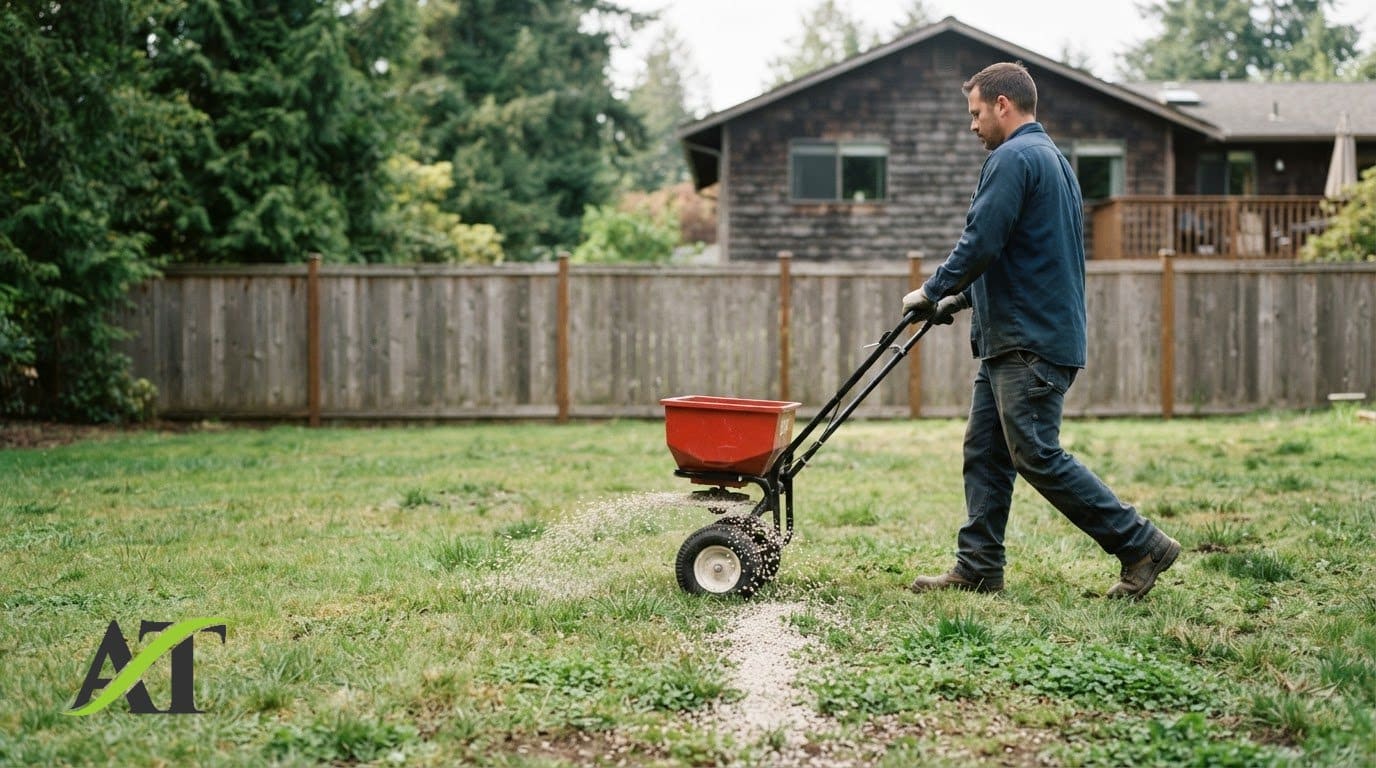
Where is your lawn pale or thin? Before you spread lime, test the soil. In Western Washington, 6.5 is the ideal soil pH for lawns, and the benefit of lime comes from correcting soil that a test shows is too acidic. Lime does not feed grass and does not fix shade, compaction, or drainage.
Lime and fertilizer do different jobs. Lime adjusts soil pH, while fertilizer supplies nutrients. Treating a lawn for the wrong cause wastes effort.
This guide explains what lime does for grass, which lawn symptoms may point to a pH issue, and how timing and conditions affect application. It also covers when another problem is the more likely cause.
Key Takeaways
- Use a soil test to decide whether lime is needed; lawn color or thin growth alone can’t pinpoint a pH problem.
- Lime and fertilizer serve different purposes, so match the treatment to the cause.
- A result away from 6.5 is not an automatic instruction to add lime; the test recommendation and product directions set the amount.
- Consider timing alongside soil and weather conditions, then choose Lime Application when the evidence points to correcting soil acidity.
How do I know when my lawn needs lime?
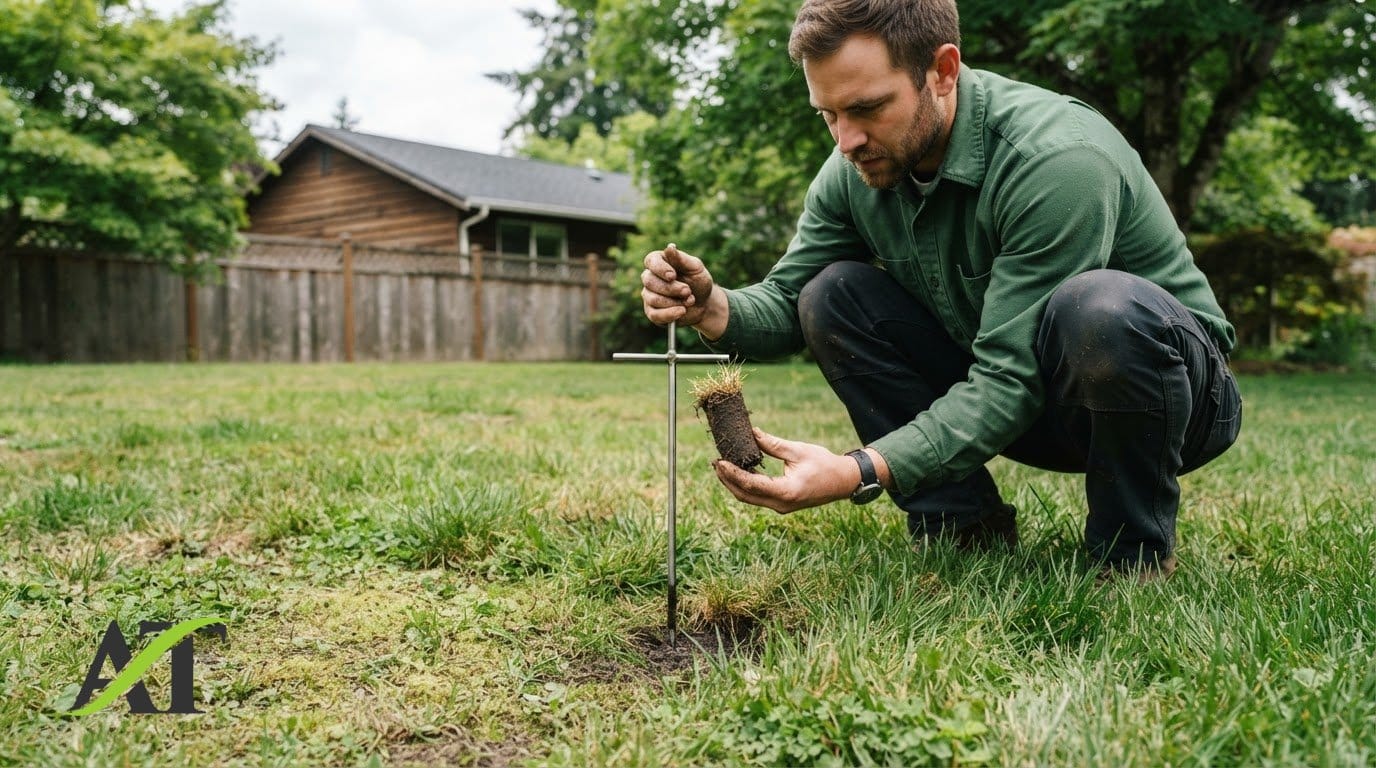
A soil test is the reliable way to learn whether lime fits the problem. Lime is appropriate only when testing shows acidity that needs correcting.
Soil Test Results and Lime Amounts
A soil test measures pH and, with the lab’s recommendation, tells you whether lime is appropriate and how much to apply. One amount won’t suit every yard, so rely on the lab’s recommendation and the actual product directions. Don’t estimate from grass color or apply lime by habit. Retest to see whether conditions have changed.
Soil pH and Nutrient Availability
Soil pH measures acidity or alkalinity on a scale from 0 to 14, with 7 considered neutral. Below 7, soil is acidic. When pH is unsuitable, nutrients such as phosphorus and potassium can become less available to grass, even when they are present. Lime raises overly acidic pH; fertilizer supplies nutrients. They address different needs.
What types of organic lime are available, and how do they compare? Common lime materials include calcitic and dolomitic lime. Calcitic lime is mostly calcium carbonate; dolomitic lime contains calcium carbonate and magnesium carbonate. Let the test results and the product label guide the choice.
Where can I get a soil test in Mill Creek, Washington? Use a soil-testing laboratory that accepts residential samples. Follow its sampling and submission directions, and ask for soil pH results with a lime recommendation. Our guide on testing lawn soil pH covers the basics.
What are the risks of overapplying lime? Too much lime can raise pH beyond what the lawn needs, create nutrient imbalances, and damage grass. Lime can also harm acid-loving plants such as azaleas and blueberries, so avoid treating those planting areas without a soil-based reason.
Signs a lawn may need lime
Grass color can raise a question, but it cannot diagnose soil acidity. A pale or thin patch may reflect shade, uneven irrigation, compaction, drainage trouble, or nutrient issues instead. A uniformly green, vigorous lawn is less likely to need lime, while a soil test showing a pH below 6.0 is a clearer reason to consider it.
Look for patterns before choosing a treatment. If weak growth follows a shaded fence line, sunlight may matter more than pH. If turf struggles in a low, wet area, drainage may be the issue. A thin strip beside a well-used path may have compacted soil. Our guide on finding the causes of thinning grass walks through these checks.
Weeds, moss, and lawn disease are not reliable lime indicators on their own. Lime is not a direct moss killer. Our article on fixing the cause of moss explains why. Alkaline soil can also limit nutrient availability, so adding lime without evidence of acidity may move pH the wrong way.
Consider lime when a soil test indicates excess acidity, not simply because grass looks dull. Lime adjusts pH; it does not replace nutrients or fix poor drainage or compaction. If the test does not show acidic soil, investigate shade, irrigation, compaction, or drainage before applying lime.
If your lawn has persistent thin or discolored areas, Ask Stewart About Your Lawn and tell him where the lawn is thinning.
Why apply lime?
Penn State Extension’s guide to liming turfgrass explains that lime belongs on soil a test shows to be too acidic. Correcting that acidity can make nutrients more available to grass. Lime also adds calcium, or calcium and magnesium, depending on the material. Those minerals don’t replace fertilizer or solve unrelated problems such as poor drainage.
Adding fertilizer to acidic soil may not address the underlying pH issue. Lime adjusts soil conditions; it is not a complete feeding program. Garden beds with acid-loving plants such as azaleas or blueberries may need different treatment from the lawn nearby.
Timing follows the soil test and the conditions on the ground. Fall and early spring are recommended windows for lawn lime, but actual application should fit local weather and soil conditions. Lime can take up to 8 months to break down and change soil pH, so it is not an instant fix for pale grass.
Applying lime can also support beneficial soil bacteria, particularly when combined with compost. Calcium and magnesium may help maintain lawn color and growth. These benefits depend on addressing an actual soil need.
For a practical decision, match the soil-test recommendation to the lawn area and application conditions. Don’t treat a garden bed and a lawn section with different pH needs as though they were the same. If the results don’t call for lime, another issue may be limiting growth.
Lime application timing and conditions
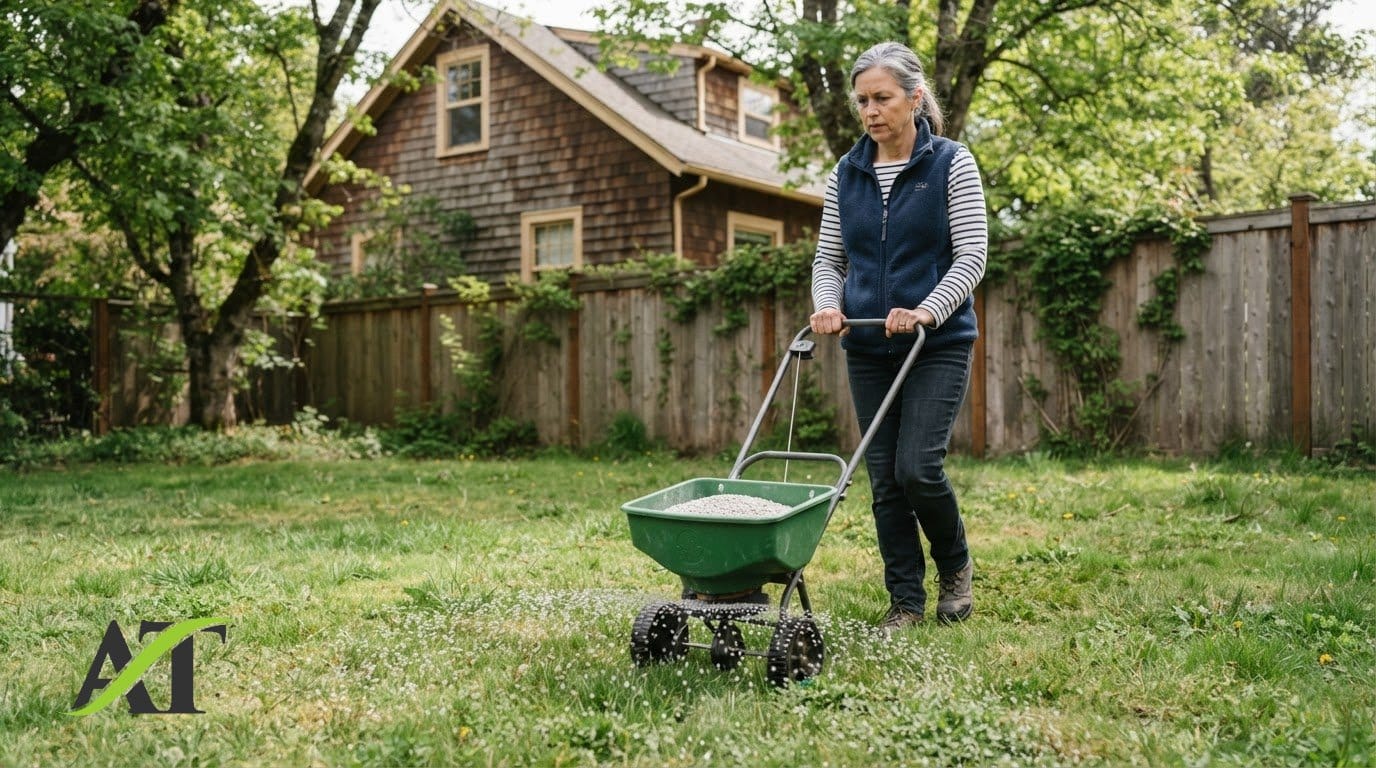
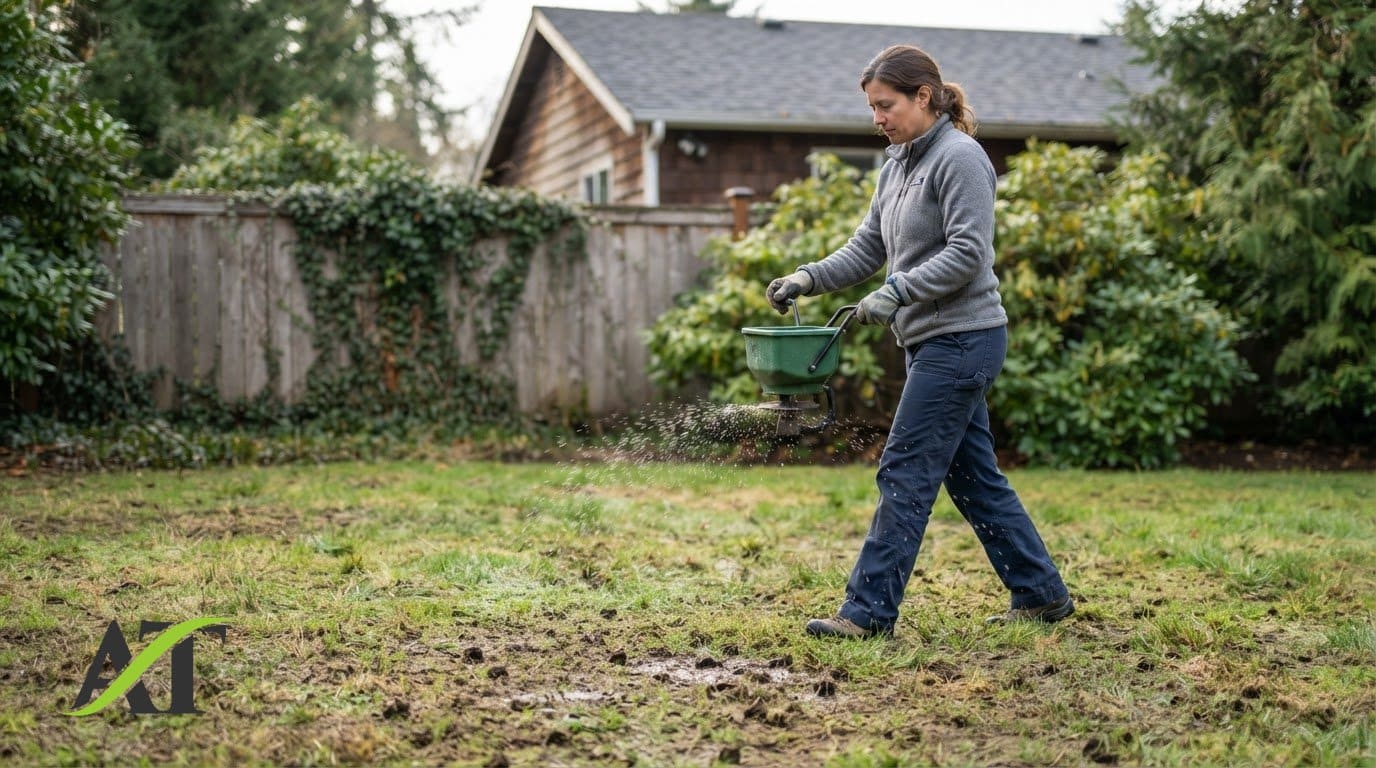
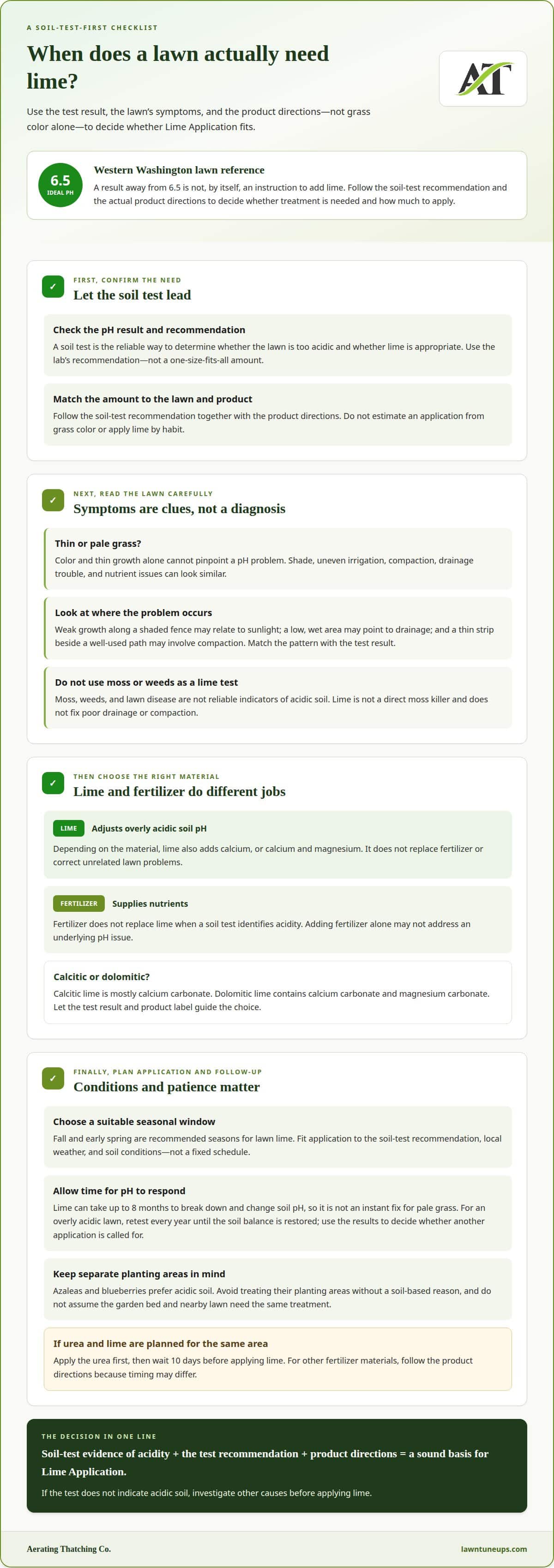
For a Mill Creek lawn, plan Lime Application around the soil-test recommendation and suitable turf conditions. Fall and early spring are recommended seasons for lime, but timing should also account for local weather and soil conditions. Follow the test rather than a fixed schedule.
Soil pH responds gradually. Lime can take up to 8 months to break down and change pH, so a quick visual check won’t show whether treatment worked. For overly acidic lawns, retest every year until proper soil balance is restored. Use those results to decide whether another treatment is called for.
Coordinate lime with nitrogen products carefully. If urea and lime are planned for the same area, apply the urea first and wait 10 days before applying lime. Follow product directions for other fertilizer materials, since their timing may differ.
Consider nearby plants before treating a lawn edge. Keep either calcitic or dolomitic lime away from acid-loving garden plants such as azaleas and blueberries. Their pH needs may differ from the lawn’s.
Are there local rules or environmental considerations for lime application in Mill Creek? We can’t point to a specific local rule here, so base treatment on the soil-test recommendation and the product label. Apply lime only to the lawn area that needs it, and protect nearby acid-loving plants.
Choose a season and treatment area based on the test, not appearance alone. If the soil pH has reached its target, adding lime is not a useful next step. If results still show excess acidity, use them to guide what comes next.
Aerating Thatching Co.: Organic Fertilizing
Aerating Thatching Co. offers Lime Treatment as an add-on and an organic-based fertilizer upgrade. Organic fertilizer supplies nutrients; Lime Treatment addresses acidic soil when a soil test supports it. Fertilizer is not a substitute for pH correction.
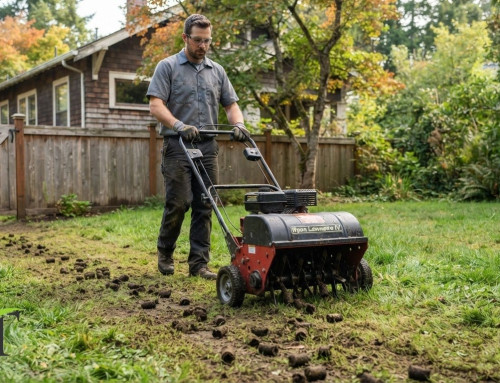
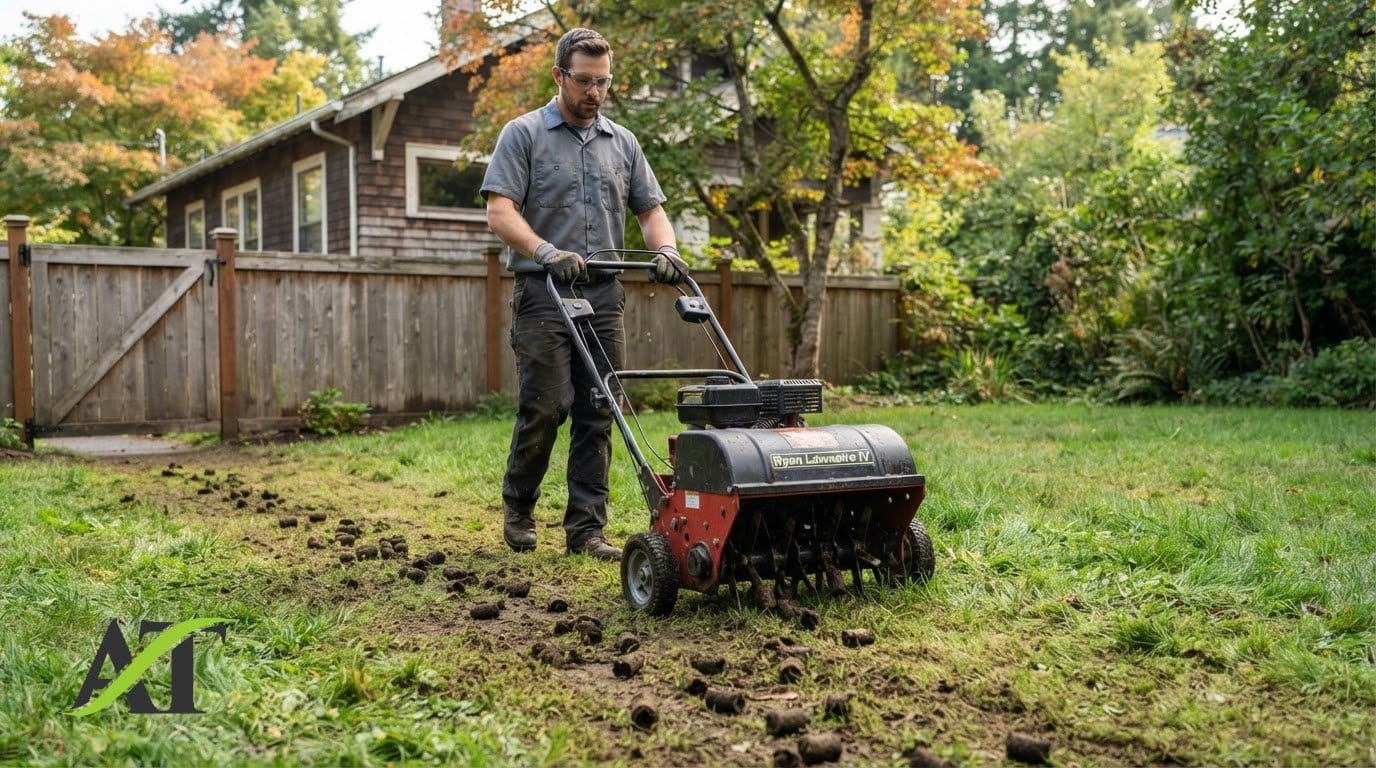
If the soil test shows suitable pH but the lawn still struggles, the cause may need further diagnosis. Compaction in the shallow root zone differs from acidity, shade, or drainage problems. Core Aeration can relieve compaction in that root zone, but it won’t correct deep hardpan or subsurface drainage defects.
Choose the treatment that fits the evidence, rather than adding services by default. For guidance on your lawn’s needs, contact Aerating Thatching Co.
Frequently Asked Questions
What Does Lime Do for Grass?
Lime helps grass when the soil is too acidic for healthy growth. In Western Washington, the ideal lawn soil pH is 6.5. Correcting a low pH can improve the conditions grass needs to use available nutrients. Lime is not a complete fertilizer, so it won’t replace nutrients or fix shade, compacted soil, or drainage problems.
What is involved with a liming programme?
A liming programme starts with a soil test, then uses the results to guide treatment and follow-up testing. Keep the results with notes about applications, and retest to see whether conditions have shifted. Avoid setting a repeating schedule without testing.
Why does soil pH keep changing?
Soil pH can shift as rainfall moves materials through soil and lawn-care inputs interact with it. The direction and pace depend on the soil and what has been applied, so an old test may not reflect current conditions. If you’ve applied soil amendments since the last test, test again before planning another pH adjustment.
Why is soil testing important?
Soil testing helps distinguish a pH issue from a nutrient shortfall and shows whether lime is appropriate. It can also prevent unnecessary treatment when pH is already suitable. If grass is pale but the test does not indicate acidic soil, lime may not address the cause.
What are the benefits of applying organic lime to lawns and gardens?
When a test indicates acidic soil, suitable lime can adjust pH and contribute calcium, or calcium and magnesium, depending on the material. The benefit comes from correcting a soil need, not from choosing a product described as organic. Lawn and garden plants can have different pH needs, so don’t assume lime suited to turf is right for nearby acid-loving plants.
What does organic lime do to soil pH and nutrient availability?
Organic lime can raise soil pH when it contains effective liming compounds, but “organic” alone doesn’t specify composition or strength. As pH moves toward the lawn’s target, nutrient availability can change. A soil test shows whether acidity is limiting the soil and helps prevent raising pH beyond what the lawn needs.
Article by
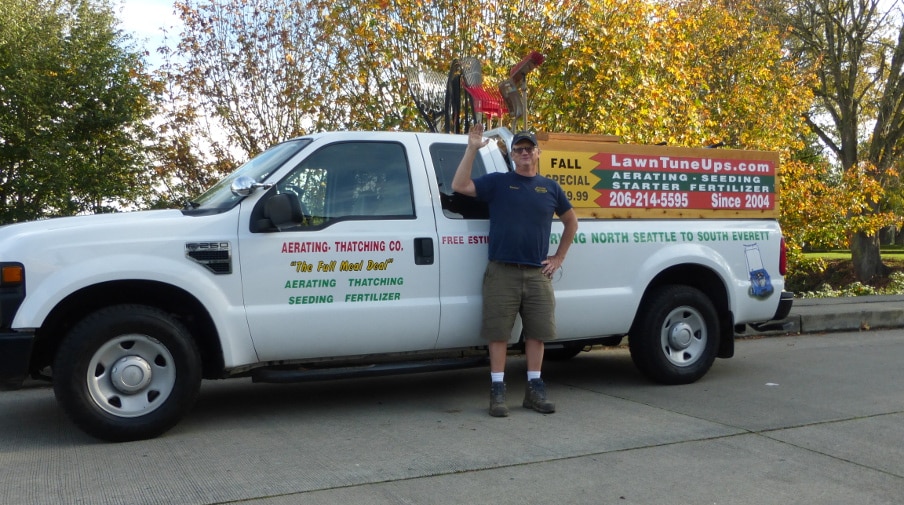
Stewart Armour
Stewart Armour is the owner of Aerating Thatching Co., an owner-operated Seattle-area lawn restoration business established in 2004. He helps homeowners understand Core Aeration, Power Raking (Dethatching), Overseeding, soil conditions, and the aftercare needed for stronger lawns. His background includes turf management study, advanced golf course turf training, and continuing education through Wilbur-Ellis University, State Turf Facilities, Soil First Academy, and Golf Course Applied Turf Physiology. Stewart has personally evaluated thousands of residential lawns throughout the Seattle area and focuses on recommending the work that fits each lawn’s condition.