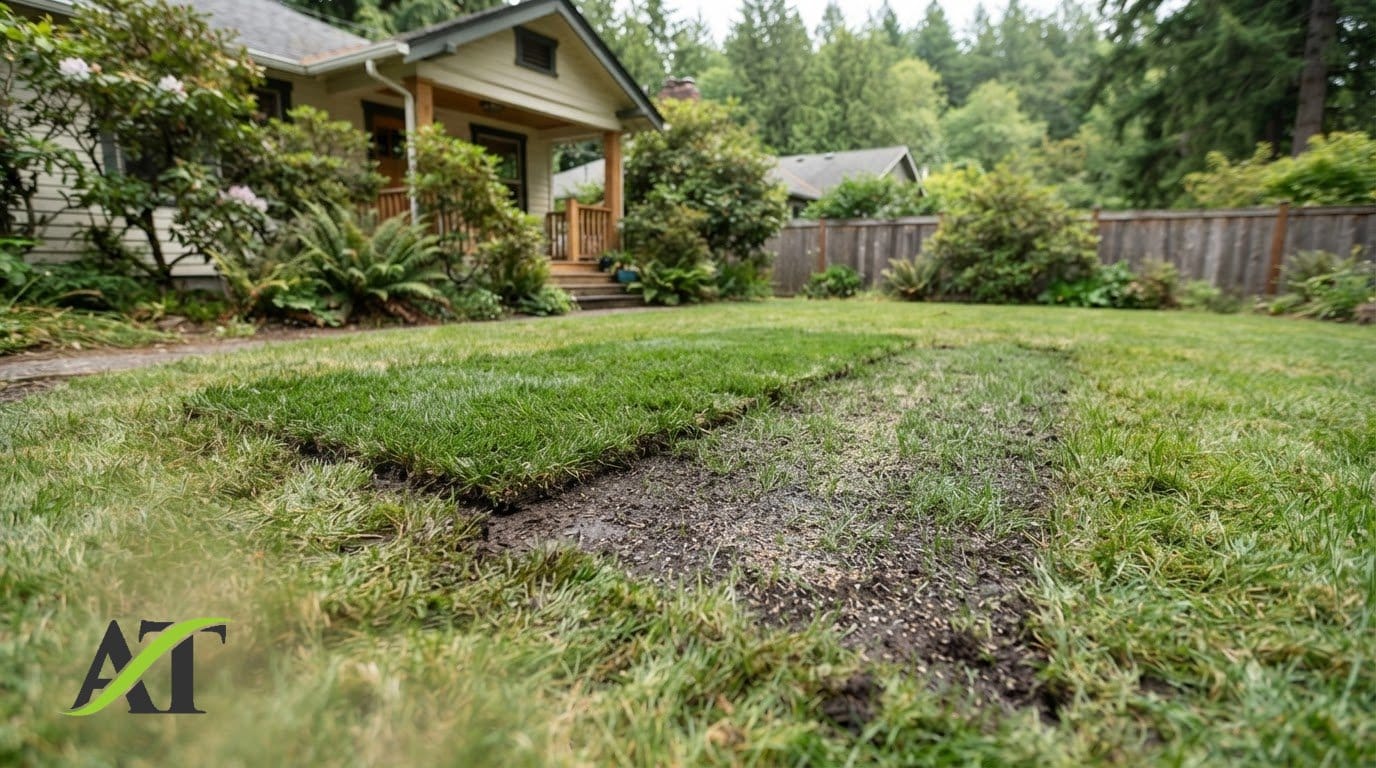
Bare spots don’t all need more seed. Organic solutions for thinning grass in Woodway start with finding the cause: compacted soil, excess thatch, shade, or a water or drainage problem each calls for a different response. A thatch layer over 1/2 inch can interfere with water, air, and fertilizer reaching the soil, so address the underlying condition before overseeding.
Thin grass does not always need more fertilizer or a fresh layer of seed. This guide explains how to inspect your lawn, spot compaction or excess thatch, and decide whether Core Aeration, Power Raking (Dethatching), or Overseeding addresses the issue. You’ll also learn when recurring bare spots may call for a closer look at shade or drainage instead of repeated seeding. The goal is a practical next step based on what your lawn shows, not a one-size-fits-all treatment.
Key Takeaways
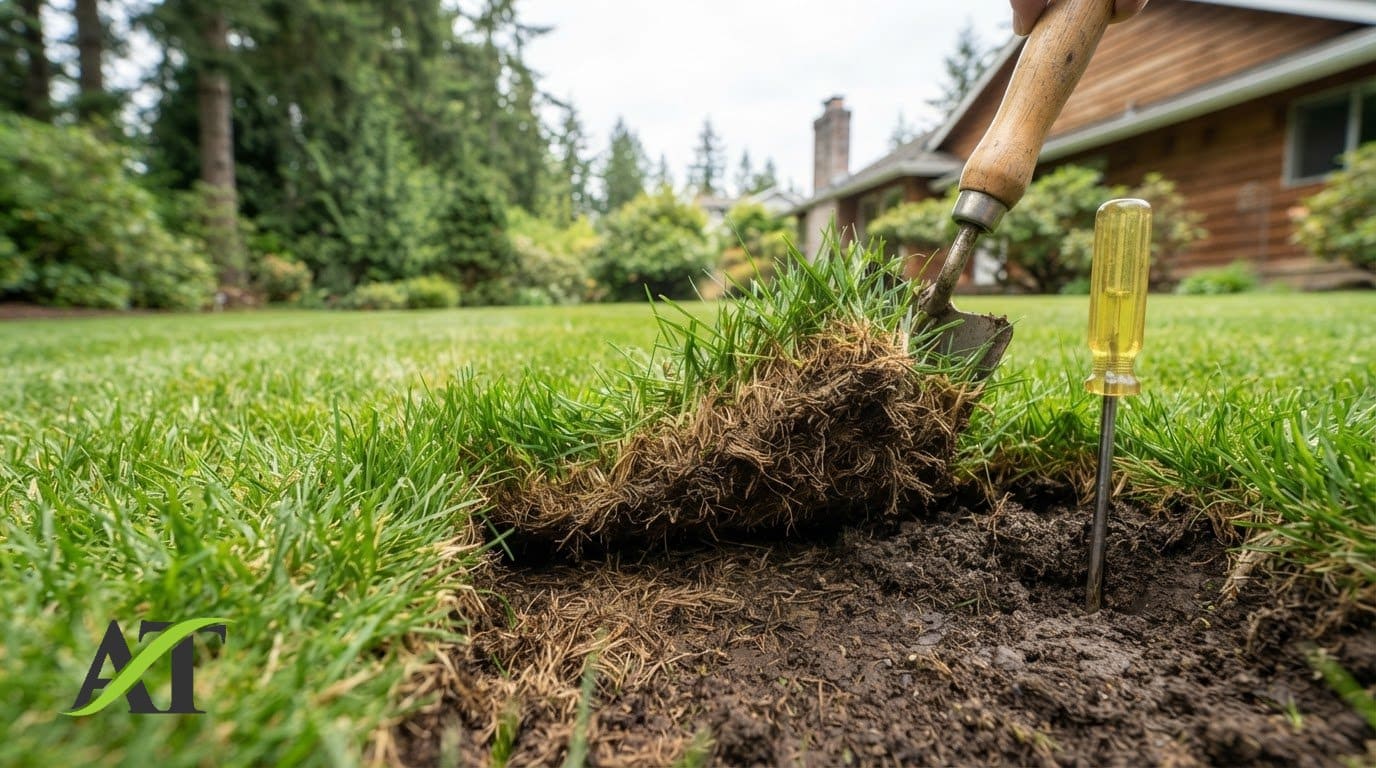
- Use a screwdriver or garden fork to check whether compacted soil is part of the problem, then consider Core Aeration when the soil is hard to penetrate.
- Check the thatch layer separately from compaction; a layer greater than 1/2 inch can interfere with water, air, and fertilizer reaching the soil.
- Look for shade, irrigation, or drainage issues in persistently thin areas before adding seed. Repeated overseeding won’t solve an underlying site problem.
- Address soil quality, thatch, and compaction before Overseeding, and choose a season when the grass is actively growing.
Soil compaction and aeration
Compaction can restrict root growth and leave grass thin, even after seeding. Check the soil first, then choose a treatment that fits what you find.
-
Assess Soil Compaction
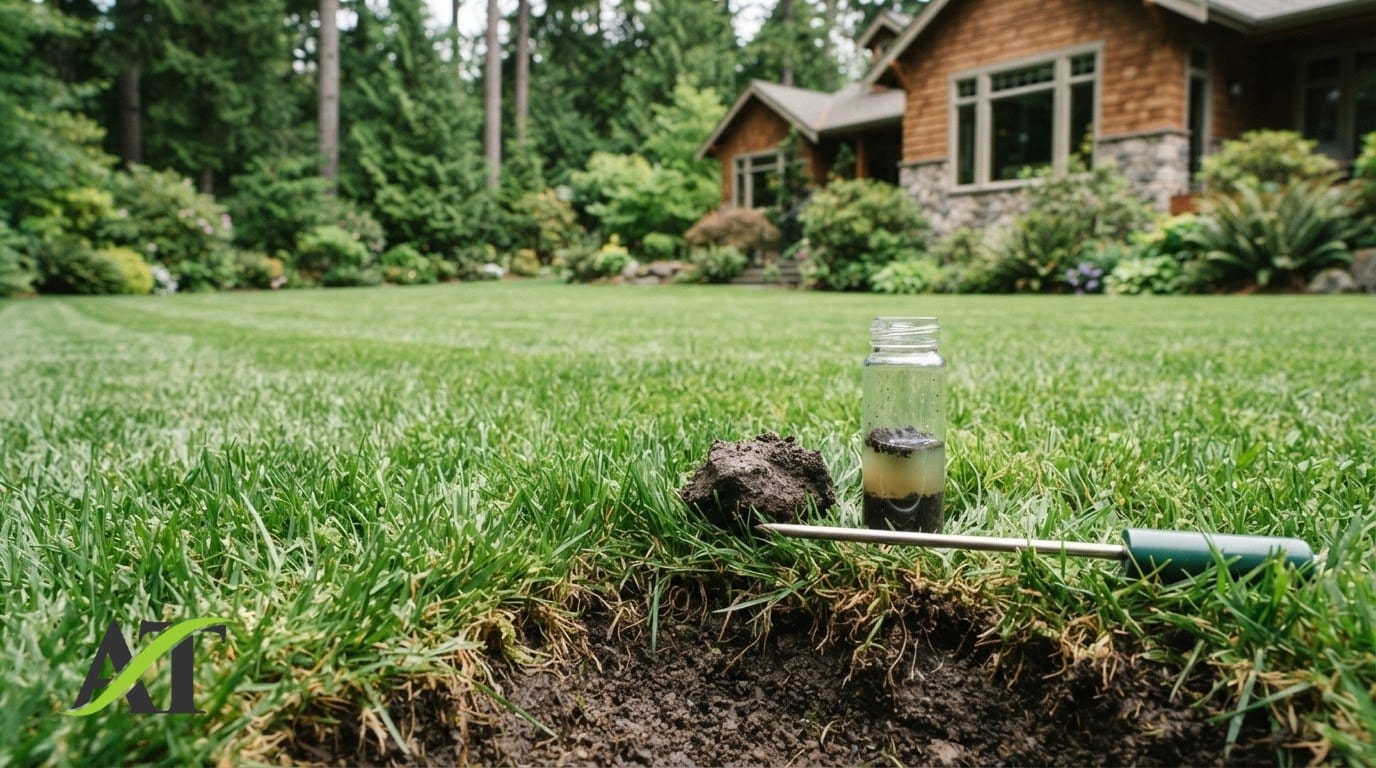
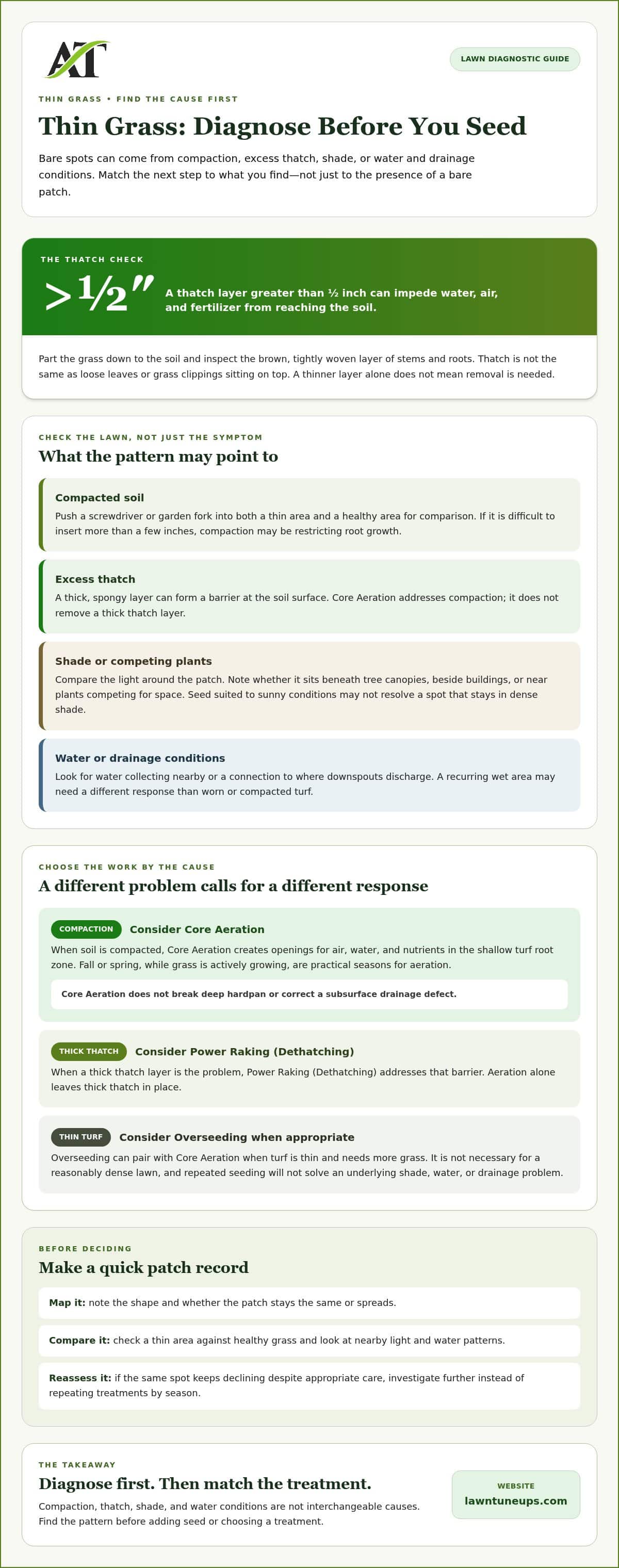
Push a screwdriver or garden fork into both a thin area and a healthy area for comparison. If it is difficult to insert more than a few inches, compaction may be restricting root growth. Don’t diagnose compaction from bare patches alone: shade, excess thatch, and drainage issues can also thin grass.
-
Aerate Compacted Soil
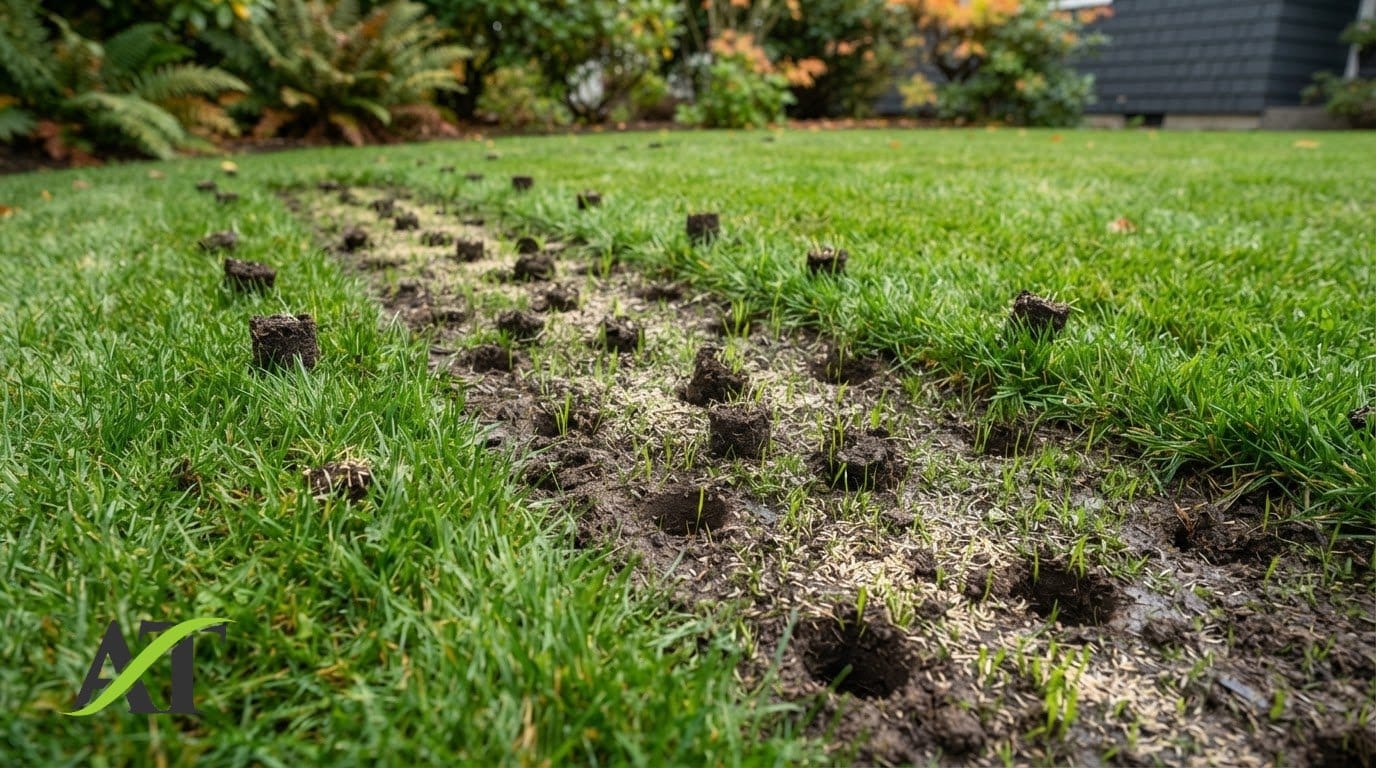
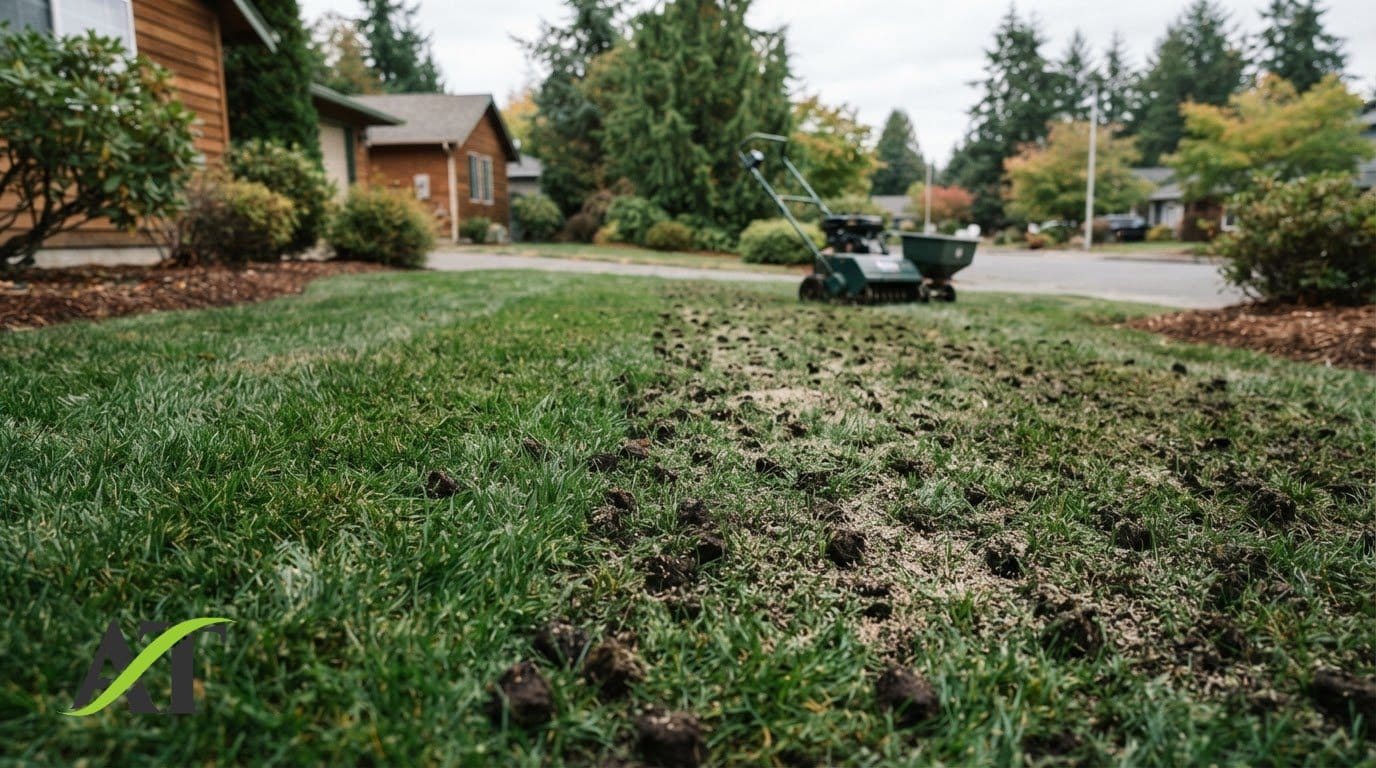
Use Core Aeration when compacted soil needs openings for air, water, and nutrients to reach the shallow turf root zone. Fall or spring, while grass is actively growing, are practical seasons for aeration. To improve compacted soil organically before overseeding, aerate first, then add compost and seed so it can reach the soil. Core Aeration won’t break deep hardpan or correct a subsurface drainage defect.
-
Build Soil Health with Compost and Testing
Spread compost in a thin layer to add organic matter without burying the grass. Before applying lime or Organic Fertilizing, test the soil to understand its pH and nutrient needs. Match amendments to the results; applying products without a specific need may not address the cause of weak growth.
-
Manage Fallen Leaves
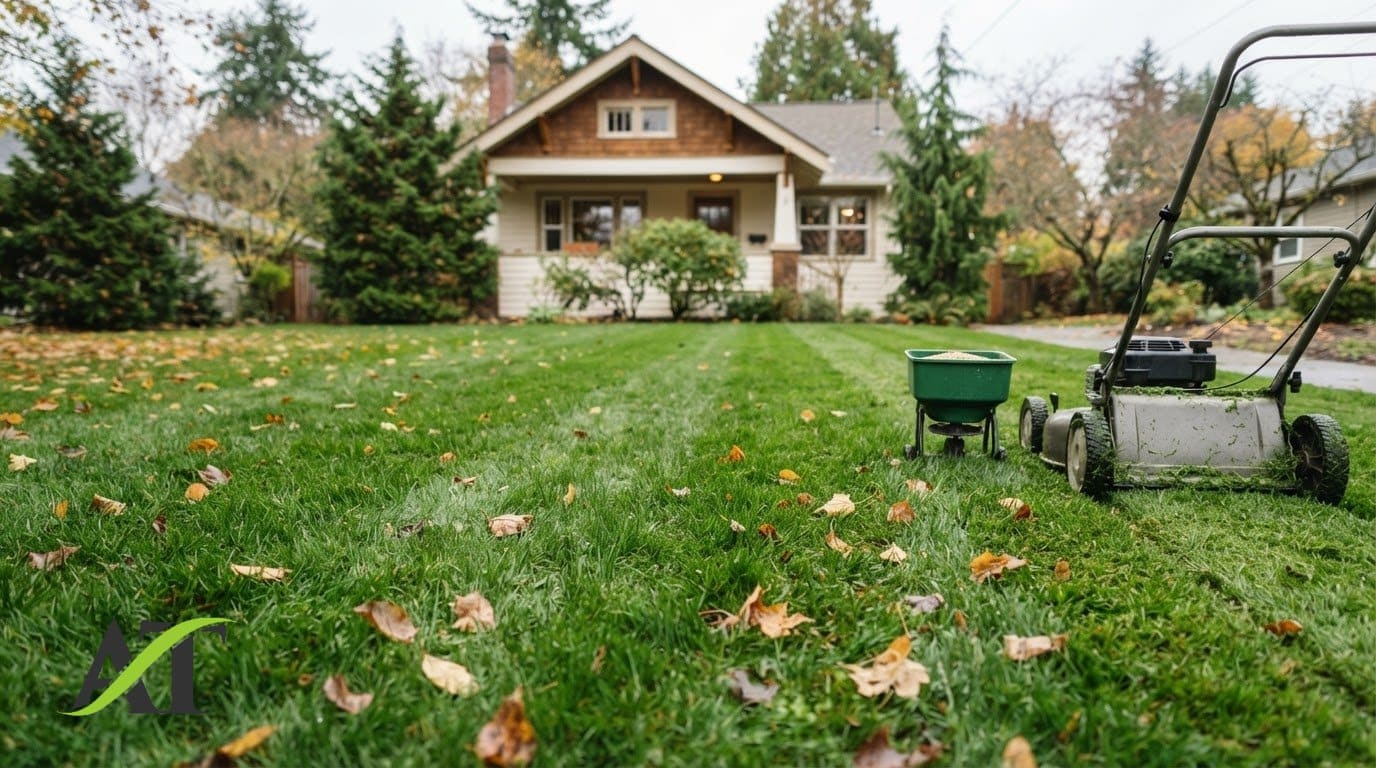
Mow over scattered leaves to shred them so they don’t form a dense mat over the grass. Leave leaf litter in garden beds or beneath trees, where it can support wildlife, while keeping lawn blades exposed to light and air.
-
Limit Weeds While Repairing Thin Grass
For weed management, homeowners can pull isolated weeds before they spread seed and encourage dense grass with suitable seed and soil care. Keep mowing consistent with the one-third rule: remove no more than one-third of a blade at a time. Avoid disturbing newly seeded areas during weed removal.
Core aeration and thatch management
Core Aeration and Dethatching address different problems. Check the thatch layer first, then choose the work that will improve the soil surface and support new seed.
- Measure thatch before treating the lawn. Part the grass down to the soil and inspect the brown, tightly woven layer of stems and roots. Thatch is different from loose leaves or grass clippings resting on top. If the layer is greater than 1/2 inch, it can impede water, air, and fertilizer movement. A thinner layer alone doesn’t mean the lawn needs removal.
- Choose Dethatching (Power Raking) when a thick, spongy thatch layer is the problem, not when soil is simply compacted. Removing excess thatch exposes the soil surface and reduces the barrier to water and nutrients. Core Aeration can help with soil compaction, while a thatch problem may call for separate attention. Aeration alone will leave a thick thatch layer in place.
- Plan Core Aeration when the grass is actively growing. Fall or spring can suit cool-season lawns, and aeration may be done once a year as growth begins. Avoid working saturated ground, which can smear or damage the surface. Don’t expect aeration to correct a drainage defect below the root zone or break deep hardpan.
- Pair Core Aeration with Overseeding when turf is thin and needs more grass. Overseeding is not necessary for a reasonably dense lawn, and Core Aeration alone does not include seed or fertilizer. Keep foot traffic off newly seeded areas and follow aftercare guidance, including watering and mowing. Match each task to the cause of thinning rather than repeating treatments by season.
If a thick thatch layer or recurring thin patches make the next step unclear, ask about your lawn and describe what you found.
Identifying causes of bare or thinning grass
Before choosing organic solutions for thinning grass in Woodway, record what the affected area looks like and how it changes. A clear pattern can help distinguish a local stressor from a lawn-wide issue.
- Sketch the thin areas and note their shape. A narrow strip beside a well-used route may point to foot traffic, while scattered spots suggest another pattern. Mark whether each patch stays the same or spreads, then compare it again later.
- Compare the light around each patch. Note whether grass thins beneath tree canopies, beside buildings, or in open areas. If a spot remains thin in dense shade, repeatedly adding grass seed suited to sunny conditions is unlikely to solve the mismatch.
- Look for a connection between the thin patch and a feature in the yard. Check where downspouts discharge, where water collects, and whether nearby plants compete for space. A recurring wet area or a patch beside a large tree may need a different response than worn turf.
- Check whether thinning affects one small area or the whole lawn. Widespread decline can point to a broader condition, while a single patch may have a local cause. Note recent changes in yard use or landscaping to help narrow the possibilities.
- Use these observations to guide your next step. Organic solutions for thinning grass in Woodway should fit the site: choose seed suited to the area’s light and intended use, and investigate further if the same spot keeps declining despite appropriate care.
For a bare or thin patch you plan to reseed, gently loosen the soil surface with a rake or hand tool to create a shallow seedbed. Focus preparation on the affected area, guided by its observed boundaries. Note where you worked so you can compare the patch during later checks. This prepares the surface but does not replace checking for shade, water patterns, yard use, or other conditions linked to thinning.
If identifying the grass type is part of the investigation, keep centipedegrass in mind: it is an exception to the statement that all grass types are heavy feeders. That exception is worth retaining when considering the lawn, rather than applying a general description to every grass type. Grass type alone does not identify the cause of a bare or thin patch, so consider it alongside the site observations when deciding what to address.
Seeding and overseeding timing
Choose a time when grass can grow and you can manage aftercare. For Woodway lawns, consider soil conditions and seed type along with the season.
- Plan Overseeding for a period of active grass growth. Fall or spring may suit cool-season grass. Avoid seeding when the lawn is under significant stress or you can’t provide consistent aftercare.
- Match the seed to the yard’s light and use. The Premium 60/40 Sun & Shade Mix suits lawns with varying sun and shade, but it won’t correct a site mismatch. Consider how much light the thin area receives and how the lawn is used before selecting a blend.
- Use soil temperature as a practical timing guide for the Premium 60/40 Sun & Shade Mix and Seattle-area Overseeding. The preferred window is around 55-75°F (13-24°C) in the soil. This is a service preference, not a strict cutoff, a universal optimum, or a germination guarantee. Other seed types may prefer different temperatures.
- Prepare the seedbed so seed can reach the soil. Address barriers such as dense turf or thatch, then spread seed where it can contact the surface. Moisture, soil conditions, weather, and aftercare all affect establishment, so suitable temperatures alone cannot ensure seed growth.
- Plan watering and traffic control before you seed. Newly seeded soil needs consistent moisture as grass establishes, and foot traffic can disturb seed or young plants. Avoid seeding when drought or other conditions make steady care difficult. Organic Fertilizing can supply nutrients, but it won’t replace seedbed preparation or aftercare.
In the Woodway area, seed between August 15 and September 15 for optimal cool-season establishment, though early spring is also acceptable. During these active growing seasons, water repairs once or twice a day until green growth appears and implements organic solutions for thinning grass Woodway.
Aerating Thatching: Lawn Tune Up
Aerating Thatching Co.’s Lawn Tune-Up combines Core Aeration, Overseeding, and Fertilizing for lawns with compaction and thin turf that needs new grass. Core Aeration works in the shallow turf root zone. It won’t fix deep hardpan, drainage defects, or persistent shade, so identify those conditions before choosing seed.
Match the treatment to what you find. If compacted soil and sparse grass are the main issues, Core Aeration and Overseeding may fit. If excess thatch is blocking the soil surface, aeration alone won’t remove it. Ask Stewart about your lawn to discuss a practical next step.
Choose a repair plan that fits your lawn
Before choosing a treatment, note where thinning appears and whether the pattern changes with yard use or landscaping. That record can help clarify whether organic solutions for thinning grass in Woodway should focus on adding grass or addressing another site condition.
Aerating Thatching Co.’s Lawn Tune-Up combines Core Aeration, Premium Overseeding, and Starter Fertilizer. It may suit a lawn with compacted soil and thin turf. If shade, persistent wetness, or another condition is driving the decline, identify that issue before relying on new seed to fill the area.
Share what you’re seeing to discuss a practical next step for your lawn.
A clear diagnosis gives you a sensible starting point for caring for new growth.
Frequently Asked Questions
Need Help With Bare Spots or a Thin Lawn?
Start by describing where the grass is sparse and how the area is used. A patch beside a play area may need a different assessment than one under trees. Aerating Thatching Co. offers the Lawn Tune-Up, which combines Core Aeration, Premium Overseeding, and Starter Fertilizer for lawns that need soil openings and added grass. The right treatment depends on the cause of thinning.
Should I Put Synthetic Chemicals on My Lawn?
Use lawn products only when they suit a diagnosed need and follow their label instructions. A soil test can help guide fertilizer or lime decisions instead of guesswork. Organic Lawn Fertilizer is another option for supplying nutrients. Consider young grass when choosing any treatment, since some products can interfere with seed establishment.
What Causes Thinning Grass?
Thinning grass can result from shade, compacted soil, excess thatch, uneven moisture, drainage issues, or repeated wear. Look for clues across the yard: grass worn along a path suggests traffic, while a persistently damp patch calls for a closer look at water movement. Compare the affected area with healthy turf nearby before deciding whether to seed or address another condition.
What Causes Thinning Grass in Woodway, Washington?
No single cause applies to every Woodway lawn. Check the affected area for differences in sunlight, foot traffic, soil firmness, and how moisture behaves after rain or watering. These observations can help narrow the problem, but recurring bare patches may need further diagnosis before reseeding. Choose seed and repair steps that suit the conditions in that part of the yard.
Article by
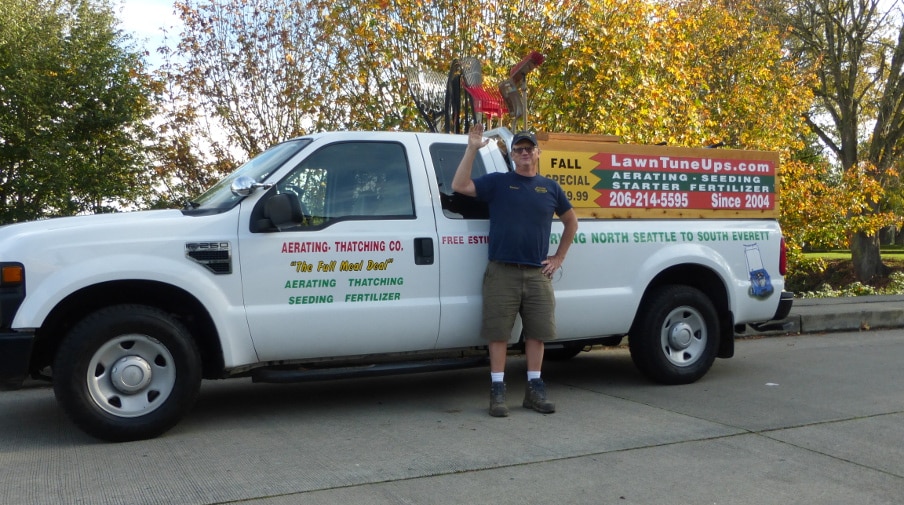
Stewart Armour
Stewart Armour is the owner of Aerating Thatching Co., an owner-operated Seattle-area lawn restoration business established in 2004. He helps homeowners understand Core Aeration, Power Raking (Dethatching), Overseeding, soil conditions, and the aftercare needed for stronger lawns. His background includes turf management study, advanced golf course turf training, and continuing education through Wilbur-Ellis University, State Turf Facilities, Soil First Academy, and Golf Course Applied Turf Physiology. Stewart has personally evaluated thousands of residential lawns throughout the Seattle area and focuses on recommending the work that fits each lawn’s condition.