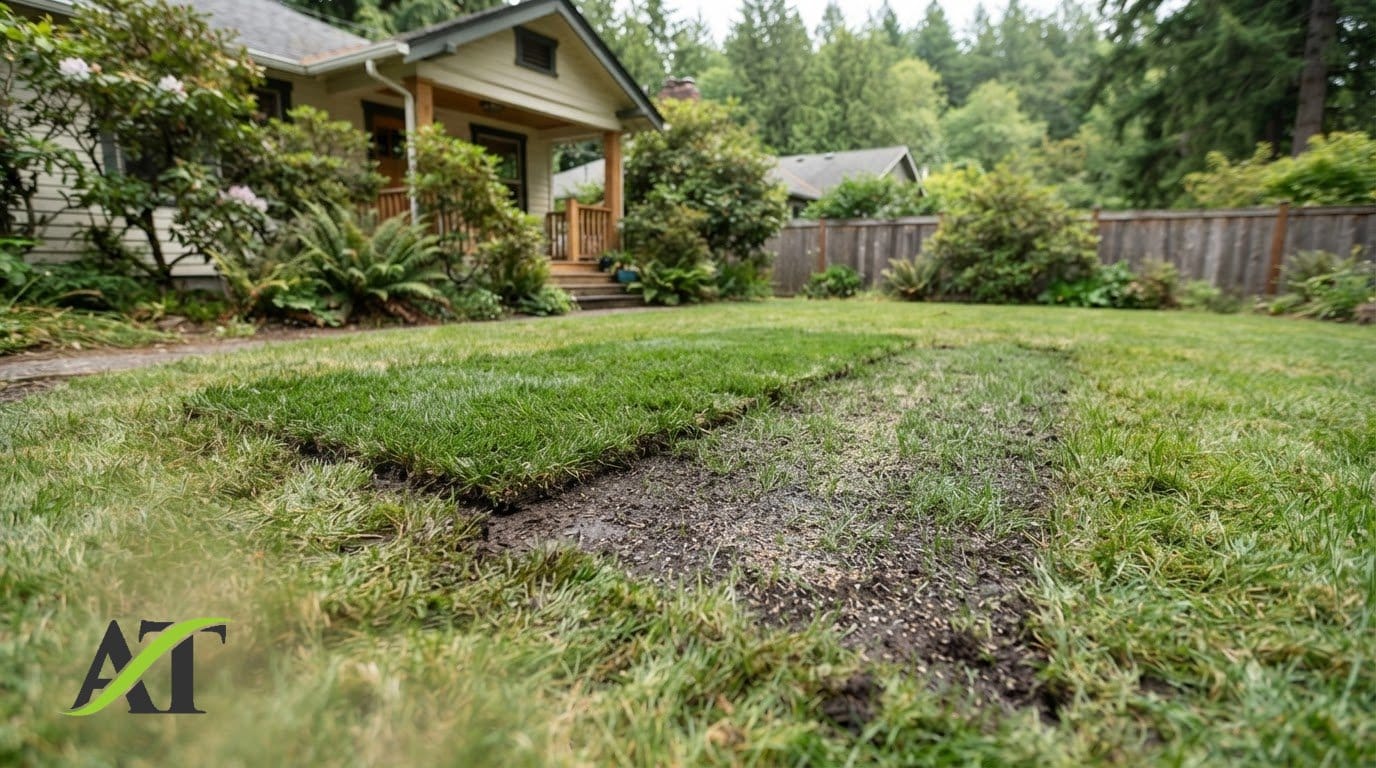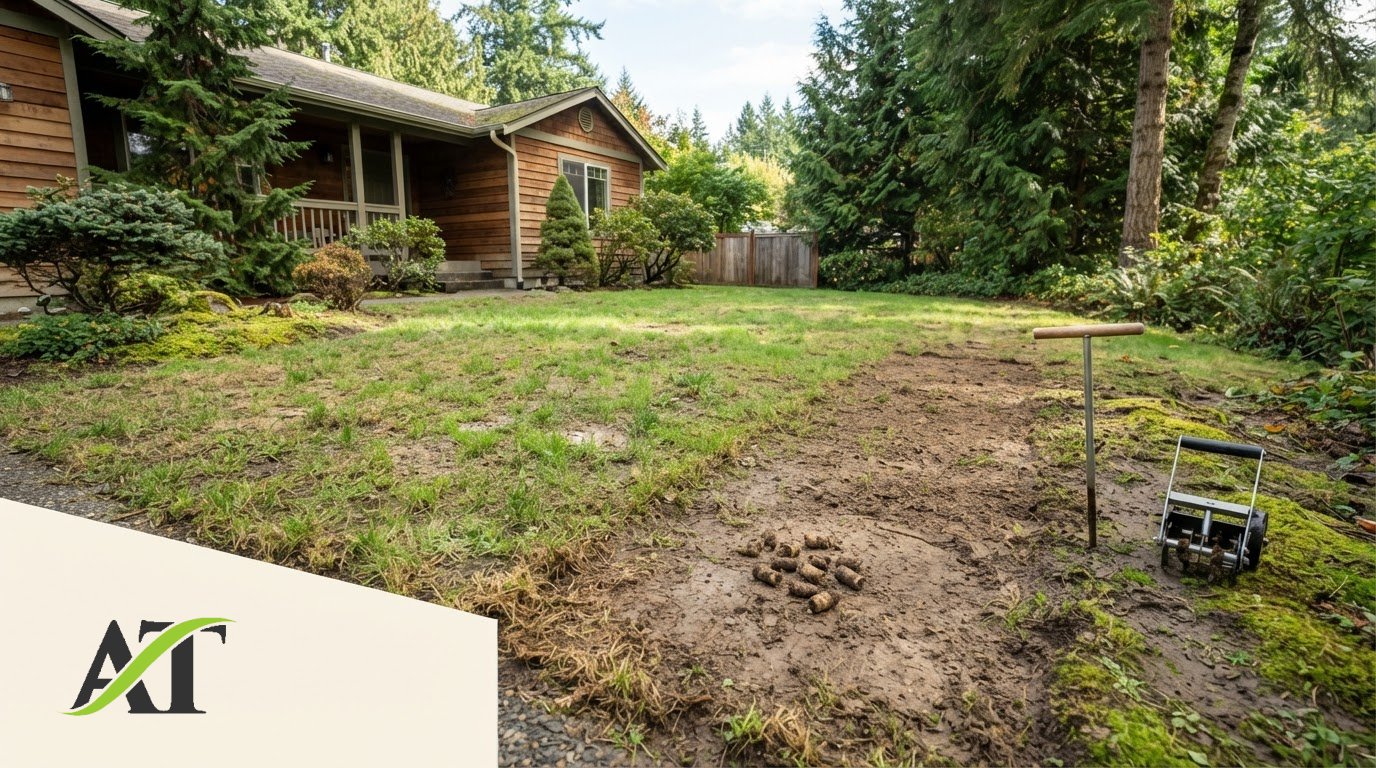
What if treating every bare patch makes the problem worse? If you’re searching for “fixing a neglected lawn Snohomish,” start by identifying what is limiting the grass. Thinning can result from compaction, excess thatch, shade, watering issues, or drainage. The right first move is to diagnose the likely cause, not choose the biggest treatment.
It’s frustrating when a lawn keeps thinning and one fix doesn’t address the problem. This guide helps Snohomish homeowners assess what they’re seeing and choose a response that fits. Learn how Core Aeration, Overseeding, and Power Raking (Dethatching) differ, and when a problem may need further diagnosis instead of another treatment.
A Lawn Tune-Up combines Core Aeration, Overseeding, and Fertilizing. The Full Meal Deal includes those treatments plus Power Raking (Dethatching). Knowing what each service includes helps you choose a sensible next step without treating the lawn for problems it doesn’t have.
Key Takeaways
- Before choosing a treatment, look for clues such as thin turf, bare patches, compacted ground, thatch, or persistent moss.
- Match the treatment to the likely cause: Core Aeration targets compaction in the shallow root zone, while Overseeding adds seed to thin or bare areas.
- Consider Power Raking (Dethatching) when excess thatch is the concern, rather than treating it as a necessary step for every lawn.
- Choose a restoration scope that fits the lawn’s condition. Seek further diagnosis when drainage, shade, or irrigation may be the main constraint.
Fixing a Neglected Lawn in Snohomish Starts with Finding the Cause
Thin turf, bare patches, compacted ground, visible thatch, and persistent moss are signs that a lawn needs attention, but they don’t all point to the same problem. A bare area under a tree may be struggling with shade, while a firm surface may suggest compaction. Before choosing a treatment, look at where the symptoms appear and whether they affect the whole lawn or specific areas.
What to check before choosing a lawn repair
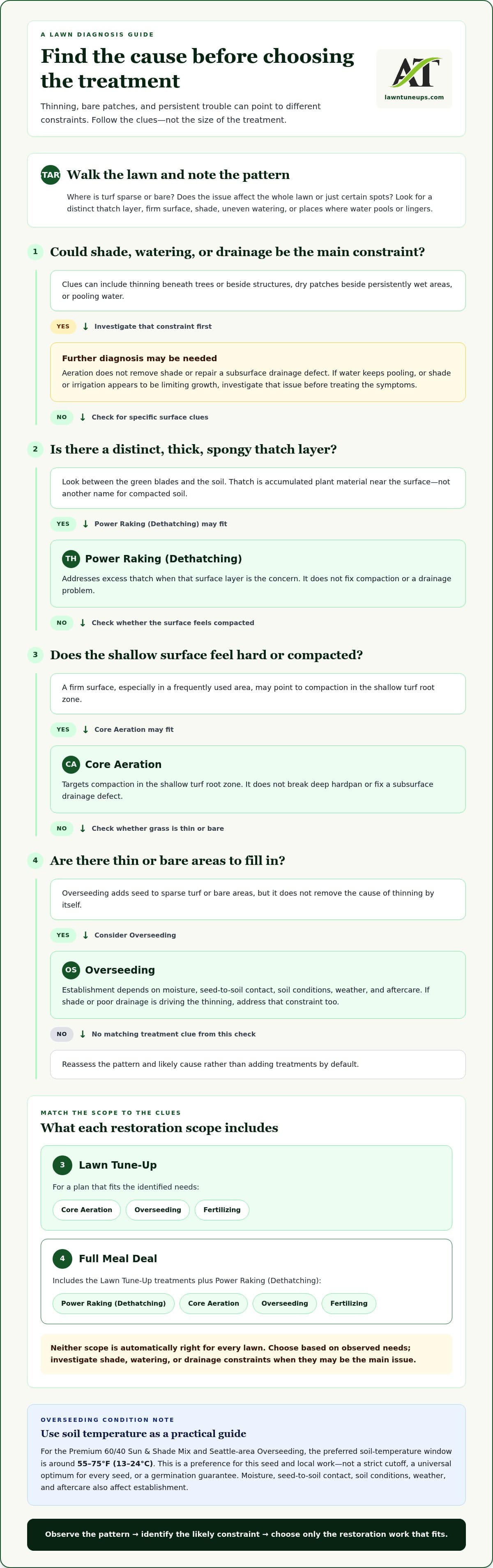
Walk the yard and note where the grass is sparse and where it remains healthy. Look for patterns: thinning beneath trees, wear along a frequently used path, or trouble in low spots. This broad overview of lawns provides general background, but the pattern and conditions on your own property should guide the next step.
- Thatch: Dead grass stems and roots can collect between green blades and the soil. A distinct, thick, spongy layer may indicate excess thatch. Thatch is different from compacted soil.
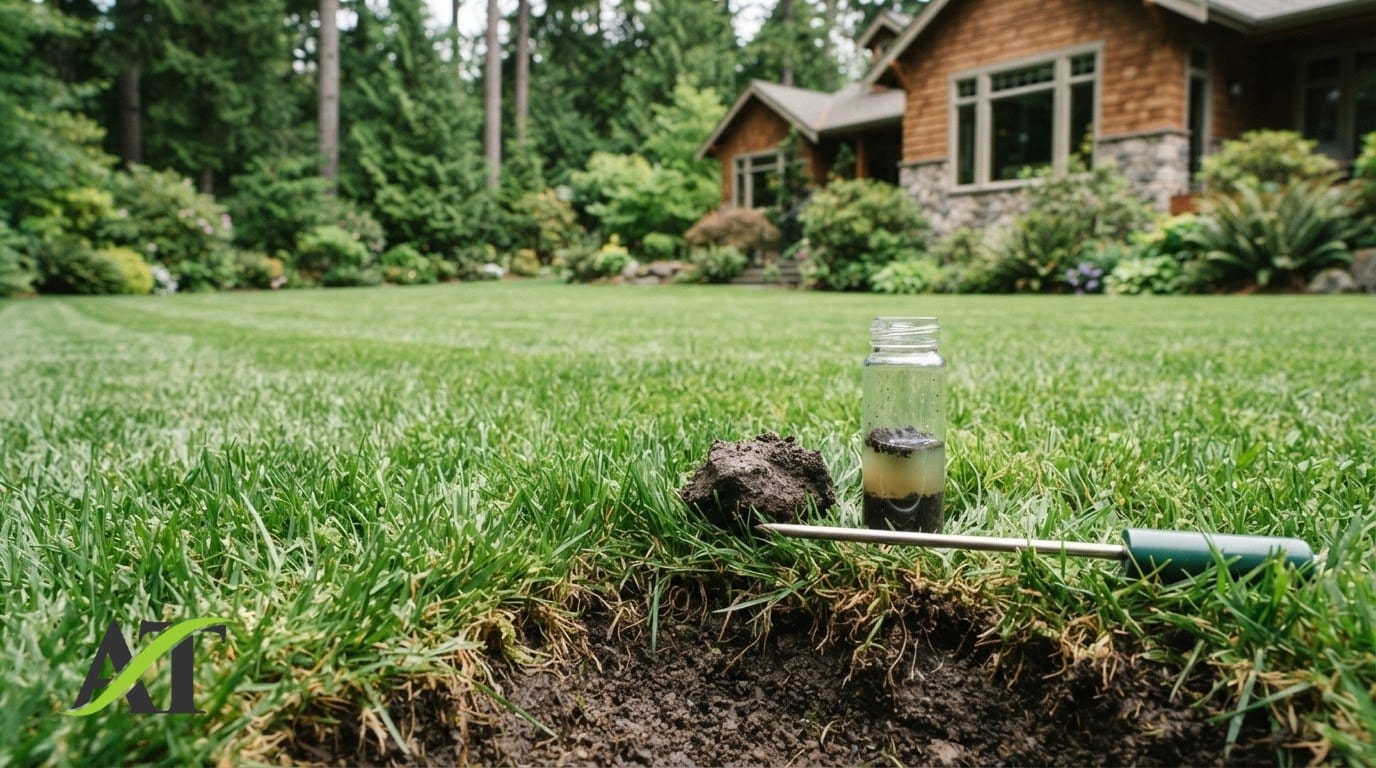
- Compaction: Soil that feels hard at the surface, especially in a frequently used area, may indicate compaction in the shallow root zone. Core Aeration addresses compaction in that zone.
- Shade: Thin growth concentrated beneath trees or beside structures may reflect limited light. Aeration won’t remove that constraint.
- Watering and drainage: Dry patches beside persistently wet areas may point to uneven watering or a drainage concern. Note where water pools and whether moisture lingers.
These clues help narrow the possibilities, but they don’t prove a cause by themselves. Distinguish surface compaction from deeper problems: Core Aeration works in the shallow turf root zone. It doesn’t break deep hardpan or repair a subsurface drainage defect. If water keeps pooling, or the pattern points to irrigation or shade as the main constraint, investigate that issue before treating aeration as the solution.
Which Lawn Restoration Treatments Fit a Neglected Snohomish Lawn?
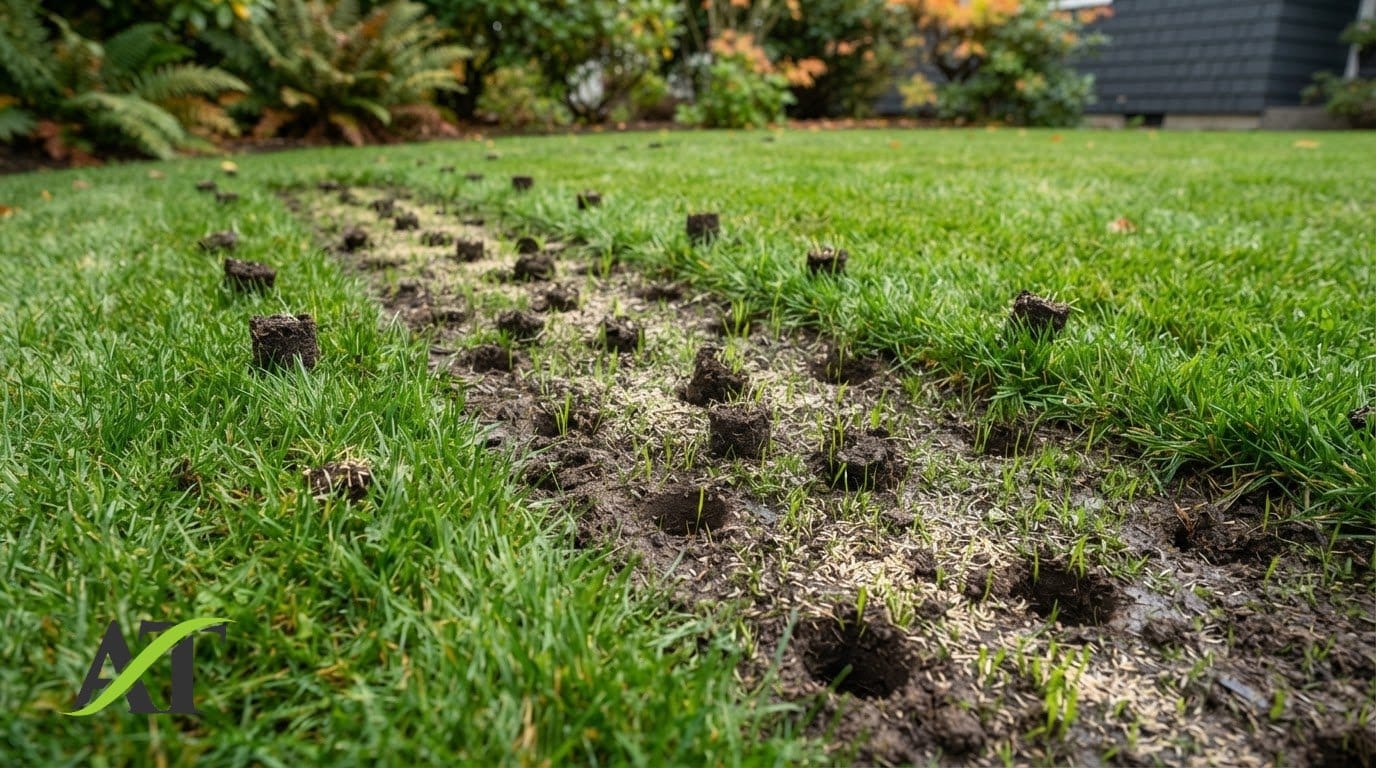
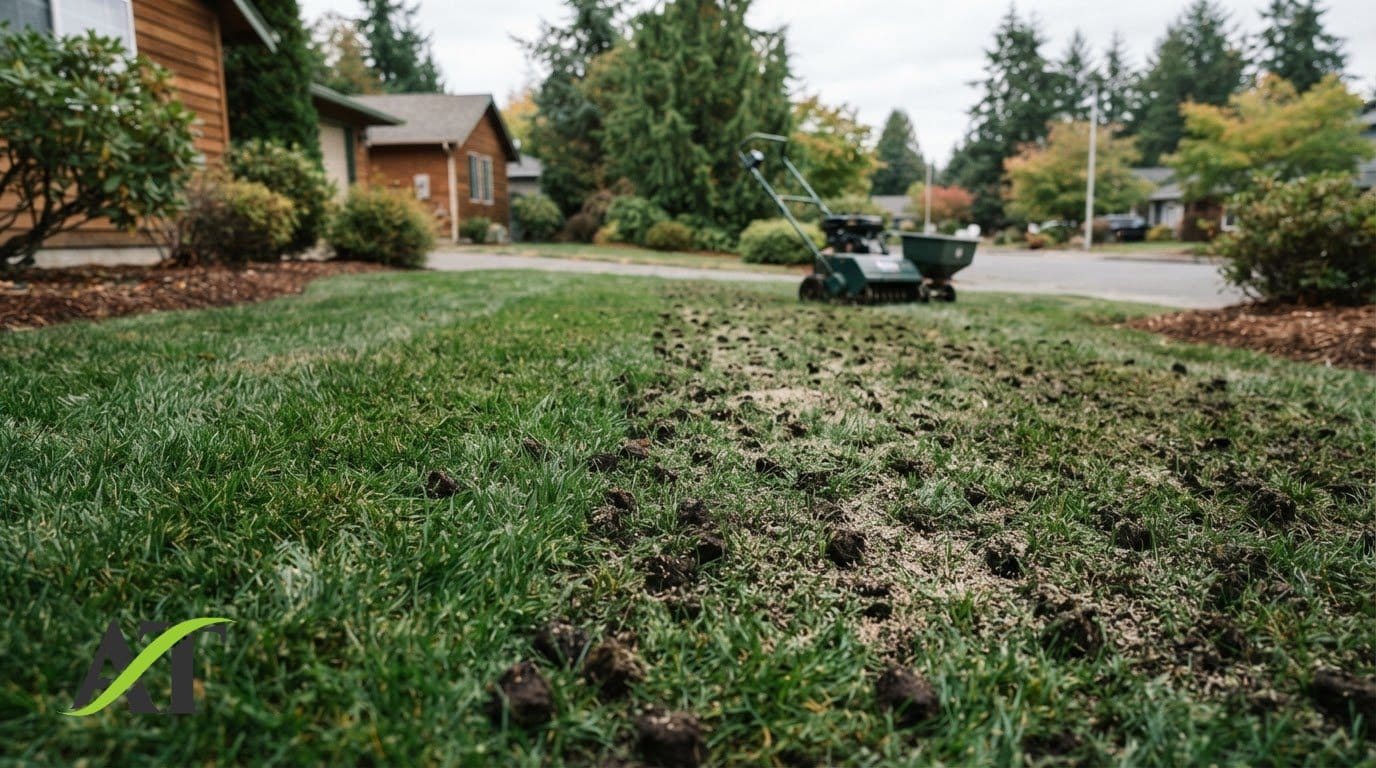
Each treatment has a different purpose. Core Aeration addresses compaction in the shallow turf root zone. Overseeding adds seed to thin turf or bare areas. Power Raking (Dethatching) removes excess thatch when that surface layer is the concern. Choose based on what you found during inspection, not on the assumption that every struggling lawn needs every treatment.
When does a lawn need dethatching rather than aeration?
Thatch is a layer of accumulated plant material near the soil surface. It isn’t another name for compacted soil, and a rough or uneven lawn doesn’t confirm that dethatching is needed. Look for a distinct, spongy layer before choosing Power Raking (Dethatching). The professional power raking guide explains this treatment in more detail.
What can overseeding improve, and what does it depend on?
Overseeding can add grass to sparse areas, but establishment depends on moisture, seed-to-soil contact, soil conditions, weather, and aftercare. Overseeding won’t remove the cause of thinning by itself. Fertilizing is included in both restoration scopes, but no treatment guarantees a particular result. To discuss which scope fits your lawn’s condition, Ask Stewart About Your Lawn.
A Practical Step-by-Step Plan for Lawn Repair in Snohomish
- Record the pattern. Note where turf is thin or bare, and whether the problem covers the whole lawn or appears in specific spots.
- Look for likely causes. Check for a distinct thatch layer or signs of compaction. Consider whether shade, uneven watering, or standing water may explain the pattern instead.
- Match the treatment. Choose work that addresses the condition you observed. Don’t add every treatment by default.
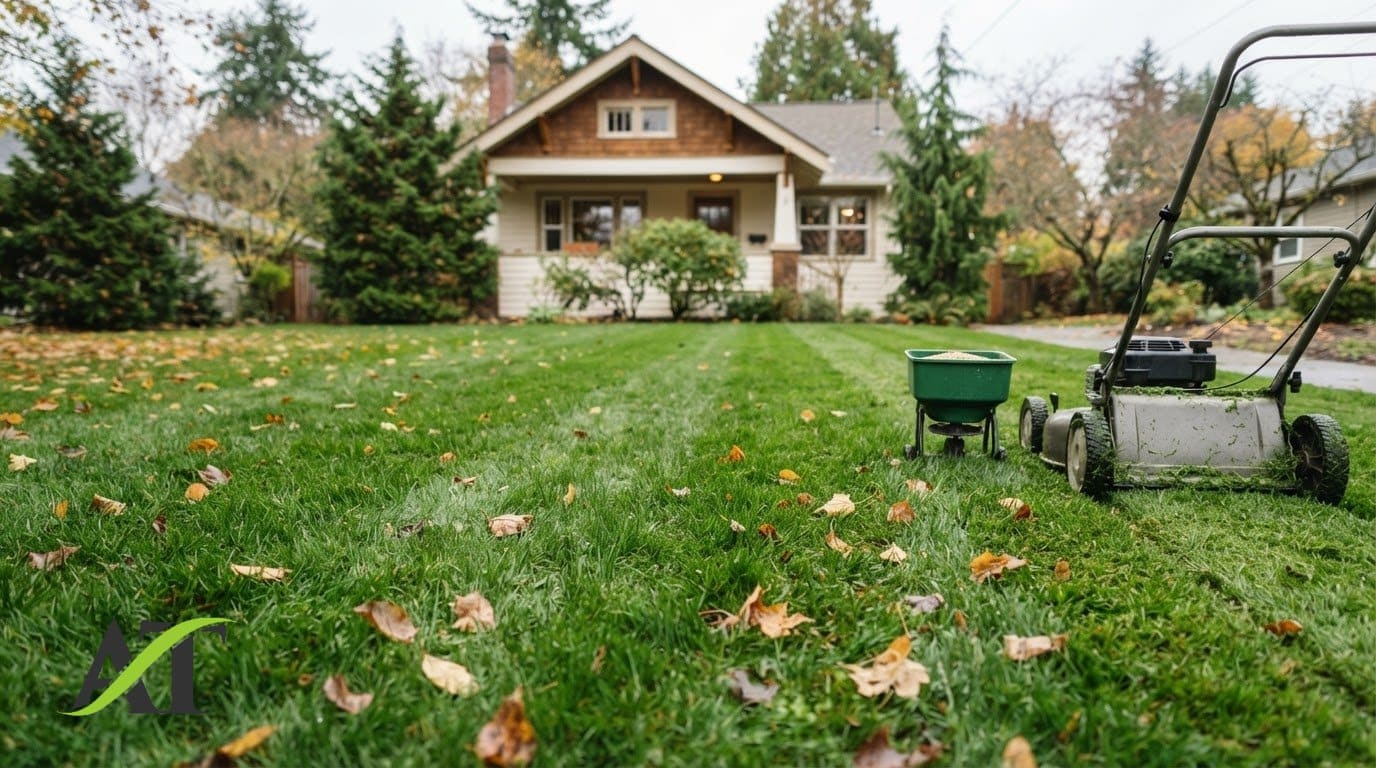
- Plan aftercare. Make sure you can follow the care instructions for the work, especially if the plan includes Overseeding.
How to avoid treating the wrong lawn problem
What to expect from overseeding conditions
For the Premium 60/40 Sun & Shade Mix and Seattle-area Overseeding, we prefer soil temperatures around 55-75°F (13-24°C) as a practical window. This is a preference for this seed and local work, not a strict cutoff, a universal optimum for every seed, or a germination guarantee. Moisture, seed-to-soil contact, soil conditions, weather, and aftercare all affect establishment.
Choose the Right Lawn Restoration Scope for Your Snohomish Property
The right scope depends on the conditions you’ve identified, not simply on how neglected the lawn looks. Start by matching the work to the observed needs. Neither service is automatically right for every lawn, especially if shade, watering, or drainage is the main constraint.
When does a Lawn Tune-Up fit better than a Full Meal Deal?
A Lawn Tune-Up includes Core Aeration, Overseeding, and Fertilizing. It may fit when the lawn needs those treatments and excess thatch isn’t part of the problem. The Full Meal Deal includes Power Raking (Dethatching), Core Aeration, Overseeding, and Fertilizing. That additional treatment makes sense when thatch is also a concern, not simply because the lawn looks tired.
How to take the next step
Before discussing a plan, note which areas are thin or bare, whether you see thatch, and where water seems to collect or grass struggles in shade. Share those observations and your property’s location. They help frame the conversation, though a description alone may not establish the cause of every lawn problem. A clear account of the symptoms is a useful starting point for discussing an appropriate restoration scope.
Take the Next Step Toward a Lawn That Fits Your Yard
A workable restoration plan doesn’t need to solve every yard issue at once. Start with the condition you can see, then decide whether the next step is targeted restoration or further investigation. That keeps the work focused and gives you a clear basis for deciding what to address now and what may need attention later.
When fixing a neglected lawn, Snohomish homeowners can start by noting which areas are thin, bare, shaded, or holding water. Aerating Thatching Co. provides lawn restoration services in Snohomish and nearby communities, including North Seattle, Shoreline, Edmonds, Lynnwood, Mill Creek, Bothell, Kenmore, Lake Forest Park, Mountlake Terrace, Everett, Brier, Woodway, Green Lake, Ballard, and Greenwood.
A healthier lawn starts with a sensible plan. Note what your yard needs, then Ask Stewart About Your Lawn.
Frequently Asked Questions
Can aeration fix every neglected lawn?
No. Core Aeration works in the shallow turf root zone and can address compaction there. It won’t break deep glacial hardpan or correct a subsurface drainage defect. If water repeatedly collects in the same spot or turf stays sparse under a tree, investigate drainage or shade before choosing restoration work. Irrigation issues and other causes may need further diagnosis.
How do I know if my lawn needs dethatching or aeration?
Look for the condition each treatment addresses. Power Raking (Dethatching) is for a thatch concern, while Core Aeration targets compaction in the shallow turf root zone. A soft, spongy layer near the soil surface differs from ground that feels firm underfoot. Since similar-looking lawn problems can have different causes, inspect first rather than choosing a treatment by appearance alone.
Is overseeding enough to repair bare patches?
Overseeding can help fill thin turf and bare areas, but it may not address why those spots formed. Seed needs contact with the soil, and establishment also depends on moisture, soil conditions, weather, and aftercare. A bare patch beneath a tree or beside a persistently wet area may face shade or drainage constraints. Consider those conditions before expecting seed alone to restore the area.
What soil temperature is preferred for the Premium 60/40 Sun & Shade Mix?
For this seed and Seattle-area Overseeding, we prefer soil temperatures around 55-75°F (13-24°C) as a practical window. Soil temperature matters, not just afternoon air temperature. This is our preference, not a strict cutoff, a universal optimum for every seed type, or a germination guarantee. Moisture, seed-to-soil contact, soil conditions, weather, and homeowner aftercare also affect establishment.
What happens if the main problem is drainage rather than compacted soil?
Core Aeration won’t repair a subsurface drainage defect or break deep hardpan. Before selecting aeration, note whether water remains in particular areas or whether the surface simply feels compacted. Persistent pooling calls for further diagnosis of the drainage concern. A Lawn Tune-Up or Full Meal Deal may address other lawn conditions, but neither should be treated as a fix for an underlying drainage or irrigation problem.
Article by
Stewart Armour
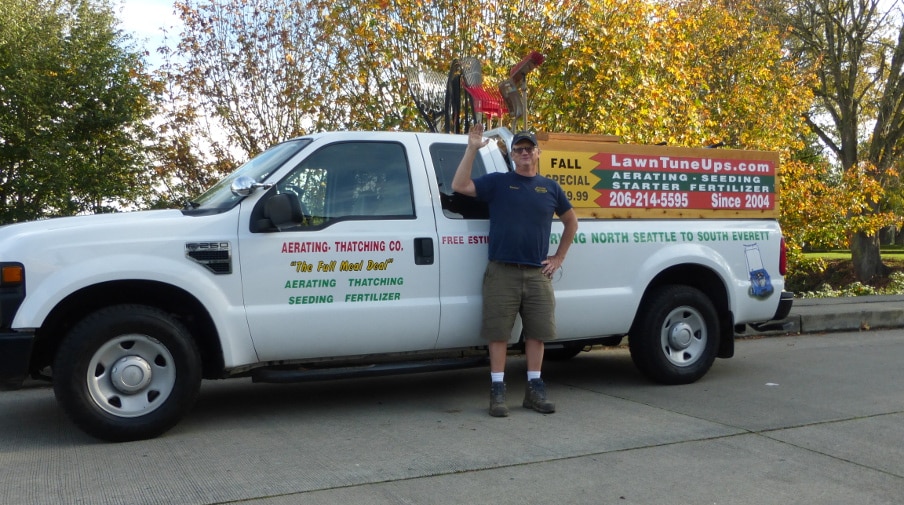
Stewart Armour is the owner of Aerating Thatching Co., an owner-operated Seattle-area lawn restoration business established in 2004. He helps homeowners understand Core Aeration, Power Raking (Dethatching), Overseeding, soil conditions, and the aftercare needed for stronger lawns. His background includes turf management study, advanced golf course turf training, and continuing education through Wilbur-Ellis University, State Turf Facilities, Soil First Academy, and Golf Course Applied Turf Physiology. Stewart has personally evaluated thousands of residential lawns throughout the Seattle area and focuses on recommending the work that fits each lawn’s condition.