Most homeowners think buying more seed is the secret to a thin lawn, but without the right mechanical preparation, you’re just feeding the birds. It’s a common mistake that leads to wasted money and a yard that still looks worn out. You’ve likely dealt with moss creeping in during the damp PNW months or felt confused by conflicting advice on when to plant. We understand the frustration of a lawn that won’t cooperate. That’s why we’ve compiled these expert overseeding tips to help you reclaim your curb appeal.
In this guide, we share the professional secrets you need to achieve a thick, durable lawn in 2026. You’ll learn why we focus on soil temperatures between 55°F and 75°F rather than air temperature for reliable germination. We’ll also explain how maximizing seed-to-soil contact through Core Aeration and Power Raking (Dethatching) transforms your results. We’ll preview how our signature Lawn Tune-Up, which combines Core Aeration, Overseeding, and Fertilizing, provides the essential restoration your soil requires. For lawns struggling with heavy thatch or moss, we’ll discuss the Full Meal Deal. This comprehensive service adds Power Raking (Dethatching) to the mix for maximum impact. From timing the local climate to choosing the right professional services, you’re about to get a no-nonsense roadmap to a healthier yard.
Key Takeaways
- Target soil temperatures between 55°F and 75°F to ensure your grass seed germinates consistently and establishes deep roots.
- Maximize seed-to-soil contact by using Core Aeration to create pockets where new growth can thrive instead of drying out on top of thatch.
- Use these professional overseeding tips to decide if your yard needs a standard Lawn Tune-Up or the more intensive Full Meal Deal for mossy areas.
- Understand that while proper moisture and soil conditions are vital, results are influenced by weather and environment rather than absolute guarantees.
What is Overseeding and Why Your Lawn Needs It
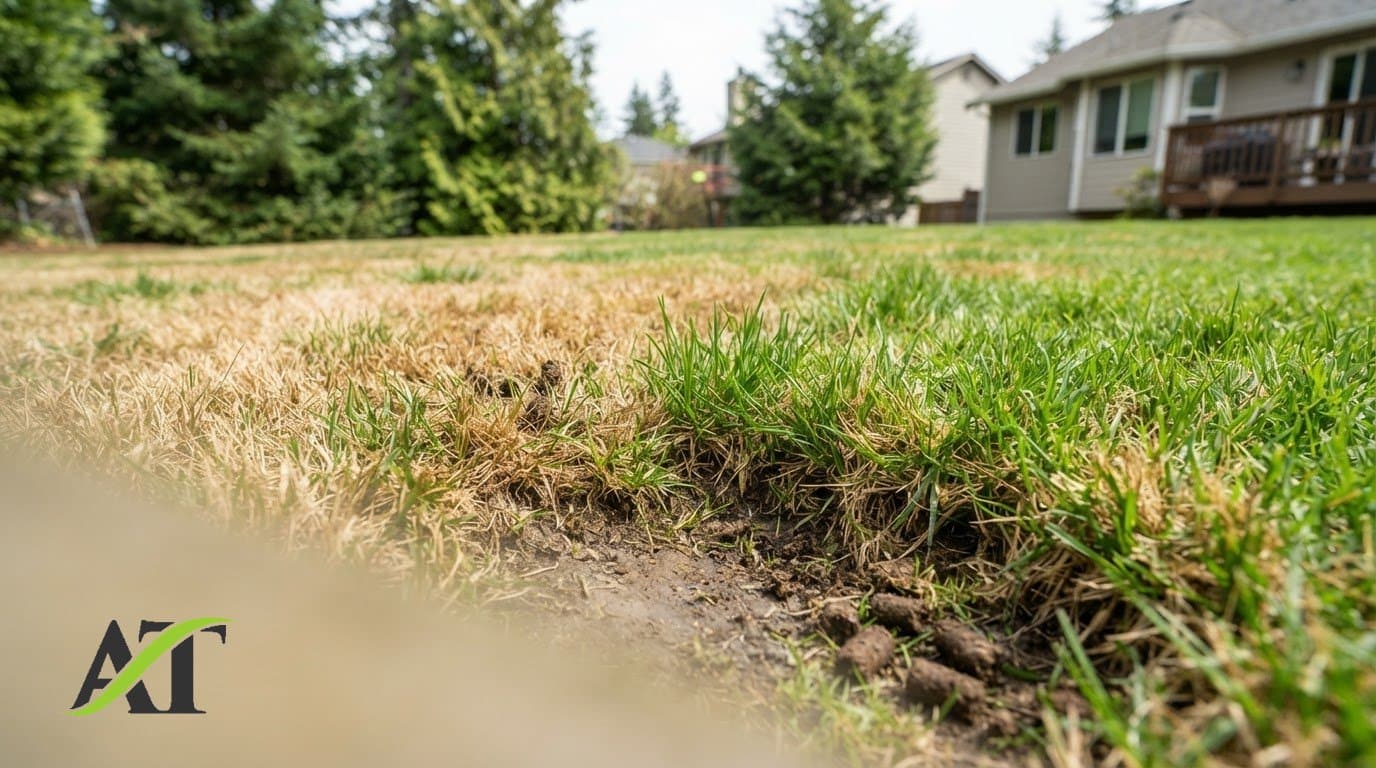
Overseeding is the process of planting grass seed directly into existing turf to increase its density. It isn’t just about throwing seed on top of grass. It’s a strategic method used in What is Overseeding to keep a yard healthy without excessive chemicals. For homeowners in Edmonds or Shoreline, this is the most cost-effective way to fight moss invasion. Moss thrives in our damp PNW climate where grass is thin. Following professional overseeding tips allows you to fill bare spots and crowd out weeds before they take hold.
A thick lawn naturally resists disease and pests better than a sparse one. However, there’s a big difference between tossing a bag of seed and professional lawn restoration with overseeding. Professional restoration involves mechanical preparation to ensure the seed actually reaches the dirt. You need to create a hospitable environment for new growth to survive. This is why mechanical steps are non-negotiable for a successful outcome in our local soil conditions.
The Difference Between Reseeding and Overseeding
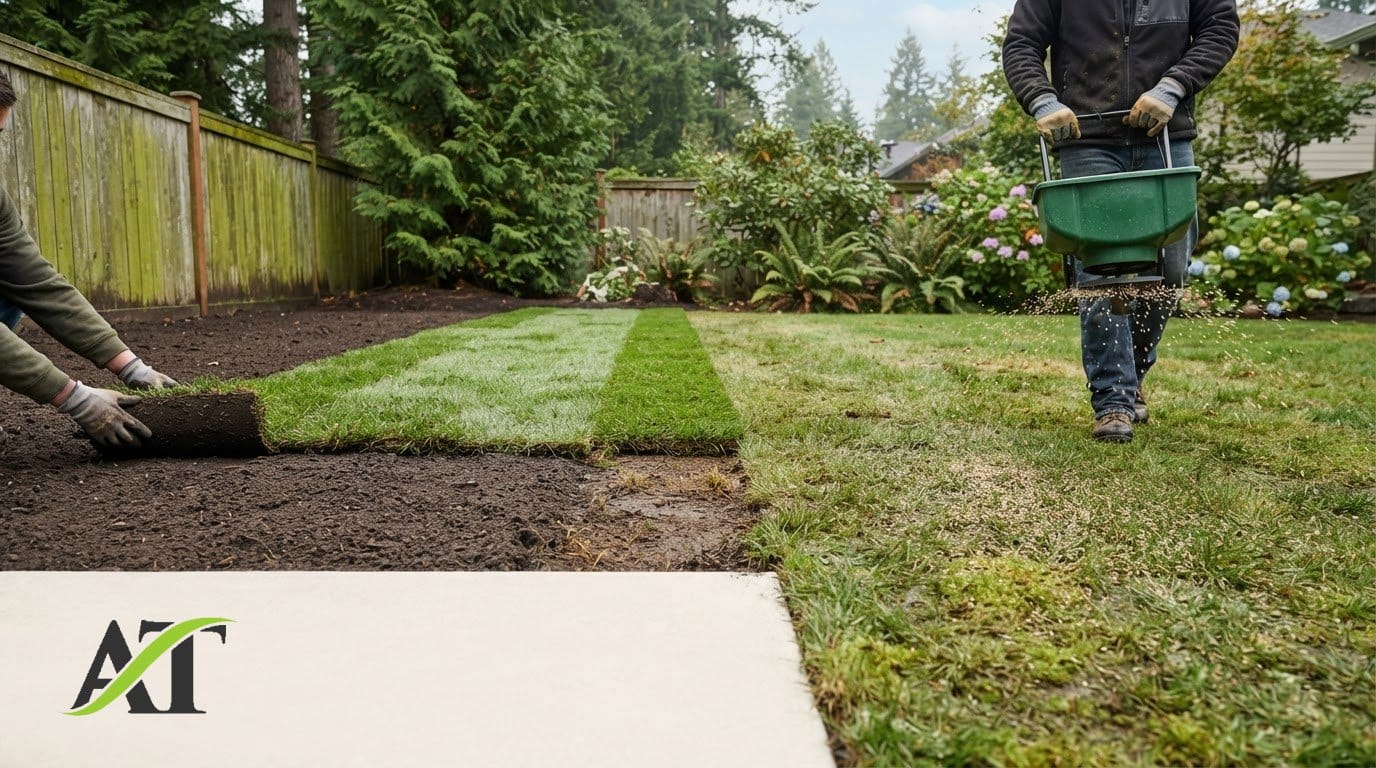
Reseeding involves starting from bare dirt. You’d typically do this if you were tilling the entire yard to start over. Overseeding works with your current lawn. It’s much less disruptive for established yards in North Seattle. You don’t have to deal with the mud and mess of a total overhaul. Instead, you’re just making your current grass better. It’s a faster way to see results without the high cost of sod. These overseeding tips focus on enhancing what you already have.
Our Lawn Tune-Up is built around this concept. It includes Core Aeration, Overseeding, and Fertilizing to give your lawn a boost. If your yard has heavy thatch or moss buildup, we recommend the Full Meal Deal. This service includes Power Raking (Dethatching), Core Aeration, Overseeding, and Fertilizing for a complete mechanical restoration. These specific components work together to ensure the seed has the best chance to grow and thrive.
The Science of Success: Critical Soil Temperature for Germination
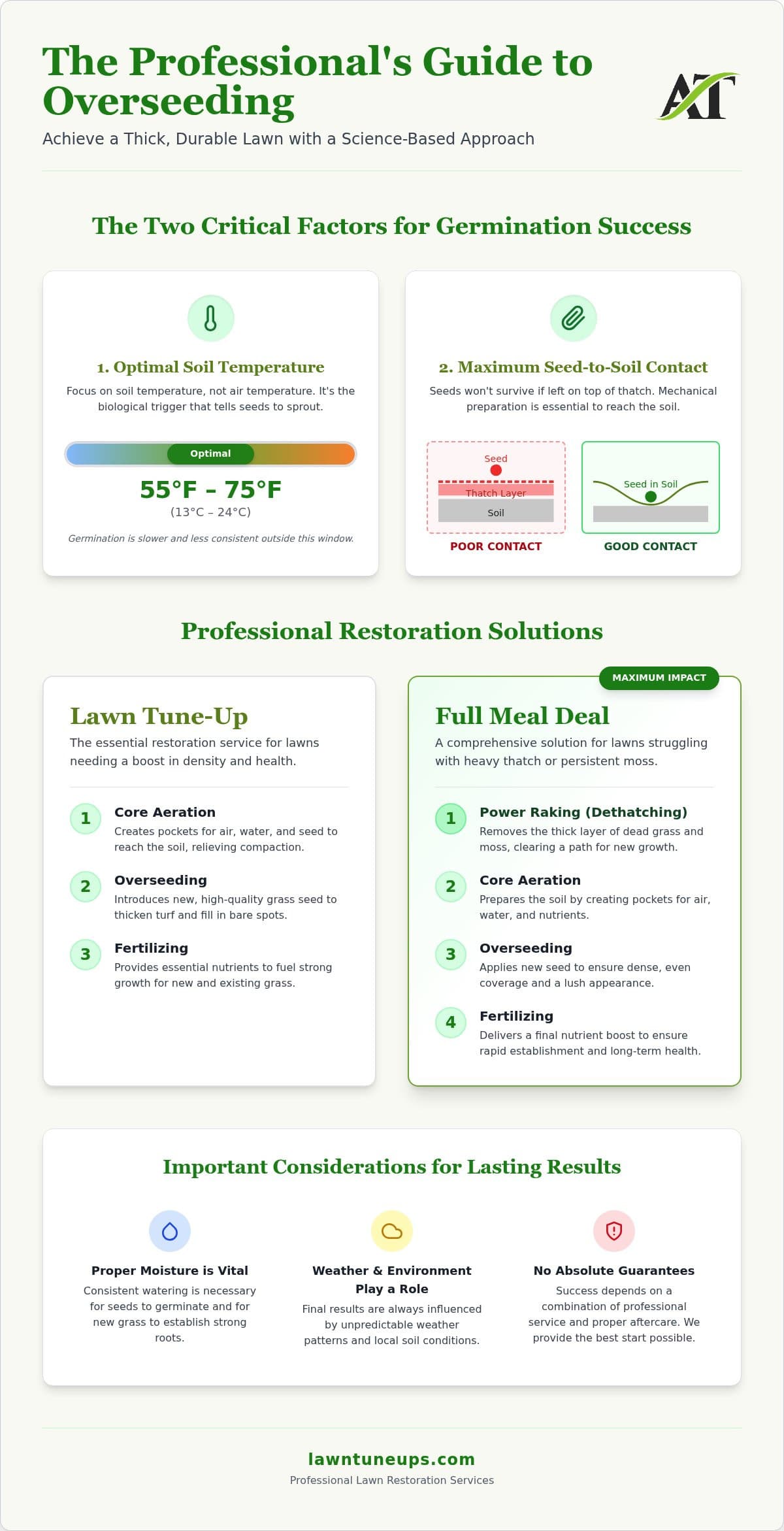
Air temperature is a poor indicator of when your lawn is ready for new growth. The biological trigger for germination happens underground. Soil temperature determines when grass seed actually ‘wakes up’ and begins to sprout. For the cool-season grasses common in our region, the optimal soil temperature range is 55°F–75°F (13°C–24°C). While germination can happen outside this window, it’s typically slower, less consistent, and produces less reliable establishment.
Attempting to seed when the ground is too cold or too hot often leads to wasted effort. Temperatures outside the 55°F–75°F range result in patchy results and poor root development. If you’re a homeowner in Mill Creek or Bothell, don’t rely on the local weather report alone. Use a soil thermometer to check the ground temperature at a depth of two inches. This is one of the most practical overseeding tips for ensuring your investment doesn’t go to waste.
Why Timing Matters in the Pacific Northwest
Success in Snohomish County requires balancing our signature dampness with enough warmth for growth. Seeding too early in the spring usually means the seed sits in cold, saturated ground where it eventually rots. Conversely, seeding too late in the fall leaves tender new shoots vulnerable to early frost damage before they can establish. We always remind customers that results are influenced by moisture, soil conditions, and unpredictable weather patterns.
We schedule our Lawn Tune-Up services specifically to hit these biological windows. By integrating Core Aeration, Overseeding, and Fertilizing when conditions are prime, we give the grass its best shot. If your lawn is currently overwhelmed by moss or heavy thatch, you might need the Full Meal Deal. This service adds Power Raking (Dethatching) to the process to clear a path for new growth. You can request a quote today to find out if the current soil temperature is right for your property.
Maximizing Seed-to-Soil Contact with Core Aeration
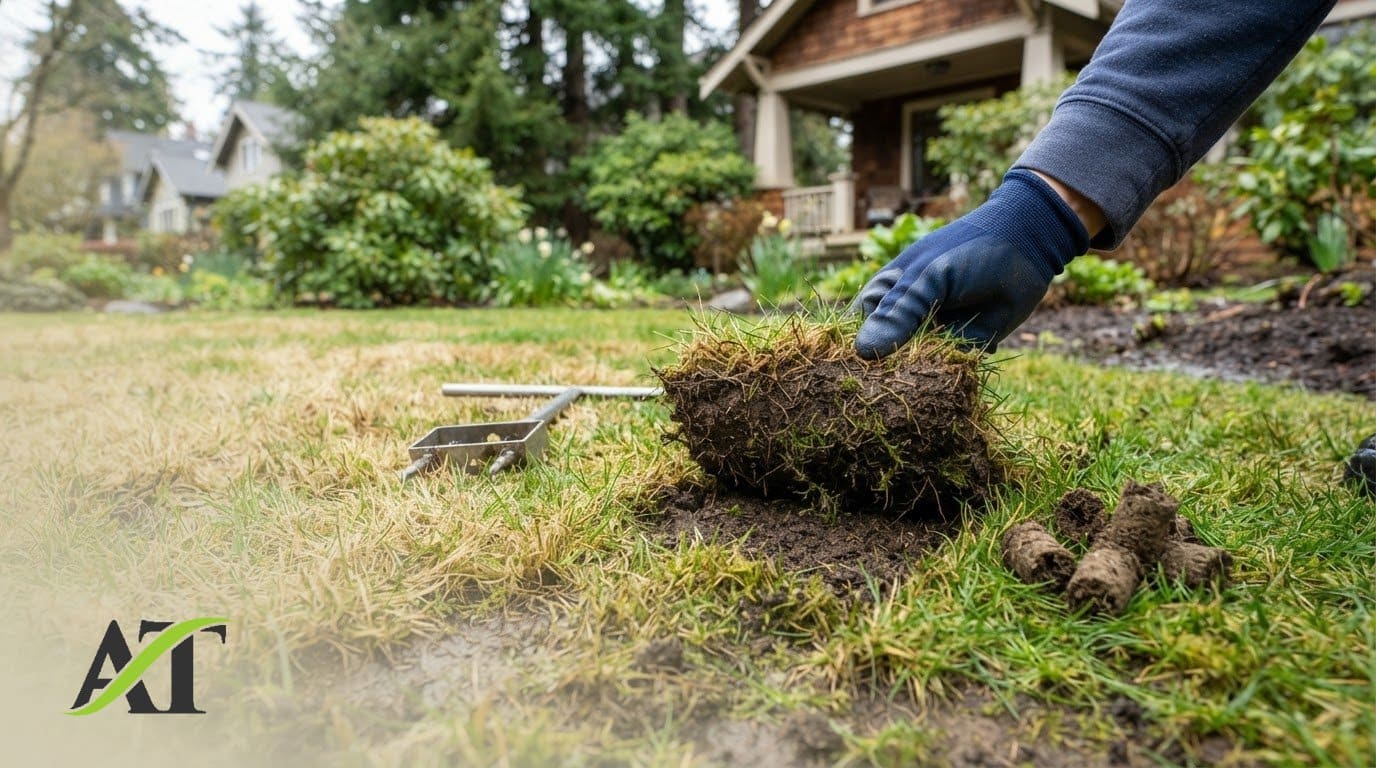
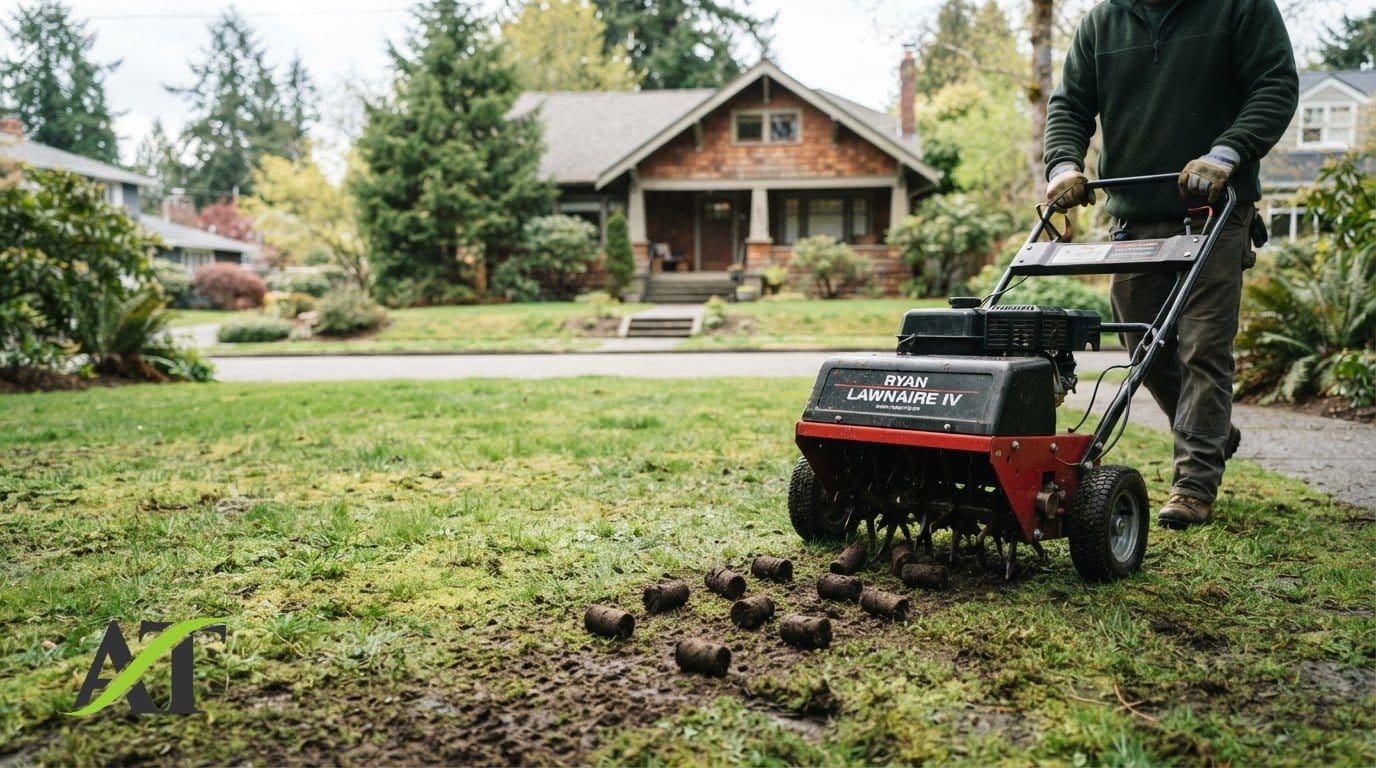
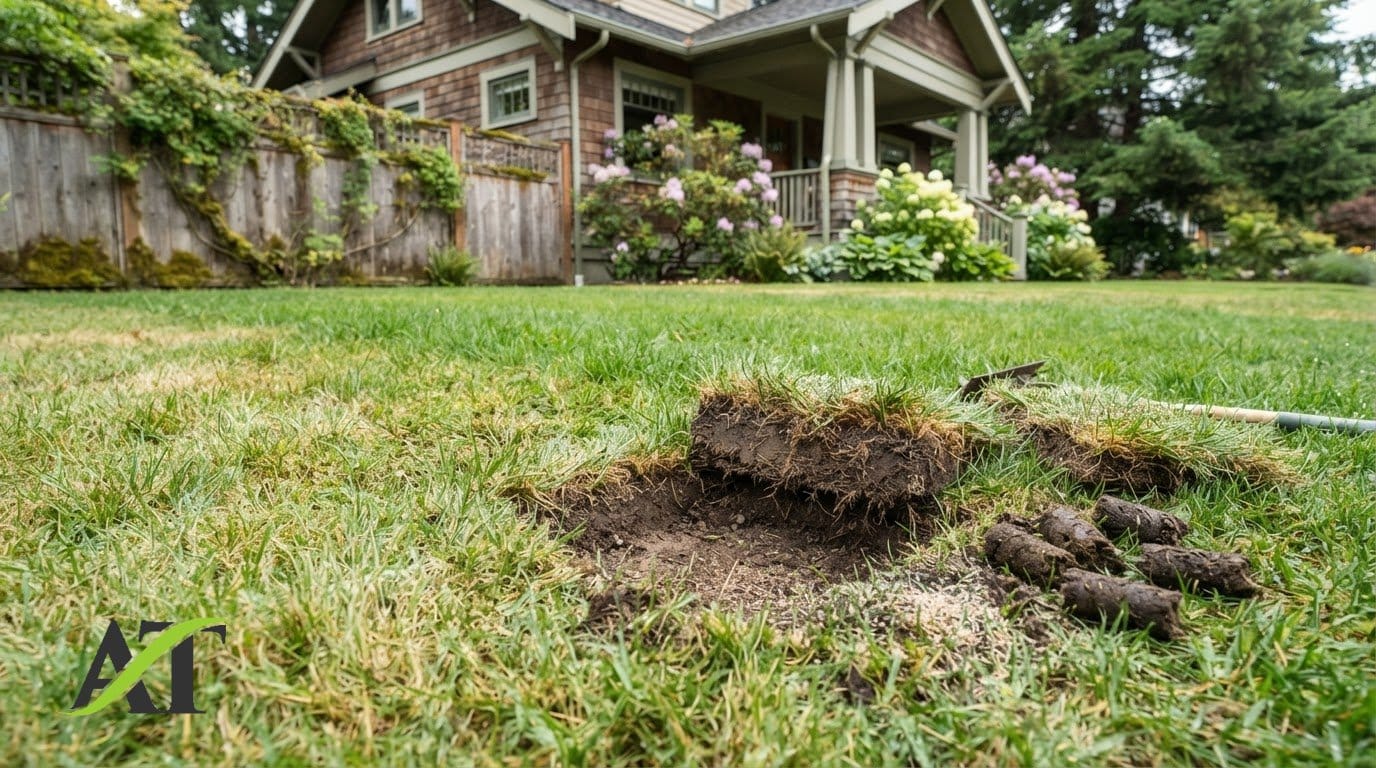
Grass seed is fragile. If it sits on top of a thick layer of dead grass, it won’t survive the first dry spell. One of the most critical overseeding tips is ensuring maximum seed-to-soil contact. Without it, your new grass never stands a chance. Core Aeration is the professional standard for creating this contact. By pulling small plugs of soil from the yard, we create thousands of tiny pockets where seed can settle and stay moist.
Beyond just holding the seed, Core Aeration relieves the heavy soil compaction common in North Seattle and Snohomish County. Compressed dirt acts like concrete, blocking air, water, and nutrients from reaching the root zone. Opening these channels allows the new roots to dive deep quickly. If your lawn feels spongy or has a visible layer of brown material at the base, you likely have a thatch problem. Seed cannot penetrate heavy thatch, so we often recommend Power Raking (Dethatching) to clear the way before we begin.
Preparing the Surface for New Growth
Your preparation starts with the mower. Mow your lawn lower than usual before the service. This allows sunlight to reach the soil surface and prevents existing grass from shading out the new sprouts. Following these overseeding tips ensures your lawn is ready for the transformation. For yards with a significant barrier between the seed and the earth, we use Power Raking (Dethatching). This mechanical process rips out the dead organic matter that prevents growth. It’s a standard part of our Full Meal Deal, which also includes Core Aeration, Overseeding, and Fertilizing. If you only need a boost, our Lawn Tune-Up provides the Core Aeration, Overseeding, and Fertilizing necessary for a healthy start. Results depend on moisture and soil conditions, as we don’t offer absolute guarantees on germination.
Aftercare Tips and Professional Restoration Solutions
Proper aftercare is just as important as the mechanical work itself. Once we finish the restoration, your primary job is moisture management. You must keep the soil surface moist but not flooded until germination occurs. If the seed dries out after it starts to sprout, it will die. These overseeding tips are essential for protecting your investment in the weeks following the service. We don’t offer absolute guarantees on germination because results are heavily influenced by moisture, seed-to-soil contact, soil conditions, and unpredictable weather patterns.
Our professional standard for maintaining a healthy yard is the Lawn Tune-Up. This service consists of Core Aeration, Overseeding, and Fertilizing. It’s designed to provide the essential mechanical and nutritional boost your turf needs to stay thick. For yards that have been neglected or are overrun with moss, we offer the Full Meal Deal. This comprehensive restoration includes Power Raking (Dethatching), Core Aeration, Overseeding, and Fertilizing. It clears away the barrier of dead material so the new seed can reach the dirt.
When to Call a Professional in North Seattle
Sometimes a bag of seed from the local hardware store isn’t enough. If you see heavy moss, standing water, or dirt so hard it won’t absorb rain, you need mechanical help. Hard soil prevents roots from diving deep, while moss signals that your grass is losing the battle for space. A professional Lawn Tune-Up in Seattle ensures that the right equipment and professional timing are used. We use commercial grade aerators and power rakes that go deeper and work harder than rental units. We understand the specific needs of our local climate and provide the expert overseeding tips and services to help your lawn thrive again.
Ready to Transform Your Lawn?
Achieving a thicker lawn requires more than just high-quality seed. Success depends on hitting the right biological windows and ensuring your seed finds a home in the soil through Core Aeration. These overseeding tips provide the mechanical foundation your yard needs to thrive in our local climate. We understand the specific challenges of PNW soil and how to overcome them with proper technique.
Since 2004, our local team has served North Seattle and Snohomish County using specialized mechanical restoration equipment to get the job done right. Whether you need a standard Lawn Tune-Up or the heavy-duty Full Meal Deal, we have the tools and organic fertilizing options to restore your property. Our team is ready to help you transform your outdoor space into a lush landscape you can be proud of.
Frequently Asked Questions
When is the best time for Overseeding in the Seattle area?
When is the best time for Overseeding in the Seattle area?
The best time for this service in the Seattle area is late spring or early fall. You must wait until soil temperatures are consistently between 55°F and 75°F. This range is the biological trigger for cool-season grass seed to sprout effectively. Planting when it’s too cold or too hot leads to slower, inconsistent growth. These overseeding tips help you avoid wasting seed during uncooperative weather. For those in other regions, you can find out more about how Yardworx Lawn & Landscape handles professional lawn care timing and services in Lincoln, NE.
Do I need to put topsoil over the seed?
You don’t always need to add topsoil if you use professional mechanical methods. Performing Core Aeration creates thousands of small pockets in your yard. These holes provide the necessary seed-to-soil contact and protect the new growth from drying out. While a very thin layer of organic matter can help, the pockets created by aeration are usually enough to keep the seed secure and moist during the early stages.
How often should I water after Overseeding?
You should wait to mow until the new grass reaches about three inches in height. This process usually takes three to four weeks depending on the weather. Ensure your mower blade is sharp to avoid pulling up tender new plants. Never remove more than one-third of the grass blade at a time. Following these overseeding tips ensures you don’t damage the young turf before it has a chance to establish.
Is a Lawn Tune-Up better than just Overseeding?
A Lawn Tune-Up is much more effective because it addresses the soil, not just the grass. This service includes Core Aeration, Overseeding, and Fertilizing as a complete package. It decompresses the earth so roots can breathe while providing the nutrients needed for fast growth. For yards with heavy moss or thatch, we recommend the Full Meal Deal. That service adds Power Raking (Dethatching) to the three standard restoration steps.
Article by
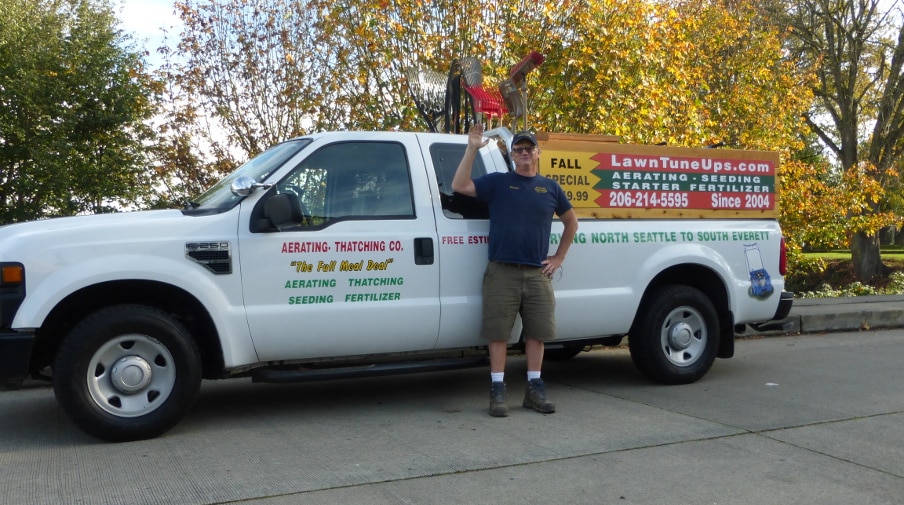
Stewart Armour
Stewart Armour is an independent lawn restoration expert, educator, and owner of Aerating Thatching Co., serving the greater Seattle area since 2004. With more than two decades of professional experience restoring Western Washington lawns, Stewart specializes in diagnosing lawn problems, improving soil health, and developing long-term lawn renovation strategies. His education includes turf management studies, advanced golf course turf training, and continuing education through Wilbur-Ellis University, State Turf Facilities, Soil First Academy, and Golf Course Applied Turf Physiology. Every article published on LawnTuneUps.com is grounded in practical field experience, current turf science, and a commitment to helping homeowners understand the why behind every recommendation—not just what to do.
Stewart has personally evaluated thousands of residential lawns throughout the Seattle area and remains committed to helping homeowners understand the science behind growing healthier, more resilient lawns.