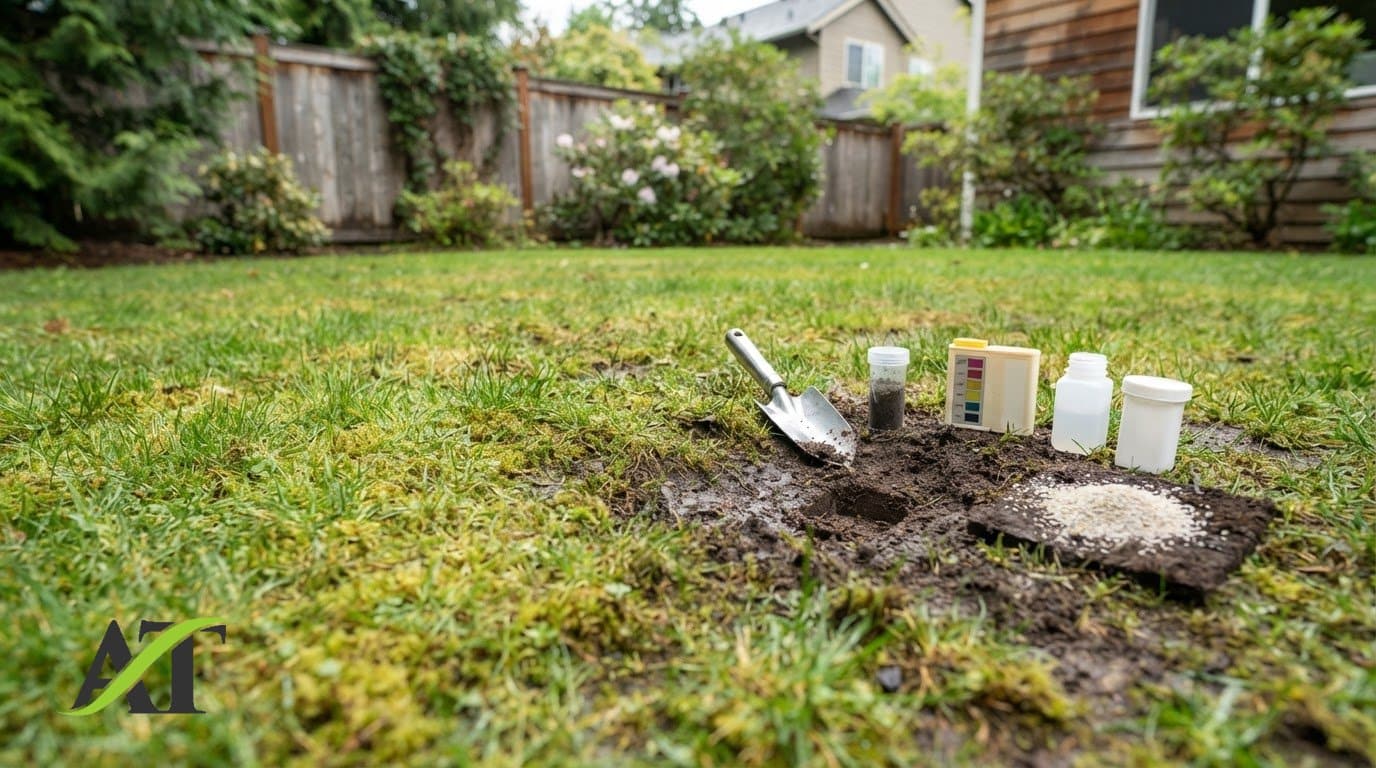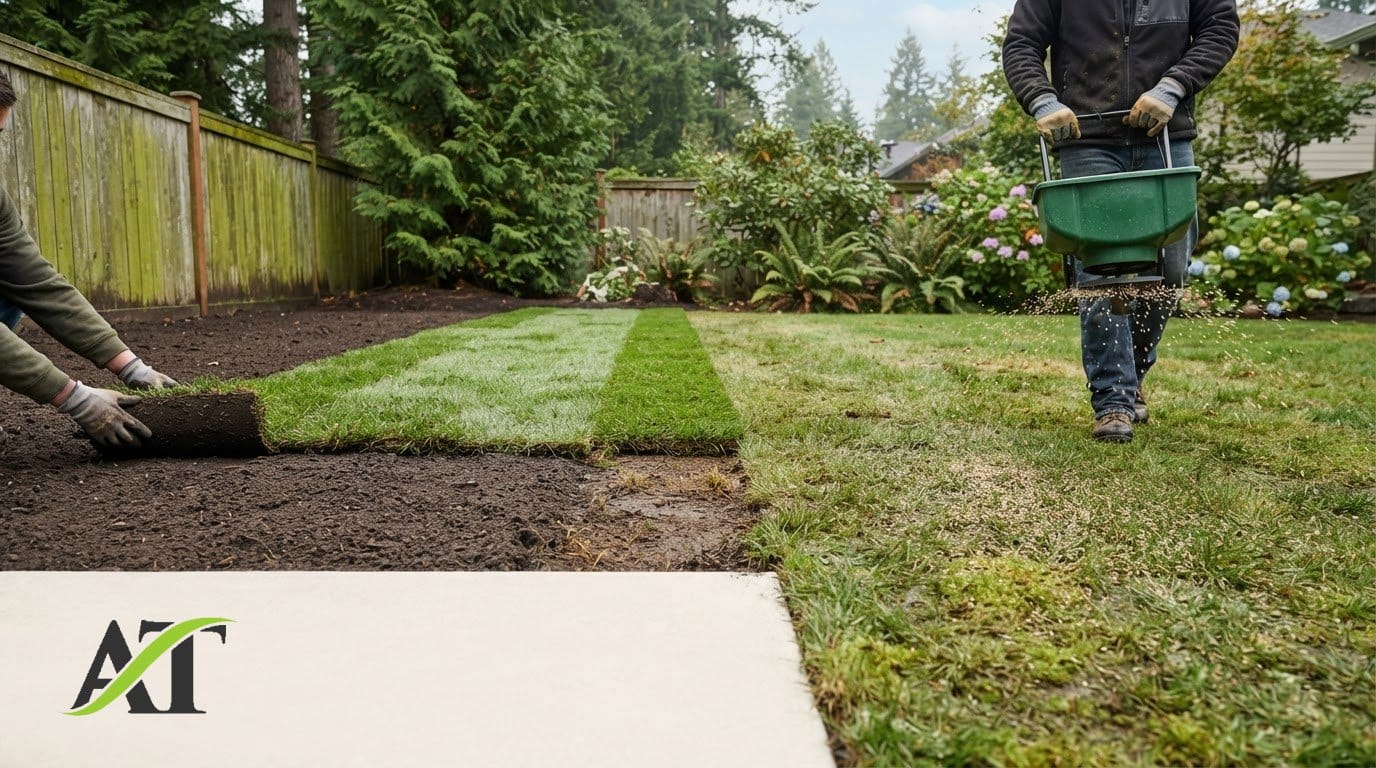
What if the quickest way to cover bare ground isn’t the right fix for your lawn? In the overseeding vs sod decision, start with what’s still growing: Overseeding adds seed to suitable existing turf, while sod replaces the surface with established grass. Both can improve a lawn’s appearance, but neither will solve a condition that keeps grass from growing.
When a lawn is thin, patchy, or struggling, the right choice depends on how much healthy turf remains and why it declined. This guide explains when Overseeding can add density, when sod may make sense for a more complete reset, and what to consider for a Seattle-area yard. It also covers why compaction, shade, excess thatch, watering, and drainage deserve attention before you choose a repair method. The goal is to compare gradual seed establishment with quicker surface coverage and make a decision based on the lawn’s condition, not appearance alone.
Key Takeaways
- Use the overseeding vs sod comparison to judge how much viable turf remains before choosing a repair approach.
- Check whether thinning may relate to thatch, compaction, shade, watering, or drainage. The cause can change what the lawn needs.
- For Seattle-area Overseeding with Premium 60/40 Sun & Shade Mix, the practical soil-temperature preference is around 55-75°F (13-24°C), not a strict cutoff or guarantee.
- A Lawn Tune-Up combines Core Aeration, Overseeding, and the fertilizer specified for that service when existing turf may benefit from added seed.
Overseeding vs. sod: what each method does for a lawn
Both Overseeding and sod can improve a lawn’s appearance, but they do different jobs. Overseeding sows seed into suitable existing turf, adding grass among what’s already growing. Sod lays pre-grown turf over prepared soil. The useful comparison starts with how much healthy grass remains and whether the conditions support new growth.
- Starting condition: Overseeding suits thin areas with viable turf. Sod is often considered for mostly bare ground.
- Coverage: Seed fills in as new grass grows. Sod provides a continuous grass surface across the prepared area.
- Establishment: Seed must germinate and grow among existing turf. Sod must develop roots into the soil below.
- Patience and care: Overseeding takes time as seedlings establish. Sod changes the surface appearance sooner, but still needs care while its roots take hold.
What Overseeding changes, and what it doesn’t
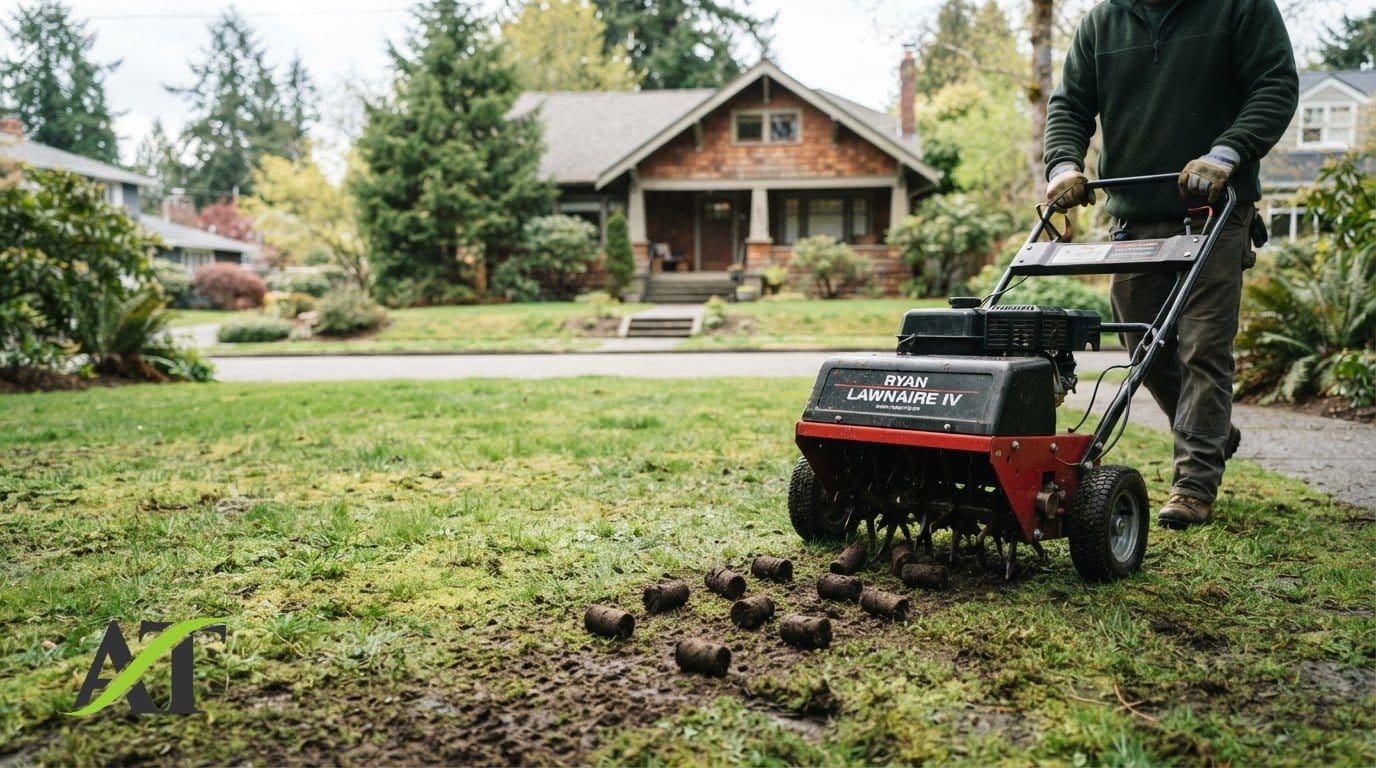
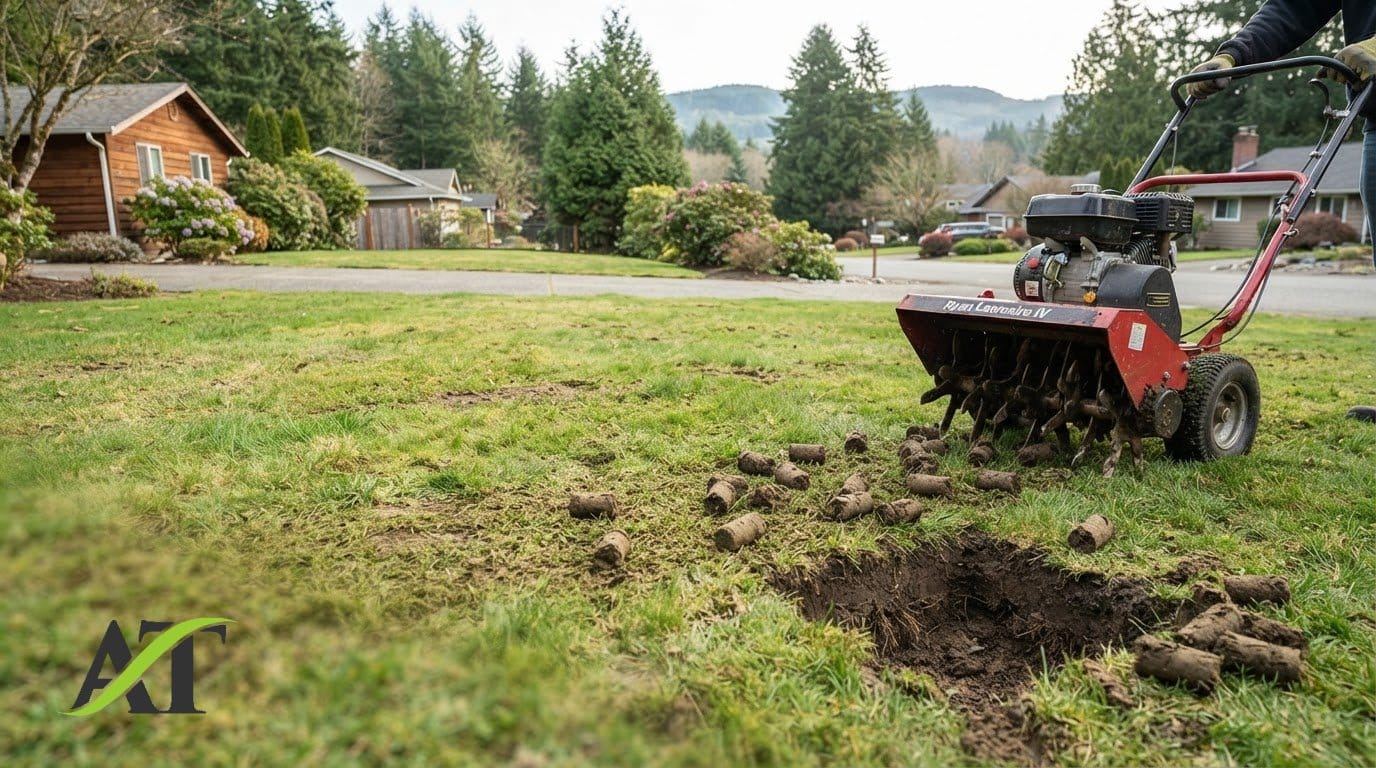
With Overseeding, new grass grows among the existing grass rather than replacing the whole lawn. Seed needs suitable conditions, good seed-to-soil contact, moisture, and homeowner aftercare to establish. Results depend on those factors, as well as the condition of the soil and existing turf. Adding seed alone won’t diagnose or correct shade, inconsistent watering, compaction, or a drainage problem. For Seattle-area care after Core Aeration and Overseeding, these lawn aftercare steps explain what to expect and how to care for the lawn.
What choosing sod means for a mostly bare area
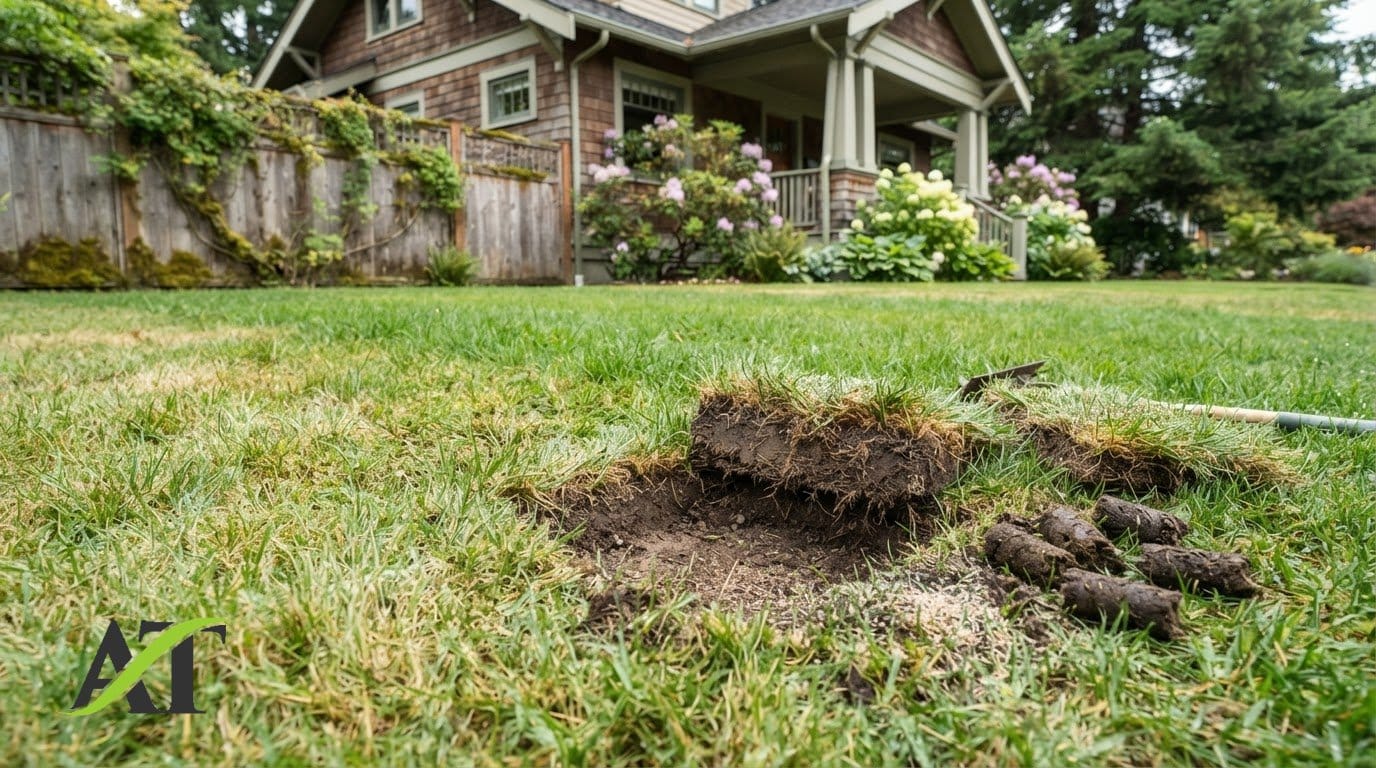
Sod is grass grown elsewhere and moved as a layer onto prepared soil. What is sod? It provides surface coverage, but a green appearance doesn’t mean the grass has rooted successfully. Root establishment still depends on suitable soil conditions and ongoing care. In the overseeding vs sod decision, separate the quick visual change from the work required for lasting growth.
The main misconception: a fast green surface may not fix the cause
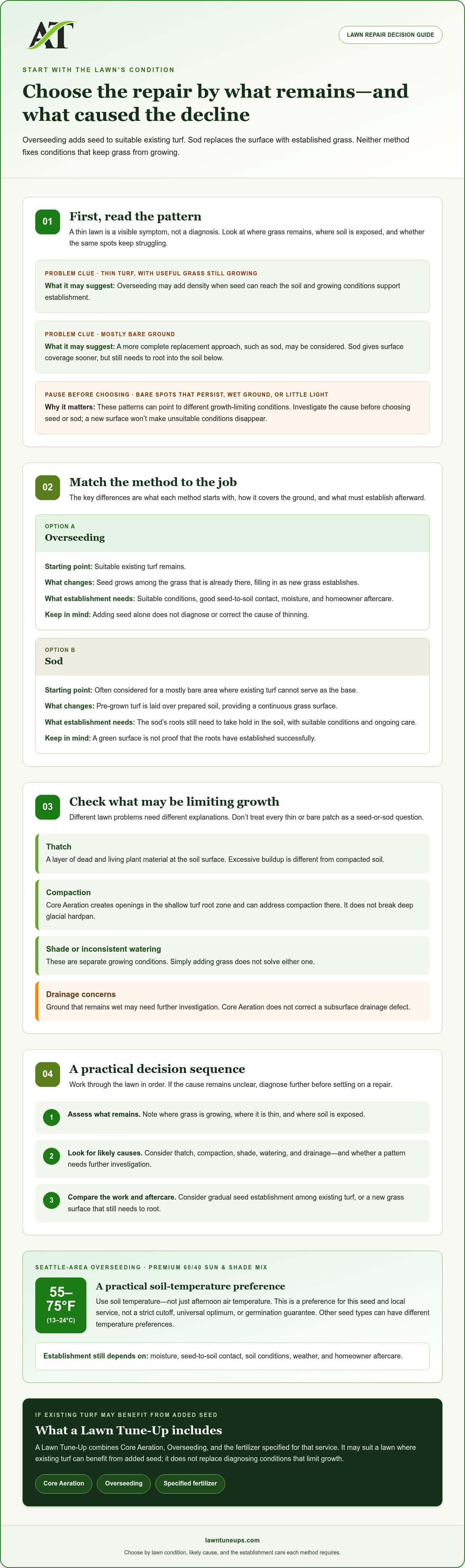
A thin lawn is a visible symptom, not a diagnosis. Seed or sod can change the surface, but grass may keep struggling if the conditions that caused the decline remain. Covering a lawn problem can hide its symptoms without correcting the cause.
Look for clues before choosing a repair. Thatch is a layer of dead and living plant material at the soil surface; excessive buildup is different from compacted soil. Core Aeration creates openings in the shallow turf root zone and can address compaction there. It doesn’t break through deep hardpan or correct a subsurface drainage defect. Shade and inconsistent watering are separate issues, and neither is solved simply by adding grass.
When thinning turf may still suit Overseeding
If useful grass remains and seed can reach the soil, Overseeding may help increase turf density. Establishment still depends on suitable conditions and care. Iowa State University Extension’s guide to overseeding explains preparation and follow-up care. Seed is not a dependable fix for every bare patch, particularly where persistent shade or another growth-limiting condition remains.
When the lawn needs more diagnosis before choosing
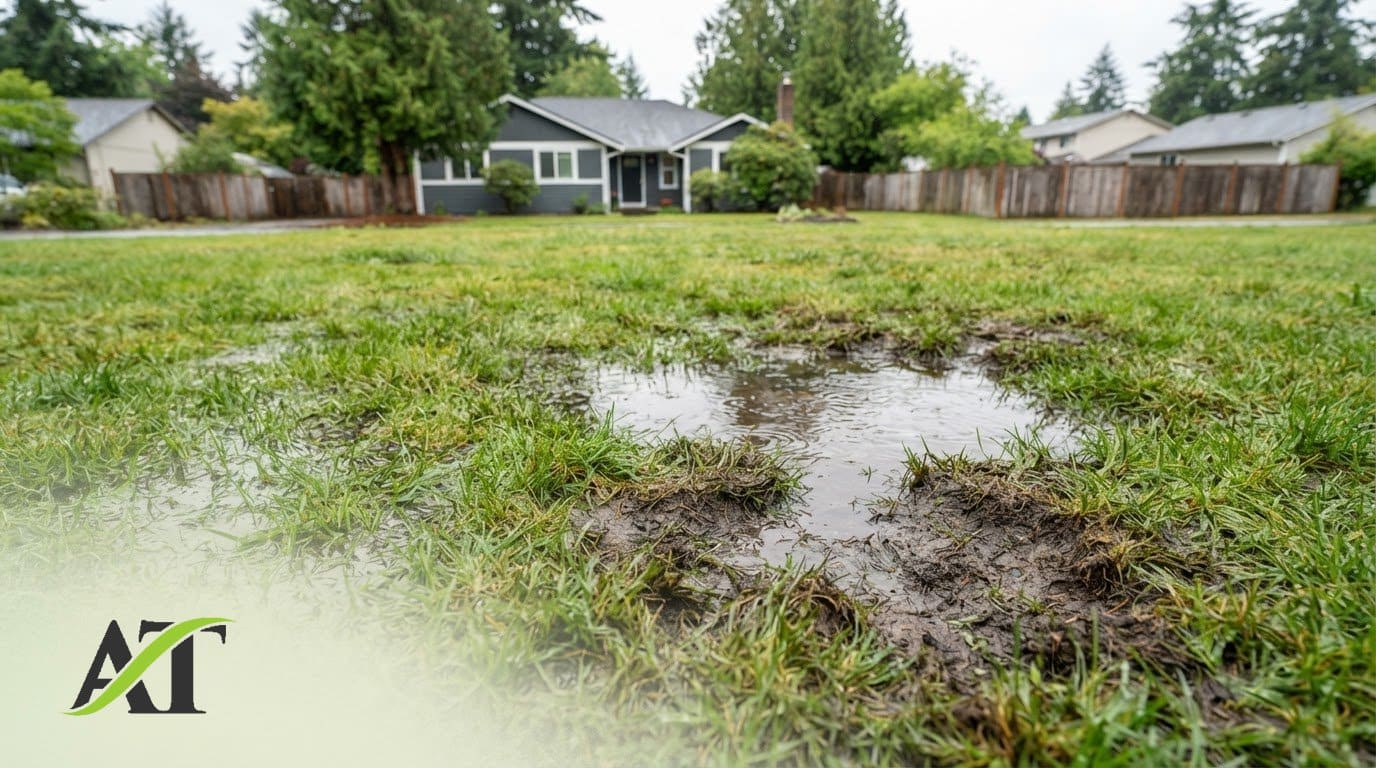
Pay attention to areas that stay bare, ground that remains wet, or spots receiving little light. These patterns can point to different causes and warrant further investigation before deciding between Overseeding and sod. Sod won’t make unsuitable growing conditions disappear. A useful first step is to describe what you’re seeing and Ask Stewart About Your Lawn.
How Seattle-area homeowners can choose between Overseeding and sod
Make the decision in order. First assess what remains in the lawn, then consider what may be limiting growth. This helps distinguish a lawn that could benefit from added seed from one that needs a different kind of repair.
- Assess the remaining turf. Note where grass is still growing, where it’s thin, and where soil is exposed. Overseeding adds density to suitable existing turf. Mostly bare ground may call for a more complete replacement approach.
- Identify likely causes. Look for patterns that may point to shade, watering concerns, thatch, compaction, or drainage. If the cause remains, either method may struggle to provide lasting improvement.
- Compare the methods and the care involved. Consider whether existing grass can serve as a base for Overseeding or whether the area needs a new grass surface. Think about whether you can support gradual seed establishment or care for newly laid sod as it roots.
Use soil temperature and lawn condition, not a calendar alone
For Seattle-area Overseeding with the Premium 60/40 Sun & Shade Mix, we prefer soil temperatures around 55-75°F (13-24°C) as a practical window for our service. Check soil temperature, not just afternoon air temperature. This preference isn’t a strict cutoff, a universal optimum, or a germination guarantee. Other seed types can have different temperature preferences.
Set realistic expectations for establishment and aftercare
Seed and sod establish differently, and results depend on the conditions and care described above. Don’t treat a calendar date or preferred temperature range as a promise of success. For seed, pay attention to soil contact, moisture, and aftercare. For sod, remember that surface coverage comes before successful root establishment. Use the lawn’s condition and visible progress to guide expectations as you weigh overseeding vs sod.
A practical next step for a lawn that may suit Overseeding
If healthy grass is still growing across much of the lawn, Overseeding may be a suitable way to add density. Sod is a separate replacement approach for areas where the existing turf can’t serve as the base. In the overseeding vs sod decision, first be clear about what remains and what may be preventing growth. A visual reset alone won’t resolve an underlying problem.
What a lawn restoration conversation should clarify
Before choosing work, describe the lawn as it is now. Note where grass remains, where bare patches are, and whether shade, watering, or drainage concerns vary across the yard. These details keep the discussion focused on the lawn’s condition rather than a default package.
A Lawn Tune-Up consists of Core Aeration, Overseeding, and the fertilizer specified for that service. Core Aeration addresses compaction in the shallow turf root zone; it won’t resolve deep hardpan or a subsurface drainage defect. Power Raking (Dethatching) may be relevant when excessive thatch is a concern, but it isn’t automatically needed for every lawn. The Full Meal Deal combines Power Raking (Dethatching), Core Aeration, Overseeding, and Fertilizing.
- Describe the areas with healthy, thin, or absent grass.
- Point out persistent shade, watering concerns, or spots that stay wet.
- Mention any changes you’ve noticed in the lawn’s condition.
Keep the next step straightforward
Aerating Thatching Co. serves homeowners in North Seattle, Shoreline, Edmonds, Lynnwood, Mill Creek, Bothell, Kenmore, Lake Forest Park, Mountlake Terrace, Snohomish, Everett, Brier, Woodway, Green Lake, Ballard, and Greenwood. Share what you’ve noticed to frame a useful discussion about the lawn. The appropriate work depends on what’s growing and what may be limiting it. Choose Overseeding for suitable existing turf; consider sod separately when the area needs a more complete reset.
Move forward with a repair plan that fits your lawn
Before committing to a surface change, decide whether the grass that remains can serve as a base for Overseeding or whether the area needs a fuller reset. That distinction keeps the repair plan grounded in your yard’s condition, rather than in the appeal of a quick visual change.
A clear plan separates the work that fits your lawn from conditions that need more attention. Aerating Thatching Co. is an owner-operated local business focused on lawn restoration. Share what you’ve noticed to discuss a suitable next step with Stewart.
Ask Stewart About Your Lawn
Start with the condition of the lawn, then move forward with a plan that makes sense for it.
Frequently Asked Questions
Can you overseed a lawn that already has grass?
Yes. Overseeding adds seed to an existing lawn where grass is still growing, helping thin turf gain density. Seed needs contact with soil, suitable soil conditions, moisture, and consistent aftercare. A sparse lawn may have enough living turf for seedlings to grow among it. Large bare areas are different: with little existing grass, Overseeding alone may not achieve the intended thickening.
Is sod better than overseeding for a completely bare lawn?
Sod creates a grass-covered surface, while Overseeding is intended to thicken suitable existing turf. For a completely bare area, sod may be a replacement approach to consider, but the prepared soil and growing conditions still matter. If the ground stays wet or receives too little light, changing the surface won’t remove those limits. No method guarantees successful establishment.
How soon can you use a lawn after overseeding or laying sod?
There isn’t one reliable use-by date for every lawn. Seed and sod have different establishment needs, and progress depends on site conditions and care. Avoid heavy activity while seedlings are delicate or sod is taking root. Look for signs of establishment rather than relying on a universal timeline, and follow the applicable aftercare guidance for the method used.
Does overseeding fix a lawn with poor drainage or heavy shade?
No. Seed won’t remove a persistent cause of poor growth. Shade and watering problems differ from shallow compaction, while subsurface drainage defects require further diagnosis. Core Aeration works in the shallow turf root zone and can address compaction there, but it doesn’t break deep hardpan or repair a drainage defect. If bare or wet areas persist, investigate the cause before choosing a repair.
What soil temperature does Aerating Thatching Co. prefer for Seattle-area Overseeding?
For Seattle-area Overseeding with the Premium 60/40 Sun & Shade Mix, Aerating Thatching Co. prefers soil temperatures around 55-75°F (13-24°C) as a practical service window. This isn’t a strict cutoff, a universal optimum, or a germination guarantee. Other seed types can have different preferences, and moisture, seed-to-soil contact, soil conditions, weather, and aftercare also affect establishment.
Article by
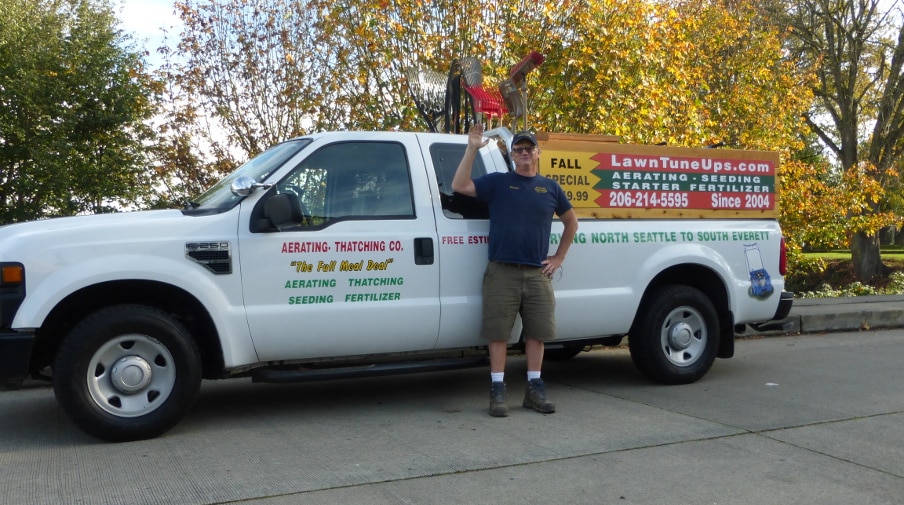
Stewart Armour
Stewart Armour is the owner of Aerating Thatching Co., an owner-operated Seattle-area lawn restoration business established in 2004. He helps homeowners understand Core Aeration, Power Raking (Dethatching), Overseeding, soil conditions, and the aftercare needed for stronger lawns. His background includes turf management study, advanced golf course turf training, and continuing education through Wilbur-Ellis University, State Turf Facilities, Soil First Academy, and Golf Course Applied Turf Physiology. Stewart has personally evaluated thousands of residential lawns throughout the Seattle area and focuses on recommending the work that fits each lawn’s condition.