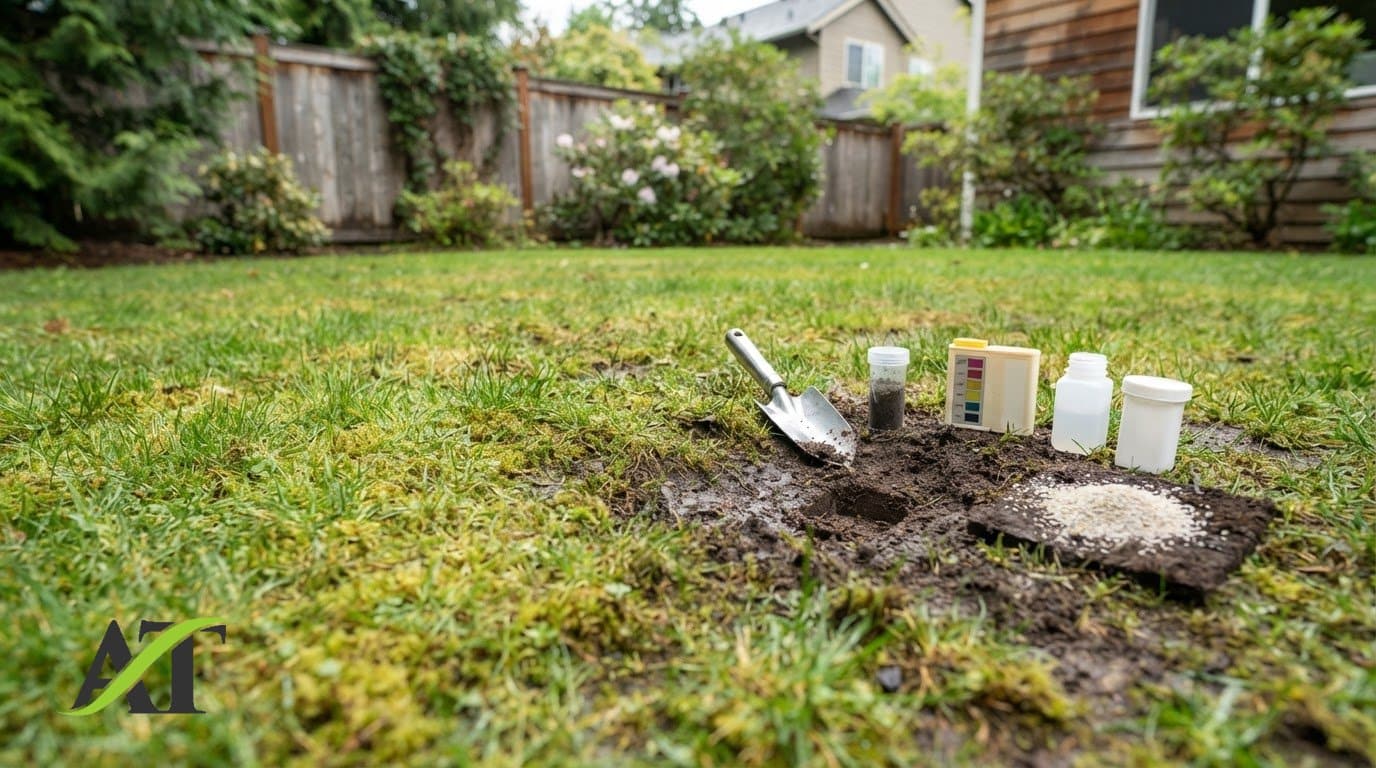
What if thin turf isn’t a sign that your lawn needs more seed? Bare or stressed patches can point to compaction, but they can also result from thatch, shade, irrigation issues, or drainage trouble. The case for core aeration Snohomish homeowners are weighing depends on what’s actually stressing the lawn, not a blanket schedule.
It’s frustrating when the symptoms look alike and a service description doesn’t explain what your yard needs. Core Aeration can help relieve compaction in the shallow turf root zone, but it won’t break deep glacial hardpan or correct a subsurface drainage defect. This guide will help you recognize signs that may suggest compaction without treating them as a diagnosis. You’ll learn what Core Aeration can improve, where its limits are, and how it differs from Power Raking (Dethatching). We’ll also explain when standalone Core Aeration may fit, when a Lawn Tune-Up or Full Meal Deal may suit the work, and when your lawn needs a closer assessment before choosing a service.
Key Takeaways
- Use thin turf or water that seems slow to penetrate as clues to investigate, not proof that compaction is the cause.
- Core aeration Snohomish homeowners consider should match the lawn’s symptoms, not a fixed annual schedule.
- Separate signs of compaction from possible thatch, shade, irrigation, or drainage issues before choosing a treatment.
- Use the decision path in this guide to identify a sensible next step for your lawn.
Does Your Snohomish Lawn Need Core Aeration? Start With the Symptoms
Thin turf, bare patches, or water that seems slow to soak in can make compaction seem like the obvious culprit. In Snohomish, though, these signs are clues to investigate, not a diagnosis. A symptom alone cannot establish the cause of lawn stress. The decision about core aeration Snohomish homeowners need is best grounded in where symptoms appear and what conditions may be affecting those areas.
Which lawn symptoms can point to compaction?
Look for patterns. Turf that struggles in a well-used path or play area may be dealing with compacted soil, especially if the ground feels unusually firm when moist and roots seem to have trouble growing. Water that runs off instead of soaking in can also raise the question. But these observations aren’t proof: soil moisture, slope, and other lawn conditions can affect what you see. Repeated foot traffic or equipment use is useful context, not an automatic reason to aerate.
When might another lawn problem be responsible?
Compare the affected area with nearby turf. Grass under trees or beside buildings may thin from limited light. Dry patches can point to uneven irrigation, while persistently wet areas may involve drainage. A thick, springy layer between the grass and soil may suggest thatch, which calls for a different response than compaction. Soil aeration describes improving air movement through soil, but it doesn’t identify the cause of a particular lawn problem.
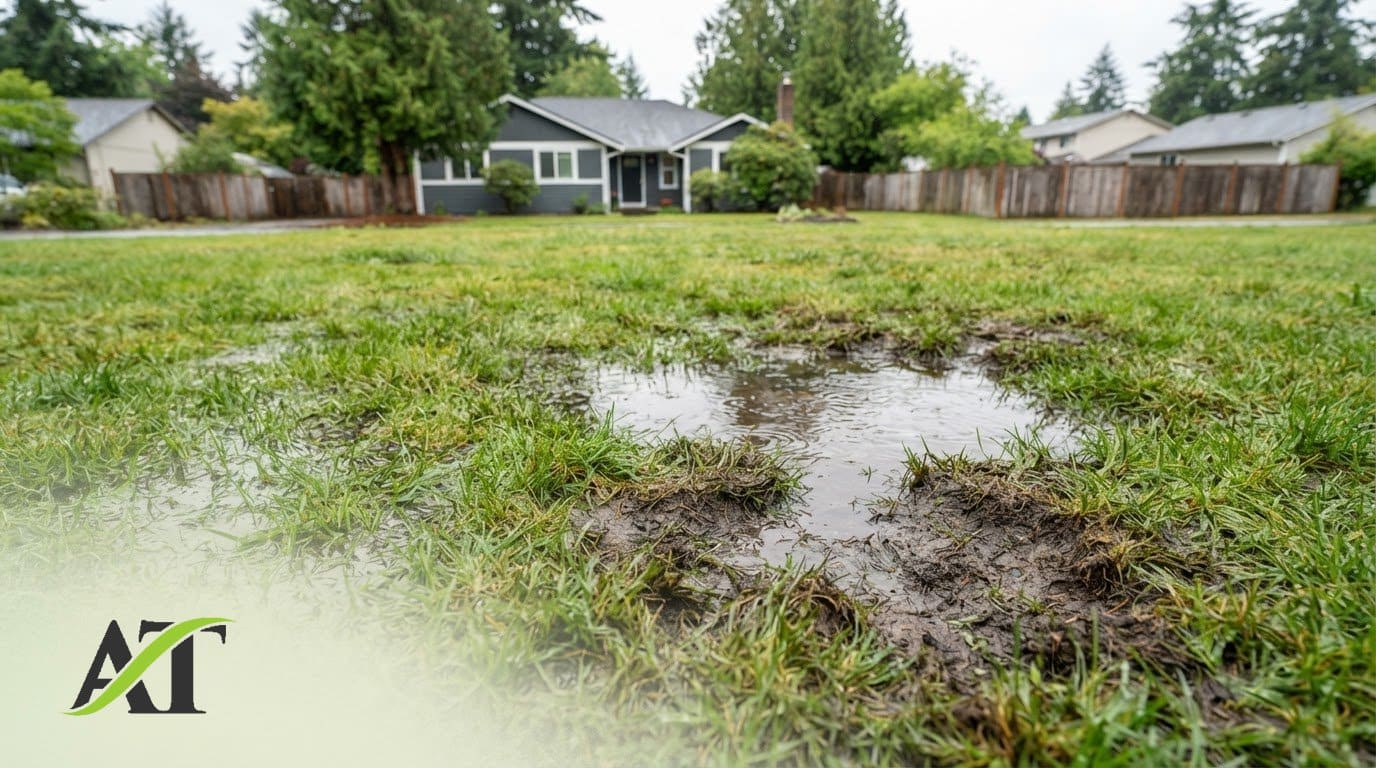
If water keeps pooling, consider whether the issue extends beyond the shallow turf root zone. Core Aeration can’t correct a subsurface drainage defect or break deep glacial hardpan. A closer assessment may be needed before choosing a treatment. For lawns that need broader restoration, a Lawn Tune-Up guide explains how Core Aeration, Overseeding, and Fertilizing fit together. Match the work to the likely cause rather than treating every thin lawn the same way.
How Core Aeration Works, and What It Cannot Fix
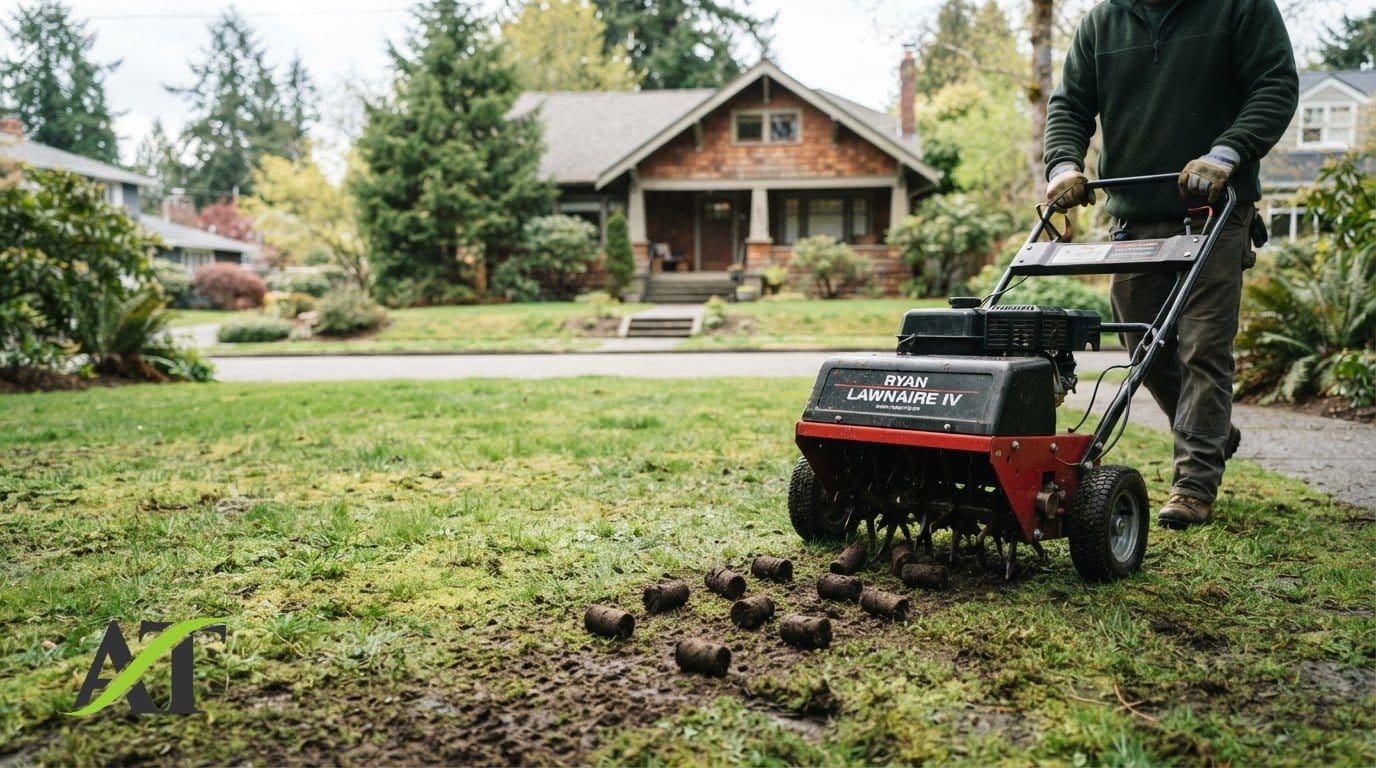
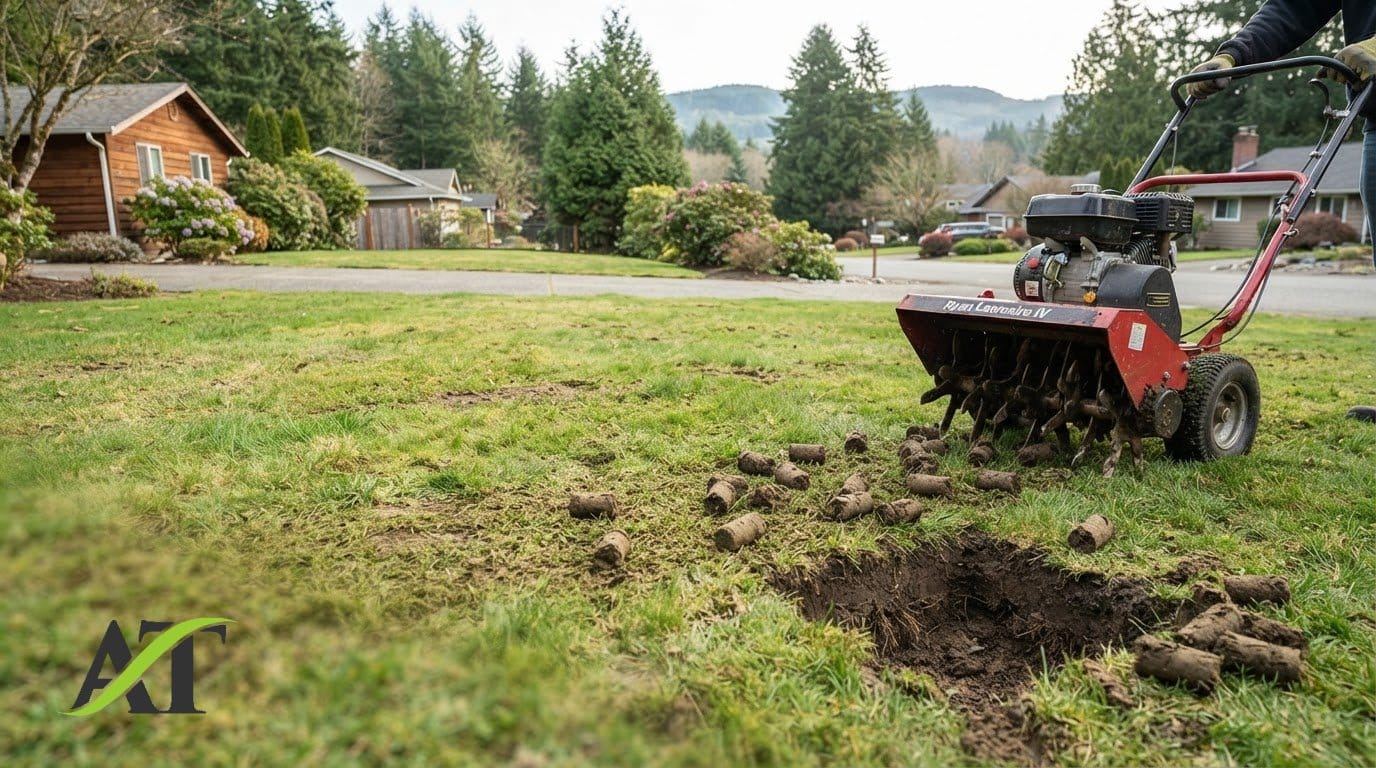
Core Aeration removes small plugs of soil from the lawn’s shallow turf root zone. Those openings can ease surface-level compaction and support the movement of air and water through the soil around grass roots. That’s the treatment’s scope: it works near the turf, not through deep geological layers.
Core Aeration removes small soil cores from the shallow turf root zone to help relieve surface-level compaction; it does not break deep glacial hardpan or repair subsurface drainage defects.
What happens during a core-aeration service?
A core-aeration machine moves across the lawn and pulls small soil cores from the ground. This leaves openings in the compacted surface layer where roots grow. The work is not a way to loosen every layer beneath the lawn. If water continues to pool because of a deeper drainage issue, aeration alone won’t correct the underlying defect.
Why aeration is not the same as dethatching
These services address different problems. Core Aeration targets compacted soil in the shallow root zone. Power Raking (Dethatching) removes excess thatch, the layer of dead and living material between grass blades and soil. Aeration doesn’t remove that layer, and it shouldn’t be treated as a substitute for Power Raking (Dethatching) when thatch is the concern.
Service combinations matter, too. A Lawn Tune-Up includes Core Aeration, Overseeding, and Fertilizing. A Full Meal Deal also includes Power Raking (Dethatching). Neither changes what the aeration itself can reach. If you’re unsure which issue is driving your lawn’s condition, you can Ask Stewart About Your Lawn before choosing a treatment.
How to Decide Whether Core Aeration Is the Right Next Step in Snohomish
Use a simple sequence before booking work. It helps match the treatment to the lawn instead of following a routine schedule.
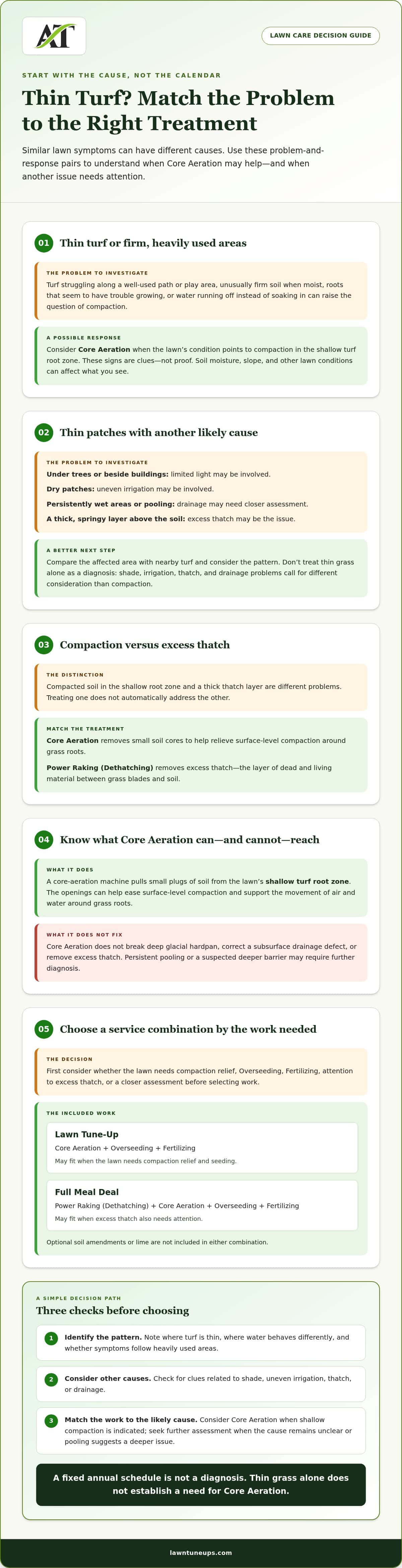
- Identify the pattern. Note where turf is thin, where water behaves differently, and whether symptoms follow heavily used areas.
- Consider other causes. Shade, uneven irrigation, thatch, and drainage problems can resemble compaction. Persistent pooling or a suspected deeper barrier calls for further diagnosis, since Core Aeration works in the shallow turf root zone.
- Choose the treatment. Consider Core Aeration when the lawn’s condition points to shallow compaction. If the cause remains unclear, assess the lawn before selecting a service.
A fixed annual schedule isn’t a diagnosis. The need for core aeration Snohomish lawns varies with their condition and the problem affecting the turf. Timing can matter when Overseeding is part of the work; the Seattle Lawn Care Calendar offers seasonal guidance without setting a specific date for every Snohomish lawn.
When should you consider a combined lawn treatment?
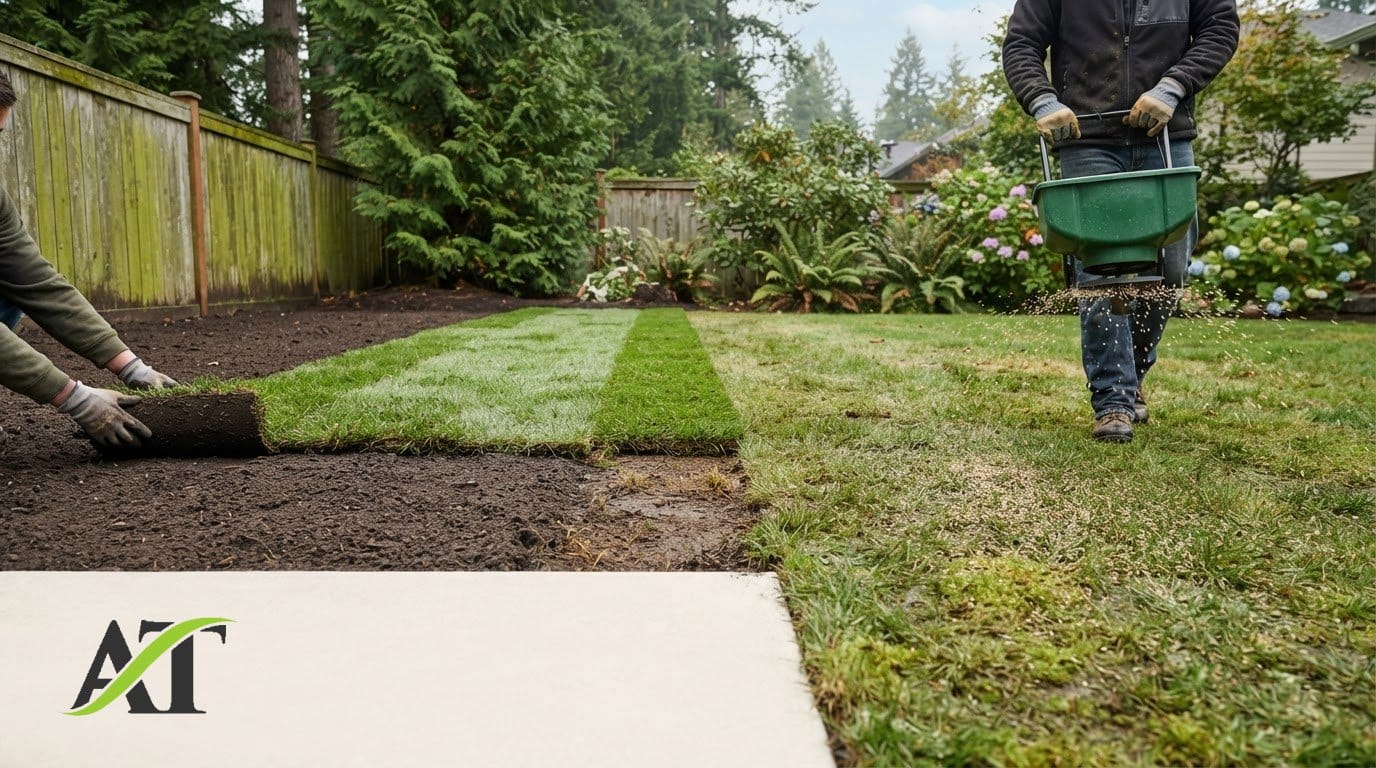
Choose by the work the lawn needs. A Lawn Tune-Up includes Core Aeration, Overseeding, and Fertilizing. A Full Meal Deal includes Power Raking (Dethatching), Core Aeration, Overseeding, and Fertilizing. Neither combination automatically includes optional soil amendments or lime. If the lawn needs compaction relief and seeding, the Lawn Tune-Up may fit; when excess thatch also needs attention, consider the Full Meal Deal.
What should you plan for after aeration?
Aftercare can affect how the lawn responds, especially when Core Aeration is combined with Overseeding. Follow instructions suited to the services performed rather than assuming every treatment has identical next steps. The lawn after-care guide covers what to do after aeration, Overseeding, and other restoration work.
Core Aeration for Snohomish Lawns: Choose a Clear, Lawn-Specific Next Step
Choose Core Aeration when the lawn’s condition points to compaction in the shallow turf root zone. A fixed schedule isn’t a substitute for assessing the lawn. Thin grass alone doesn’t settle the question: shade, excess thatch, uneven irrigation, and deeper drainage concerns may call for a different response. For core aeration Snohomish homeowners are considering, the practical goal is to match the work to the problem, not add treatments without a reason.
Match the service to the problem
If compaction is the concern and the lawn doesn’t need seeding or fertilizing, standalone Core Aeration may be the focused choice. For compaction along with thin or bare areas that would benefit from seed and fertilizer, a Lawn Tune-Up combines Core Aeration, Overseeding, and Fertilizing. If the lawn also has excess thatch, the Full Meal Deal includes Power Raking (Dethatching), Core Aeration, Overseeding, and Fertilizing. Neither combination automatically includes lime or soil amendments. Select the narrower service when it fits; choose broader work only when the lawn’s needs support it.
Symptoms that point to shade or irrigation issues need separate consideration. Persistent pooling or a suspected deeper soil barrier may need further diagnosis before choosing aeration. Core Aeration won’t repair a subsurface drainage defect. Be clear about what you want to improve and what you’ve observed, rather than expecting one treatment to solve every cause of stressed turf.
Make the next step straightforward
In your request, describe the affected areas, the symptoms, and your lawn’s location. Mention whether water pools, runs off, or seems to soak in slowly, and whether the concern is concentrated in a shaded or frequently used area. Those details help frame a useful conversation with Stewart without treating one symptom as a confirmed diagnosis.
Take the Next Step Toward a Lawn-Specific Plan
A healthier lawn starts with choosing work that fits its actual condition, not treating every thin patch the same way. If you’re considering core aeration Snohomish homeowners can request as part of lawn restoration, note where the turf is struggling, how water behaves, and what you hope to improve.
Aerating Thatching Co. is an owner-operated local business founded in 2004. Stewart can help you discuss whether Core Aeration or a related restoration service suits the concerns you’re seeing. A clear description of the lawn is a practical place to begin.
With the right next step, you can make a more informed plan for your Snohomish lawn.
Frequently Asked Questions
How often should you core aerate a lawn in Snohomish?
There isn’t one interval that fits every Snohomish lawn. Consider whether the same areas show signs of compaction, how the lawn is used, and whether previous aeration addressed a diagnosed need. If the lawn is healthy and water moves through the surface without trouble, a recurring calendar appointment may not be useful. Reassess when conditions or symptoms change instead of aerating automatically.
Can core aeration help a lawn with moss?
Core Aeration doesn’t remove moss or directly resolve the conditions that let it persist. Check whether the affected area gets limited light, stays damp, or has weak grass cover. Those clues help distinguish a moss concern from soil compaction. Aeration may be relevant only if compaction is also present; choose the response based on the cause rather than treating moss itself as proof that aeration is needed.
Should I water my lawn before core aeration?
Aim for soil that’s workable, not waterlogged. Very dry, firm ground can make soil-core removal difficult, while saturated ground can be messy and vulnerable to disturbance. Check the lawn’s condition before service and follow any preparation instructions provided for your appointment. Don’t assume that adding a lot of water right beforehand is helpful; the goal is suitable soil moisture, not a soggy surface.
What happens to the soil plugs after core aeration?
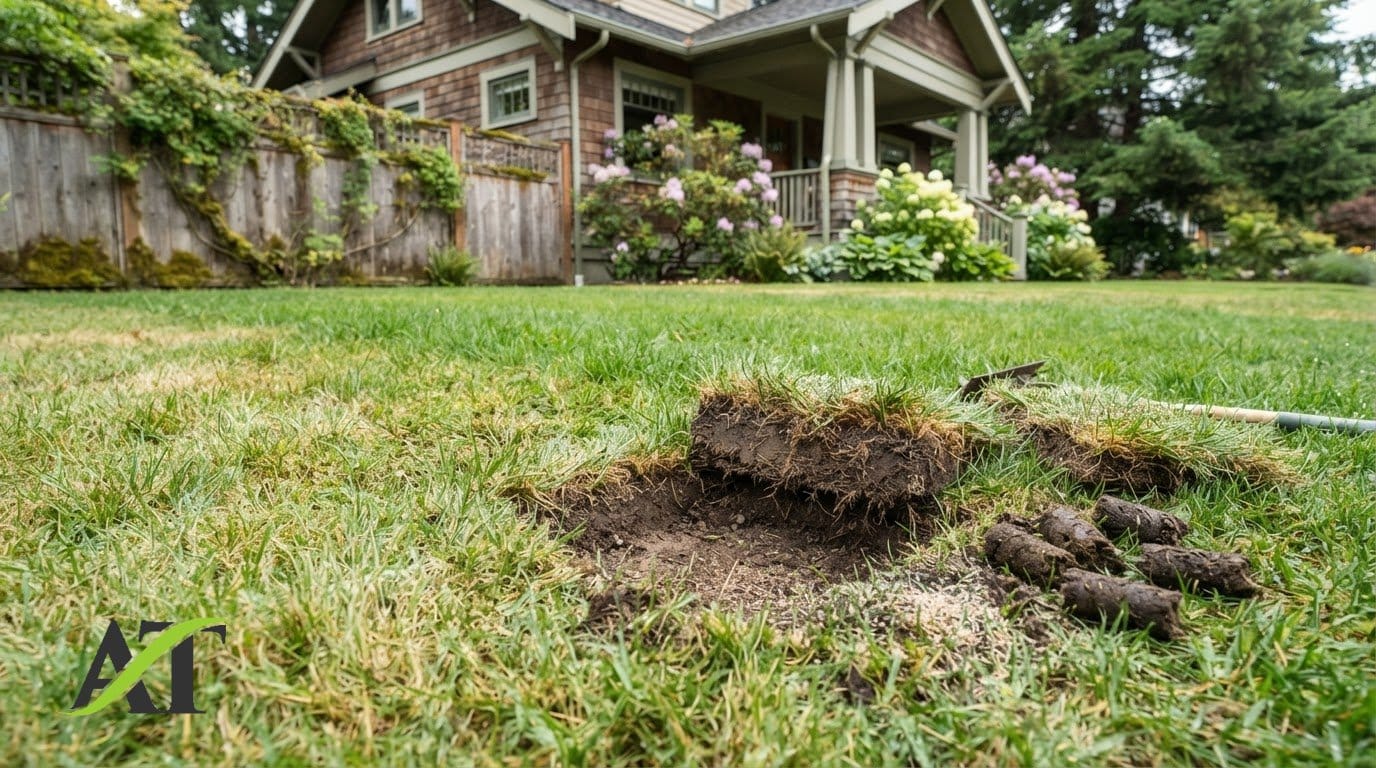
The small plugs pulled from the lawn are usually left on the surface to dry and break down, returning soil material to the turf. They can look untidy at first, but they’re part of the process, not a layer of thatch. Avoid treating them as debris that must be removed immediately. Their condition and breakdown depend on the lawn and weather.
Can core aeration fix standing water in my lawn?
Only if shallow soil compaction is contributing to poor water movement, and even then it may not resolve all pooling. Note where water collects and whether it follows rain, irrigation, or a particular slope. If water remains in the same area or the cause seems deeper than the turf root zone, further drainage diagnosis is needed. Core Aeration can’t repair a subsurface drainage defect.
Article by
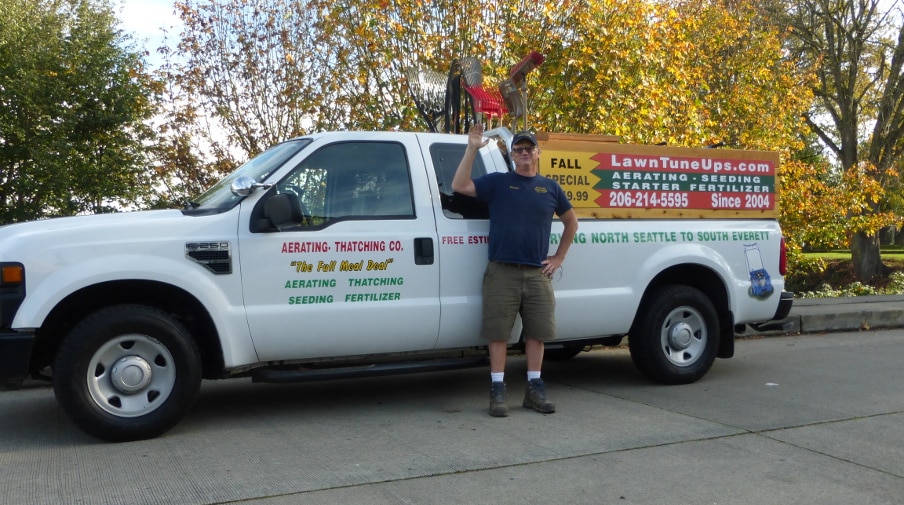
Stewart Armour
Stewart Armour is the owner of Aerating Thatching Co., an owner-operated Seattle-area lawn restoration business established in 2004. He helps homeowners understand Core Aeration, Power Raking (Dethatching), Overseeding, soil conditions, and the aftercare needed for stronger lawns. His background includes turf management study, advanced golf course turf training, and continuing education through Wilbur-Ellis University, State Turf Facilities, Soil First Academy, and Golf Course Applied Turf Physiology. Stewart has personally evaluated thousands of residential lawns throughout the Seattle area and focuses on recommending the work that fits each lawn’s condition.