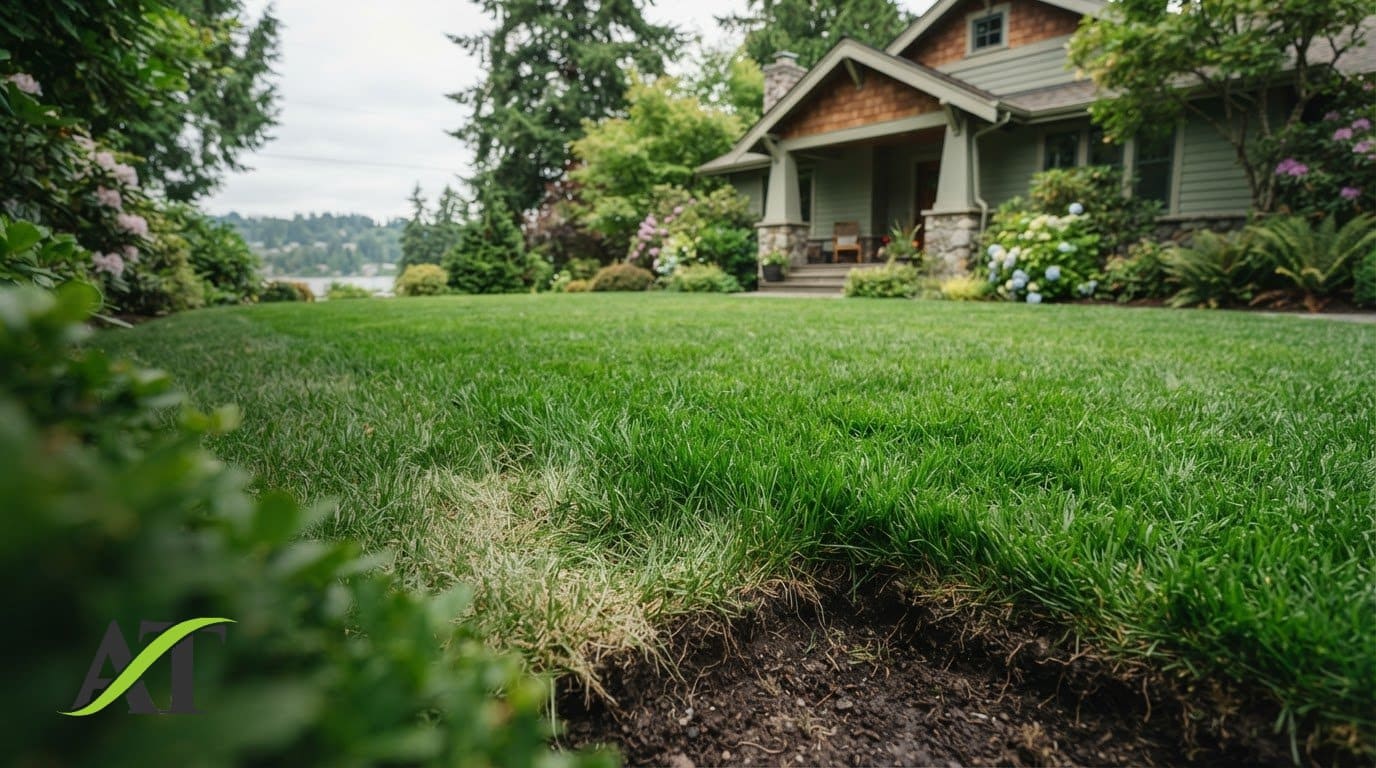
Most homeowners search for a lawn tune up cost thinking they need a mechanic to sharpen their mower blades, but the real health of your yard depends on what’s happening in the soil. In the damp climate of North Seattle and Snohomish County, your turf faces unique challenges like heavy moss overgrowth and soil compaction that a simple oil change can’t fix. You might feel frustrated watching your grass struggle despite regular watering. You may also be unsure if you need a deep mechanical intervention or just a seasonal boost.
We understand that choosing between different restoration levels is often confusing. This guide breaks down the financial investment required for professional turf services in 2026 and helps you decide which package fits your property. You’ll discover the specific differences between a standard Lawn Tune-Up, which consists of Core Aeration, Overseeding, and Fertilizing, and the Full Meal Deal, which includes Power Raking (Dethatching), Core Aeration, Overseeding, and Fertilizing. We also cover critical factors like why successful Overseeding depends on soil temperatures between 55°F–75°F (13°C–24°C) for the best results. By the end of this article, you’ll know exactly how to restore your lawn’s health efficiently.
Key Takeaways
- Distinguish between mechanical mower maintenance and a professional Lawn Tune-Up, which focuses on turf restoration through Core Aeration, Overseeding, and Fertilizing.
- Determine your lawn tune up cost by evaluating if your yard needs a standard restoration or the more intensive Full Meal Deal for heavy thatch and moss issues.
- Learn how property size and the density of debris dictate the amount of labor and materials required for a successful project.
- Understand the 55°F–75°F soil temperature rule to ensure you time your service for the best possible seed germination and establishment.
- Set realistic expectations for your lawn’s transformation by identifying the environmental factors that influence restoration success beyond professional application.
What is a Professional Lawn Tune-Up? (Turf vs. Mower)
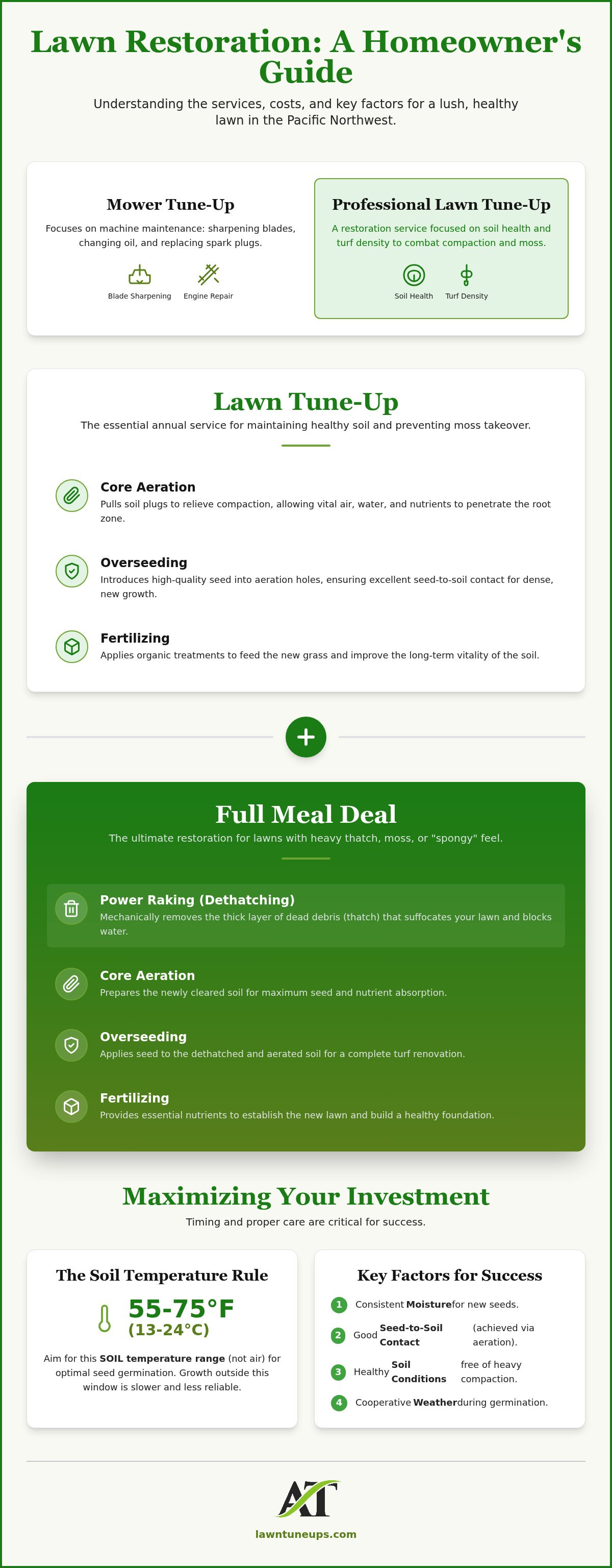
When you search for lawn tune up cost, you might find prices for spark plugs and oil filters. That is a mower tune-up. A professional Lawn Tune-Up is entirely different. It focuses on the health of your soil and the density of your grass. We consider this service a restoration process rather than a mechanical repair. While the history and culture of lawns suggests they should be effortless green carpets, the reality in the Pacific Northwest is more complex. Regular mowing and edging are necessary for aesthetics, but they do nothing for soil compaction or thinning patches. A standard Lawn Tune-Up must consist of three essential steps: Core Aeration, Overseeding, and Fertilizing. If your yard has significant moss or thick debris, you likely need a more intensive approach. We call this the Full Meal Deal, which adds Power Raking (Dethatching) to the base package.
The Anatomy of a Professional Restoration
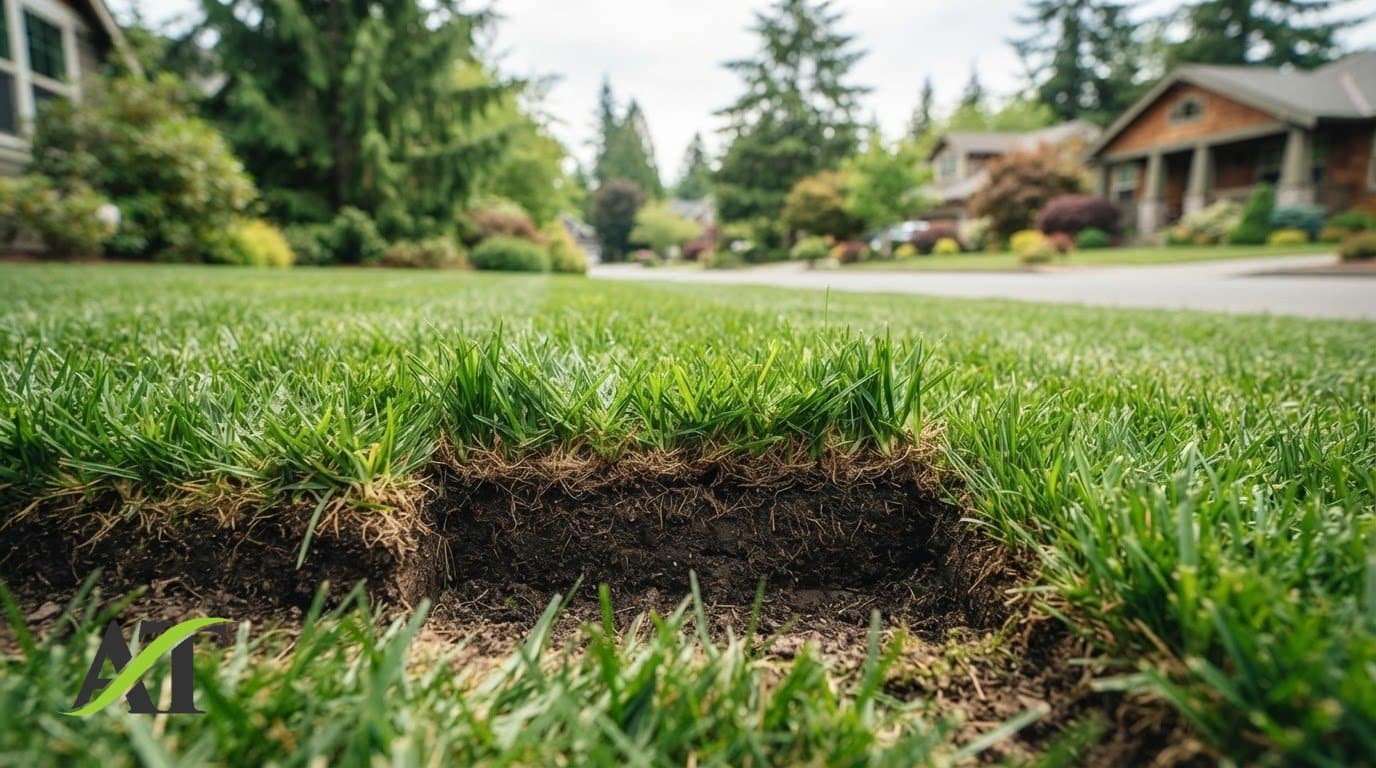
Soil in North Seattle often contains heavy clay. This leads to compaction, which suffocates roots. Core Aeration pulls physical plugs of soil out of the ground to allow air, water, and nutrients to reach the root zone. This process creates the perfect environment for Overseeding. We use high-quality seed that needs direct seed-to-soil contact to grow. Timing matters for this step. For the best results, we wait for soil temperatures to reach 55°F–75°F (13°C–24°C). Germination still happens outside this range, but it’s often slower and less reliable. Finally, we apply Organic Fertilizing treatments. These amendments don’t just feed the grass; they improve the long-term vitality of your soil. You can find more details on our specific services page. Our approach prioritizes physical labor and mechanical intervention over quick-fix chemicals.
Comparing Costs: Lawn Tune-Up vs. Full Meal Deal
Calculating your lawn tune up cost depends on the current state of your turf. A standard Lawn Tune-Up provides an essential baseline for yards in North Seattle. This package includes Core Aeration, Overseeding, and Fertilizing. We recommend this service for yearly maintenance. It keeps the soil open and the grass thick enough to prevent moss from taking over. If your lawn is already healthy but needs a seasonal boost, this is the most cost-effective path. You can view our complete list of restoration services to see how these components work together.
Many homeowners find that bundling these treatments is more efficient than booking them separately. Individual services often carry higher minimum fees and logistical costs. By combining Core Aeration with Overseeding, we ensure the seed falls directly into the holes created by the aerator. This maximizes seed-to-soil contact. Following seasonal lawn management principles helps you avoid the expense of a total lawn replacement later. Investing in a professional package now prevents the need for major renovations in three or four years.
The Full Meal Deal: Is the Extra Cost Worth It?
The Full Meal Deal is our most intensive restoration package. It includes Power Raking (Dethatching), Core Aeration, Overseeding, and Fertilizing. You should choose this option if your lawn has more than a half inch of thatch buildup. Thatch is a layer of dead organic matter that sits between the green grass and the soil. When it gets too thick, it acts like a roof. It blocks water and nutrients from reaching the roots. Power Raking (Dethatching) mechanically removes this debris so your yard can breathe again.
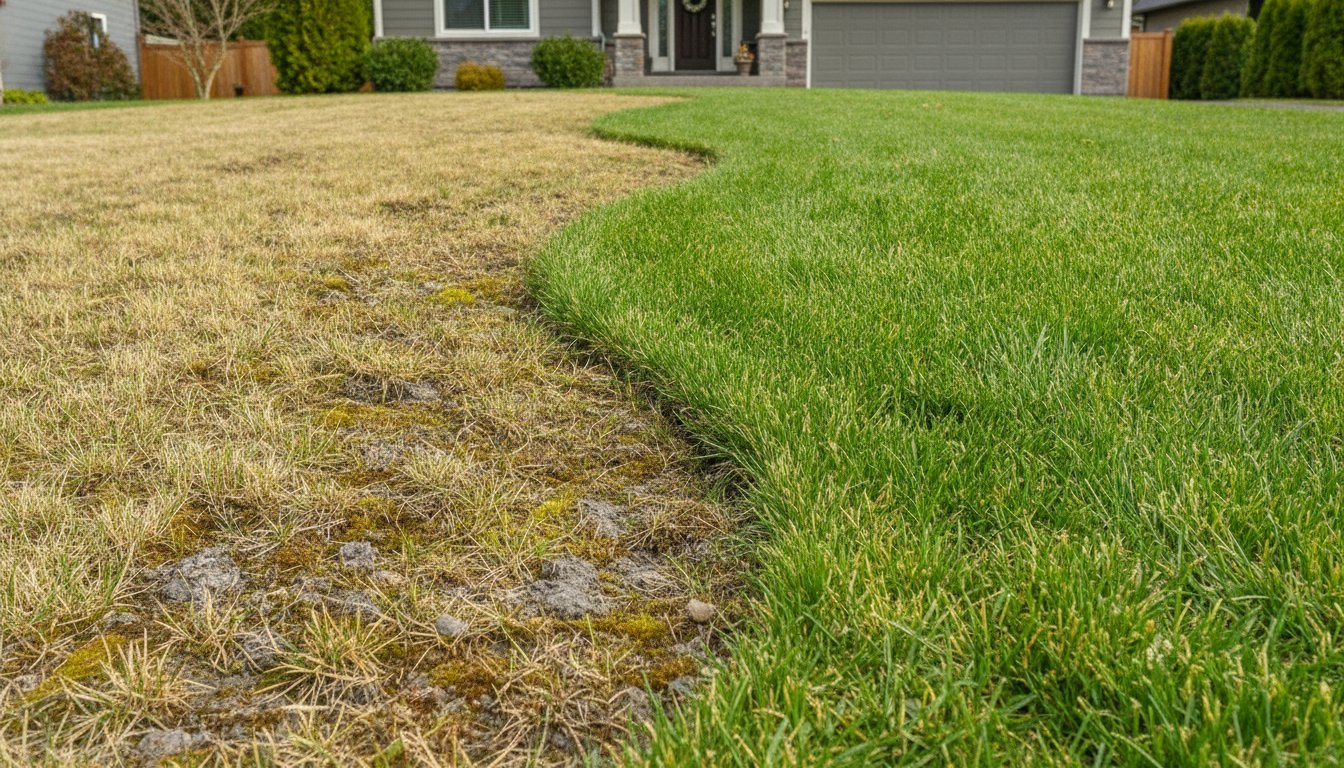
Properties in Shoreline and Edmonds often deal with heavy moss and thick thatch due to the damp climate and tree cover. The labor intensity of the Full Meal Deal is significantly higher because of the volume of material we pull out of the ground. While it requires a larger initial investment, it is the only way to fix a “spongy” lawn. We focus on getting the job done right the first time. If you aren’t sure which level your yard needs, you can request a custom quote to get a professional assessment of your thatch levels.
Factors Influencing Lawn Restoration Costs in Seattle
Your total lawn tune up cost isn’t just about the size of your yard. Several local factors dictate the amount of labor and materials required for a successful restoration. Total square footage is the most obvious variable. Larger properties in North Seattle require more machine time and a higher volume of seed for Overseeding. However, the condition of the turf is often more important than the footprint. If your yard has heavy moss or thick debris, Power Raking (Dethatching) becomes a much more intensive process. Removing and hauling away several cubic yards of thatch requires significant physical labor that a standard maintenance crew doesn’t handle.
Accessibility and property layout also play a role. Many Seattle neighborhoods feature steep slopes or narrow gates that restrict the use of heavy Core Aeration equipment. If we can’t fit a standard machine through a gate, we have to use smaller, more labor-intensive tools. Additionally, soil chemistry varies across the region. Many lawns in Snohomish County have high acidity levels. Homeowners dealing with the heavy clay soil and persistent moss common throughout the area can learn how a professional Lawn Tune Up Everett residents rely on addresses these exact challenges through mechanical restoration techniques built for our local climate. We frequently recommend a Lime Application as a critical add-on. Balancing your soil pH is an essential part of environmentally friendly lawn care because it helps your grass absorb nutrients more efficiently.
Professional Service vs. DIY Rental Costs
Renting equipment might seem like a way to lower your lawn tune up cost, but hidden expenses add up quickly. You have to factor in rental fees, fuel, and the cost of professional-grade seed. Most rental units are also lighter and less effective than professional machines. This creates a “precision gap.” Our heavy-duty aerators pull deeper, more consistent cores than a typical homeowner-grade rental. This ensures better air flow and deeper root growth. Homeowners near Lake Washington dealing with heavy clay soil can learn how core aeration in Kenmore breaks through compacted soil to restore a healthy root zone. You can also learn more about our Seattle-specific restoration approach and how we handle these local challenges.
Maximizing Your Investment: Timing and Expectations
Getting the most out of your lawn tune up cost depends on the calendar and the thermometer. While we provide the mechanical labor and high-quality materials, nature handles the rest. You can’t force grass to grow if the conditions aren’t right. Success in the Pacific Northwest requires a balance of timing, moisture, and patience. We focus on these variables to ensure your Lawn Tune-Up or Full Meal Deal yields the best possible results for your property. Understanding these factors helps you manage the restoration process effectively.
Optimal Soil Temperatures for PNW Lawns
Soil temperature is the only metric that truly matters for Overseeding. Cool-season grass seed thrives when the soil stays between 55°F and 75°F (13°C–24°C). If you seed when the ground is too cold, the seed stays dormant. This leaves it vulnerable to birds or rot. If the soil is too hot, the young sprouts can wither before they establish roots. Germination can occur outside this range, but it will be slower and produce less reliable establishment. For a deeper look at seasonal windows, read our guide on Bothell lawn tune-up timing.
The Essential Aftercare Checklist
No professional can offer a 100% germination guarantee. Results are influenced by weather, soil conditions, and how well the seed-to-soil contact is maintained after we leave. Your primary job after a Lawn Tune-Up is moisture management. You must never let the new seedlings dry out. This usually requires light, frequent watering rather than one heavy soak. Keeping the top layer of soil consistently damp is the secret to a high lawn tune up cost ROI.
Keep off the grass as much as possible during the first few weeks. You should also follow strict mowing restrictions. Don’t cut the lawn until the new grass reaches about three inches in height. Setting your mower to a high setting helps protect the young plants. By following these steps, you protect your investment and ensure the long-term health of your turf. Proper aftercare is just as important as the initial Core Aeration and Fertilizing steps.
Restore Your North Seattle Lawn This Season
Choosing the right restoration level is the most effective way to manage your lawn tune up cost while achieving visible results. Whether your yard needs a baseline Lawn Tune-Up or the intensive debris removal of the Full Meal Deal, professional intervention makes the difference. Aerating Thatching Co. has served the North Seattle community since 2004. We use specialized equipment to ensure deeper Core Aeration and maintain a dedicated focus on organic soil health. These methods build a resilient foundation that standard mowing simply cannot provide.
Success depends on working with nature. Aim for that 55°F–75°F soil temperature window to ensure your Overseeding has the best environment for establishment. Consistent moisture and proper mowing after your service are the final steps in protecting your investment. We’re proud to be your local partner in property maintenance. Our team is ready to bring the professional-grade tools and experience needed to revitalize your turf and handle the heavy lifting for you.
Your lawn is a central part of your home’s curb appeal. For inspiration on maintaining high-end landscapes, Premium Garden Services demonstrates the level of professional garden maintenance and lawn treatments required to keep a property in peak condition. We look forward to helping you create a thick, green space that you and your neighbors will enjoy for years to come.
Frequently Asked Questions
How much does a professional Lawn Tune-Up cost on average?
Your lawn tune up cost is determined primarily by your property’s square footage and the current condition of your turf. Larger lots require more machine time and higher volumes of seed for Overseeding. Properties with heavy compaction or restricted access also require more intensive labor. We provide custom estimates because a one size fits all price doesn’t account for the unique needs of North Seattle landscapes.
What is the difference between a Lawn Tune-Up and the Full Meal Deal?
The primary difference is the level of mechanical intervention required to clean the turf. A Lawn Tune-Up consists of Core Aeration, Overseeding, and Fertilizing. It’s designed for yards that need a seasonal health boost. The Full Meal Deal includes those three steps plus Power Raking (Dethatching). This extra step is essential for yards with heavy organic buildup or moss.
Does a Lawn Tune-Up include Power Raking (Dethatching)?
No, a standard Lawn Tune-Up does not include Power Raking (Dethatching). It focuses on soil health and grass density through Core Aeration, Overseeding, and Fertilizing. If your lawn feels spongy or has a thick layer of dead debris, we recommend Power Raking (Dethatching) as an optional add-on or upgrading to our Full Meal Deal package.
When is the best time of year for a lawn tune up in North Seattle?
Spring and fall are the two most effective windows for restoration in our region. The best results happen when soil temperatures stay between 55°F and 75°F (13°C–24°C). This temperature range ensures the most reliable seed establishment. While you can perform these services outside this window, germination will be slower and less consistent. Most local homeowners schedule their service in April or September.
How long does it take for grass seed to germinate after overseeding?
Most cool-season grass seeds begin to germinate within 10 to 21 days under ideal conditions. This timeline depends heavily on maintaining consistent moisture and proper soil temperatures. We don’t offer absolute guarantees on germination because results are influenced by weather and soil contact. Your commitment to a daily watering schedule is the most important factor in how quickly your new grass establishes.
Will a Lawn Tune-Up fix my moss problem?
A Lawn Tune-Up helps prevent moss by improving drainage and thickening your grass, but it won’t remove existing heavy growth. Core Aeration relieves the compaction that moss thrives in. However, you need the Full Meal Deal to physically pull out established moss through Power Raking (Dethatching). We also suggest adding a Lime Application to balance soil acidity and discourage future moss encroachment.
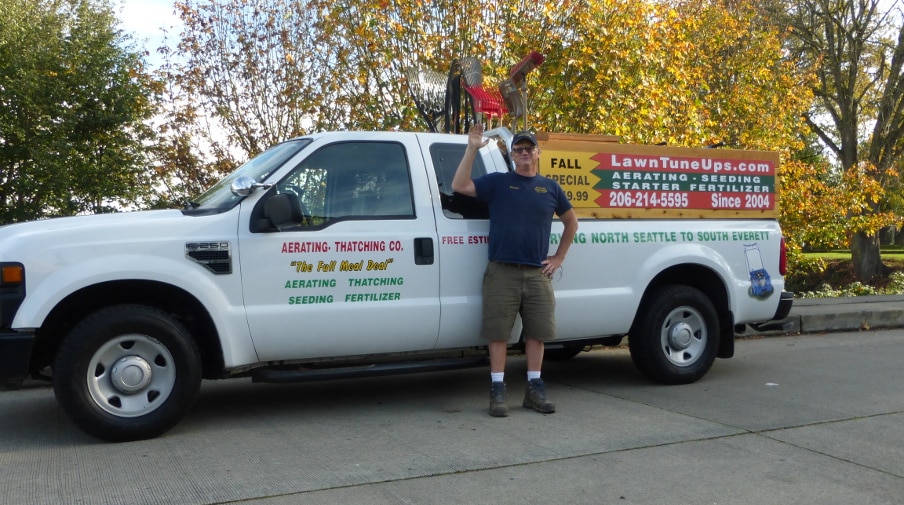
Article by
Stewart Armour
Stewart Armour is an independent lawn restoration expert, educator, and owner of Aerating Thatching Co., serving the greater Seattle area since 2004. With more than two decades of professional experience restoring Western Washington lawns, Stewart specializes in diagnosing lawn problems, improving soil health, and developing long-term lawn renovation strategies. His education includes turf management studies, advanced golf course turf training, and continuing education through Wilbur-Ellis University, State Turf Facilities, Soil First Academy, and Golf Course Applied Turf Physiology. Every article published on LawnTuneUps.com is grounded in practical field experience, current turf science, and a commitment to helping homeowners understand the why behind every recommendation—not just what to do.
Stewart has personally evaluated thousands of residential lawns throughout the Seattle area and remains committed to helping homeowners understand the science behind growing healthier, more resilient lawns.