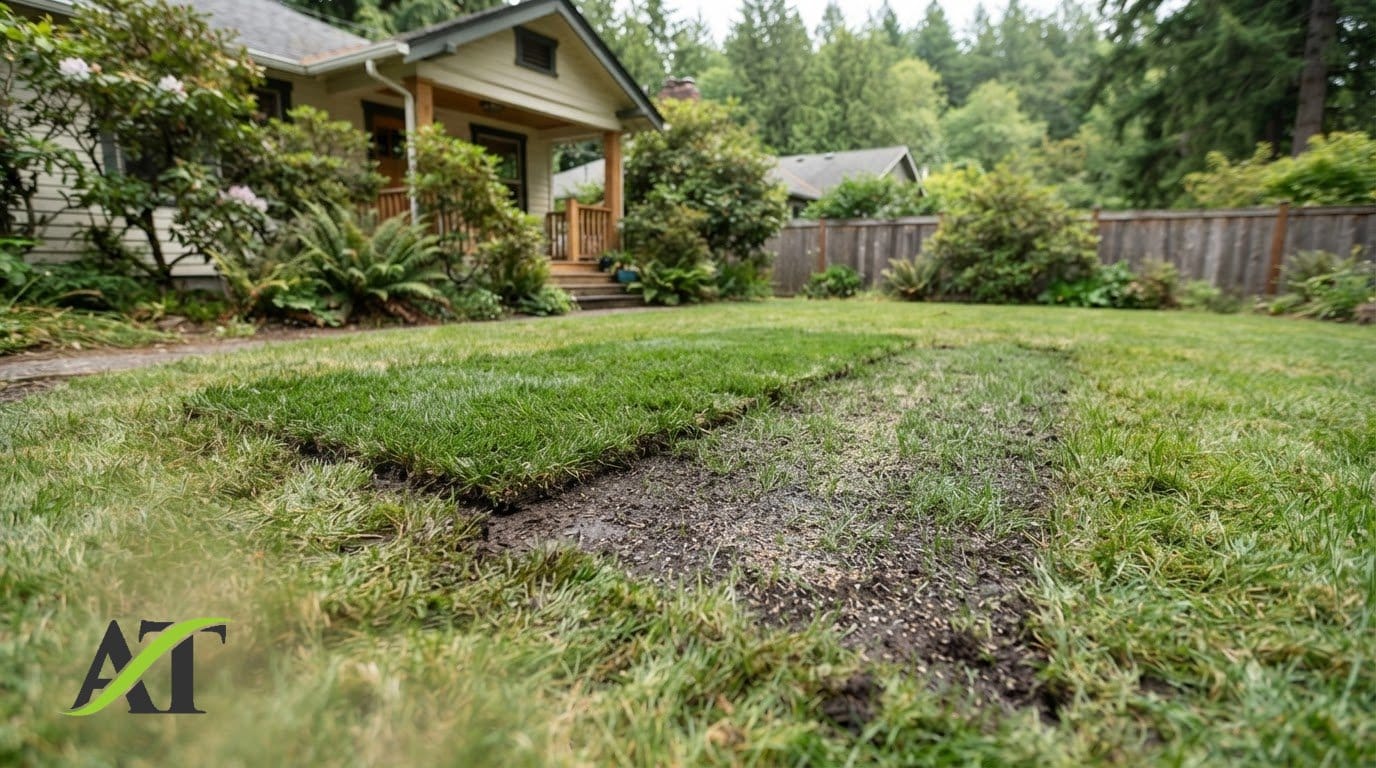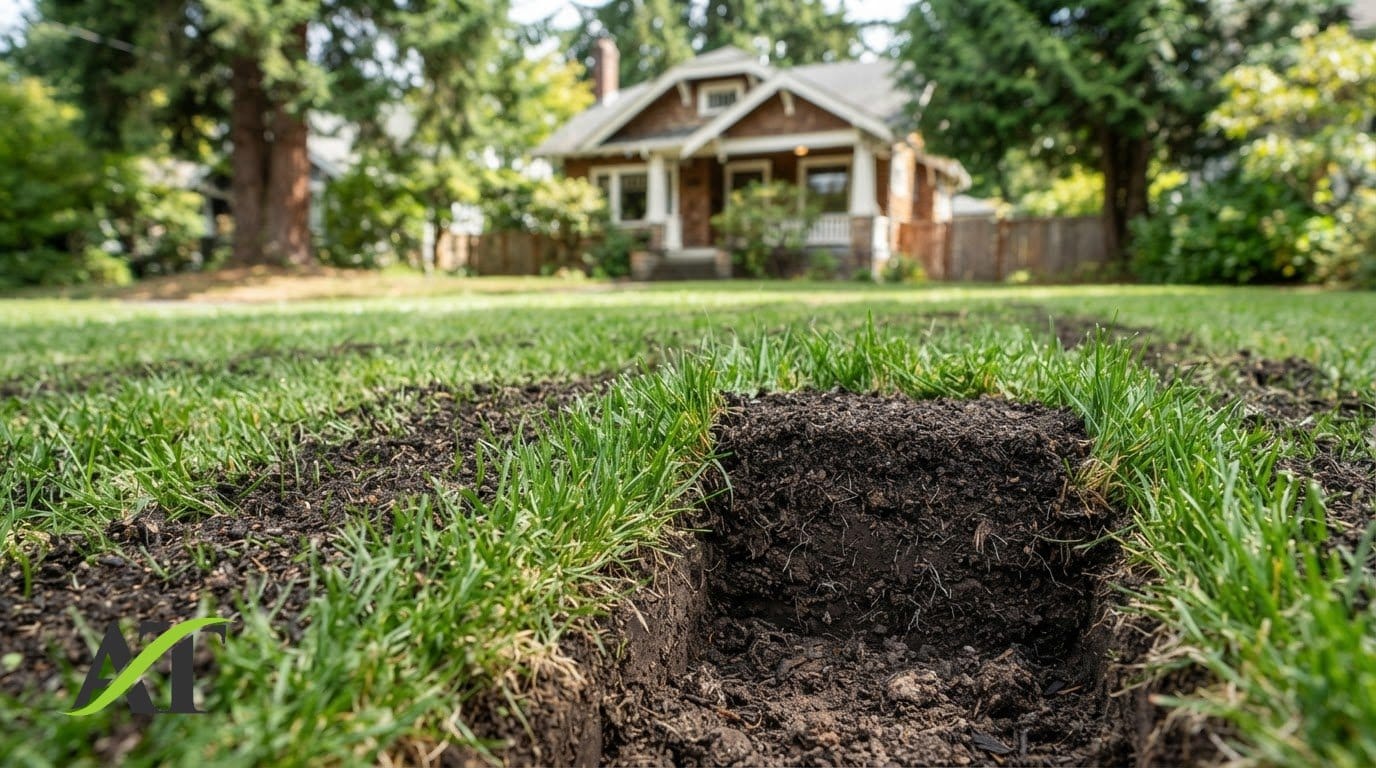
A soil amendment can improve a lawn’s growing conditions, but it won’t fix every cause of thin or struggling turf. A lawn soil amendment service in North Seattle can add organic material to support better soil structure and a healthier balance of air and moisture. Improvements take time, rather than appearing as an instant color boost.
When poor soil structure is limiting growth, improving it can make conditions more favorable for roots and turf establishment. Results depend on the soil and the specific issue affecting the lawn. Amendments won’t resolve deep shade or subsurface drainage problems, and compaction may call for Core Aeration. This article explains what amendments can address, when they may fit, and how to choose a practical next step.
Key Takeaways
- Use soil-test results to guide amendments, especially before deciding whether lime is appropriate.
- Separate compaction from shade and drainage problems so the treatment addresses the actual cause of weak turf.
- Expect soil improvements to develop over time rather than as an instant color change.
- Learn how organic matter and better soil structure can support stronger conditions for lawn roots.
Increasing soil organic matter
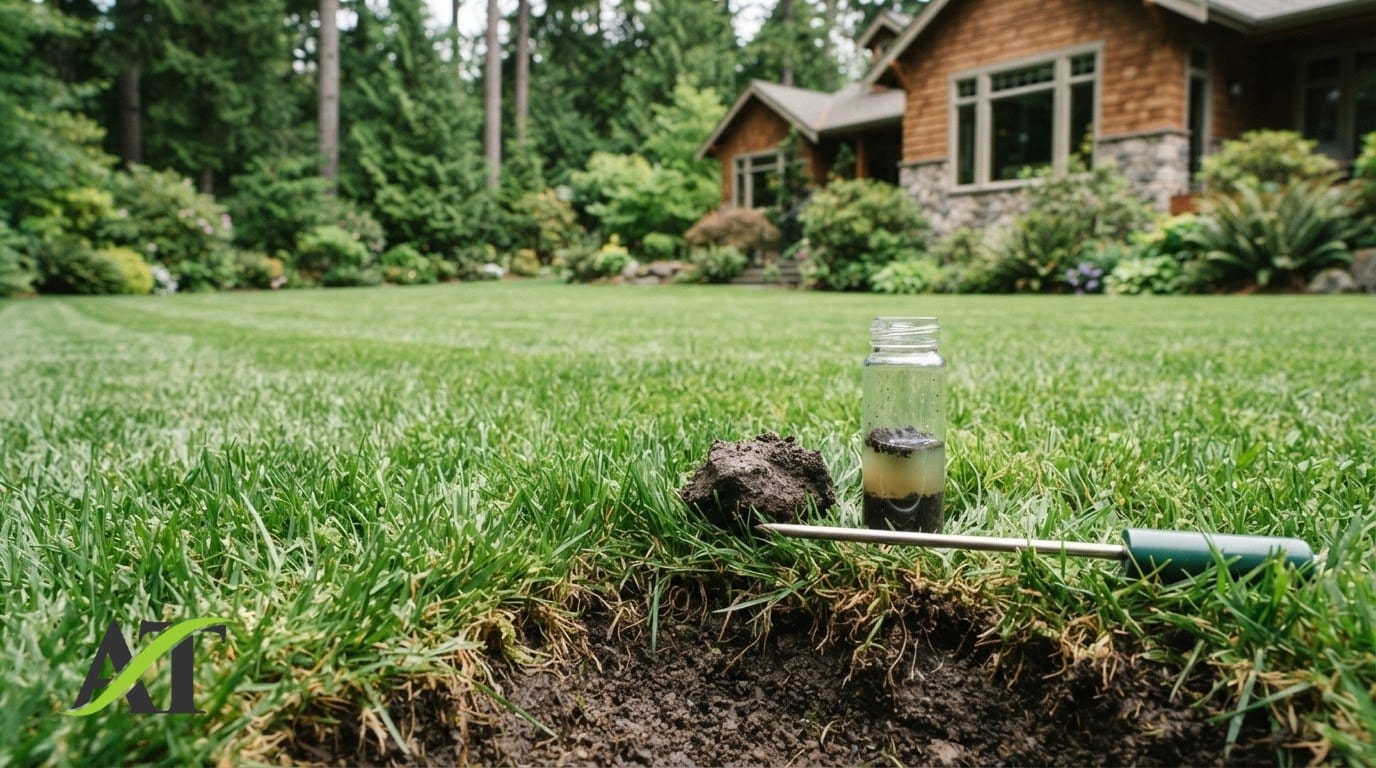
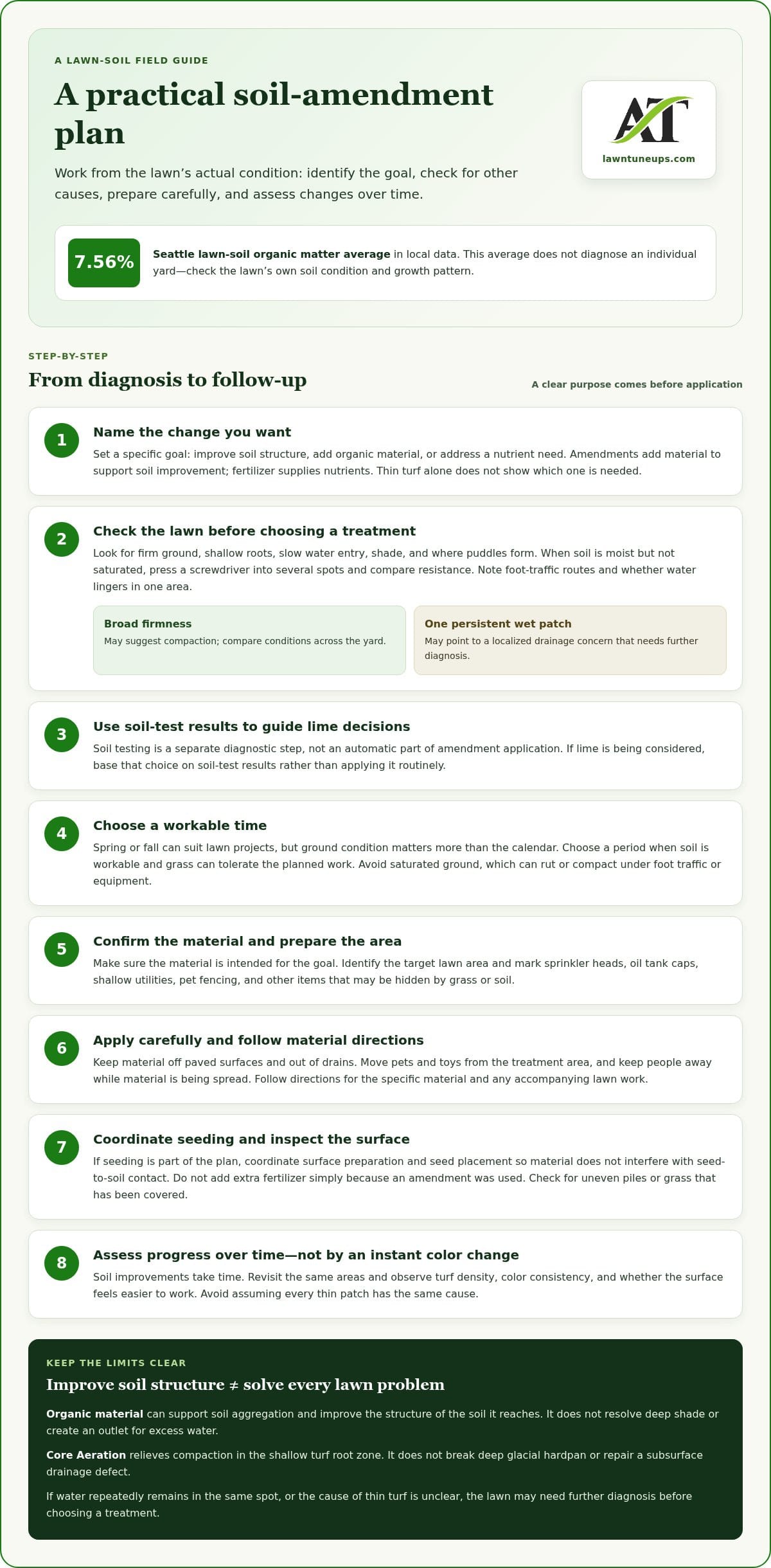
Organic matter supports soil structure and nutrient cycling, but each lawn starts differently. Seattle lawn soil averages 7.56% organic matter in local data. That average doesn’t diagnose an individual yard. Look at the lawn’s soil condition and growth pattern before deciding whether adding organic material fits the problem.
Soil-focused lawn care treats soil as part of the growing system, not just a place to apply fertilizer. Organic material can support soil microbes as it breaks down, contributing to nutrient cycling and soil aggregation. Because these changes take time, assess soil condition and turf development rather than expecting an immediate color shift.
Organic amendments and Organic Fertilizing serve different purposes. Amendments add material to support soil improvement; fertilizer supplies nutrients to the lawn. Thin turf alone doesn’t tell you whether the soil needs more organic matter or the grass needs nutrients. Identify the concern first, then choose a treatment to address it.
When comparing lawn soil amendment services in North Seattle, look for a clear explanation of the intended soil change and why the material suits the problem. Aerating Thatching Co. offers Lawn Soil Amendments and Organic Fertilizing. The key distinction is whether the goal is soil improvement or feeding the grass.
For permits, distinguish a lawn-only amendment application from separate work such as grading or drainage construction. Those are different project scopes, so permitting considerations should be tied to the work being done, not assumed from the use of an amendment alone.
Set a specific goal: improve soil structure, add organic material, or address a nutrient need. Knowing which change you’re looking for helps determine whether an amendment is relevant and how to assess progress as the lawn develops.
Compacted and clay-rich soil
For clay-rich lawn soil, organic material can support better aggregation, but it won’t correct every drainage problem. First consider whether water lingers because of compacted surface soil or a deeper drainage issue.
Amendment Needs for Clay-Rich Soil
Clay-rich soil has small particles that can pack tightly, limiting air movement and making root growth harder. Organic material can help soil particles form aggregates, creating a more workable structure over time. Firm ground, shallow roots, or water that enters slowly may indicate a soil-structure concern. Compare these signs with other possible causes, such as shade.
Clay Soil and Drainage
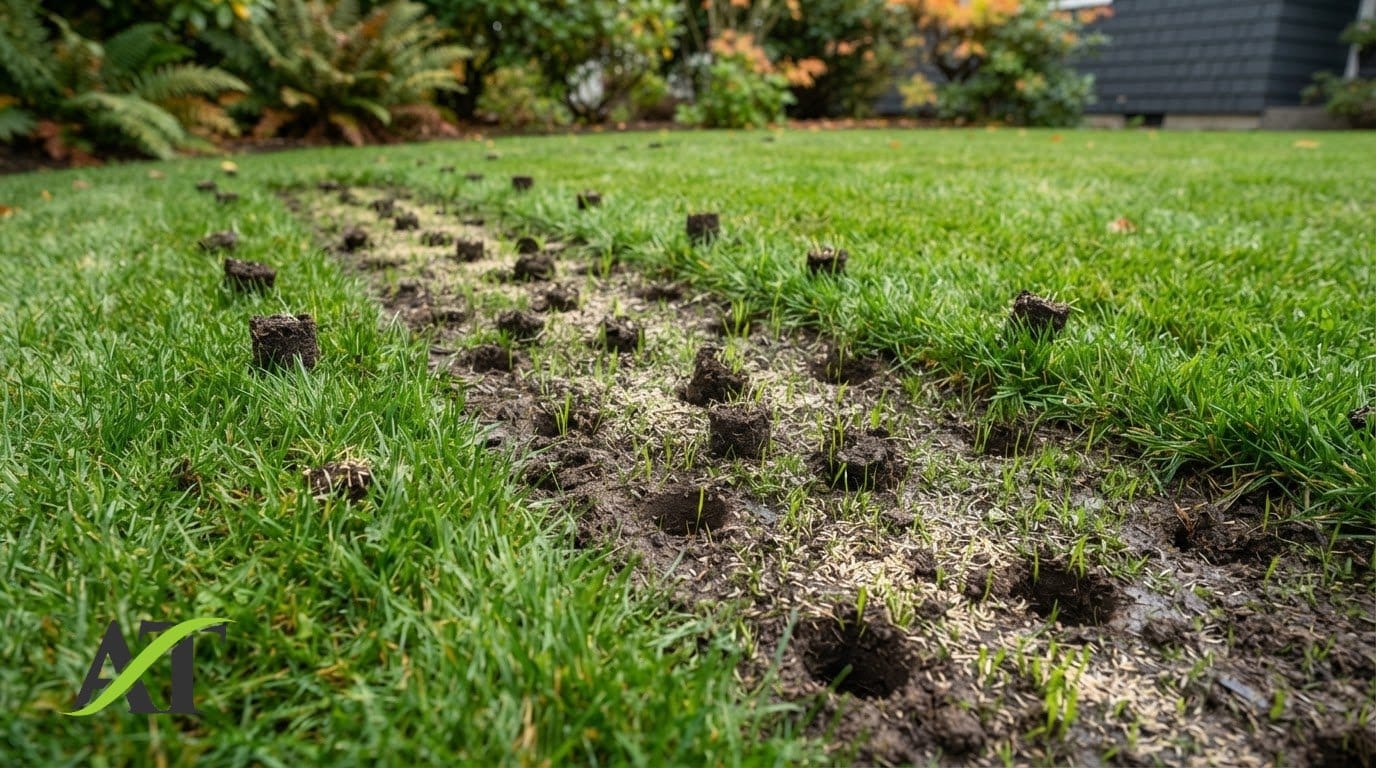
Amendments may improve the structure of the soil they reach, but they don’t create an outlet for excess water. Note where puddles form and whether they remain after nearby areas have drained. Persistent pooling in a low area may point to grading or subsurface drainage concerns. Core Aeration relieves compaction in the shallow turf root zone; it won’t break deep glacial hardpan or repair a subsurface defect.
Check the lawn when the soil is moist but not saturated. Press a screwdriver into several spots and compare resistance across the yard. Firmness across a broad area may suggest compaction, while one wet patch beside otherwise firm turf may indicate a localized drainage issue. Note regular foot-traffic routes too, since repeated pressure can compact a narrow strip. These observations help focus the next step.
Separate soil improvement from water management. Organic material can support soil aggregation, while persistent standing water needs further diagnosis. Don’t treat every mossy or thin patch as a fertilizer problem. Moss can be associated with compaction and shade, so check light exposure and soil firmness before choosing an amendment. Address the limiting condition instead of adding material without a clear purpose.
If water remains in the same spot, describe your lawn’s soil and drainage pattern to discuss an appropriate next step.
Soil amendment preparation and application
Start by identifying the lawn area and the result you want. Soil testing is a separate diagnostic step, not an automatic part of amendment application.
Timing Lawn Amendments
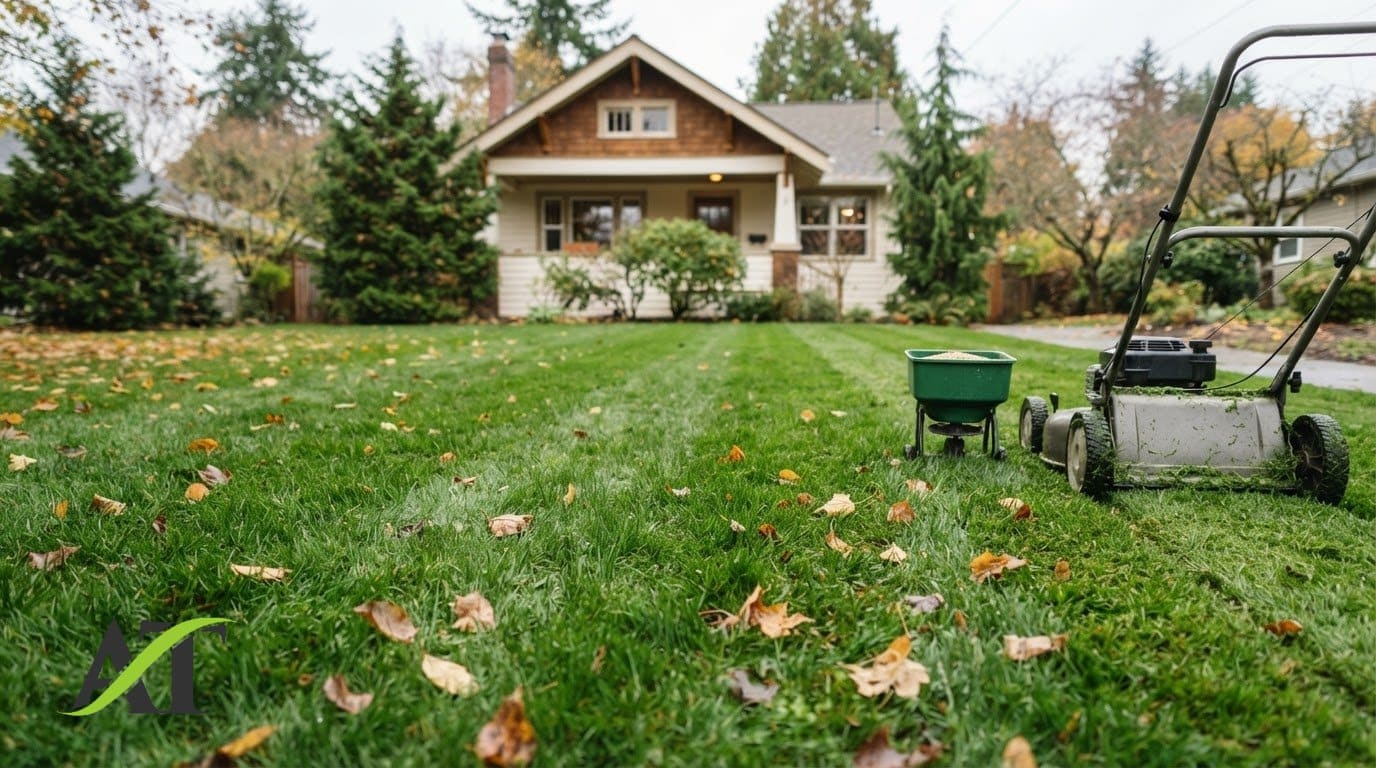
Choose a period when the soil is workable and the grass can tolerate the planned work. Spring or fall can suit lawn projects, but ground condition matters more than the calendar. Avoid applying material to saturated soil, where foot traffic or equipment can leave ruts and compact the surface. Before scheduling, note whether the area is actively growing, recovering, or already stressed.
Application Risks and Precautions
Confirm the material’s intended use before it reaches the lawn. An amendment chosen for the wrong purpose may leave the original problem untouched. Keep material off paved surfaces and out of drains, where rain can carry it away. If lime is being considered, base that choice on soil-test results rather than adding it routinely.
Before work begins, identify obstacles and sensitive areas. Mark sprinkler heads, oil tank caps, shallow utilities, pet fencing, and other items that could be hidden by grass or soil. Move pets and toys from the treatment area, and keep people away while material is being spread. These steps help prevent avoidable disruption and keep the work focused on the intended lawn.
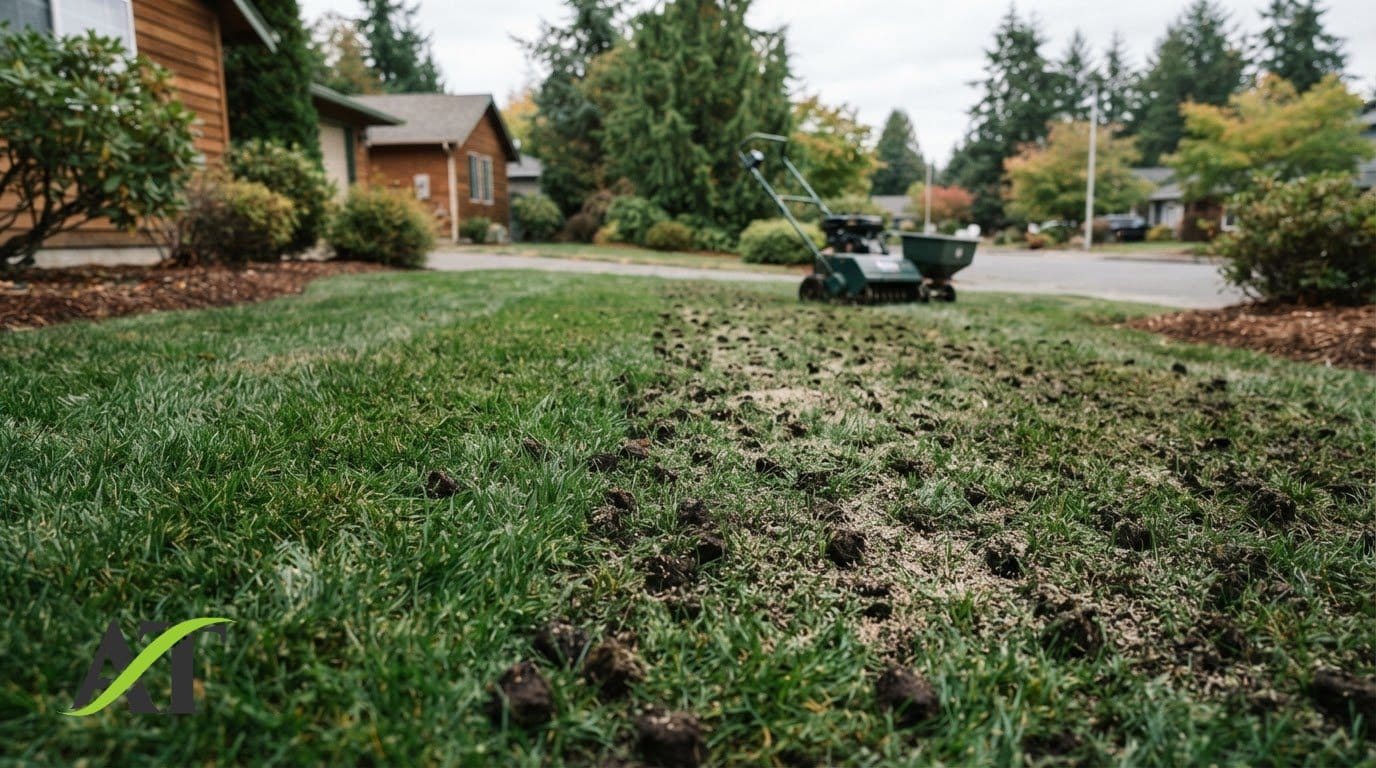
After application, follow the directions for the specific material and any accompanying lawn work. Don’t add extra fertilizer simply because an amendment has been used; amendments and fertilizers serve different purposes. If seeding is included in the plan, coordinate surface preparation and seed placement so the material doesn’t interfere with seed-to-soil contact. Check afterward for uneven piles or covered grass.
A clear work plan identifies the material, target area, preparation method, and homeowner steps before and after application. This helps you understand what will happen on site and what the treatment is intended to address.
Improving soil structure and aggregation
Soil structure matters because roots need room to extend and take up water. Track changes in the same lawn areas rather than judging the whole yard at once. Note turf density, color consistency, and whether the surface feels easier to work. These observations help assess progress without assuming every thin patch has the same cause.
During the first season, watch for changes such as improving turf density, more consistent color, or a change in soil feel. Compare similar areas and keep notes, especially where turf was sparse. Grass appearance can offer useful clues, but it doesn’t identify the cause on its own.
In the second season, expected benefits include stronger root systems, reduced moss pressure, and better summer performance. By the third season, expected changes include thicker turf, reduced fertilizer dependency, and greater resilience. Treat these as stages for evaluating lawn development, not as a fixed schedule or a promise of results.
Read the pattern across the lawn. Moss concentrated under a tree points to a different concern than moss across a sunny, heavily used path. Grass struggling beside a downspout may face a moisture issue unlike turf in an exposed area. Shade, traffic, irrigation, and drainage can each affect how the lawn responds.
Use your observations to decide whether the next step is further diagnosis or continued soil-focused care. If one area remains weak while comparable areas improve, investigate what differs before repeating the same treatment. Comparing specific locations gives you a clearer basis for adjusting the plan and tracking lawn growth.
Aerating Thatching: Lawn Tune Up
Aerating Thatching Co.’s Lawn Tune-Up combines Core Aeration, Premium Overseeding, and Starter Fertilizer to support turf establishment. It may suit a lawn with compaction and thin grass that needs new seed. Core Aeration relieves compaction in the shallow turf root zone; it won’t fix deep hardpan or a subsurface drainage defect. Soil Amendments and Lime Treatment are separate, optional treatments, not part of the Lawn Tune-Up.
Choose based on the problem you’ve identified. If poor soil structure is the main concern, discuss Lawn Soil Amendments separately. If compaction and bare patches are the issue, Core Aeration and Overseeding may fit. Further diagnosis matters when water remains pooled or shade limits growth.
Choose the Next Step for Your Lawn
Before choosing a treatment, decide what change matters most: easier root growth, better soil structure, or stronger turf establishment. A lawn soil amendment service in North Seattle should start with that goal, not a one-size-fits-all application. Bring clear observations about the areas that stay thin, feel firm, or hold water. Those details help focus the conversation on the lawn’s actual condition.
If soil improvement is the priority, Aerating Thatching Co. offers Lawn Soil Amendments. If the lawn also needs help establishing grass, the Lawn Tune-Up combines Core Aeration, Premium Overseeding, and Starter Fertilizer. The right next step depends on whether the main limitation is soil structure, compaction, or another condition that needs further diagnosis.
A practical plan starts with the problem you can see and works toward healthier growing conditions. Contact Aerating Thatching Co. to discuss your lawn and the approach that fits.
Frequently Asked Questions
What Results Should You Expect?
Expect any change in soil condition to be gradual; turf response depends on the lawn’s starting point and care afterward. Compare the same thin area over time: note whether grass fills in, roots hold more firmly, or the soil surface feels less hard. Don’t judge an amendment by color alone. Soil improvement and visible lawn growth are related but distinct.
Which companies offer lawn soil amendment services in North Seattle?
Aerating Thatching Co. offers Lawn Soil Amendments for homeowners in North Seattle and nearby service areas, including Shoreline, Edmonds, Lynnwood, and Bothell. If you’re comparing options, focus on whether the proposed work addresses your lawn’s actual concern, such as soil condition or a nutrient issue. A lawn soil amendment service in North Seattle should explain what the treatment is intended to change before application.
What lawn soil amendments do North Seattle providers offer?
Aerating Thatching Co. offers Lawn Soil Amendments and Lime Treatment. They address different needs: amendments are selected to support soil improvement, while lime is appropriate when soil-test results indicate a pH adjustment is needed. Organic Fertilizing is another option, but it feeds the lawn and is not a substitute for every soil amendment. Match the material to the identified need.
How do lawn soil amendment services apply compost, topsoil, or other amendments?
Application depends on the material and the lawn’s condition. A sound process identifies the target area, selects material for its intended purpose, and spreads it evenly without burying grass. Compost may be incorporated where appropriate; topsoil is not automatically needed for soil improvement. Before work begins, clarify which material will be used and how it will reach the soil while protecting existing turf.
Are permits or local rules required for lawn soil amendments in Seattle?
A lawn-only amendment application does not automatically require a permit. Permitting considerations depend on the work involved, such as separate grading or drainage construction.
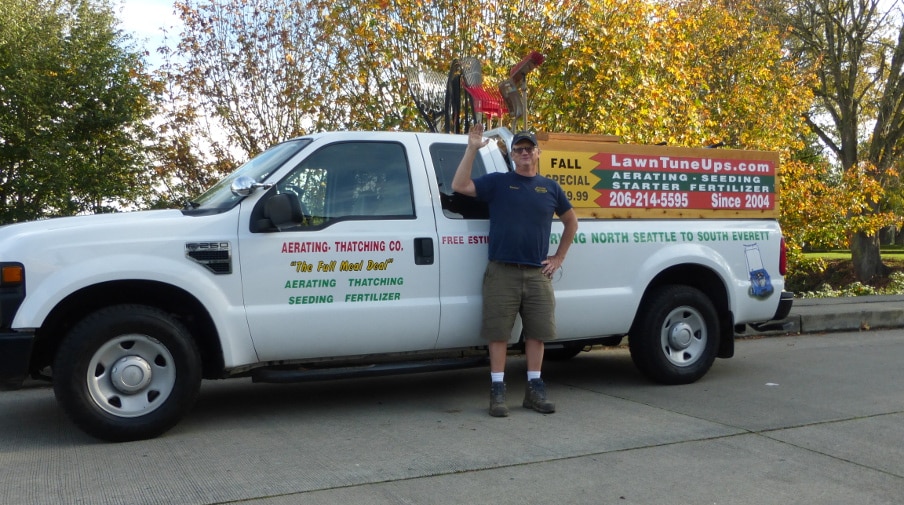
Article by
Stewart Armour
Stewart Armour is the owner of Aerating Thatching Co., an owner-operated Seattle-area lawn restoration business established in 2004. He helps homeowners understand Core Aeration, Power Raking (Dethatching), Overseeding, soil conditions, and the aftercare needed for stronger lawns. His background includes turf management study, advanced golf course turf training, and continuing education through Wilbur-Ellis University, State Turf Facilities, Soil First Academy, and Golf Course Applied Turf Physiology. Stewart has personally evaluated thousands of residential lawns throughout the Seattle area and focuses on recommending the work that fits each lawn’s condition.