Seattle Lawn Restoration Specialists
Top 10 Signs Your Seattle Lawn May Need Dethatching
A spongy lawn, thin grass or recurring moss can raise a useful question: is excess thatch getting in the way? These ten signs help North Seattle-area homeowners decide what to inspect before choosing a treatment.
Quick answer: check the layer between the grass and soil. Surface symptoms can have several causes, so confirm thatch buildup before scheduling dethatching.
Start with a direct thatch-layer check
Thatch is an interwoven layer of living and dead stems, roots and other organic material between the green grass and the soil. Loose clippings, fallen leaves and moss on the surface are different materials, even though power raking may remove some of them.
- Choose several representative spots. Compare a healthy area with a spongy, thin or mossy area. Avoid judging the whole lawn from one unusual patch.
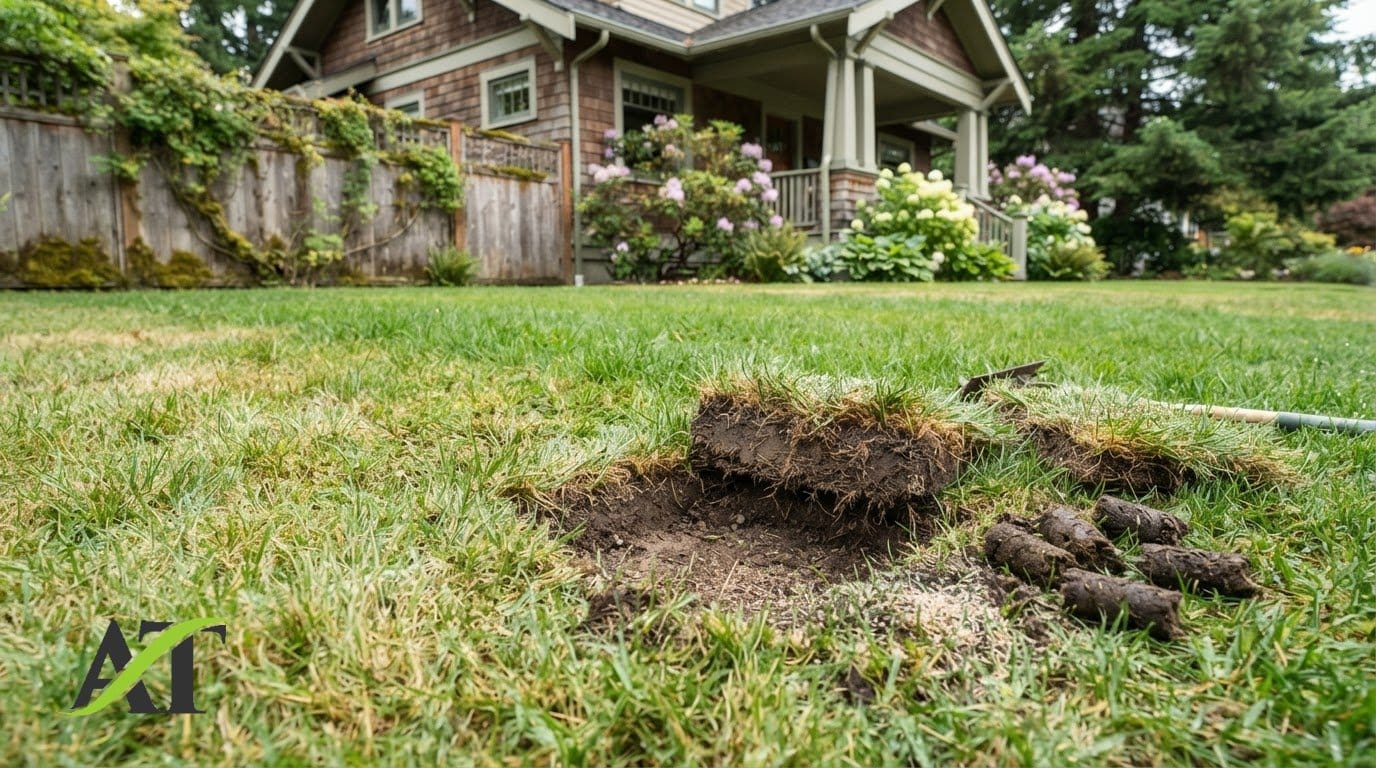
- Lift a small turf sample. Use a hand tool to expose a vertical section that includes the grass, the layer beneath it and some soil. Avoid buried irrigation lines and other utilities.
- Find the actual layer. Look for a fibrous, matted band above the soil. Measure that band separately from the grass blades and soil, and take a clear photo beside a ruler.
- Connect the finding to the symptoms. A substantial accumulated layer warrants closer assessment. If little thatch is present, investigate soil compaction, watering, drainage, shade or other causes instead. Replace and gently firm the sample afterward.
Grass type matters. Some lawns accumulate far more thatch than others. Oregon State University notes that perennial ryegrass and tall fescue lawns often have less of a thatch problem and recommends inspecting a small turf sample. See its regional guidance on checking thatch and lawn timing.
Ten signs to investigate before dethatching
Use these observations as a checklist. The most useful evidence is an actual thatch layer combined with a lawn problem that the proposed work can address.
The lawn feels spongy or bouncy
A springy surface can be a clue that organic material has accumulated beneath the grass. Moss or soft, wet ground can also change how the lawn feels.
Next step: inspect a turf sample where the bounce is noticeable and compare it with a firmer area.
Water pools or runs off
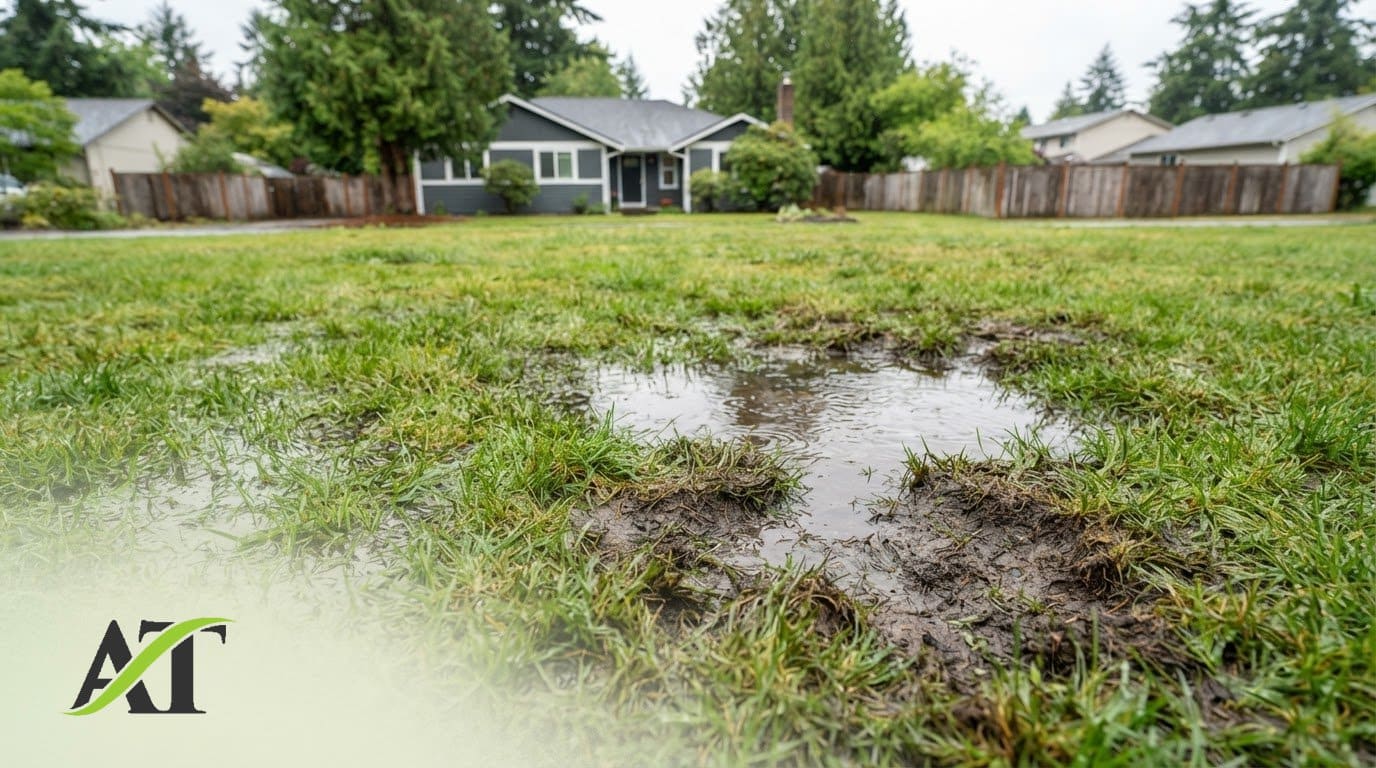
A dense surface layer may contribute to poor water movement. Compacted soil, saturated ground, a low spot or a drainage problem can produce similar symptoms.
Next step: check both the thatch layer and the soil beneath it. Persistent pooling needs its underlying cause assessed; dethatching alone may leave it unresolved.
Grass turns brown or yellow
Discoloration can accompany a struggling lawn, but it does not identify the cause. Moisture stress, nutrient issues, disease and other problems can affect color.
Next step: compare the pattern of discoloration with watering, shade and soil conditions, then inspect for thatch before selecting a treatment.
You find a distinct, accumulated thatch layer
A turf sample showing a thick, fibrous band above the soil is more direct evidence than lawn color or appearance. The amount and condition of that material matter.
Next step: photograph and measure the layer in several spots. Ask whether removal would improve the lawn or prepare it for overseeding without unnecessary damage.
The surface feels uneven or lumpy
Uneven buildup may affect surface feel, but settling, animal activity, roots and variations in the soil can also create bumps.
Next step: identify whether the unevenness is in the surface material or the ground itself. Power raking does not level the underlying soil.
You notice pests or animal disturbance
Damaged turf, insects or birds digging in the lawn call for identification. Their presence does not establish that excess thatch is the problem.
Next step: inspect damaged areas and identify the pest or disturbance before planning repair. Dethatching is not a substitute for pest diagnosis.
Mowing becomes difficult or uneven
A soft or uneven surface can make mowing awkward. Wet soil, incorrect mower height and underlying bumps can cause sinking or scalping too.
Next step: check mowing conditions and surface firmness, then inspect the layer beneath the grass. Avoid working the lawn while the ground is saturated.
Fertilizer produces a disappointing response
Weak growth after feeding can reflect limited moisture, unsuitable soil conditions, shade or another unresolved problem. It does not prove fertilizer is trapped by thatch.
Next step: review the application and growing conditions. Consider a soil test when nutrient or pH questions remain instead of repeatedly adding more fertilizer.
Weeds fill thinning areas
Open spaces give weeds room to establish. Excess thatch may be part of the picture, but mowing, shade, compaction and poor grass establishment deserve attention too.
Next step: find out why the grass is thin. Plan any needed surface preparation alongside overseeding and after-care rather than treating weed presence as proof of thatch.
Moss keeps returning
Moss is a reason to examine growing conditions, especially in shaded or persistently damp areas. It can occur where there is little actual thatch.
Next step: distinguish surface moss from the underlying fibrous layer. Consider shade, moisture and grass density so removal is followed by a realistic recovery plan.
Match the work to what you find
Confirmed surface buildup
When accumulated thatch or surface material is interfering with the lawn, targeted removal may be appropriate. The intensity should suit the existing grass and its ability to recover.
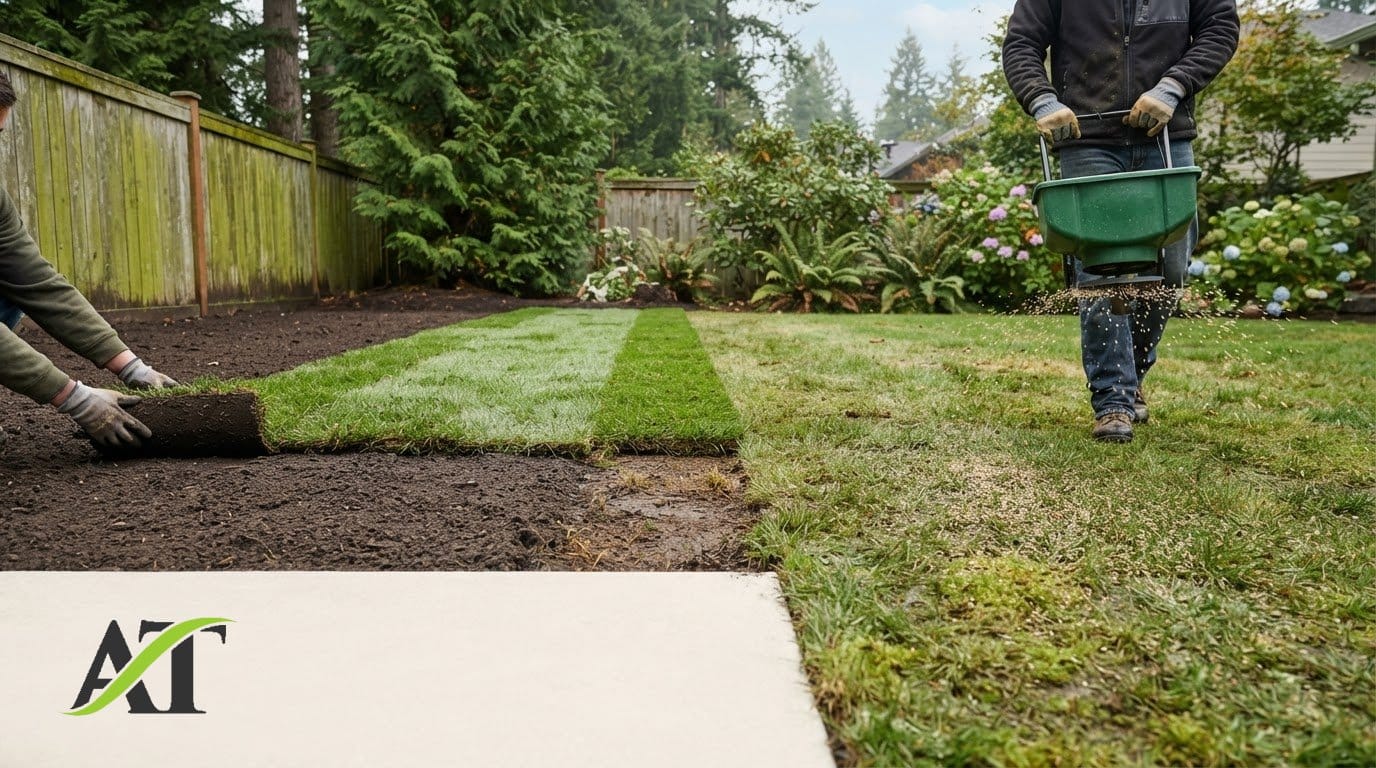
Explore dethatching and power raking, including how the work fits with overseeding.
Compaction beneath the grass
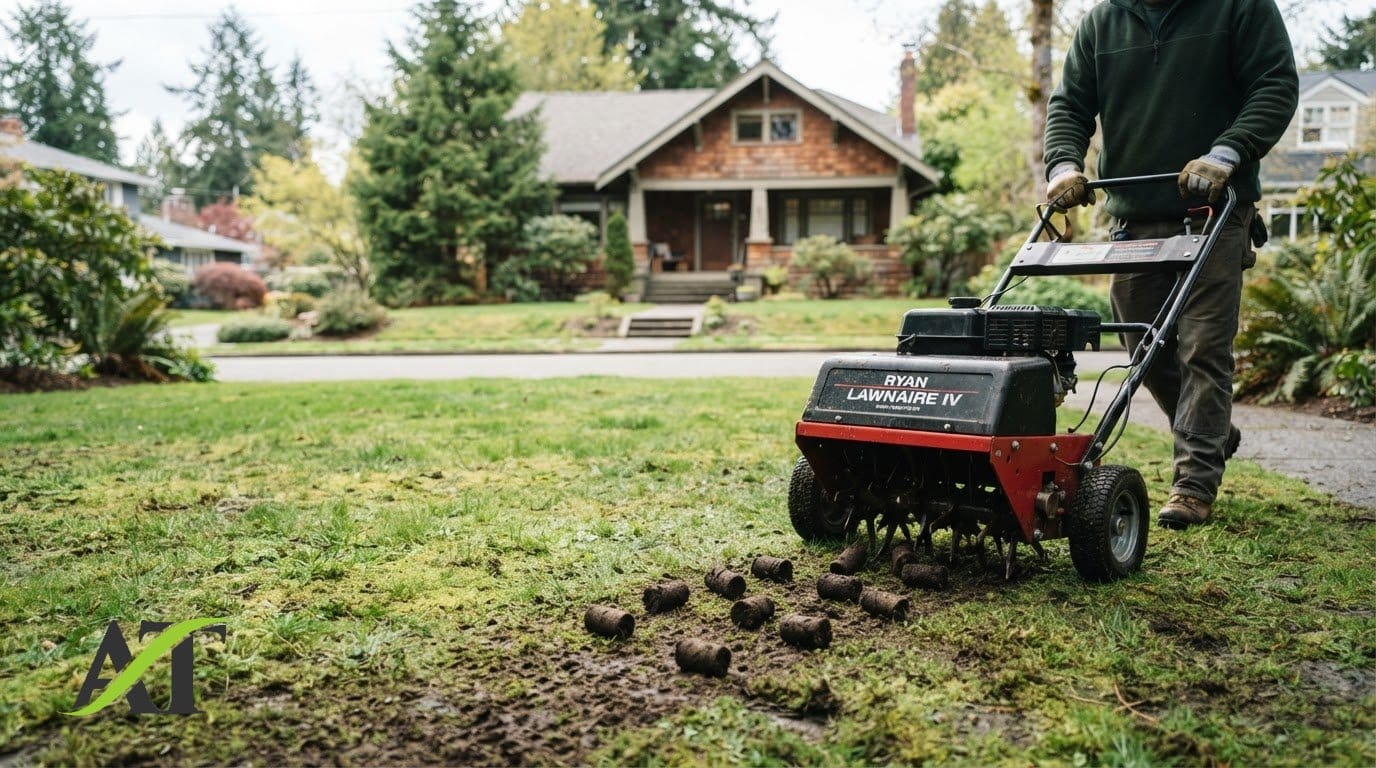
If the principal issue is compacted soil, a surface rake does not perform the same job as a machine that removes soil cores.
Learn about core aeration. The Lawn Tune-Up combines core aeration, overseeding and starter fertilizer.
Several problems and substantial thinning
A thin lawn with surface buildup and compacted soil may benefit from coordinated renovation rather than isolated work.
The Full Meal Deal brings together dethatching, optional raking, core aeration, overseeding and starter fertilizer. Ask which steps your lawn needs.
Little thatch, unclear cause
Pause before aggressive surface work. Persistent shade, drainage limitations, pests or unsuitable soil conditions may require a different approach.
Send Stewart your observations, including photos of the lawn and an exposed turf sample, for a service recommendation.
DIY tools after you have checked the lawn
For manageable areas and appropriate surface work, these tools offer two approaches. Start with a small test area, follow the equipment instructions and stop if healthy turf is being excessively disturbed.
As an Amazon Associate, I earn from qualifying purchases.
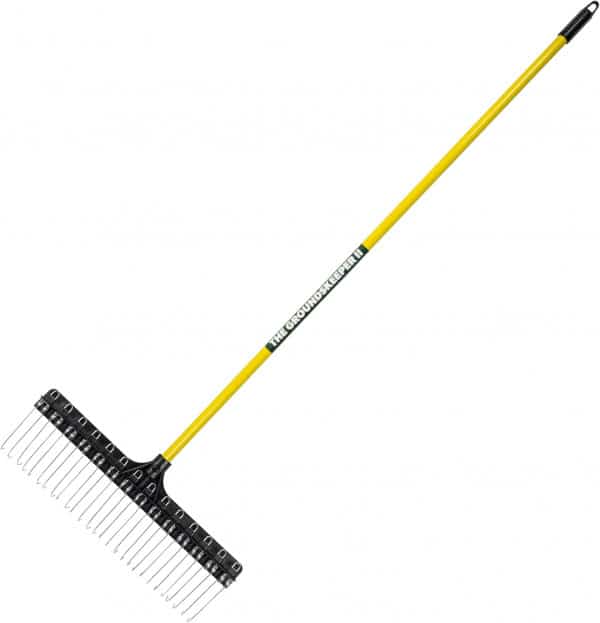
Dethatching Rake
A hand rake allows controlled surface work on a small patch or around awkward edges. Use light passes where removal is justified; it can be physically demanding across a large lawn.
View Rake on Amazon
Greenworks 40V Dethatcher / Scarifier
A powered option for suitable lawn surface work when a hand rake would be laborious. Check the selected listing for battery and charger requirements, and follow its depth and operating instructions; it does not replace core aeration.
View Greenworks on AmazonPlan for recovery before starting
Choose a period when the grass is actively growing and has time to recover. In the North Seattle area, spring and early fall often provide useful opportunities, but temperature, soil moisture and the condition of the lawn should guide the decision.
Avoid aggressive work on dormant, drought-stressed or saturated turf. If overseeding follows removal, allow enough growing time for establishment and make a watering plan before the work begins.
- Remove loosened debris as appropriate so it does not smother the grass or obstruct seed contact.
- Address the conditions behind thinning or moss so the same symptoms are less likely to return.
- Follow watering and mowing guidance for any new seed, and limit traffic during establishment.
Use our lawn after-care guide to prepare for the work and the weeks that follow.
Common dethatching questions
Does moss mean my lawn needs dethatching?
No. Moss can grow where shade, moisture or weak grass gives it an opening, even when little thatch is present. Inspect the actual layer and consider the growing conditions before choosing removal or renovation.
How can I tell whether the problem is thatch or compaction?
Inspect a small turf sample. Thatch is a fibrous layer above the soil; compaction concerns the soil beneath it. Both can occur together, and the lawn may need different work for each.
Should I dethatch my lawn every year?
Choose dethatching based on the lawn's actual condition rather than an automatic annual schedule. Check for accumulated material, consider the grass type and make sure the lawn can recover from the proposed work.
Will dethatching fix a lawn that stays wet?
It may help when surface buildup contributes to the problem, but persistent wetness can involve compacted soil, low spots or drainage limitations. Identify the cause before relying on dethatching as the solution.
Get a recommendation based on your lawn
Aerating Thatching Co. has been owner-operated since 2004, and Stewart personally performs the work. Describe what you are seeing and share photos so the recommendation can focus on the steps that fit your lawn.