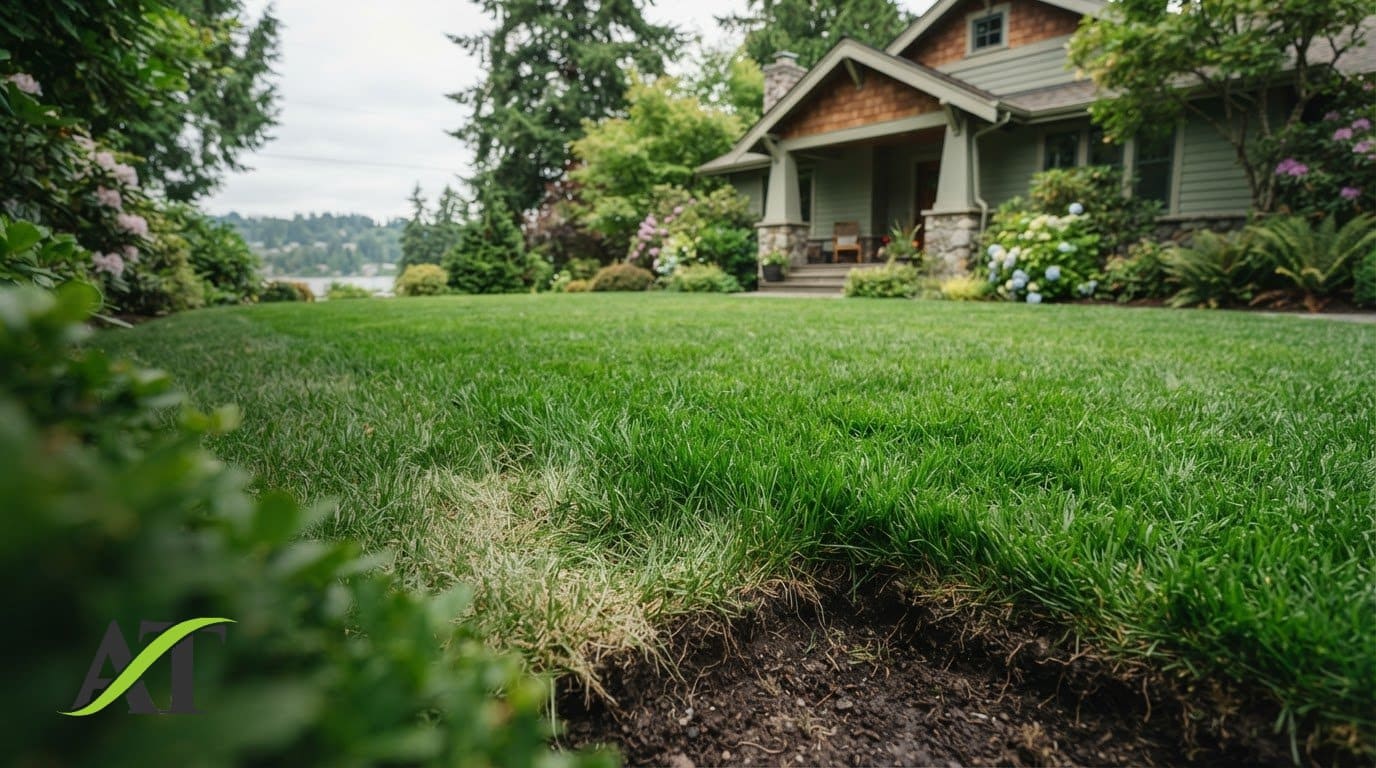
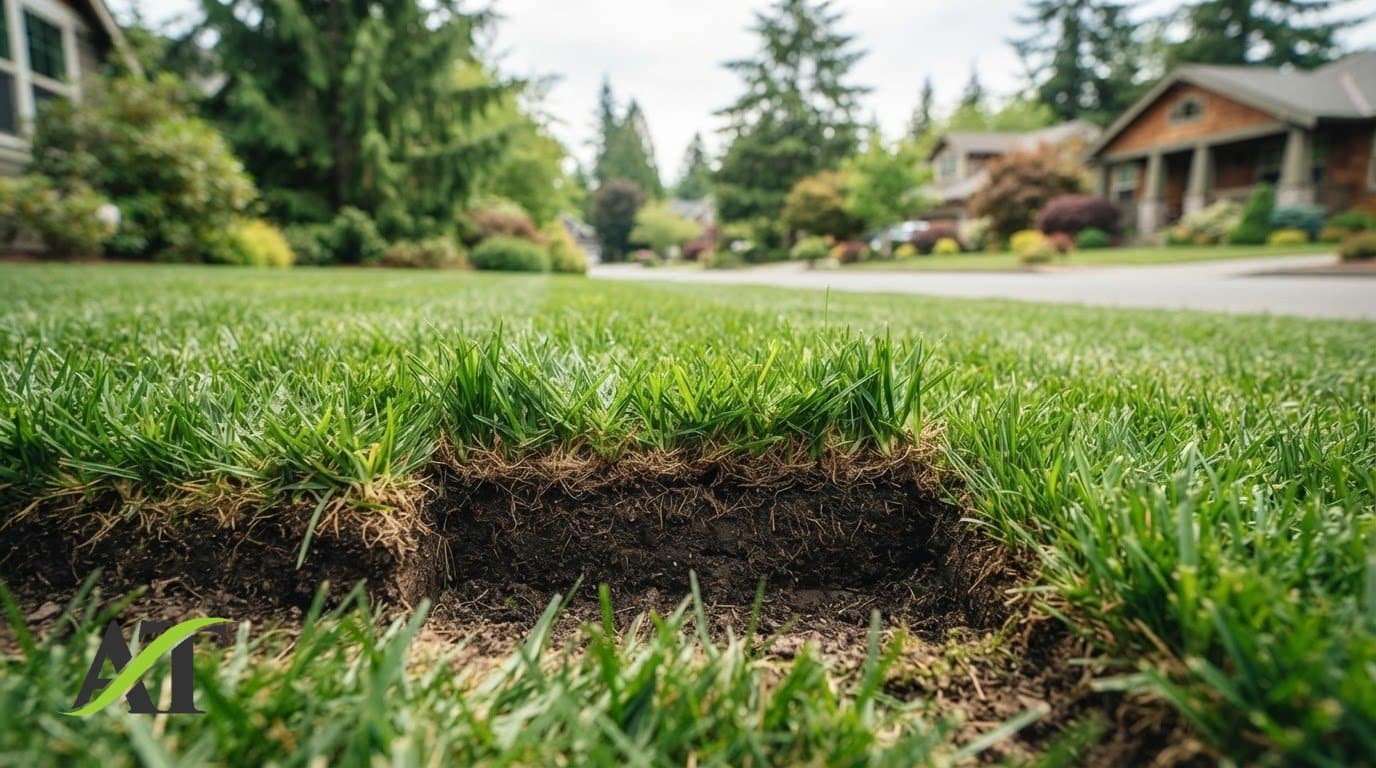
Rabbit Damage in North Seattle-Area Lawns: How to Identify It & Protect Your Landscape
Rabbits can clip grass, flowers and tender plants, and they can also gnaw stems or bark on vulnerable shrubs and young trees. But a thin or uneven lawn by itself does not prove rabbits are responsible. The most useful approach is to confirm the feeding signs first, protect the plants or areas being targeted, and repair the lawn only after the rabbit pressure is under control.
How Do You Reduce Rabbit Damage?
For North Seattle-area landscapes, start with evidence rather than assuming every thin patch is rabbit damage. When rabbits are clearly feeding on plants or turf, physical exclusion is the strongest first-line approach for protecting specific vulnerable areas.
Recognizing Lawn Damage Caused by Rabbits
Rabbit activity can be difficult to catch in the act because rabbits are often most active around dawn and dusk. The damage is more useful diagnostically when several clues appear together.
Cleanly Clipped Grass & Plants
Rabbits feed close to the ground and can leave vegetation looking cleanly clipped. Repeated feeding may create noticeably shorter patches or damaged low-growing plants.
Damaged Beds & Tender Growth
Flowers, vegetables, tender shoots and ornamental plants next to the lawn can provide stronger evidence than generalized turf thinning alone.
Pellet-Like Droppings
Small, round droppings near repeatedly clipped plants or feeding areas can support the diagnosis, although droppings alone do not prove rabbits caused a particular lawn problem.
Tracks & Repeated Activity
Tracks may occasionally be visible in soft soil or other receptive surfaces. Repeated sightings or feeding in the same location make the evidence stronger.
Gnawed Stems or Bark
Woody stems, shrubs and young trees may also be damaged. Significant bark removal can be more consequential than ordinary clipping of established turf.
Rabbit Damage or Something Else?
If the lawn is being torn apart rather than clipped, see the guide to chafer beetles, lawn grubs and animal digging.
How to Stop Rabbits from Damaging Your Lawn & Landscape
The most practical strategy is layered: protect the areas that matter most, make nearby hiding and feeding conditions less attractive where reasonable, and use repellents as supporting tools when appropriate.
Physical Barriers
Washington Department of Fish & Wildlife guidance identifies fencing as the most effective long-term way to protect plantings from rabbit damage. For rabbits, WDFW recommends a 2-foot-tall fence made with 1-inch mesh. Because rabbits are often more likely to go underneath than over a barrier, the bottom also needs to be secured.
WDFW describes several approaches for the bottom edge: bury it about 6 inches, stake it flush to the ground, secure it with an appropriate solid edge, or use a firmly secured wire apron on the rabbit side.
You do not necessarily need to fence the entire lawn. Targeted barriers around frequently damaged beds, plants and other vulnerable areas can be more practical in a residential landscape.
Make the Area Less Inviting
Where practical, reduce unnecessary brush piles, dense weed patches and debris that provide hiding cover immediately around vulnerable plantings. This does not mean stripping established landscaping simply because rabbits are present.
The goal is to reduce convenient cover near the places you are actively trying to protect while considering the value of habitat for other wildlife.
Protect Young Trees & Shrubs Too
Rabbit damage is not limited to grass and flowers. Rabbits may gnaw tender woody growth and bark, so young trees and shrubs can deserve targeted protection when feeding is occurring.
Use Individual Protection
WDFW notes that cylinders made from 1-inch mesh chicken wire can protect individual plants. The barrier should be braced away from the plant so rabbits cannot press against it and feed through the mesh.
Leave Room for the Plant
Tree or shrub protection should not bind tightly against the trunk. Leave appropriate space and inspect guards as the plant grows.
If Bark Is Already Damaged
Prevent additional feeding and assess how extensive the damage is. Avoid assuming that a heavily damaged young tree will simply recover or applying wound treatments without plant-specific guidance.
Rabbit Repellents: Useful Support, Not a Guaranteed Barrier
Commercial repellents may help discourage rabbit feeding, but results can vary with the product, application, weather, rabbit pressure and the attractiveness of nearby food. For plants or areas where preventing feeding is especially important, physical exclusion is the more dependable approach.
Always read and follow the current product label, including where the product may be applied, any precautions, whether use on or around edible plants is permitted, and when reapplication is appropriate after rain, irrigation or new plant growth.

Liquid Fence Deer & Rabbit Repellent
A liquid repellent option homeowners may consider where label-directed application fits the plants or areas they are trying to protect. Use it as part of a broader prevention plan rather than as a substitute for a dependable barrier where feeding pressure is significant.
View on Amazon
Repels-All Animal Repellent Granules
A granular deterrent option for homeowners who prefer that application format. Check the current label for permitted sites, precautions and reapplication directions before using it around lawns, beds or edible plantings.
View on AmazonWhat About Solar, Ultrasonic & Scare Devices?
Scare devices may be appealing because they do not require enclosing a planting, but they should not be treated as equivalent to a properly installed physical barrier. Washington Department of Fish & Wildlife notes that urban and suburban rabbits may become accustomed to scare devices and that ultrasonic units have not been proven effective.
If you choose to try a solar animal-deterrent device, treat it as a supplemental measure rather than the primary protection for plants you do not want damaged.

Solar Animal Repellent Device
A supplemental deterrent homeowners may choose to try around landscape areas. Do not rely on this type of device in place of physical exclusion where preventing rabbit feeding is important.
View on AmazonWhich Rabbit Prevention Method Should I Try?
Physical Barriers
Best first-line choice for specific vulnerable areas. Proper exclusion provides the most dependable protection when you need to keep rabbits away from particular plants or beds.
Repellents
Useful supporting deterrent. Follow the current product label and expect performance to vary with conditions and feeding pressure.
Habitat Adjustments
Helpful as part of a layered approach. Reduce unnecessary hiding cover close to vulnerable areas without indiscriminately removing established landscaping.
Scare or Solar Devices
Supplemental. Do not rely on these alone where protecting plants from feeding is important.
Trapping or Relocation
Not the first DIY step. Washington rules and local restrictions matter, and relocation itself can create animal-welfare and effectiveness problems.
What About Trapping & Relocation?
Trapping and relocation should not be treated as the routine first response to rabbit damage. Washington Department of Fish & Wildlife explains that relocated rabbits can become disoriented, may not survive successfully in the new area, and may simply be replaced by other rabbits at the original property.
Wildlife rules can also vary by species, location and method. Check current Washington Department of Fish & Wildlife guidance and applicable local requirements before attempting to trap, transport or relocate wildlife.
If reasonable exclusion and prevention measures are not resolving a persistent problem, consider an appropriately qualified wildlife-control professional. Aerating Thatching Co. provides lawn restoration services, not wildlife trapping or rabbit removal.
How to Prevent Future Rabbit Damage
Inspect Vulnerable Areas
Check frequently targeted beds, tender plants and young woody plants for new feeding. Acting at the first signs of damage is easier than waiting until rabbits have established a regular feeding pattern.
Protect What Rabbits Actually Target
Feeding preferences vary. Rather than assuming a plant is “rabbit-proof,” give extra protection to the plants rabbits are actively eating.
Adjust Cover Where Practical
Remove unnecessary brush, weed patches or debris immediately around high-priority areas when those features are providing convenient cover.
Watch Conditions, Not a “Rabbit Season”
Feeding pressure can change with food availability, cover, weather and landscape conditions. Protect vulnerable plants when activity is actually occurring rather than relying on a rigid calendar.
Found a Rabbit Nest in the Lawn?
A shallow nest in turf can appear unattended even when it is still being used. Do not automatically assume a nest has been abandoned simply because an adult rabbit is not sitting on it.
Keep unnecessary disturbance to a minimum and consult current Washington wildlife guidance or an appropriate wildlife professional when you are unsure how to handle an occupied nest. Nest situations are different from installing barriers around ornamental beds after ordinary feeding damage.
Will Rabbit-Damaged Grass Grow Back?
Minor clipping does not automatically mean the lawn needs renovation. If the grass plants remain established and the rabbit pressure is controlled, some areas may recover through normal growth and appropriate lawn care.
Avoid scalping an already stressed or thinned area in an attempt to clean it up. Resume appropriate normal mowing as surviving grass grows.
If repeated feeding has contributed to persistent thin or bare areas, new grass may be needed. The right response depends on what remains after the rabbit activity is controlled—not simply on the fact that rabbits were present.
Minor Clipping
Give established turf a chance to recover. Professional repair may not be necessary.
Thin or Bare Turf
Overseeding may make sense when grass density has actually been lost and growing conditions are suitable for establishing new seed.
Broader Lawn Problems
If the lawn was already thin, compacted or struggling before the rabbit activity, diagnose those underlying conditions separately rather than assuming rabbit prevention will solve them.
For lawns that genuinely need new grass density, see the Seattle-area Lawn Tune-Up, which combines Core Aeration, Premium Overseeding and Starter Fertilizer.
Rabbit Damage Prevention FAQ
How can I tell if rabbits are damaging my lawn?
Look for several clues together: cleanly clipped low vegetation, repeated feeding in the same areas, pellet-like droppings, tracks when visible and damage to nearby flowers, vegetables, shrubs or young woody plants. General lawn thinning by itself is not enough to identify rabbits as the cause.
What is the most dependable way to keep rabbits away from vulnerable plants?
Physical exclusion is the strongest first-line approach. Washington Department of Fish & Wildlife recommends a 2-foot fence with 1-inch mesh for rabbits, with the bottom secured so rabbits cannot readily push or dig underneath it.
Do rabbit repellents really work?
Repellents may help discourage feeding, but results vary with the product, application, weather, rabbit pressure and available food. Follow the current product label and treat repellents as supporting tools. Physical exclusion is more dependable when protecting a specific vulnerable plant or area is important.
Do ultrasonic rabbit repellents work?
Washington Department of Fish & Wildlife states that ultrasonic units intended to repel rabbits have not been proven effective. If you choose to try a solar or electronic deterrent, treat it as supplemental rather than a replacement for physical exclusion.
Should I trap and relocate rabbits?
Trapping and relocation should not be the routine first response. WDFW notes practical and animal-welfare problems with relocation, and wildlife rules can vary. Start with exclusion and other preventive measures, and check current Washington and local requirements before trapping or transporting wildlife.
Will rabbit-damaged grass grow back?
Minor clipping may recover once feeding pressure is controlled and the grass remains established. Persistent thin or bare areas may need overseeding or other lawn repair, but the remaining lawn condition should determine the repair rather than automatically assuming a renovation is necessary.
Do I need to fence my entire lawn?
Not necessarily. Targeted barriers around vulnerable beds, young trees, shrubs or repeatedly damaged areas can be more practical and visually acceptable than enclosing the entire property.
Are there plants rabbits will never eat?
Feeding preferences vary, especially as other food becomes scarce. It is more dependable to protect plants rabbits are actively targeting than to assume a particular species will always be ignored.
Protect First. Repair the Lawn Second.
Start by confirming that the visible damage actually fits rabbit feeding. Protect vulnerable plants and areas with physical barriers where practical, reduce unnecessary nearby cover, and use label-directed repellents as supporting deterrents. Treat solar, ultrasonic and other scare devices as supplemental rather than dependable exclusion.
Once the rabbit pressure is controlled, look at what the lawn actually needs. Minor clipping may recover without professional work. Persistent thin or bare turf may benefit from overseeding or a broader lawn-improvement approach.
Sources & Further Reading
The wildlife-management information in this guide is informed by current authoritative guidance, including:
Rabbit Damage Under Control? Help the Lawn Recover.
Aerating Thatching Co. does not provide rabbit trapping or wildlife-control services. Once the rabbit pressure is addressed, Stewart can help evaluate persistent thin or damaged turf and determine whether the lawn simply needs time, would benefit from overseeding, or needs a broader lawn-restoration approach.
The goal is to match the work to the condition of the lawn—not automatically recommend the largest service.