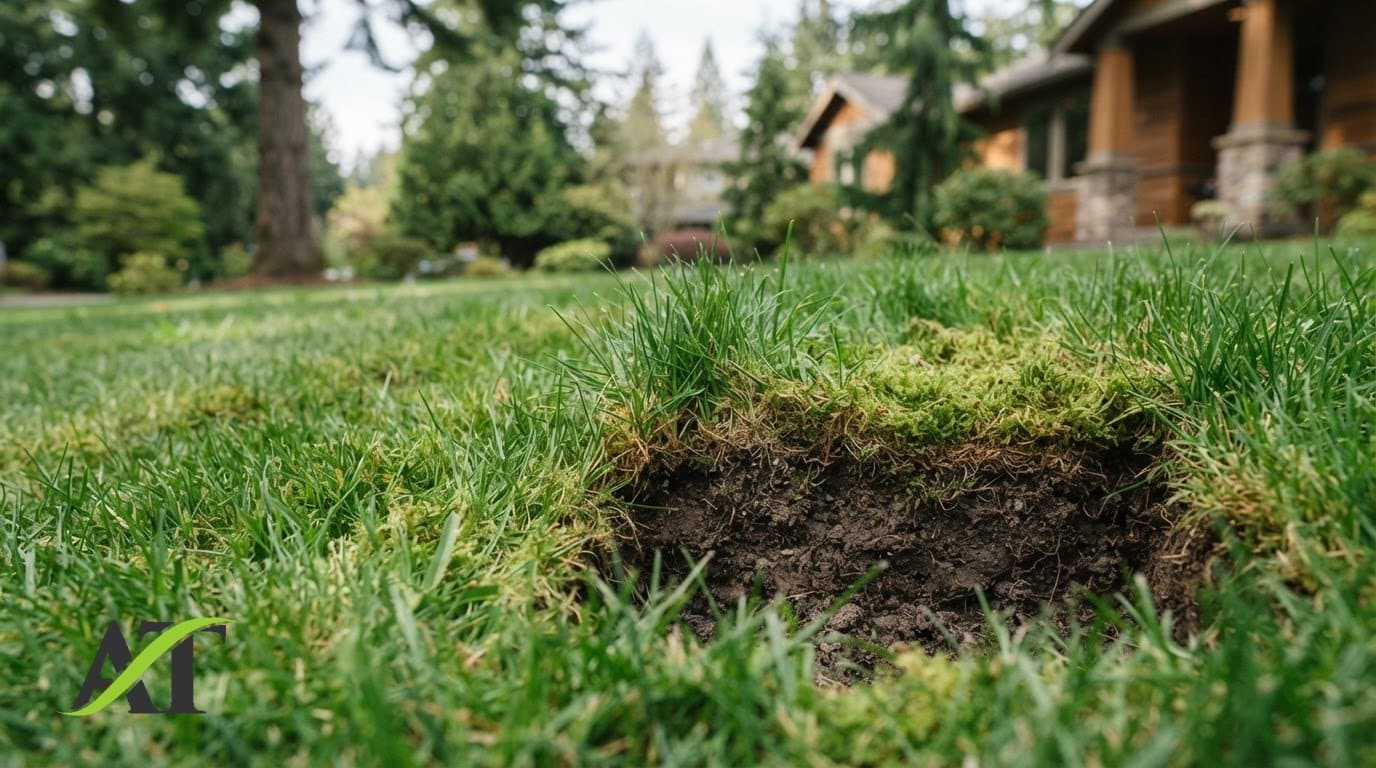
The amendment that sounds right for a soggy lawn may not fix it. If you’re researching soil amendments Shoreline lawns may need, first find out why water is lingering. Shoreline’s heavy, clay-like soils can drain slowly, but compaction, low spots, runoff, or a drainage issue beyond the soil can create similar symptoms. Treating the wrong cause wastes effort and may leave the lawn just as wet.
Persistent soggy patches are frustrating, and it’s not always clear whether the soil needs an amendment, the ground is compacted, or water is coming from elsewhere. Lime isn’t a general-purpose drainage fix, either. The right choice depends on what the soil actually needs.
This article will help you check likely causes, understand what a soil check can and can’t tell you, and choose a sensible next step before applying an amendment. You’ll learn when changing the soil may help, when another issue deserves attention, and why diagnosing first is better than guessing.
Key Takeaways
- With soil amendments Shoreline lawns may need, match any treatment to a diagnosed soil condition rather than the wet patch alone.
- Observe where and when water lingers, then inspect the soil before deciding what to check next.
- Check soil pH before considering lime; a soggy lawn by itself isn’t a reason to apply it.
- Soil amendments are separate from the Lawn Tune-Up, which includes Core Aeration, Overseeding, and Fertilizing.
What Soil Amendments Can, and Cannot, Do for Shoreline Lawn Drainage
A soil amendment is material added to soil to address a diagnosed condition, such as a soil structure or fertility concern. A Soil conditioner is one type of amendment; whether a particular material is appropriate depends on the soil and the problem. Shoreline’s heavy, clay-like soils can be slow to drain, but a wet lawn doesn’t prove that soil type is the cause. Compaction, the shape of the ground, runoff, or another drainage issue may also contribute.
Identify the cause before choosing an amendment; treating a symptom alone can leave the drainage problem unchanged. A blanket application isn’t a reliable fix for every soggy lawn. Amendments may help when they address a soil condition that’s actually limiting the lawn, but they shouldn’t be expected to correct every source of standing water or compaction on their own.
What do soggy patches tell you about your lawn?
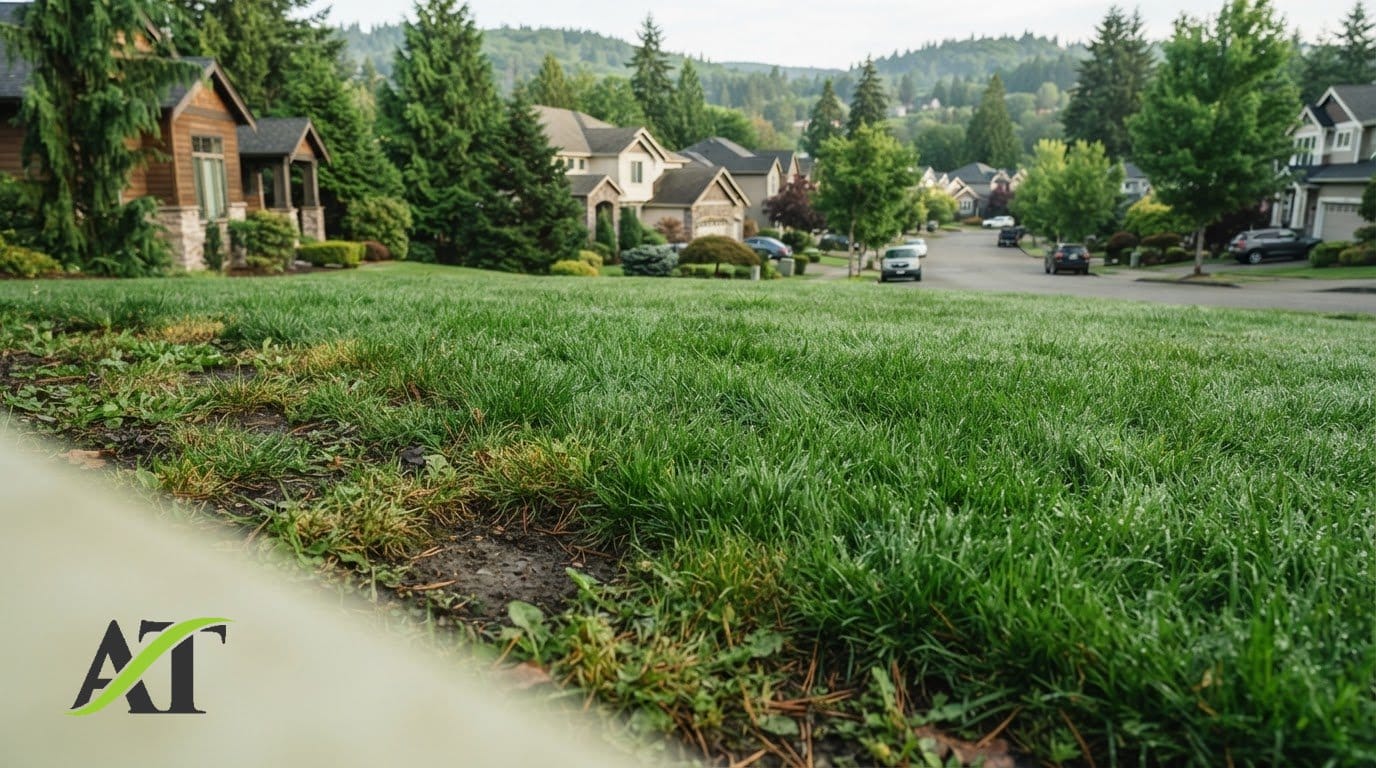
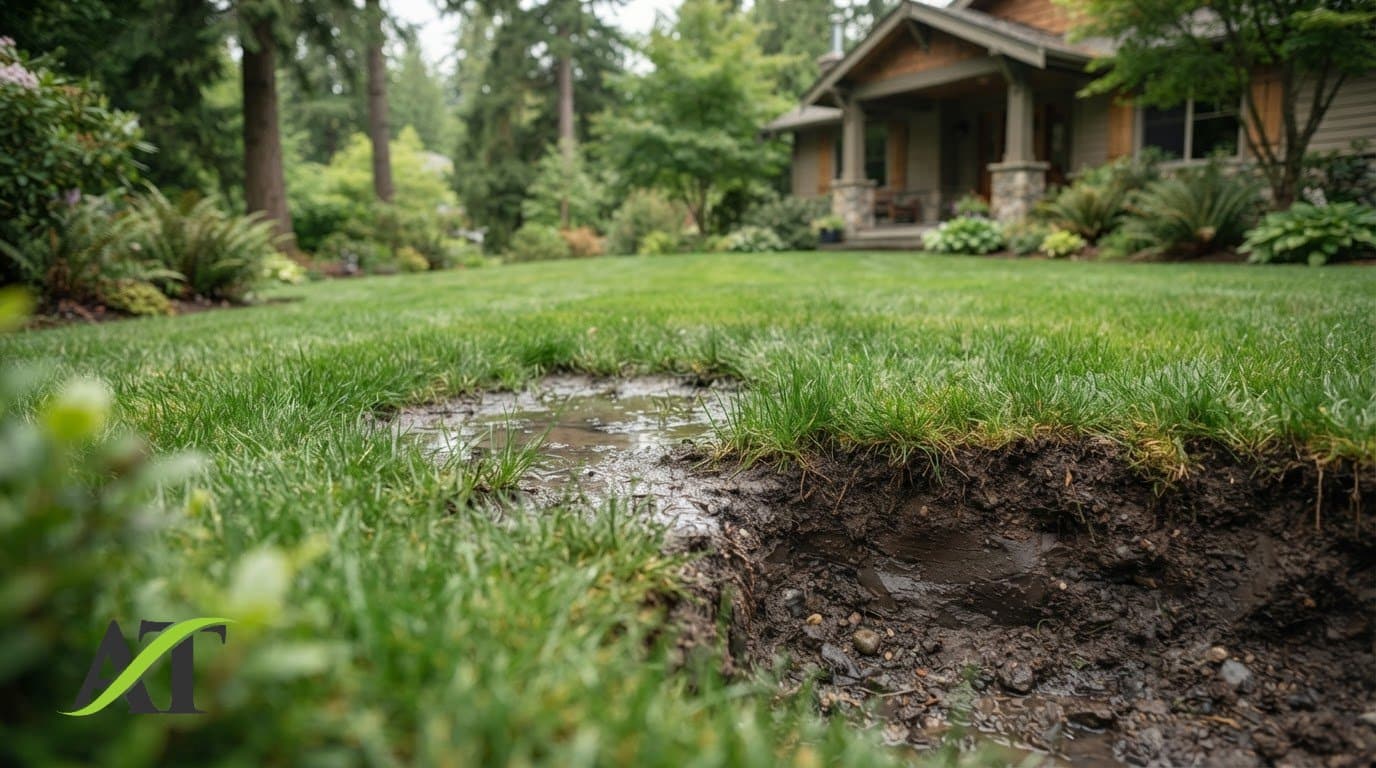
Pooling after rain, ground that stays soft, or thin grass can help you spot where to investigate. These are clues, not diagnoses. Notice whether water lingers in one low spot, follows a slope, or appears across a broader area. Drainage can vary within a single Shoreline property, so a dry section of lawn doesn’t rule out a soil issue elsewhere.
When might soil amendments help?
An amendment may be worth considering when inspection or testing points to a soil condition it can address. The right material depends on that finding, not simply on how wet the lawn looks. If water remains on the surface or the ground feels compacted, first determine whether the cause is soil-related. Adding material without that check may not resolve the problem.
How to Check Shoreline Lawn Soil Before Choosing an Amendment
Use a simple order: observe drainage, inspect the soil, test when appropriate, then choose a response. Note where water collects and how long it stays after rain. Check whether the soil feels unusually dense or whether the wet area follows a low spot or slope. These observations help narrow down what to investigate, but they don’t diagnose the cause on their own. Soil conditions can differ across one property, so don’t assume every Shoreline lawn needs the same treatment.
Which soil clues are useful to record?
Keep a brief record of each wet area’s location, how long it remains soft or pooled, and whether the pattern recurs. Does it appear only after heavy rain, or does water linger during drier periods too? Compare affected spots with nearby areas. This practical record can help you decide whether a soil inspection or test is the next useful step before choosing soil amendments Shoreline lawns may need.
Should you add lime without a soil test?
No. Lime decisions should follow a soil pH assessment, not moss, wetness, or another lawn symptom alone. Let soil test results guide lime decisions; don’t apply lime based on a soggy patch or moss by itself. Check whether the test you use reports pH, since a basic nutrient test may not answer that question. The King Conservation District offers eligible residents, including those in Shoreline, up to five free basic soil nutrient tests; confirm what each test covers before relying on it.
Once you have the observations and relevant test results, match the response to the finding rather than treating the whole lawn by default. If you’re unsure how to interpret the results or whether a soil amendment or Lime Application is appropriate, you can request a lawn treatment quote and discuss the issue with a local provider.
Matching a Shoreline Lawn Problem to the Right Soil Treatment
Choose a treatment based on what the signs and checks point to, not just on a wet or thin patch. These examples can help frame the next discussion; they aren’t diagnoses.
| Observed issue | Useful check | Possible next discussion |
|---|---|---|
| Water pools after rain | Note where it collects and whether it follows a low spot or slope | Check whether the cause is soil-related or a broader drainage issue before considering an amendment |
| Soil feels dense or firm | Inspect the affected area and compare it with nearby lawn | Ask whether compaction may be involved and whether Core Aeration is relevant |
| Moss or weak growth | Review soil pH and nutrient information where appropriate | Discuss Lime Application only if pH results support it; consider Fertilizing based on lawn needs |
When are lime or organic Fertilizing relevant?
Lime is for addressing soil acidity when testing indicates it’s suitable. Moss or wetness alone isn’t enough reason to apply it, and the right application depends on the soil findings. For more local context, see this guide to Seattle lawn restoration. Organic Fertilizing provides nutrients, but it isn’t a guaranteed drainage remedy and shouldn’t be treated as a substitute for diagnosing standing water.
When might Core Aeration be part of the conversation?
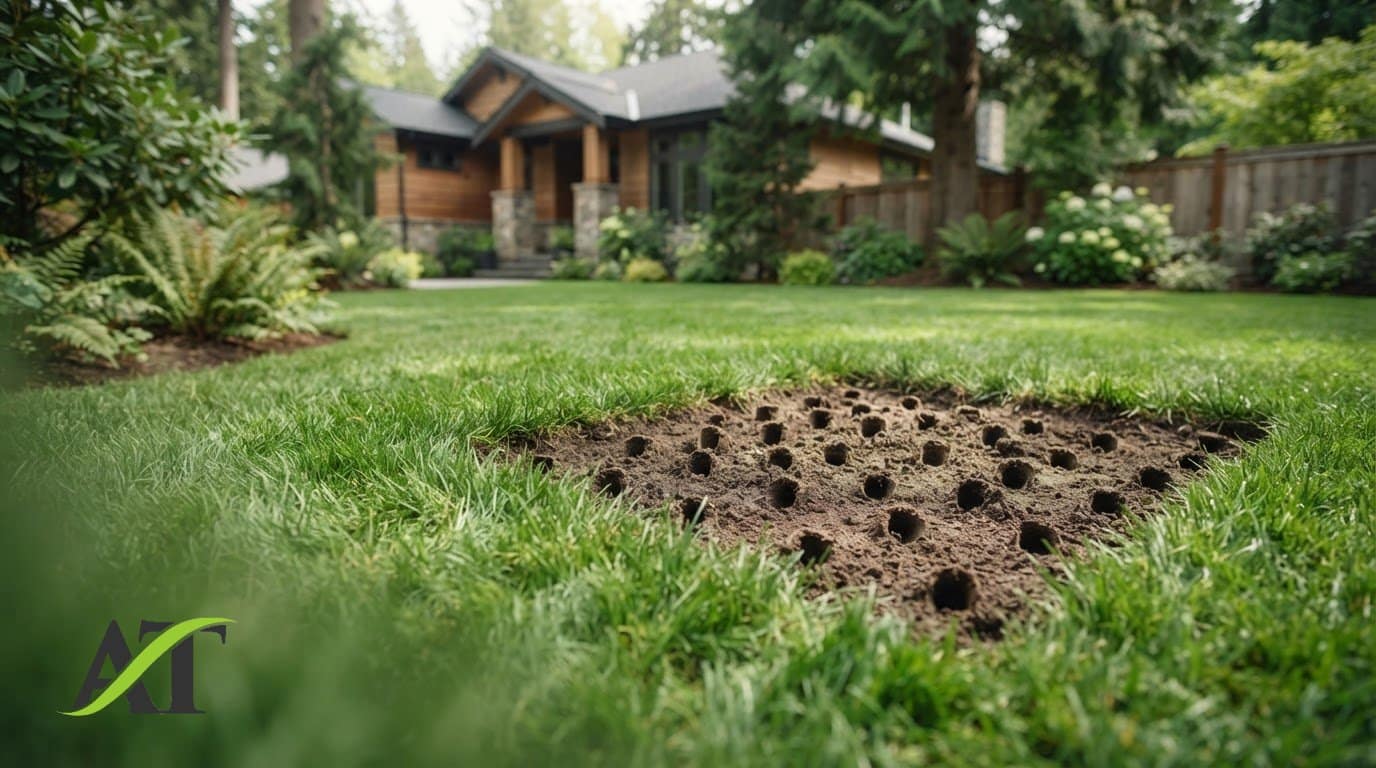
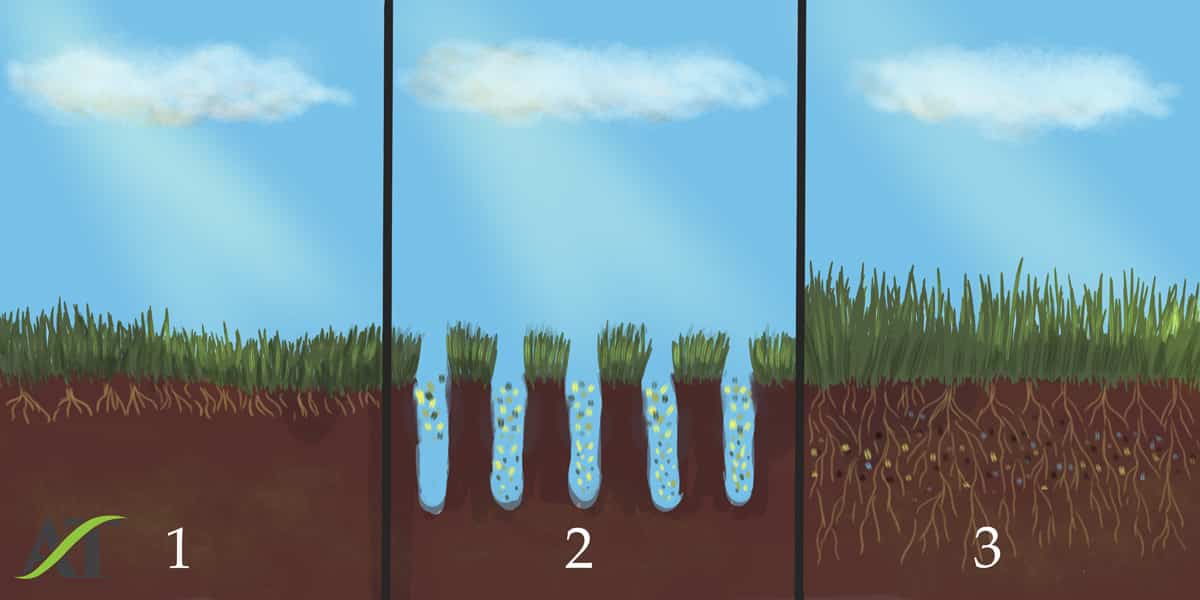
Core Aeration addresses a different need from a soil amendment: it’s a lawn restoration treatment, not material added to soil. It is one of the three components of the Lawn Tune-Up, alongside Overseeding and Fertilizing. Soil amendments Shoreline lawns may need are separate from that base service and should be considered based on the soil condition identified.

When to Ask a Shoreline Lawn Professional About Soil Amendments
Consider getting input if the same areas stay wet after rain, soft ground keeps returning, or you’re unsure whether an amendment, Lime Application, or another treatment fits the problem. Share what you’ve observed and any soil test results. That gives a lawn professional useful context for discussing whether a soil treatment may be appropriate. Choosing soil amendments Shoreline lawns may need starts with the condition you’re trying to address, not a guess based on appearance.
What does the Lawn Tune-Up include?
The Lawn Tune-Up has three components, and only these three:
- Core Aeration
- Overseeding
- Fertilizing
Soil amendments are separate from the base Lawn Tune-Up. Don’t assume an amendment or Lime Application is included. If both a restoration treatment and a soil treatment seem relevant, ask which components are being considered and whether any soil treatment would be a separate add-on.
What should you share when requesting an assessment?
Be specific about the wet areas: where they occur, how long they stay soft or pooled, and whether they return after heavy rain or persist between storms. Mention any soil inspection or test information you have, especially pH results if lime is part of the question. If you’re still unsure what the findings mean, you can share what you’ve observed and ask about suitable next steps. No need to settle on a treatment before you reach out.
Choose the Next Step With Confidence
For soil amendments Shoreline lawns may need, let the evidence guide the treatment. Recurring wet spots are a reason to investigate, not proof that an amendment or lime is the answer. Track where water lingers, check the soil, and use relevant test results before deciding what to apply.
If the cause still isn’t clear, Aerating Thatching Co. is an owner-operated local business founded in 2004 and serving Shoreline. Its lawn restoration treatments include Core Aeration, Overseeding, and organic Fertilizing. These treatments serve different needs from soil amendments, so sharing your observations can help clarify what may be appropriate for your lawn.
A practical diagnosis is a good place to start. With the right information, you can discuss a sensible next step instead of guessing at a fix.
Frequently Asked Questions
Is lime a soil amendment for a Shoreline lawn?
Lime is a soil amendment, but that doesn’t mean every Shoreline lawn needs it. Its suitability depends on soil conditions, especially pH. Test the soil or seek informed guidance before applying lime, and use the pH result to guide the decision. Moss, wetness, or thin grass may be reasons to investigate, but none proves the soil needs lime.
Can soil amendments fix a soggy lawn?
Sometimes an amendment may be relevant, but soggy areas can have different causes, so an amendment isn’t a guaranteed drainage fix. Note where water collects, how long the area stays wet, and whether the pattern returns after rain. Those details can help clarify the issue. If the cause remains uncertain, a local lawn professional can help discuss whether soil treatment or another response is appropriate.
How do I know which soil amendment my lawn needs?
Start by checking the soil and describing the symptoms rather than choosing a product based on appearance. Soil pH results can help inform whether lime is appropriate, while other soil conditions may call for a different response. For soil amendments Shoreline lawns may need, match the treatment to the condition being addressed. If you’re unsure, record where and when drainage problems occur and seek local guidance.
Does a Lawn Tune-Up include soil amendments?
No. The Lawn Tune-Up includes only Core Aeration, Overseeding, and Fertilizing. Soil amendments aren’t included unless clearly identified as optional add-ons. The separate Full Meal Deal includes Power Raking (Dethatching), Core Aeration, Overseeding, and Fertilizing. Aerating Thatching Co. serves Shoreline and North Seattle, including Edmonds, Lynnwood, Mill Creek, Bothell, Kenmore, Lake Forest Park, Mountlake Terrace, Snohomish, Everett, Brier, Woodway, Green Lake, Ballard, and Greenwood.
Should I apply lime if my Shoreline lawn has moss?
Not based on moss alone. Moss doesn’t confirm that your soil needs lime; check soil pH or seek qualified guidance before applying it. Other lawn conditions may contribute to moss or weak turf, so consider the broader situation rather than assuming one treatment will solve it. If wet areas are also present, note their location and when they appear to help guide further investigation.

Article by
Stewart Armour
Stewart Armour is an independent lawn restoration expert, educator, and owner of Aerating Thatching Co., serving the greater Seattle area since 2004. With more than two decades of professional experience restoring Western Washington lawns, Stewart specializes in diagnosing lawn problems, improving soil health, and developing long-term lawn renovation strategies. His education includes turf management studies, advanced golf course turf training, and continuing education through Wilbur-Ellis University, State Turf Facilities, Soil First Academy, and Golf Course Applied Turf Physiology. Every article published on LawnTuneUps.com is grounded in practical field experience, current turf science, and a commitment to helping homeowners understand the why behind every recommendation—not just what to do.
Stewart has personally evaluated thousands of residential lawns throughout the Seattle area and remains committed to helping homeowners understand the science behind growing healthier, more resilient lawns.