North Seattle-area lawn care • Aerating Thatching Co.
HOA Lawn Notice About Moss? A Practical Guide for Seattle-Area Homeowners
A lawn notice can leave you wondering what to fix and how quickly to act. Start by clarifying your association’s requirements, then choose repair work that fits the condition of your lawn.
This guide helps you organize a response, understand moss-related lawn problems and discuss realistic next steps with Stewart. Your HOA’s written requirements and its response to your proposed plan will guide the compliance side of the decision.
What should you do after an HOA lawn notice?
Read the notice, confirm the specific requirement and deadline, photograph the lawn, and propose a realistic repair plan. Ask the association what it expects to see and whether staged work is acceptable. Then assess why grass is struggling before choosing a treatment or renovation package.
Requirements vary by community. Lawn work can improve the property, but acceptance of the repair plan and decisions about any notice or fine remain with your association.
Four steps before you book lawn work
-
Clarify what the notice asks for
Keep a copy of the notice and check the community’s current lawn or landscaping standards. Ask which areas need attention and whether the concern is moss, bare ground, weeds or the lawn’s overall appearance.
-
Confirm the deadline and expectations
Ask what date applies and how the association will review progress. If repair will require a growing season, ask whether it will consider a written plan with a work date and follow-up milestones.
-
Record the lawn’s condition
Take dated overview and close-up photos. Note where moss appears, whether the area stays wet, how much shade it receives and what lawn work has already been tried. Keep copies of your correspondence.
-
Get a recommendation before choosing a package
Share the lawn’s approximate size, the affected areas and your deadline with Stewart. Ask what work is appropriate, what it includes and what aftercare you will need to provide.
A simple message to your HOA
You can use this wording to start the conversation:
I received the lawn notice and am reviewing repair options. Please confirm the specific lawn standard, affected areas and deadline. Would you consider a repair plan that includes an assessment, a suitable work date and progress photos while the grass establishes? Please let me know what you would need to review that plan.
Look at the growing conditions, not just the moss
Moss often appears where grass is struggling. Removing it is only part of the decision; the site may also need changes that help grass compete.
Shade
Check whether buildings or trees limit light. Even shade-tolerant grass has limits. Where turf repeatedly fails, discuss an approved alternative landscape with the HOA before making changes.
Persistent moisture
Note puddles and areas that stay wet. Review irrigation and drainage. Core aeration may help compacted soil, but ongoing saturation can require a separate assessment.
Thin grass and surface buildup
Look at how much grass remains under the moss. Mechanical removal may leave thin or bare areas that need overseeding. Assess thatch separately rather than assuming every mossy lawn needs aggressive power raking.
Soil and routine care
Review mowing, watering and feeding. A soil test can help guide pH and nutrient decisions. Moss alone does not establish a need for lime, and lime does not directly remove existing moss.
For Pacific Northwest guidance on moss and growing conditions, see OSU Extension’s How to Manage Moss in Oregon Lawns.
Match the repair to the lawn
The HOA notice is a reason to assess the lawn, rather than an automatic reason to select the largest package. These options address different needs.
Compaction with good grass cover
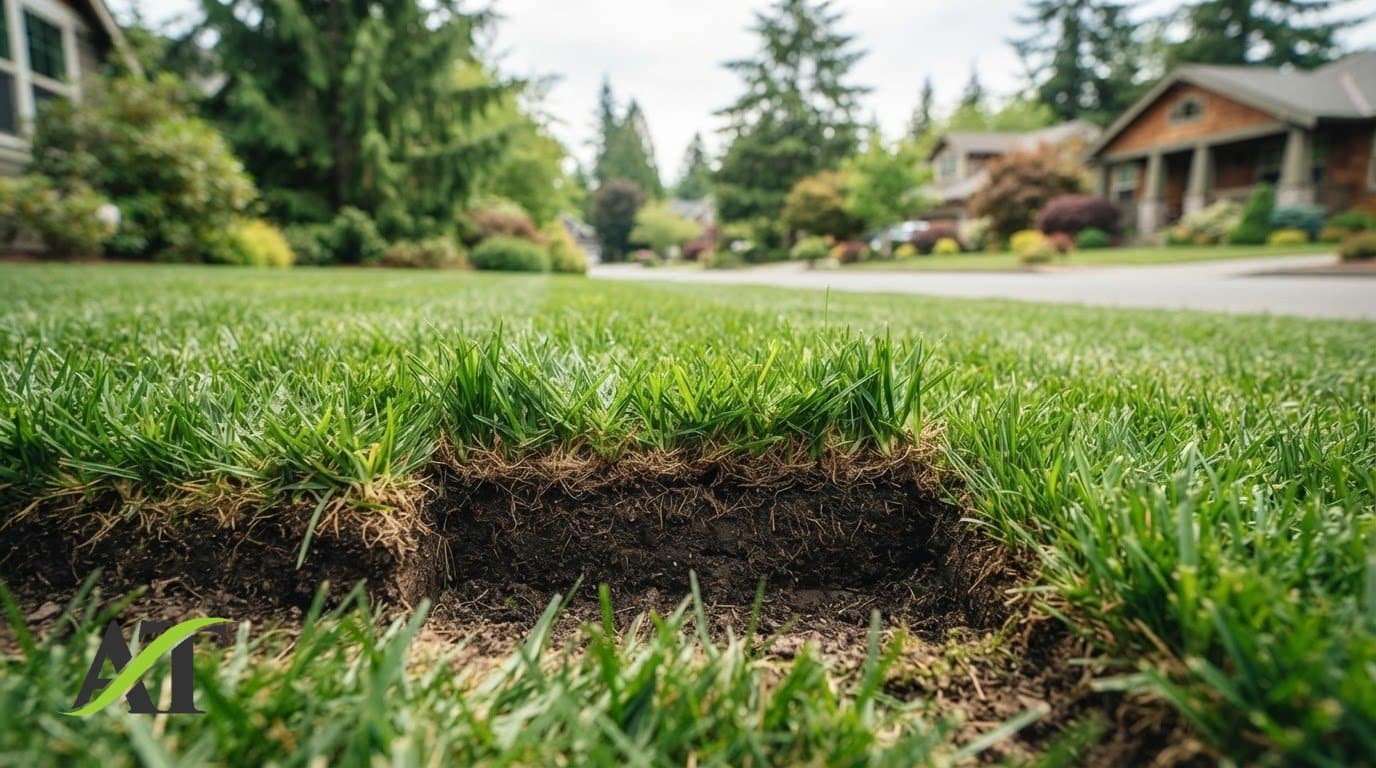
Discuss Core Aeration when compaction is the main concern. It removes soil plugs; it does not remove all surface moss or add seed.
A lawn that needs more grass
The Lawn Tune-Up combines core aeration, premium overseeding and starter fertilizer. Ask whether it fits the remaining grass cover, surface condition and timing.
Surface removal and broader repair
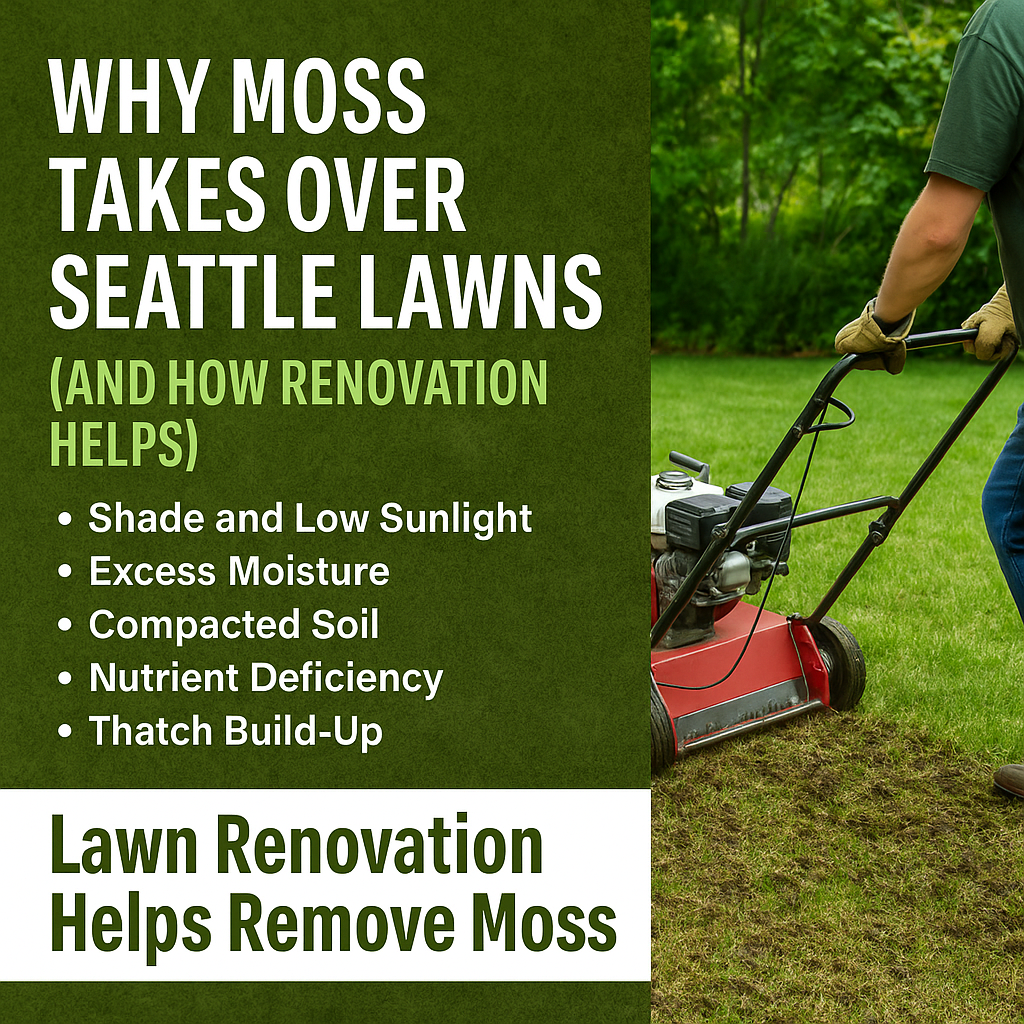
When assessment supports more extensive work, the Full Meal Deal Lawn Renovation combines dethatching/power raking, optional raking, core aeration, overseeding and starter fertilizer.
Learn more about Dethatching (Power Raking) and compare service pricing. Confirm the scope, raking arrangements and aftercare before booking.
Set a timetable that allows the lawn to recover
A service date and a finished lawn are different milestones. Mechanical moss removal can leave the lawn looking more open at first, and new grass needs time to establish.
OSU Extension favors spring for extensive mechanical moss removal. Ask whether immediate work fits your lawn’s condition and the available growing time, especially if a fall notice arrives as soils become wet and grass growth slows.
- Before work: Request the HOA’s written response to your proposed scope and schedule.
- At booking: Confirm preparation, access and any sprinkler heads or hidden obstacles that need marking.
- After work: Follow the watering and mowing instructions for the service performed.
- During recovery: Take progress photos from the same viewpoints and send updates as agreed.
Use our lawn after-care guide to prepare for the care your lawn will need after aeration, dethatching or overseeding.
Common questions after a moss-related lawn notice
Will lawn renovation guarantee HOA approval?
No. The association reviews compliance with its own requirements. Ask it to review your proposed work and timetable in writing before assuming a particular service will satisfy the notice.
What if the deadline is too soon for new grass to establish?
Contact the association promptly. Explain the recommended work and expected recovery stages, and ask whether it will consider a revised timetable or staged plan. Keep its response with your records.
Do I have to remove every patch of moss immediately?
Clarify what the notice requires before choosing work. Removing large areas without a recovery plan can leave bare ground. Discuss the extent and timing of removal with Stewart and the proposed timetable with your HOA.
Owner-operated since 2004
Ask Stewart which repair approach fits your lawn
Aerating Thatching Co. specializes in lawn restoration, with Stewart Armour personally performing the work. Tell him about the moss, remaining grass, shade or wet areas, and the deadline you are discussing with your HOA.
You can review pricing first, then request a recommendation based on the lawn’s condition and the work it needs.