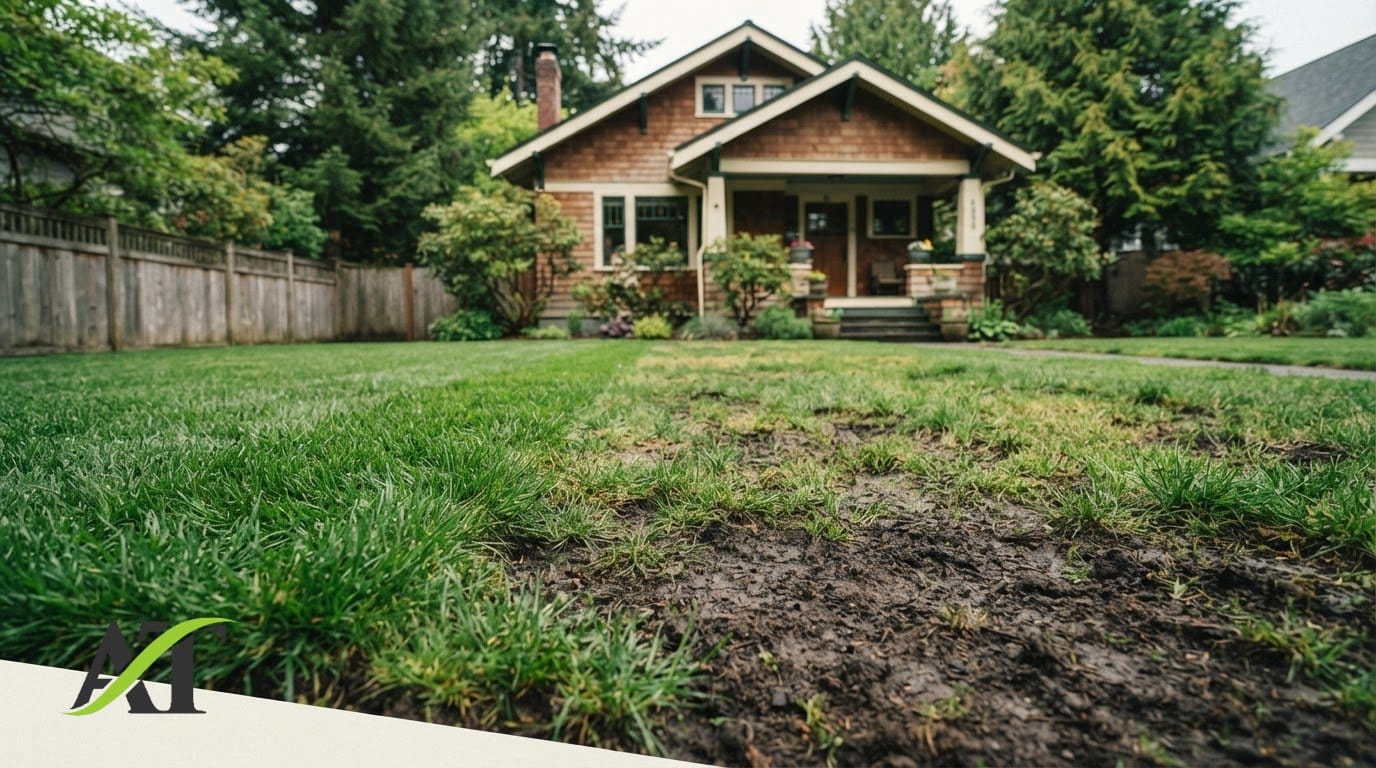
The biggest lawn renovation plan isn’t always the right one. If you’re comparing lawn renovation services Ballard, start by identifying what may be holding your turf back, rather than choosing every available treatment. Thin grass, compacted soil, and thatch point to different needs, and some lawns may benefit from a combination of treatments.
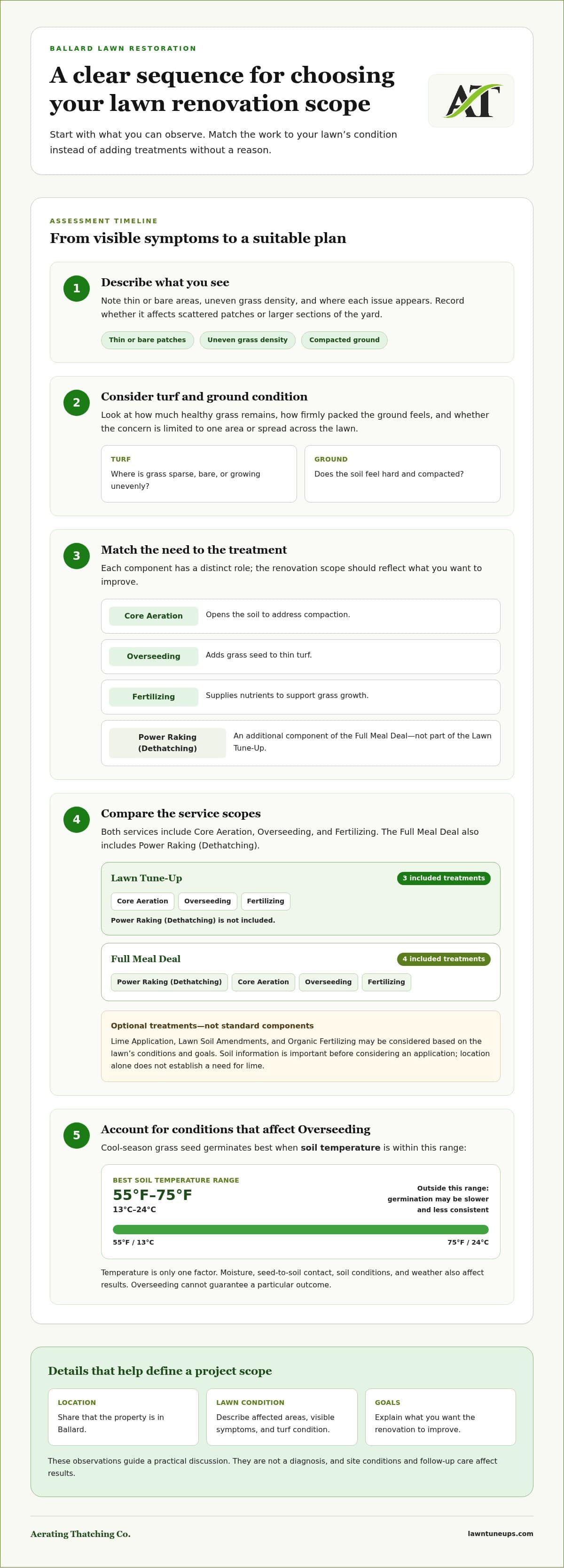
Before choosing a service, understand what each treatment is intended to do. Aerating Thatching Co.’s Lawn Tune-Up consists of Core Aeration, Overseeding, and Fertilizing. The Full Meal Deal includes those three components plus Power Raking (Dethatching).
This guide explains how to assess your Ballard lawn, compare the two service scopes, and share useful details when requesting a quote. The goal is to match the work to the lawn’s condition, not to add treatments without a reason.
Key Takeaways
- Thinning turf, bare patches, and compacted ground can signal a need for restoration rather than surface care alone.
- Compare the Lawn Tune-Up and Full Meal Deal by their included treatments to understand how their scopes differ.
- Choose lawn renovation services Ballard by matching your lawn’s visible symptoms and turf density to the relevant restoration components.
- Include your location, lawn condition, and goals in a quote request to help define a project scope suited to your property.
When Do Ballard Lawns Need Renovation Rather Than Routine Care?
Thinning turf, bare patches, compacted ground, and uneven grass density are reasons to take a closer look. They don’t automatically point to one fix. For homeowners considering lawn renovation services Ballard, begin by noting the visible symptoms and the areas they affect. The grass and soil conditions behind a problem help determine which treatments may fit.
Lawn restoration addresses turf density and growing conditions, while routine care manages the lawn’s surface. Mowing and edging keep grass trimmed, but they don’t address every issue that can leave a lawn thin or uneven. A lawn restoration service focuses on restoring turf and improving growing conditions. For a general overview of what makes a lawn, see Lawn.
What signs suggest your Ballard lawn may need restoration?
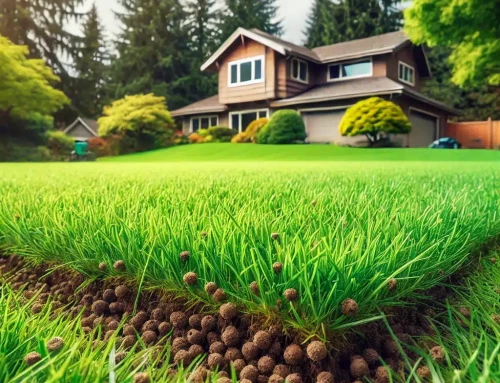
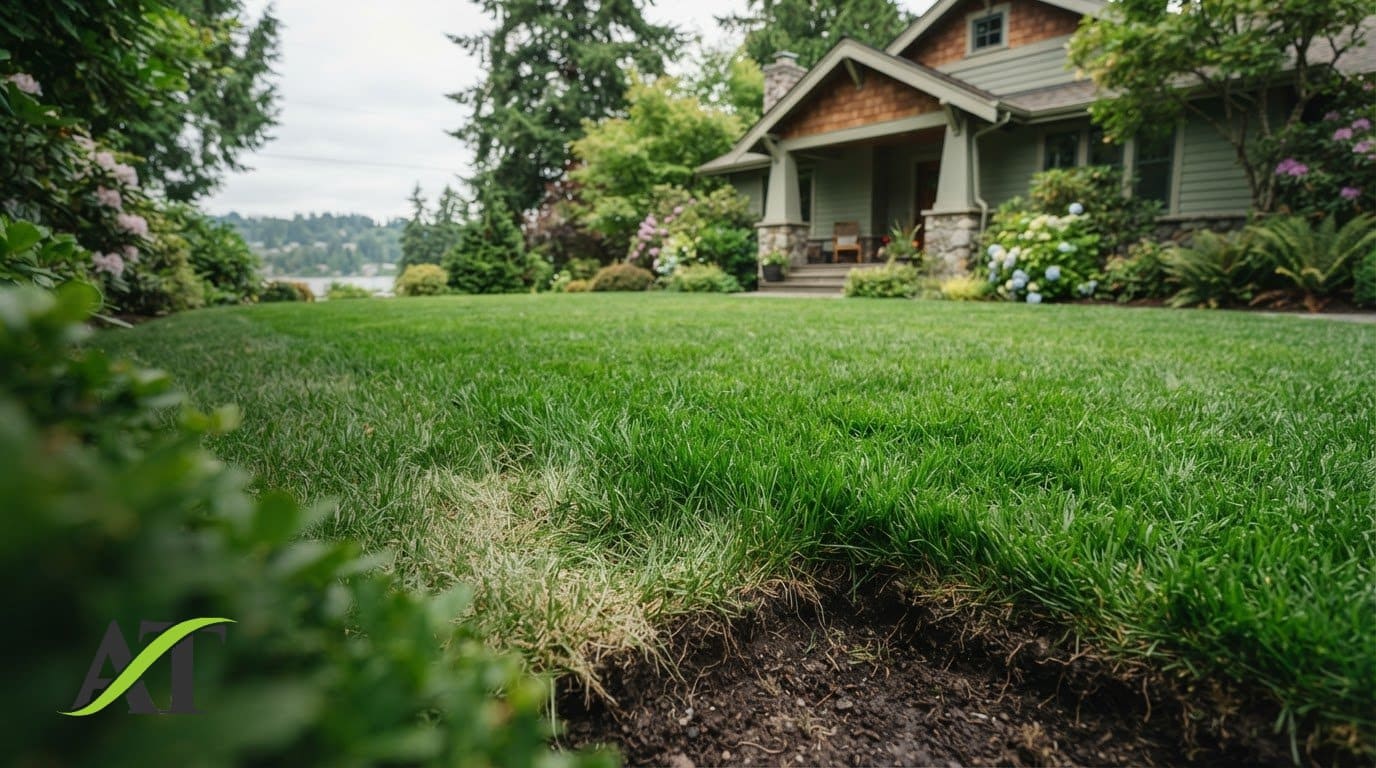
Look for thin or bare areas that persist, grass that grows unevenly across the yard, or ground that feels hard and compacted. Note where each symptom appears and whether it affects one patch or larger sections. For example, scattered bare spots call for a different assessment than thin turf across most of the lawn. These observations can guide a restoration plan, but they aren’t a diagnosis. The same visible symptom can have more than one cause, so consider the lawn’s overall condition before selecting treatments.
What should a lawn renovation plan be designed to improve?
A useful plan focuses on the lawn’s actual needs, such as improving turf density or addressing compacted ground. Consider where grass is sparse, how firmly packed the ground feels, and how much healthy turf remains. The right scope depends on the property. Site conditions and follow-up care also affect results, so restoration can support improvement without promising a particular outcome.
Lawn Tune-Up or Full Meal Deal: What Does Each Ballard Service Include?
The Lawn Tune-Up and Full Meal Deal share three treatments, while the Full Meal Deal adds Power Raking (Dethatching). Comparing the components helps you understand the scope of lawn renovation services Ballard and prevents confusion about which treatments are included.
| Service | Included treatments |
|---|---|
| Lawn Tune-Up | Core Aeration, Overseeding, and Fertilizing |
| Full Meal Deal | Power Raking (Dethatching), Core Aeration, Overseeding, and Fertilizing |
Which restoration treatments are included in each service?
The Lawn Tune-Up consists of Core Aeration, Overseeding, and Fertilizing. It does not include Power Raking (Dethatching). The Full Meal Deal includes all three Lawn Tune-Up treatments and adds Power Raking (Dethatching). In practical terms, both services include aeration, seed, and fertilizer, while the Full Meal Deal also includes dethatching.
When might an optional treatment be relevant?
Lime Application and Lawn Soil Amendments may be considered as optional treatments, not as standard components of either service. Organic Fertilizing is also an optional treatment. Whether an add-on fits depends on the lawn’s conditions and goals. Don’t assume lime is needed based on location alone. Soil information is important before considering an application. The University of Minnesota Extension’s Lawn Renovation for Quality and Sustainability guide also explains how site assessment informs renovation decisions.
Review the lawn restoration services to compare treatment scopes, then share your Ballard lawn’s condition through a quote request to discuss a suitable plan.
How to Decide Which Lawn Renovation Fits Your Ballard Yard
Choose a restoration scope based on what you can observe, rather than assuming every thin lawn needs the same treatment. If you’re comparing lawn renovation services Ballard, use this sequence to organize your assessment:
- Describe the symptoms. Note where grass is sparse or bare, and whether the issue is limited to patches or spread across the yard.
- Consider turf density and ground condition. Look at how much healthy grass remains and whether the soil feels compacted.
- Match the need to the treatment. Use the lawn’s condition to help determine which restoration components may fit.
Each treatment has a distinct role. Core Aeration opens the soil to address compaction. Overseeding adds grass seed to thin turf. Fertilizing supplies nutrients to support grass growth. These treatments aren’t interchangeable, so the scope should reflect what you want to improve.
How do site conditions shape the restoration decision?
Before choosing a scope, consider thin areas, the condition of the existing turf, and how the ground feels. Shade, drainage, and soil can affect a particular yard, but conditions vary from property to property across Ballard. Assess the lawn itself rather than assuming a neighborhood-wide issue. If you’re considering seed options, the Ballard grass blend guide can help inform your choice.
What affects Overseeding success after treatment?
Cool-season grass seed germinates best when soil temperature is 55°F-75°F (13°C-24°C). Outside this range, germination may be slower and less consistent, and establishment less reliable. Temperature is only one factor. Moisture, seed-to-soil contact, soil conditions, and weather also affect results, so Overseeding can’t guarantee a particular outcome.
Plan Your Ballard Lawn Renovation and Request a Quote
A useful quote request starts with a clear picture of the yard. Include your Ballard location, the areas that concern you, and what you want the renovation to improve. You don’t need to identify the treatment yourself. Describing the lawn’s condition and your goals gives the project discussion a practical starting point.
What information helps define a useful project scope?
Be specific about the areas affected and what you see. Note whether the lawn has thin areas or bare patches, describe the condition of the existing turf, and point out where symptoms appear. Then name your priority, such as improving grass density or addressing visible thatch. These details help keep the discussion focused on your goals and the work that may suit the lawn.
- Location: Confirm the property is in Ballard.
- Lawn condition: Describe the affected areas and what you observe.
- Restoration goal: Explain what you hope to improve.
Review the lawn restoration services to see how the treatment scopes differ. The Lawn Tune-Up consists of Core Aeration, Overseeding, and Fertilizing. The Full Meal Deal includes those three treatments plus Power Raking (Dethatching). The right scope depends on the property and its needs.
What happens after you request a Ballard lawn renovation quote?
Your description gives the project discussion a useful starting point. The proposed scope can be tailored to the lawn’s condition and your restoration goals, while turf response depends on site conditions and follow-up care. Share what you see and what you want to improve so the plan can address that yard rather than assume every property needs the same treatments.
Take the Next Step Toward a Stronger Lawn
Your lawn’s condition is a useful starting point, not a reason to commit to every available treatment. A focused project plan keeps the work aligned with your goals and the needs of your property. For lawn renovation services Ballard homeowners can plan with confidence, describe what you’re seeing and what you want to improve.
Aerating Thatching Co. is an owner-operated local business established in 2004, specializing in Core Aeration, Overseeding, and lawn restoration. Use your quote request to start a practical conversation about the yard, your restoration goal, and a scope that fits. Begin by describing the lawn clearly.
With a clear plan in place, you can move forward knowing what the work is intended to address. A stronger-looking lawn starts with an approach that fits your yard and supports its growing conditions.
Frequently Asked Questions
Is lawn renovation worth it for a patchy Ballard lawn?
It can be, depending on why the lawn is thinning and how much healthy turf remains. If bare spots persist despite ordinary upkeep, restoration may address needs that surface care doesn’t. The right scope depends on the lawn’s condition, not just how patchy it looks. An assessment can help determine whether restoration treatments fit, but no plan can promise a particular result.
Can Overseeding repair bare spots without replacing the whole lawn?
Overseeding adds seed to existing turf, so it may suit a lawn with thin areas and enough grass remaining around them. It isn’t automatically the answer for every bare spot. Seed establishment depends on seed-to-soil contact, moisture, soil conditions, and weather. Consider the pattern and extent of bare areas when deciding whether this approach fits, and remember that establishment isn’t guaranteed.
What soil temperature is best for cool-season grass seed to germinate?
Cool-season grass seed germinates best when soil temperature is 55°F-75°F (13°C-24°C). Outside that range, germination may be slower and less consistent, with less reliable establishment. Use the range as a planning reference, not a promise. Moisture, seed-to-soil contact, soil conditions, and weather also influence results.
Does a Lawn Tune-Up include Power Raking (Dethatching)?
No. A Lawn Tune-Up consists of Core Aeration, Overseeding, and Fertilizing. Power Raking (Dethatching) is included in the Full Meal Deal, along with Core Aeration, Overseeding, and Fertilizing. Lime Application, Organic Fertilizing, and Lawn Soil Amendments are optional treatments, not standard Lawn Tune-Up components. Comparing the scopes helps clarify which work is included.
How do I request lawn renovation services in Ballard?
Share your Ballard location, the visible concerns you’ve noticed, and your restoration goals. For example, mention whether thin areas are scattered or concentrated, and whether you’re hoping to improve turf density or address thatch. Aerating Thatching Co. serves Ballard and nearby communities, including North Seattle, Shoreline, Edmonds, Lynnwood, Mill Creek, Bothell, Kenmore, Lake Forest Park, Mountlake Terrace, Snohomish, Everett, Brier, Woodway, Green Lake, and Greenwood. Request a lawn renovation quote to start planning a scope suited to your lawn.
Article by
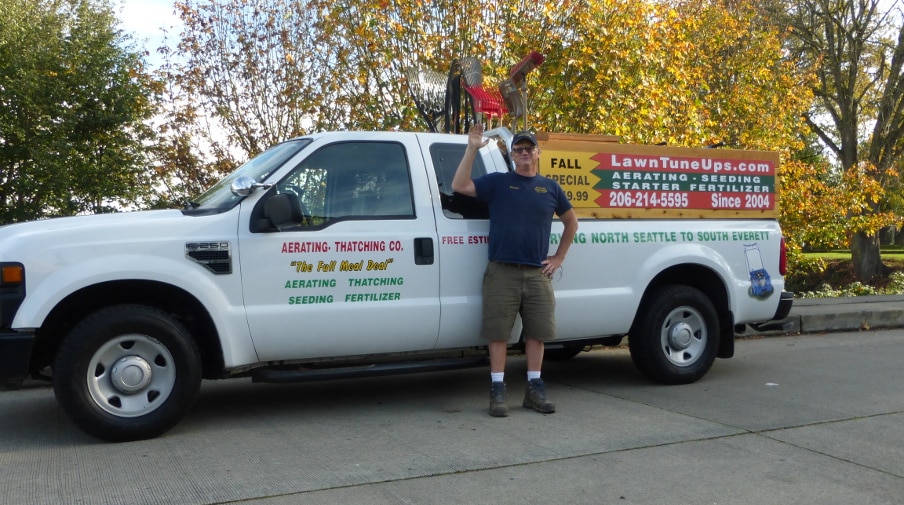
Stewart Armour
Stewart Armour is an independent lawn restoration expert, educator, and owner of Aerating Thatching Co., serving the greater Seattle area since 2004. With more than two decades of professional experience restoring Western Washington lawns, Stewart specializes in diagnosing lawn problems, improving soil health, and developing long-term lawn renovation strategies. His education includes turf management studies, advanced golf course turf training, and continuing education through Wilbur-Ellis University, State Turf Facilities, Soil First Academy, and Golf Course Applied Turf Physiology. Every article published on LawnTuneUps.com is grounded in practical field experience, current turf science, and a commitment to helping homeowners understand the why behind every recommendation—not just what to do.
Stewart has personally evaluated thousands of residential lawns throughout the Seattle area and remains committed to helping homeowners understand the science behind growing healthier, more resilient lawns.