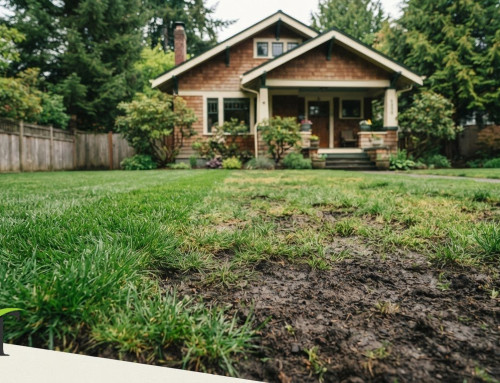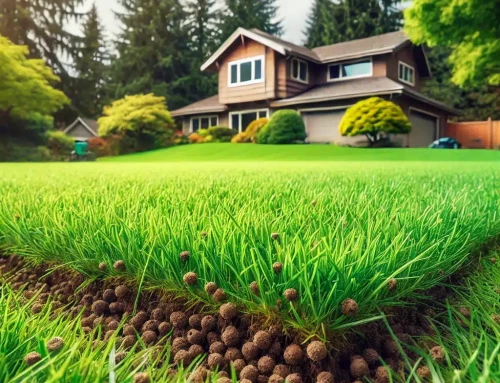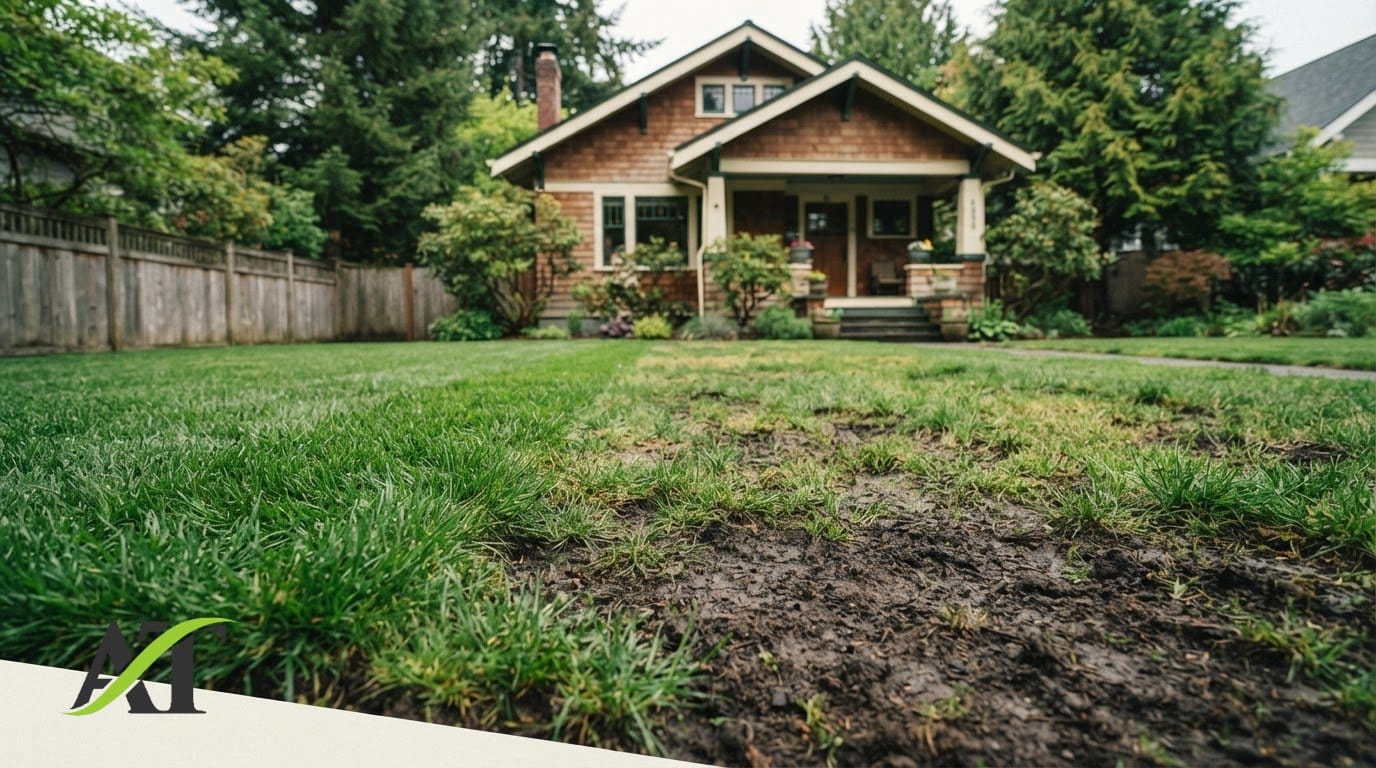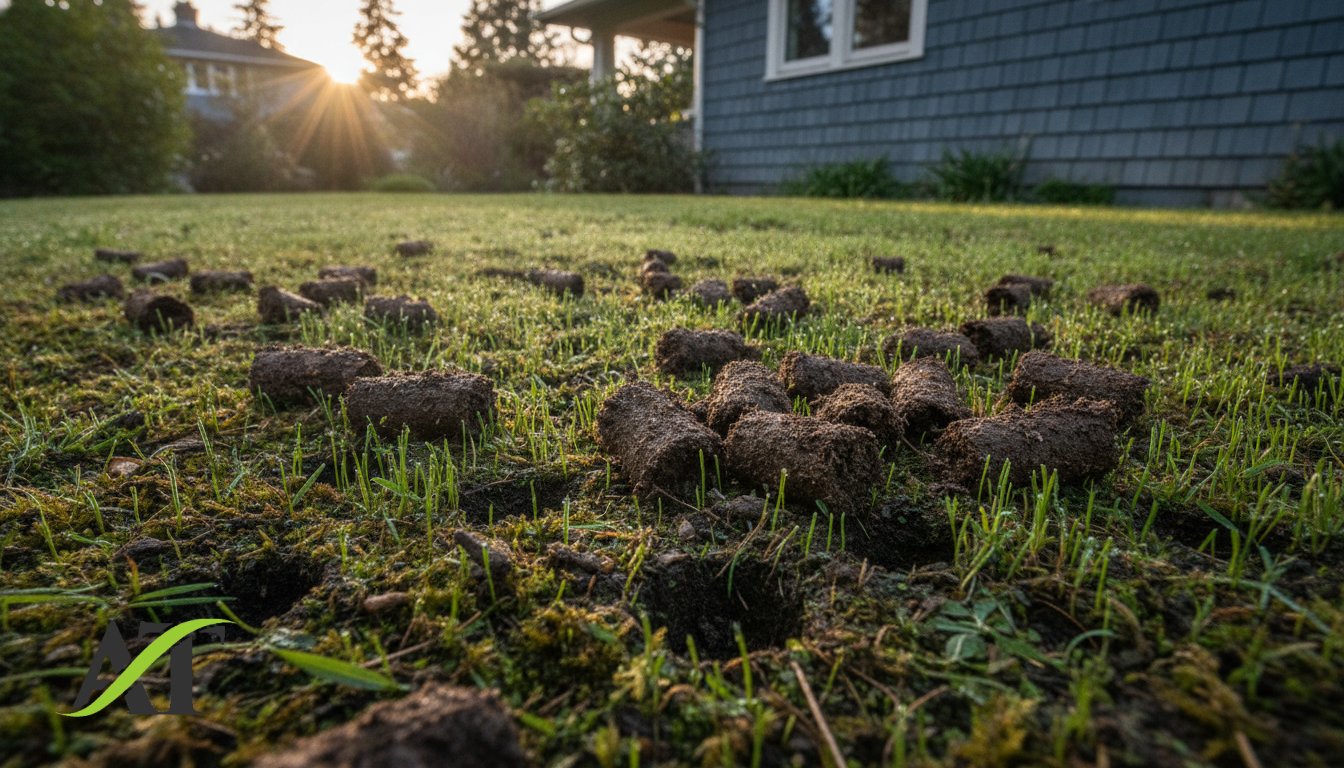
Those messy soil plugs scattered across your yard aren’t a nuisance. They are a sign of a healthy start for your grass. You’ve likely just completed a Lawn Tune-Up or a Full Meal Deal. These services rely on Core Aeration and Overseeding to transform your soil. Now your yard looks like a construction zone. It’s natural to worry that a heavy PNW rain might ruin your investment. Proper lawn care after aeration is the only way to protect that hard work. You need a pragmatic plan to ensure your new seed takes root instead of washing away.
We know the confusion over watering schedules and messy soil plugs. This guide provides a professional timeline to ensure maximum seed germination without the guesswork. You’ll learn how to handle those plugs and why keeping soil temperatures between 55°F–75°F (13°C–24°C) is critical for your new growth. We are laying out seven essential steps to help you master the days following your service. This path leads to a thicker, greener lawn by next season.
Key Takeaways
- Leave Core Aeration plugs on the lawn to return essential nutrients and microorganisms to the root zone.
- Proper lawn care after aeration hinges on soil temperature; germination is most successful when the soil is between 55°F and 75°F.
- Avoid mowing until new grass hits 3 inches and keep your blades high to prevent damaging vulnerable seedlings.
- Discover if a standard Lawn Tune-Up or the comprehensive Full Meal Deal with Power Raking (Dethatching) is the right fit for your property.
Immediate Post-Aeration Steps: Managing Plugs and Seed
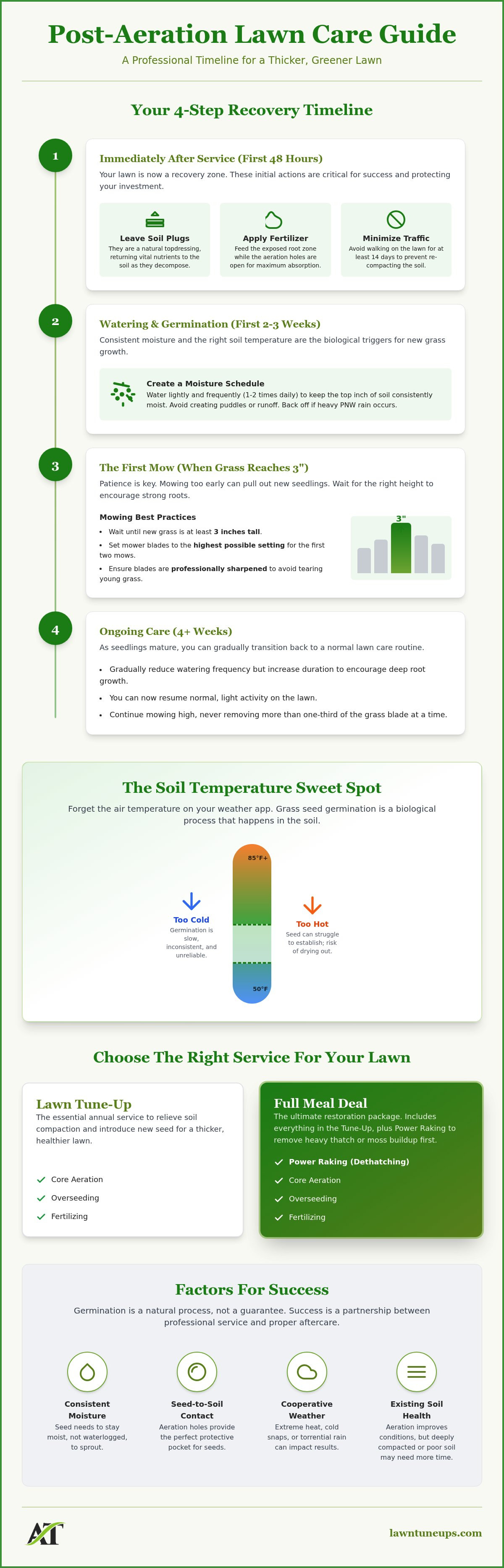
Once a professional Lawn aerator finishes its pass, your yard will look like a field of dirt cylinders. Resist the urge to clean them up. These plugs are the engine of your lawn’s recovery. Successful lawn care after aeration starts with leaving these cores exactly where they fell. You also need to act fast. Apply Organic Fertilizing within 48 hours to feed the root zone directly while it’s exposed. Finally, keep heavy foot traffic off the grass for at least 14 days. This prevents the fresh holes from sealing up prematurely and allows the soil to stay loose and receptive.
The Role of Soil Plugs in Nutrient Cycling
Those soil plugs aren’t waste; they’re a natural topdressing. As they break down over the next 10 to 14 days, they return vital nutrients and microorganisms to the surface. Removing them strips away the very organic matter your soil needs to thrive. Let the Northwest rain and natural decomposition do the work for you. Plugs belong on the ground where they can strengthen the soil structure from the top down without the need for imported materials.
Maximizing Seed-to-Soil Contact
The holes created by Core Aeration serve as a protected nursery for new growth. For the best results, Overseeding must happen immediately while these channels are open. This ensures the seed reaches the soil rather than getting trapped in the thatch. Our signature Lawn Tune-Up handles this timing professionally by combining aeration, seeding, and fertilizing. If you have heavy moss or thick debris, we may suggest a Full Meal Deal. This service adds Power Raking (Dethatching) to the process to clear the surface. Remember that germination is never guaranteed; it depends on moisture and keeping soil temperatures between 55°F and 75°F (13°C–24°C). Proper lawn care after aeration ensures you don’t waste your investment in high-quality seed.
Watering Strategy and Soil Temperature Requirements
Success with your lawn care after aeration doesn’t just happen by chance. It depends on biology. While the physical holes from Core Aeration provide the space, the soil temperature dictates the speed of growth. Many homeowners make the mistake of watching the weather app for air temperatures. In the Pacific Northwest, the ground holds onto the cold much longer than the morning air. You need to focus on what is happening beneath the surface to see real results.
The 55°F–75°F Germination Rule
Optimal germination occurs when soil temperatures reach 55°F to 75°F (13°C–24°C). If you live in Shoreline or Edmonds, a sunny 65-degree day doesn’t mean your soil is ready. Germination outside this specific range is slower and less consistent. It often produces less reliable establishment for new seedlings. Checking a PNW lawn care guide can help you time your projects for when the ground is truly warm enough to support new life.
Creating a Moisture Schedule
Once the temperature is right, moisture becomes your full-time job. You must water lightly and frequently, usually one to two times daily. The goal is to keep the top inch of soil consistently moist without creating puddles. Deep soaking is for established turf, not new seeds. If the PNW rain starts to fall, back off the sprinklers. Excess water can wash your Overseeding investment right down the driveway and into the storm drain.
Results are never guaranteed. Factors like moisture, weather, and seed-to-soil contact all play a role in how well your grass fills in. If you aren’t sure if your soil is ready for a professional service, request a quote and let a local expert assess your yard’s specific conditions. Consistent lawn care after aeration is the only way to protect your restorative work and ensure a healthy transition into the next season.
Protection and Mowing: When to Resume Normal Activity
After the soil plugs settle and the watering schedule begins, your yard needs time to rest. Patience is a critical part of lawn care after aeration. You’ve spent time and money on a Lawn Tune-Up, so don’t rush back to your normal routine. Avoid heavy play or pet activity until the ground feels firm underfoot. Walking on soft, newly aerated soil can lead to re-compaction. This undoes the work of the Core Aeration process before the roots have a chance to spread and stabilize the dirt.
Mowing Best Practices for New Turf
Don’t pull the mower out of the garage the moment you see a little green. Wait until the new grass reaches at least 3 inches in height. For the first two mows, set your blades to the highest possible setting. This prevents the mower from pulling young seedlings straight out of the loose soil. Ensure your blades are professionally sharpened. Dull blades tear the grass, which invites disease and unnecessary stress. For a deeper look at protecting young seedlings, see our Overseeding guide for Lake Forest Park. Taking these small steps now prevents a messy recovery later.
Why to Avoid Herbicides
Chemicals are often the biggest threat to successful Overseeding. You must avoid all weed control and herbicides for at least 6 to 8 weeks after your service. These products are designed to stop seeds from growing. They don’t distinguish between a dandelion and your high-quality grass seed. Applying them too early will stunt or kill your new lawn. If you notice weeds, pull them manually for the first season. It’s more work, but it protects the health of your restorative project. Healthy lawn care after aeration means letting nature take its course without chemical interference.
Maximizing Results with a Professional Lawn Tune-Up
DIY guides often underestimate the physical labor and technical precision required for a true yard restoration. Professional lawn care after aeration is about more than just making holes in the dirt. It is a methodical process designed to fix soil compaction and nutrient depletion simultaneously. Choosing a comprehensive Lawn Tune-Up service ensures that the timing of your seeding and fertilizing is optimized for the best possible start. We focus on the details that national chains often overlook.
Lawn Tune-Up vs. Full Meal Deal
We provide two specific packages to meet the needs of local properties. A Lawn Tune-Up consists of Core Aeration, Overseeding, and Fertilizing. This is ideal for yards that are thinning but relatively clear of debris. For lawns in Shoreline or Everett with heavy moss or thick thatch, we recommend the Full Meal Deal. This comprehensive service includes Power Raking (Dethatching), Core Aeration, Overseeding, and Fertilizing. Removing the thatch layer first is the only way to ensure proper seed-to-soil contact.
Local Soil Health in North Seattle
The acidic soil common in Lynnwood and Everett often requires more than just seed. A Lime Application is a valuable optional add-on that helps balance soil pH. This treatment makes your yard less inviting for moss and more efficient at absorbing nutrients. You can learn more in our Edmonds Lime Application guide. Remember that results are influenced by moisture and weather; no absolute guarantees exist for germination. However, professional restoration significantly improves your odds. If you want a thicker lawn by next season, request a quote for a custom plan today.
Prepare Your Lawn for a Thicker Future
Mastering lawn care after aeration is a science of timing and patience. You’ve learned that keeping soil temperatures between 55°F and 75°F (13°C–24°C) is the key to successful germination. Managing those soil plugs and following a light, frequent watering schedule will protect your investment. Whether you need a standard Lawn Tune-Up or the deep restoration of a Full Meal Deal, the right process makes the difference.
We’ve been owner-operated since 2004. Our team uses specialized restoration equipment specifically designed to handle tough PNW clay soils. We also include Organic Fertilizing options to ensure your grass gets the nutrients it needs without harsh chemicals. Results are influenced by moisture and weather, but our local expertise gives your lawn its best chance to thrive.
Your yard’s a long-term investment. With the right care today, you’ll enjoy a thicker, healthier lawn by the time the next season arrives.
Frequently Asked Questions
How long should I wait to mow after aeration and overseeding?
You should wait to mow until your new grass reaches at least 3 inches in height. This usually takes about 2 to 4 weeks depending on local weather and moisture levels. For the first two mows, set your mower blades to the highest setting. This prevents pulling young seedlings out of the loose soil. Ensure your blades are sharp to avoid tearing the delicate new turf as it establishes.
Do I need to rake up the soil plugs left by the aerator?
No, you should not rake up the soil plugs left on your lawn. These cores act as a natural topdressing that returns vital nutrients and microorganisms to the soil as they decompose over 10 to 14 days. Proper lawn care after aeration involves letting these plugs break down naturally. Removing them strips away the organic matter your yard needs to recover and thrive after a professional Core Aeration service.
When is the best time to apply fertilizer after core aeration?
The best time to apply fertilizer is within 48 hours of completing Core Aeration. Applying nutrients while the holes are open ensures they reach the root zone directly rather than sitting on the surface. Our signature Lawn Tune-Up includes Core Aeration, Overseeding, and Organic Fertilizing in a single visit to maximize efficiency. This timing is critical for supporting new growth and improving the overall health of your Northwest soil.
What is the optimal soil temperature for grass seed germination?
Optimal germination for cool-season grass seed occurs when soil temperatures are between 55°F and 75°F (13°C–24°C). While seeds may sprout outside this range, the process will be slower and produce less reliable establishment. Remember to monitor the temperature of the ground rather than the air. Successful lawn care after aeration depends on this specific biological window to ensure your Overseeding investment has the best chance to take root effectively.
Can I walk on my lawn immediately after it has been aerated?
It is best to avoid walking on your lawn for at least 14 days following the service. Heavy foot traffic can collapse the holes created by Core Aeration, leading to immediate soil re-compaction. This prevents air and water from reaching the roots and can crush delicate new seedlings from Overseeding. Keep pets and children off the treated areas until the grass is established and the soil feels firm under your feet.
Article by
Stewart Armour
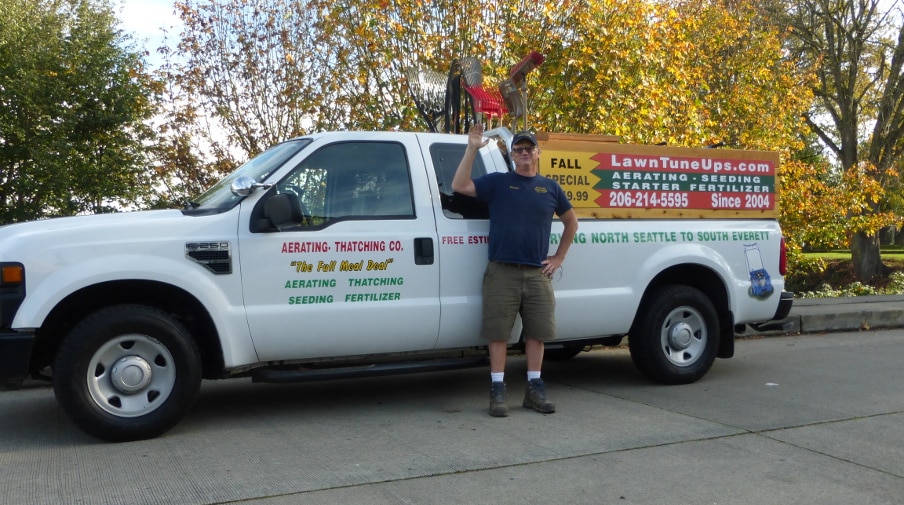
Stewart Armour is an independent lawn restoration expert, educator, and owner of Aerating Thatching Co., serving the greater Seattle area since 2004. With more than two decades of professional experience restoring Western Washington lawns, Stewart specializes in diagnosing lawn problems, improving soil health, and developing long-term lawn renovation strategies. His education includes turf management studies, advanced golf course turf training, and continuing education through Wilbur-Ellis University, State Turf Facilities, Soil First Academy, and Golf Course Applied Turf Physiology. Every article published on LawnTuneUps.com is grounded in practical field experience, current turf science, and a commitment to helping homeowners understand the why behind every recommendation—not just what to do.
Stewart has personally evaluated thousands of residential lawns throughout the Seattle area and remains committed to helping homeowners understand the science behind growing healthier, more resilient lawns.