More seed may be the wrong fix for a patchy lawn. If previous seeding hasn’t filled thin areas, the cause may be compacted soil, shade, poor drainage, or another condition that prevents grass from establishing. Knowing how to fix patchy lawn in Ballard starts with finding out what’s behind the bare spots, not simply scattering more seed.
It’s frustrating to put time into a repair and watch the same areas thin out again. This guide walks you through likely causes, practical next steps, and signs that professional restoration may be more useful than repeated spot seeding. You’ll learn how soil conditions and seed-to-soil contact affect results, why cool-season grass seed germinates best when soil is 55°F-75°F (13°C-24°C), and how Core Aeration, Overseeding, and Fertilizing can support a repair. Germination still depends on moisture, soil conditions, and weather, so no seed treatment can promise a perfect fill.
Key Takeaways
- Learn how to fix patchy lawn in Ballard by checking the pattern of thin areas, their exposure, and the soil before choosing a repair.
- Compare possible causes, including compaction, shade, moisture patterns, and foot traffic, instead of treating every patch the same way.
- Follow a practical repair sequence: address the likely cause, prepare the surface, seed for good soil contact, and maintain suitable moisture.
- See when an assessment may help and what a Lawn Tune-Up includes: Core Aeration, Overseeding, and Fertilizing.
How to Fix a Patchy Lawn in Ballard: Start by Finding the Cause
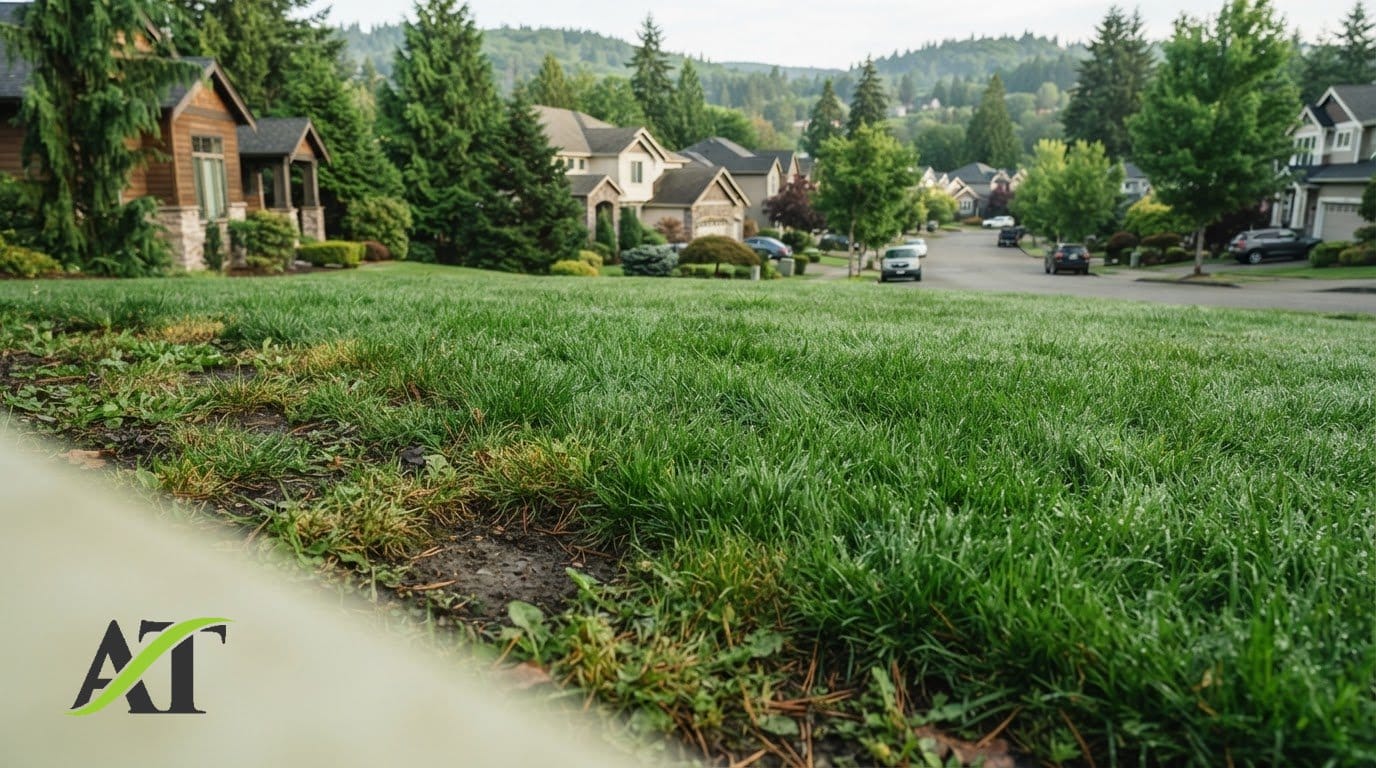
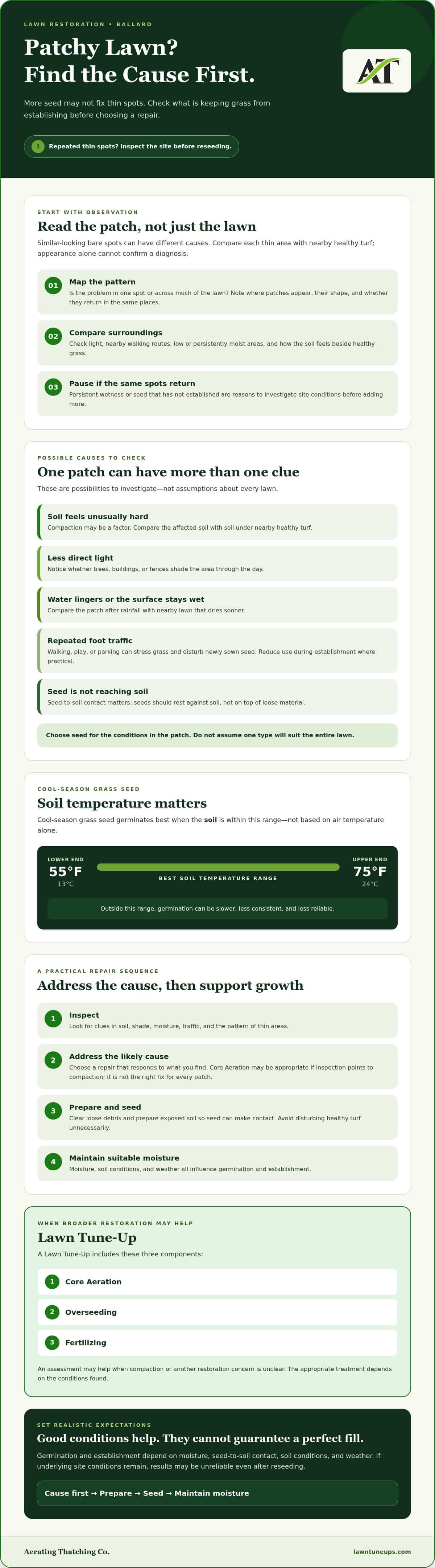
Repeated bare or thin spots are frustrating, especially when earlier seeding hasn’t filled them in. Before choosing another repair, look for what may be stopping the grass from growing. Knowing how to fix patchy lawn in Ballard starts with a cause-first check: similar-looking patches can have different explanations, and appearance alone can’t confirm which one applies.
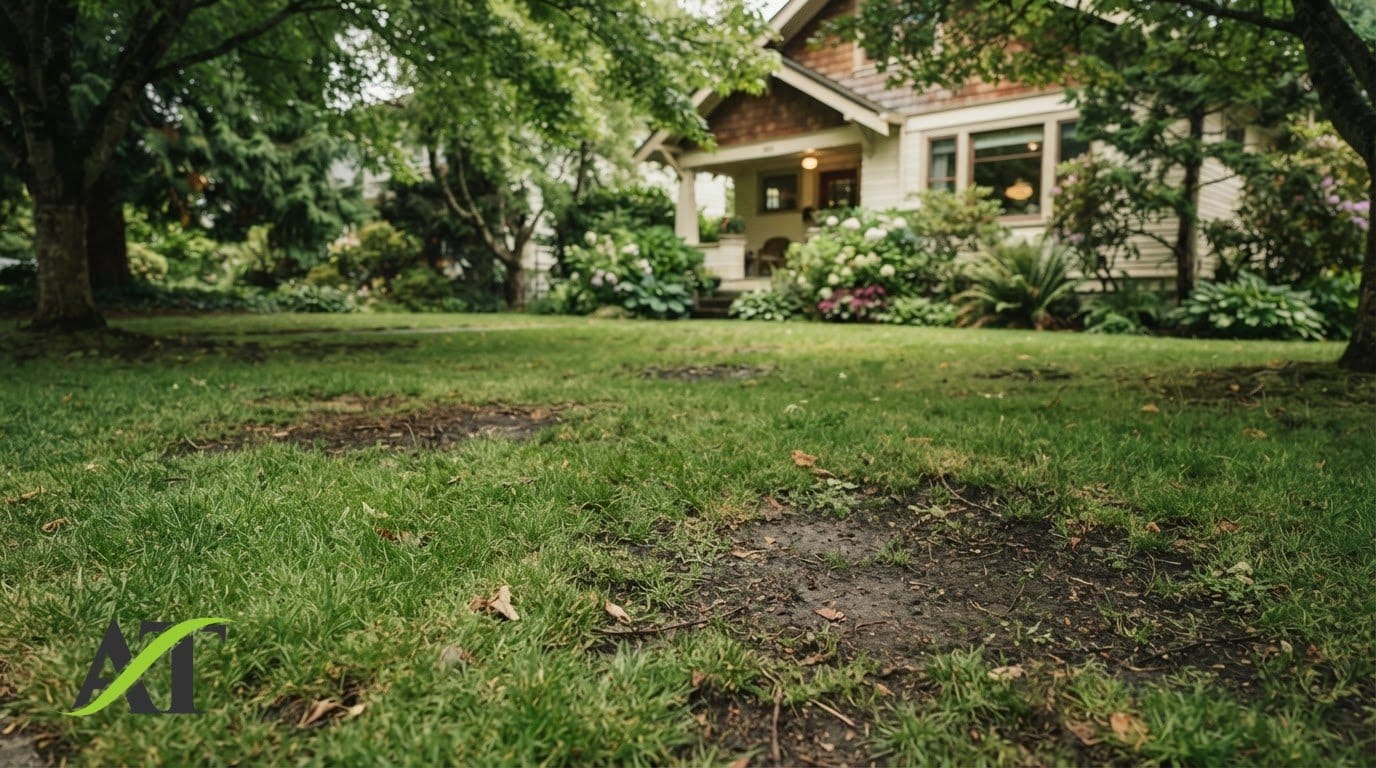
Start by noting whether the problem is limited to one spot or spread across much of the lawn. Record where the patches appear, their shape, and whether they return in the same places. Compare those areas with healthy turf nearby. These clues help you decide what to inspect, but they don’t establish a diagnosis on their own.
What patch patterns can tell you about your Ballard lawn
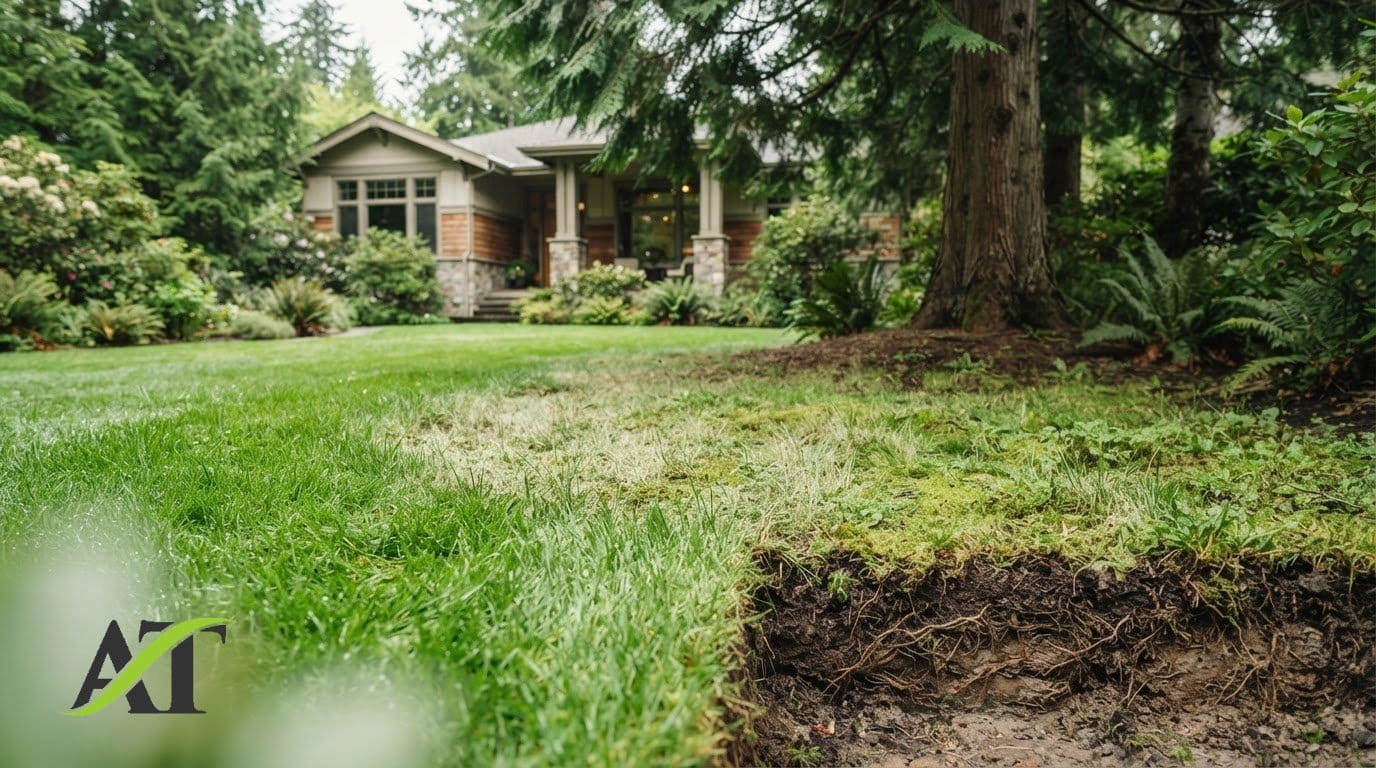
Look at the conditions directly around each patch. Is it under a tree or beside a building? Does it sit along a route people regularly walk, or in a low area that stays moist after rain? Check whether the soil in the thin area feels harder to press than soil under healthy grass. Comparing the patch with nearby turf makes these observations more useful. A lawn’s appearance reflects its growing conditions, but the shape of a patch alone doesn’t identify the cause.
When to investigate before adding more seed
Pause before reseeding if bare spots keep returning, an area stays persistently wet, or previous seed hasn’t established. Seed needs contact with soil and suitable growing conditions. If the underlying site issue remains, establishment may be unreliable. Inspect first, then choose a repair that responds to what you find. For broader context on evaluating restoration needs, see this Seattle lawn restoration guide.
Patch repair works best when you address the likely cause before reseeding. That doesn’t mean every thin area needs the same treatment. Check shade, foot traffic, surface moisture, and soil conditions before deciding what to do next. Even a general overview of lawns can’t replace inspecting the conditions in your own yard.
Why Ballard Lawns Thin: Check Soil, Shade, Moisture, and Traffic
Patchy turf means coverage is uneven, but the look of a thin or bare area doesn’t reveal the cause. Compaction, limited light, lingering moisture, repeated foot traffic, and poor seed-to-soil contact can all contribute. Several site conditions can limit seed establishment, even after reseeding. Treat these as possibilities to investigate, not assumptions about every Ballard lawn.
How to inspect soil and surface conditions
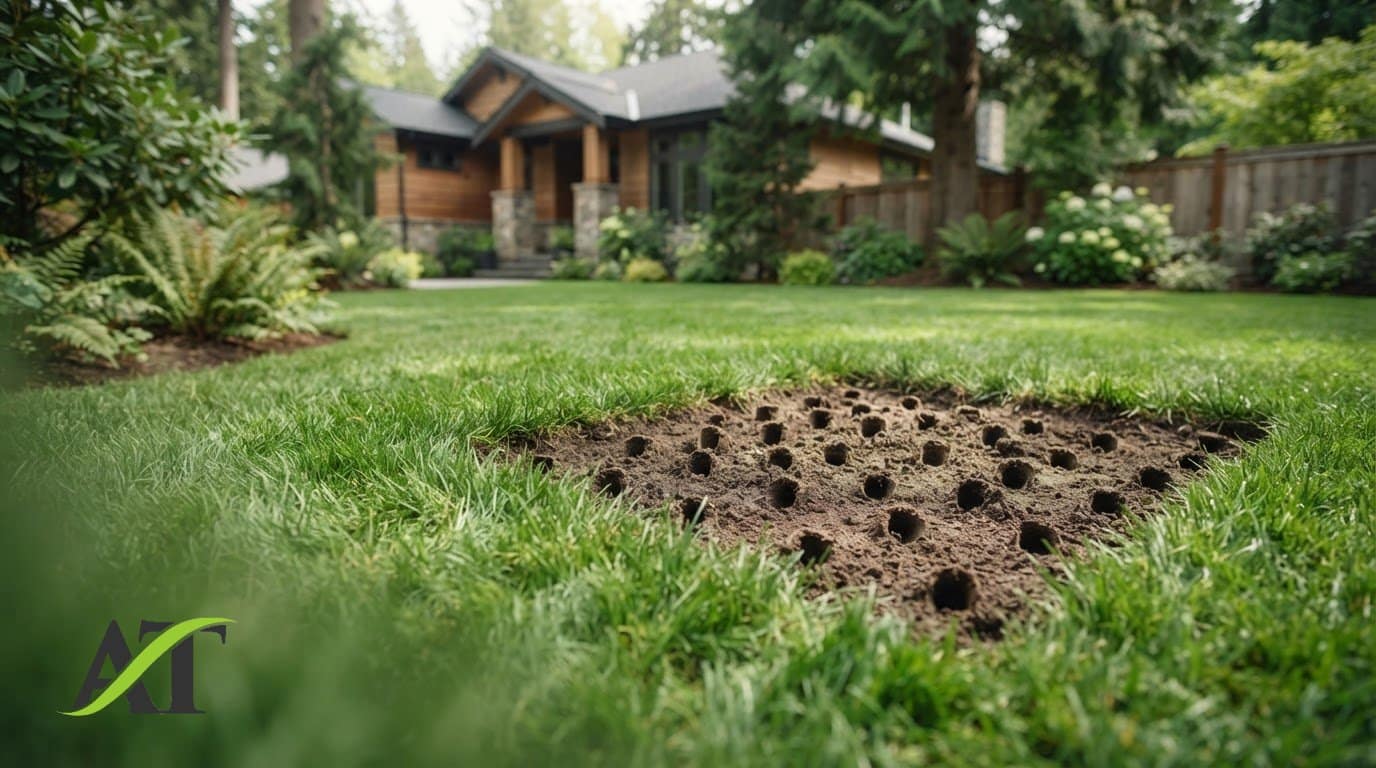
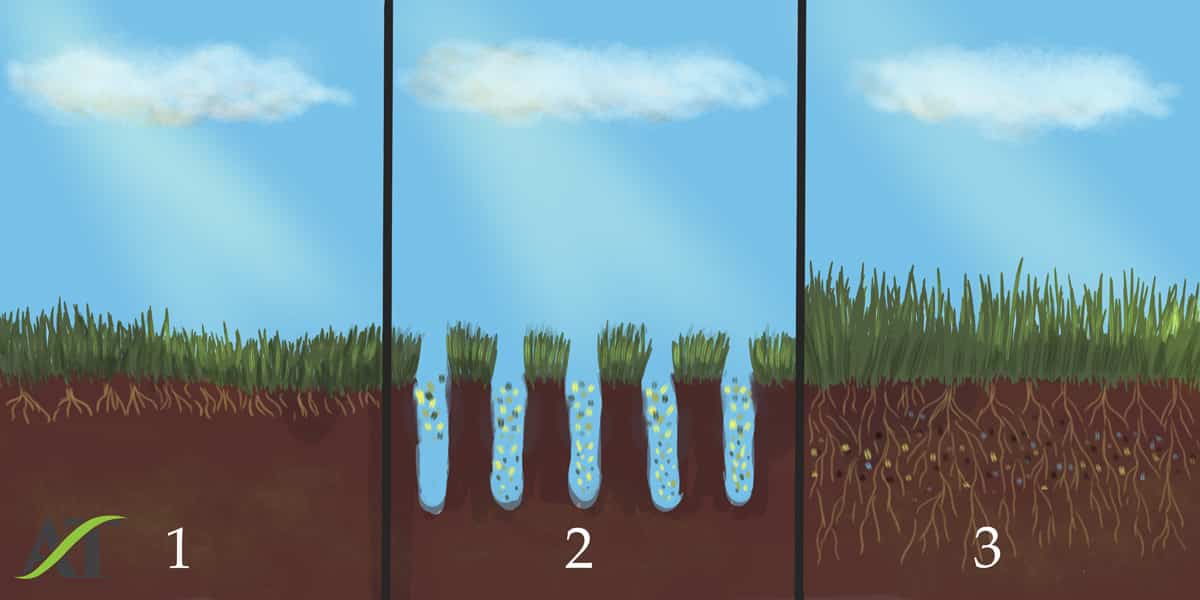
Compare the soil in a thin area with soil under nearby healthy turf. Does the affected spot feel unusually hard? After rainfall, does water linger there while the surrounding lawn dries? Does the surface appear uneven or remain soft and wet? These comparisons can help you identify a pattern that may be affecting growth. If compaction appears to be a factor, learn more about Core Aeration, which may help when an assessment supports it. It isn’t the right fix for every patch.
Why light and traffic matter before choosing seed
Notice how much direct light the affected areas receive through the day, and check whether trees, buildings, or fences shade them. Also look for repeated walking, play, or parking. Ongoing traffic can stress grass and disturb newly sown seed, so reduce use of the area during establishment where practical. Select seed for the conditions in the patch rather than assuming one type will suit the entire lawn. Oregon State University Extension’s Practical Lawn Establishment and Renovation offers broader guidance on renovation and seed selection.
This inspection is a useful first step in deciding how to fix patchy lawn in Ballard. If compaction or another restoration concern remains unclear, you can request an assessment for your lawn before choosing a treatment.
A Practical Ballard Lawn Repair Sequence: Prepare, Seed, and Support Growth
A practical repair follows a clear order: inspect the patch, address the likely cause, prepare the surface, seed, then maintain suitable moisture. If you skip the cause check, new seed may face the same conditions that thinned the lawn in the first place.
How to prepare a patch for Overseeding
Clear loose debris and prepare exposed soil so seed can reach it. Seed-to-soil contact means seeds rest against soil rather than on top of loose material. The right preparation depends on the lawn’s condition, so avoid disturbing healthy turf unnecessarily. If inspection points to compaction, Core Aeration may be appropriate. It’s a possible restoration step, not a requirement for every patch. Review the available professional lawn restoration services to understand relevant treatment options.
Consider soil temperature when choosing timing. Cool-season grass seed germinates best when soil is 55°F-75°F (13°C-24°C). It may germinate outside that range, but establishment can be slower, less consistent, and less reliable.
How to support seed establishment after planting
After Overseeding, keep the seed and surface soil appropriately moist without leaving the area waterlogged. Avoid heavy use while seedlings establish, and watch how the surface responds to changing weather. There’s no single watering schedule that suits every lawn; conditions on site matter. For property owners managing automatic watering setups, resources from Aquamax Sprinkler Systems at dallassprinklerrepairtx.com provide practical examples of how efficient irrigation coverage supports healthy turf development.
Moisture, seed-to-soil contact, soil conditions, and weather all affect results. Even careful preparation can’t guarantee germination. If you’re unsure which restoration steps fit your lawn, an assessment can help you choose a practical approach.
When a Lawn Tune-Up Can Help Restore a Patchy Ballard Lawn
If thinning keeps returning or you suspect compacted soil, have the lawn assessed before choosing a service. Photos can show where the problem is, but they may not reveal the condition causing it. A clear assessment helps match the repair to the lawn instead of guessing at a treatment.
Lawn Tune-Up or Full Meal Deal: what is included?
These services have different components. Power Raking (Dethatching) is included in the Full Meal Deal, not the Lawn Tune-Up.
| Lawn Tune-Up | Full Meal Deal |
|---|---|
| Core Aeration | Power Raking (Dethatching) |
| Overseeding | Core Aeration |
| Fertilizing | Overseeding |
| Fertilizing |
The Lawn Tune-Up consists of Core Aeration, Overseeding, and Fertilizing. The Full Meal Deal includes Power Raking (Dethatching) along with those three components. Other treatments, such as lime applications or soil amendments, should be considered based on the lawn’s conditions rather than assumed to be part of either service. See the Seattle Lawn Tune-Up details for more information.
What to share when requesting a Ballard lawn quote
When you request an assessment, note where the patches appear, when thinning began, and what seeding or treatments you’ve already tried. Mention any areas that stay wet or seem compacted, and whether people regularly walk across them. These details can help guide the assessment, but the right service depends on the lawn’s actual conditions. If you’re deciding how to fix patchy lawn in Ballard, start with the symptoms and history, then choose a repair plan based on the assessment.
Start Your Lawn’s Recovery With a Clear Plan
The first step in how to fix patchy lawn in Ballard is to identify what may be holding the grass back. Check the pattern of thin areas, soil condition, shade, moisture, and traffic before choosing a repair. Then prepare the surface for seed contact and maintain suitable moisture during establishment. Results depend on site conditions and weather, so even careful Overseeding can’t guarantee germination.
If patches keep returning or compaction may be part of the problem, an assessment can help clarify which restoration steps fit your lawn. Aerating Thatching Co. is an owner-operated local business founded in 2004, specializing in lawn restoration treatments including Core Aeration and Overseeding. Its service area includes North Seattle, Shoreline, Edmonds, Lynnwood, Mill Creek, Bothell, Kenmore, Lake Forest Park, Mountlake Terrace, Snohomish, Everett, Brier, Woodway, Green Lake, and Ballard. The right approach starts with the condition of your yard, not a guess based on a photo.
With a cause-first plan, you can make your next repair attempt more informed and give your lawn a practical path toward fuller coverage.
Frequently Asked Questions
Is Overseeding enough to fix a patchy lawn in Ballard?
Overseeding can help when thin turf needs more grass and the site can support establishment. First check for compaction, shade, moisture problems, or repeated traffic, and address relevant conditions before seeding. Cool-season grass seed germinates best at soil temperatures of 55°F-75°F (13°C-24°C). Results also depend on moisture, seed-to-soil contact, soil conditions, and weather, so germination can’t be guaranteed.
Can I fix patchy grass without aerating my lawn?
Yes, some patches can be repaired without aeration. Core Aeration isn’t automatically needed for every thin or bare area; it may be appropriate if compaction is contributing to the problem. Other causes, such as shade or repeated foot traffic, call for a different response. Inspect the affected area first. An assessment can help determine whether Core Aeration belongs in your repair plan.
What soil temperature is best for grass seed to germinate?
Cool-season grass seed germinates best when soil temperature is 55°F-75°F (13°C-24°C). Soil temperature matters, so air temperature isn’t a substitute. Seed may still germinate outside this range, but it can be slower, less consistent, and less reliable. Moisture, seed-to-soil contact, soil conditions, and weather also affect establishment, so ideal temperatures alone can’t ensure a strong result.
Should I choose Lawn Tune-Up or Full Meal Deal for a patchy lawn?
The right service depends on your lawn’s condition. Lawn Tune-Up includes Core Aeration, Overseeding, and Fertilizing. Full Meal Deal includes Power Raking (Dethatching), Core Aeration, Overseeding, and Fertilizing. Power Raking (Dethatching) is part of Full Meal Deal, not Lawn Tune-Up. Aerating Thatching Co. serves Ballard and nearby communities; have your lawn assessed rather than choosing a service based on photos alone.
How long does it take for grass seed to fill in bare patches?
There isn’t one reliable timeline for every lawn. Establishment depends on soil temperature, moisture, seed-to-soil contact, soil conditions, and weather. Cool-season grass seed performs best at soil temperatures of 55°F-75°F (13°C-24°C). Outside that range, germination may be slower and less consistent. Maintain suitable conditions, then assess progress over time rather than expecting a guaranteed result.
Article by
Stewart Armour
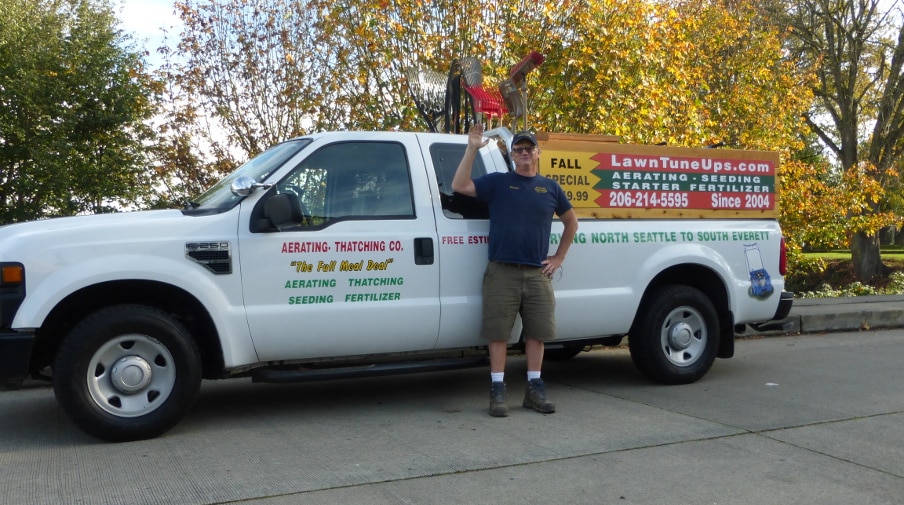
Stewart Armour is an independent lawn restoration expert, educator, and owner of Aerating Thatching Co., serving the greater Seattle area since 2004. With more than two decades of professional experience restoring Western Washington lawns, Stewart specializes in diagnosing lawn problems, improving soil health, and developing long-term lawn renovation strategies. His education includes turf management studies, advanced golf course turf training, and continuing education through Wilbur-Ellis University, State Turf Facilities, Soil First Academy, and Golf Course Applied Turf Physiology. Every article published on LawnTuneUps.com is grounded in practical field experience, current turf science, and a commitment to helping homeowners understand the why behind every recommendation—not just what to do.
Stewart has personally evaluated thousands of residential lawns throughout the Seattle area and remains committed to helping homeowners understand the science behind growing healthier, more resilient lawns.