What if the fertilizer you spread cannot solve the real problem beneath your lawn? If moss keeps returning, grass turns yellow, or new seed struggles to fill thin spots, it is worth checking the soil. Low lawn soil pH in Lynnwood can make essential nutrients harder for grass roots to absorb, even when fertilizer is present.
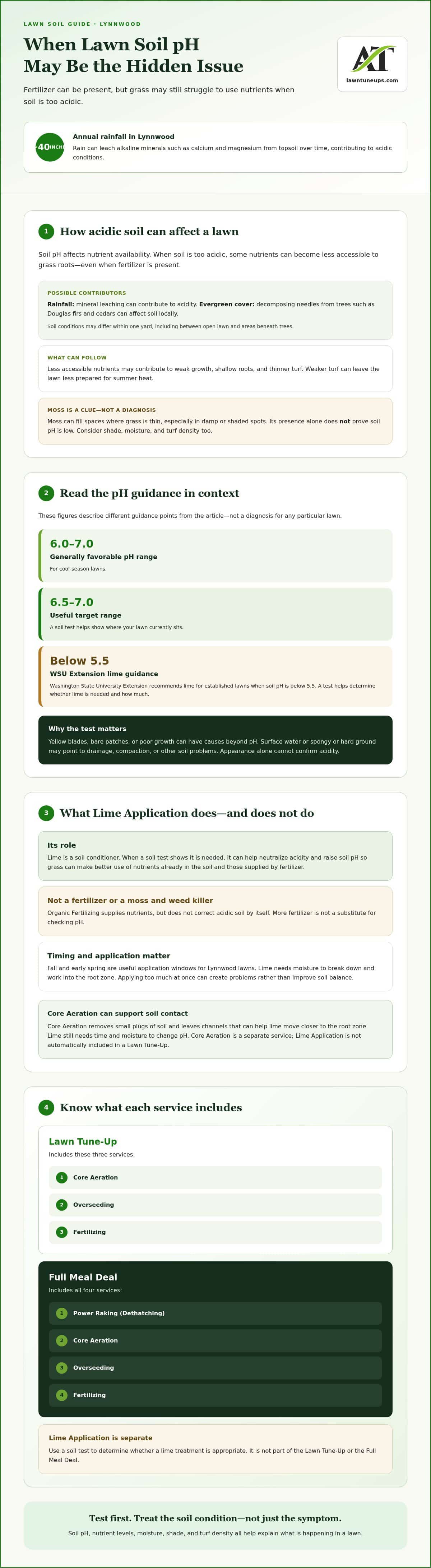
This article explains how acidic soil can affect local turf and how Lime Application may help when a soil test shows it is needed. Lynnwood’s roughly 40 inches of annual rainfall can leach minerals such as calcium and magnesium from the soil, contributing to acidic conditions. Lime is not a fertilizer. It helps raise soil pH so grass can make better use of nutrients already in the soil and those supplied by fertilizer. Learn what signs to look for, why testing matters, and how a suitable treatment can support thicker turf and help you make better-informed choices about lawn care.
Key Takeaways
- Evergreen cover can contribute to acidic soil in some parts of a Lynnwood yard, but conditions may differ across the lawn.
- Lawn soil pH Lynnwood affects nutrient availability, turf density, and how effectively grass can use fertilizer.
- Lime Application may help correct acidity, but a soil test should guide the decision.
- The Lawn Tune-Up includes Core Aeration, Overseeding, and Fertilizing. The Full Meal Deal also includes Power Raking (Dethatching). Lime Application is a separate treatment.
Why Lynnwood Lawns Suffer from Acidic Soil
Lynnwood’s wet climate can gradually affect the soil beneath your grass. Around 40 inches of annual rainfall can leach alkaline minerals such as calcium and magnesium from topsoil, contributing to acidity over time. Evergreen trees, including Douglas firs and cedars, can also affect soil locally as their needles decompose. As a result, lawn soil pH in Lynnwood can vary across a single yard, especially between open lawn and areas beneath trees.
Soil pH affects how available nutrients are to grass roots. When soil becomes too acidic, nutrients such as phosphorus can become less accessible. Fertilizer may be present, but the grass may not be able to make full use of it. For a plain-language explanation of what soil pH is and how it relates to nutrient availability, see this overview. A soil test is the practical way to determine whether pH is contributing to a struggling lawn.
The Connection Between Low pH and Moss Growth
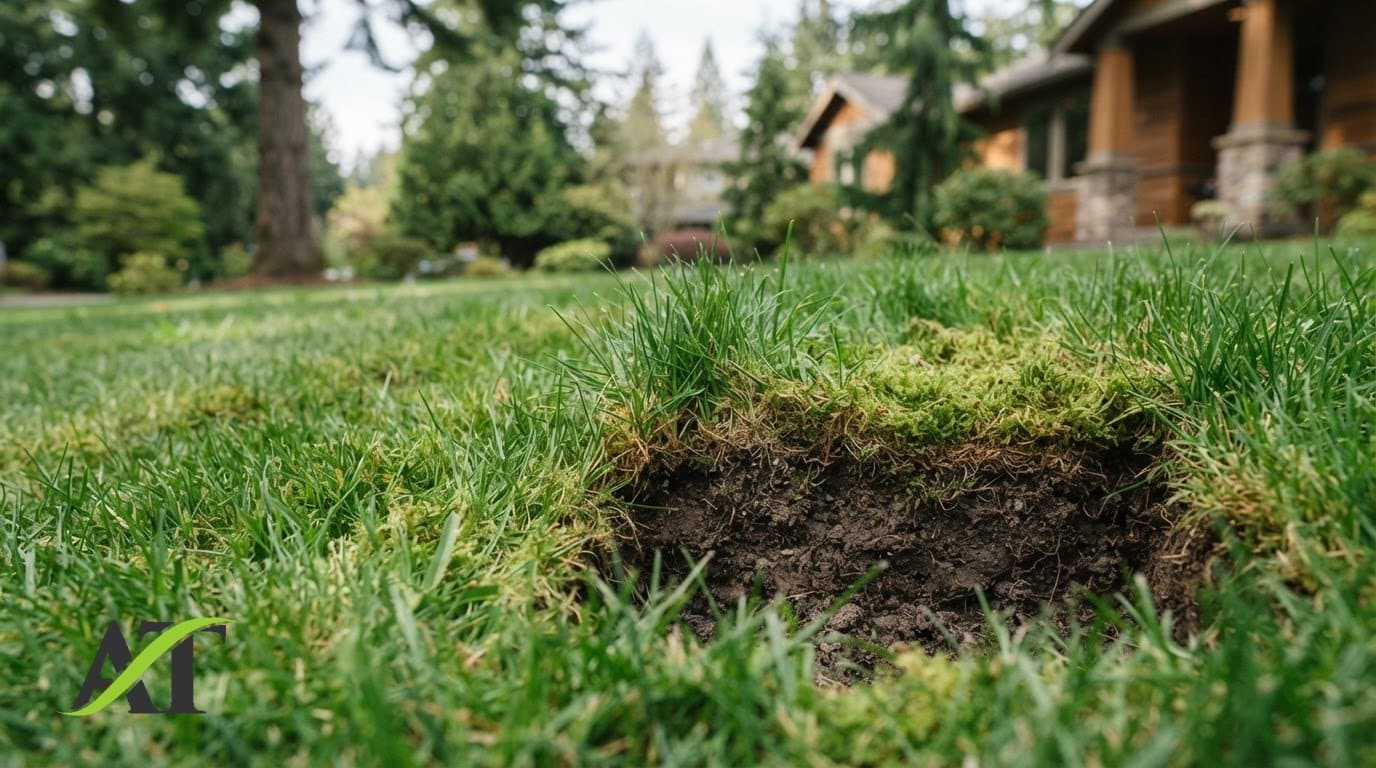
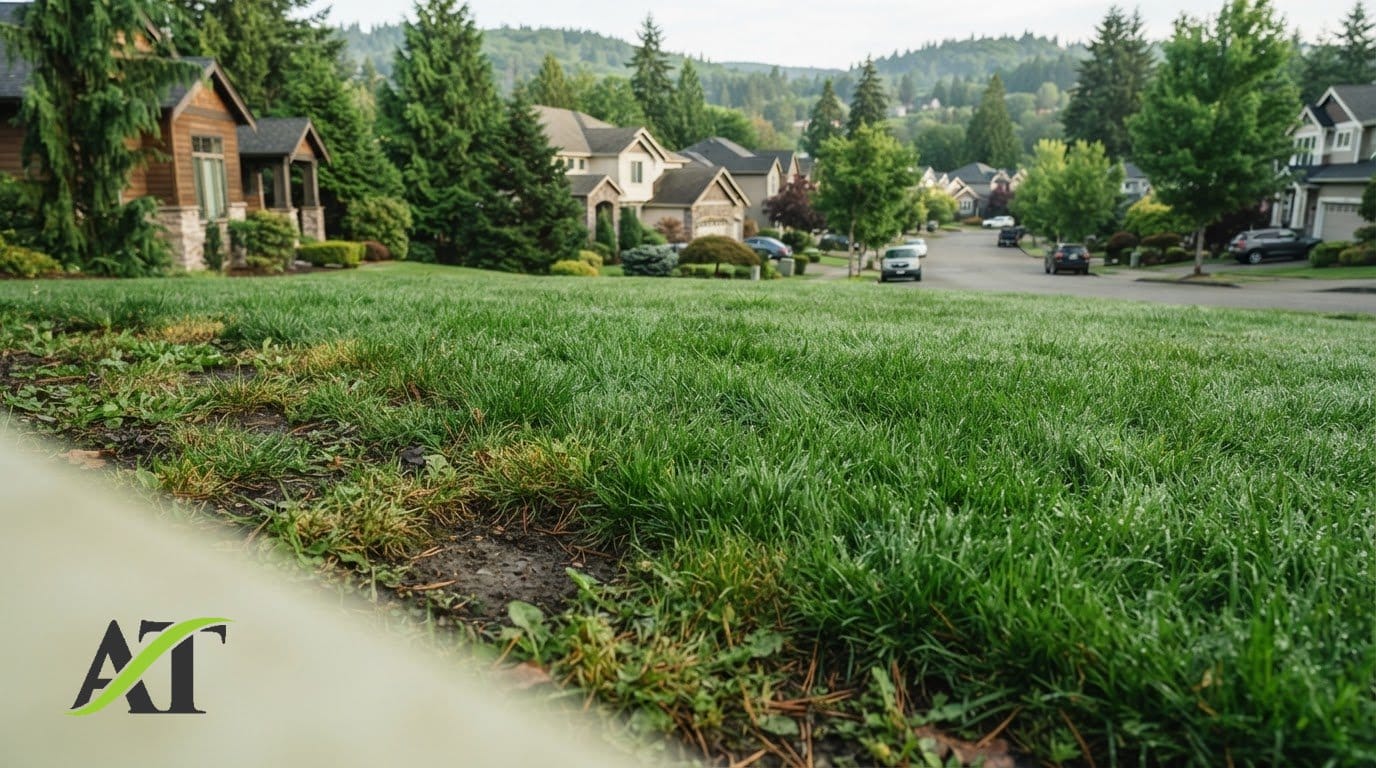
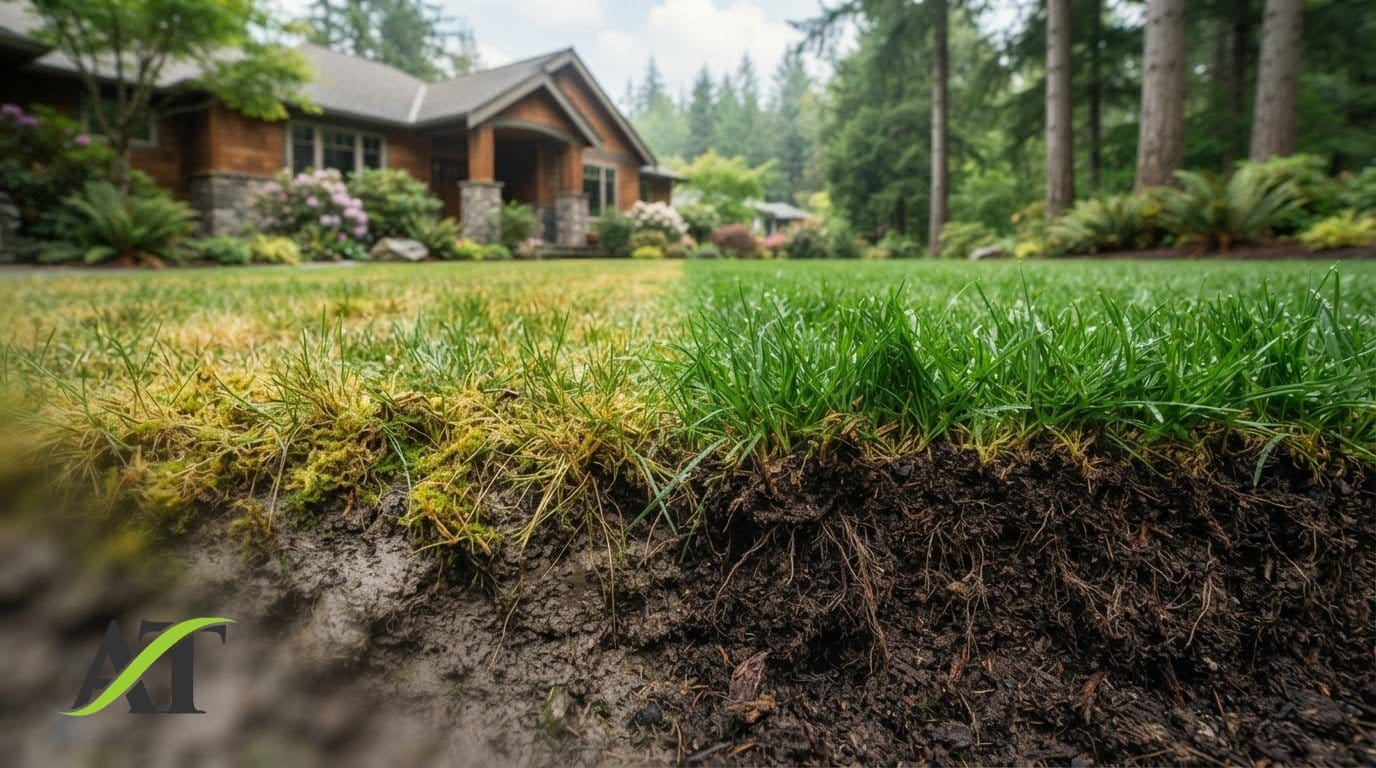
Moss often fills spaces where grass is thin, particularly in damp or shaded spots. Acidic soil can weaken turf and make it harder for grass to compete, but moss alone does not prove that soil pH is low. Removing moss without addressing the conditions that allow it to spread may only provide a temporary change. Check soil pH alongside shade, moisture, and turf density to better identify the underlying issue.
Identifying Acidic Soil Symptoms in Your Yard
Yellowing blades despite regular fertilizing and persistent bare patches can be signs that grass is not using nutrients well. Also note whether water sits on the surface after rain or the ground feels unusually spongy or hard. These clues can point to drainage, compaction, or other soil problems, not just pH. Do not diagnose by appearance alone. Testing helps distinguish acidity from other causes and indicates whether Lime Application may be appropriate.
How Lawn Soil pH in Lynnwood Impacts Nutrient Uptake and Turf Density
Grass needs more than fertilizer in the soil. It needs nutrients in forms its roots can absorb. For cool-season lawns, a pH range of about 6.0 to 7.0 is generally favorable, with 6.5 to 7.0 a useful target. Below pH 6.0, beneficial soil microbes can become less active, slowing decomposition and nutrient cycling. Washington State University Extension explains how soil pH impacts nutrient uptake.
Think of pH as a key that helps unlock nutrients. When soil pH is outside a suitable range, grass may struggle to use nutrients even when fertilizer is applied. Weak growth can lead to shallow roots and thinner turf, leaving the lawn less prepared for summer heat. A soil test can show whether pH is part of the problem before you change your treatment plan.
Maximizing Your Organic Fertilizing Investment
Organic Fertilizing supplies nutrients, but it does not correct acidic soil by itself. Applying more fertilizer when pH limits nutrient availability may waste product and increase the chance that unused nutrients move beyond the lawn, especially in rainy conditions. Test first, then address the cause rather than simply adding more fertilizer.
The Role of Micronutrients in Soil Health
Balanced pH helps keep nutrients available, but more lime is not always better. Iron supports green color, while magnesium is part of chlorophyll. Nutrient availability depends on soil conditions, so do not assume yellow grass needs lime or that raising pH will solve every color problem. Check soil pH and nutrient levels before choosing a correction. To discuss whether Lime Application may fit your lawn, request information about your lawn’s soil needs.
Professional Lime Application: Restoring Balance to Lynnwood Soil
Lime is a soil conditioner, not a fertilizer or a moss and weed killer. Its purpose is to neutralize acidity and raise pH when soil tests show it is needed. Washington State University Extension recommends lime for established lawns when soil pH is below 5.5. A test helps determine whether to apply lime and how much the soil needs. The Oregon State University guide also advises homeowners to check lawn soil pH and amend as needed.
Fall and early spring are useful application windows for Lynnwood lawns. Lime needs moisture to break down and work into the root zone, so regional rainfall can help. The timing and amount still matter: applying too much at once can create problems rather than improve soil balance. Professional Lime Application can account for soil conditions and help distribute the material evenly across the lawn.
Why Core Aeration Improves Lime Effectiveness
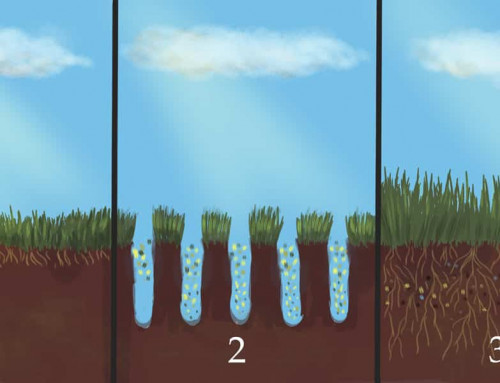
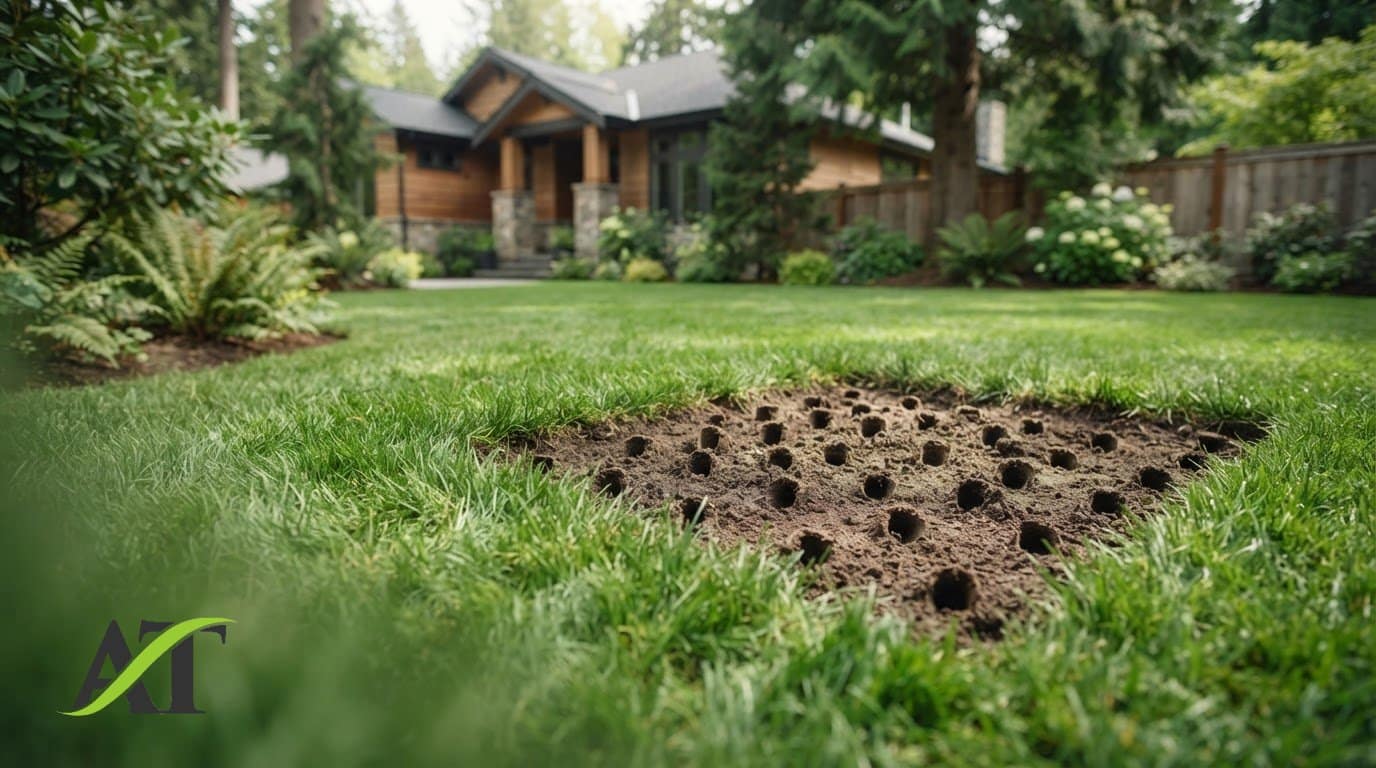
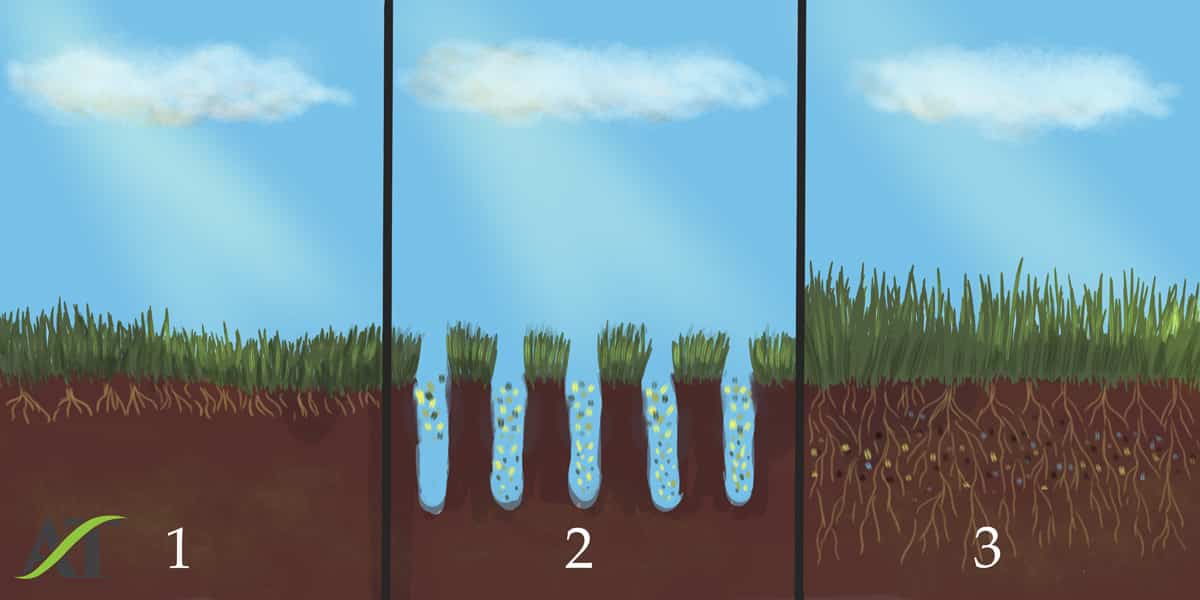
Core Aeration removes small plugs of soil and leaves channels that can help lime move closer to the root zone. This can improve contact with the soil, though lime still needs time and moisture to change pH. Core Aeration is a separate service. Lime Application is not automatically included in a Lawn Tune-Up.
Maintenance and Long-Term Soil Strategy
In a rainy climate, soil pH can change over time, so treat liming as part of an ongoing soil strategy, not a one-time fix. Retest before applying more. Guessing with bagged lime can lead to the wrong rate, especially because soil type affects how much lime is needed. Local professional guidance can help match an application to test results instead of relying on a blanket amount.
Integrating pH Balance into a Lawn Tune-Up or Full Meal Deal
A healthy lawn needs both suitable soil conditions and the right restoration work. The Lawn Tune-Up includes Core Aeration, Overseeding, and Fertilizing. The Full Meal Deal includes those same three components plus Power Raking (Dethatching), which can help address a buildup of thatch. Neither package includes Lime Application. When a soil test indicates acidic conditions, Lime Application is a separate treatment that may fill a gap in your lawn plan.
For lawn soil pH in Lynnwood, avoid guessing. Test the soil first, then decide whether pH correction is needed alongside a Lawn Tune-Up or Full Meal Deal. These services support turf restoration, but they do not replace correcting a confirmed soil imbalance.
Setting Realistic Expectations for Germination
For cool-season grass seed, the preferred soil temperature for germination is 55°F to 75°F (13°C to 24°C). Soil temperature matters more than a mild afternoon air temperature. Seed may sprout outside this range, but germination can be slower and less consistent, with less reliable establishment. Moisture, seed-to-soil contact, soil conditions, and weather also affect results, so no treatment can guarantee germination.
Next Steps for Your Lynnwood Lawn
Look beyond moss, bare patches, or yellow blades to the soil beneath them. A soil test can show whether pH deserves attention before you invest in further lawn restoration. Then choose the service that fits the lawn’s condition: the Lawn Tune-Up for Core Aeration, Overseeding, and Fertilizing, or the Full Meal Deal if Power Raking (Dethatching) is also needed. Lime Application remains separate and should be based on soil needs.
Give Your Lynnwood Lawn a Stronger Foundation
A thick, healthy lawn starts below the surface. If fertilizer is not helping and moss keeps returning, check soil pH before adding more products. In Lynnwood, Lime Application may be a useful separate treatment when a soil test confirms acidity. Pairing the appropriate soil correction with a Lawn Tune-Up can help grass make better use of nutrients and support a stronger turf plan.
Aerating Thatching Co. is an owner-operated local business focused on soil health and lawn restoration. Its services include Core Aeration, Overseeding, Fertilizing, and Lime Application. Each treatment has a distinct role, so the right next step depends on what your lawn and soil need.
With the right information and a practical plan, you can work toward thicker turf and make informed decisions about lawn care.
Frequently Asked Questions
How do I know if my Lynnwood lawn needs lime?
A soil test is the best way to find out whether Lime Application is appropriate. Yellow grass, thin patches, and moss can have several causes, so appearance alone cannot confirm acidic soil. Washington State University Extension recommends liming established lawns when soil pH is below 5.5. Rainy regional conditions across North Seattle, Shoreline, Edmonds, Lynnwood, Mill Creek, Bothell, Kenmore, Lake Forest Park, Mountlake Terrace, Snohomish, Everett, Brier, Woodway, Green Lake, Ballard, and Greenwood can contribute to acidity, but each lawn needs its own assessment.
Can I apply lime and fertilizer at the same time?
Do not assume lime and fertilizer should be applied together. Lime changes soil pH, while fertilizer supplies nutrients, so they serve different purposes. Whether they can be applied during the same visit depends on the products and the lawn’s needs. Check product directions and base Lime Application on soil test results. If fertilizer has not helped, test the soil before simply adding more.
Is lime safe for my children and pets to walk on?
Follow the label instructions for the specific lime product used, including any directions about keeping children and pets off the lawn during or after application. Products and application guidance can differ, so do not assume every type of lime is immediately safe to walk on. If a professional applies it, ask which product is being used and when the label says the lawn can be accessed.
How long does it take for lime to change the soil pH?
There is no single reliable timeline for every lawn. Lime needs moisture to break down and react with soil, and the rate of change depends on soil conditions and the amount applied. Lynnwood rainfall can provide moisture, but it does not make the change immediate. Retest the soil before applying more lime, and avoid repeating an application based only on how the lawn looks.
Will lime kill the moss currently growing in my yard?
No. Lime is not a moss killer. It is a soil amendment used to raise pH when a test shows the soil is too acidic. Moss can spread where grass is sparse, shaded, or damp, and it may return if those conditions remain. Test pH and consider other causes of weak turf as well. Correcting acidity can support grass, but it will not remove moss by itself.
Article by
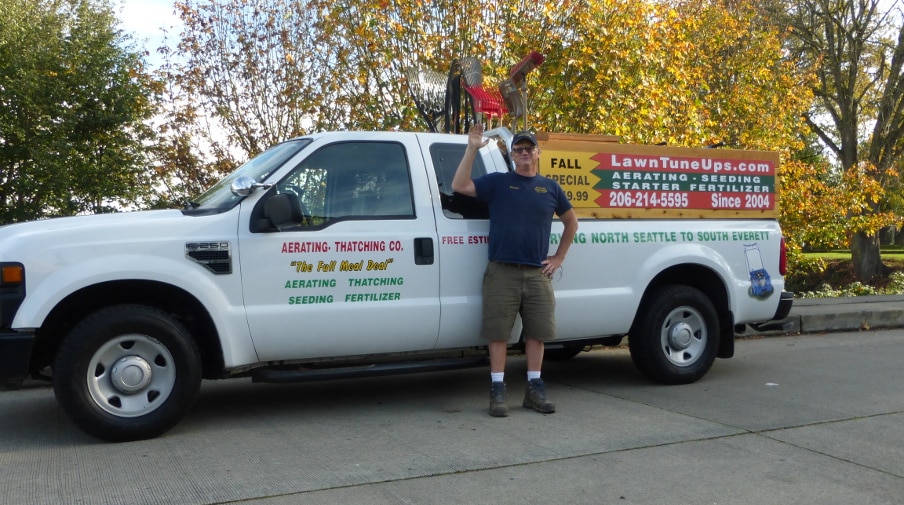
Stewart Armour
Stewart Armour is an independent lawn restoration expert, educator, and owner of Aerating Thatching Co., serving the greater Seattle area since 2004. With more than two decades of professional experience restoring Western Washington lawns, Stewart specializes in diagnosing lawn problems, improving soil health, and developing long-term lawn renovation strategies. His education includes turf management studies, advanced golf course turf training, and continuing education through Wilbur-Ellis University, State Turf Facilities, Soil First Academy, and Golf Course Applied Turf Physiology. Every article published on LawnTuneUps.com is grounded in practical field experience, current turf science, and a commitment to helping homeowners understand the why behind every recommendation—not just what to do.
Stewart has personally evaluated thousands of residential lawns throughout the Seattle area and remains committed to helping homeowners understand the science behind growing healthier, more resilient lawns.