Red Thread Fungus in North Seattle & Puget Sound Lawns: Identification, Damage & Prevention
Red thread is a common turf fungal disease that can create irregular tan or brown patches with distinctive pink-to-red threadlike growth. North Seattle and the surrounding Puget Sound area's mild, moist conditions can favor its development, particularly when turf is growing slowly or under nutritional stress.
Why Does My Lawn Have Red Thread Fungus?
If you've noticed unusual reddish-pink growth along with tan or brown patches in your lawn, you may be dealing with red thread fungus. This common fungal disease affects cool-season turf and can become particularly noticeable during the mild, moist conditions common around North Seattle and the surrounding Puget Sound area.
The good news is that red thread is often more of an appearance and lawn-health problem than a permanent loss of turf. Identifying the characteristic signs and correcting the conditions that are contributing to the problem are important first steps.
What Is Red Thread Fungus?
Red thread (Laetisaria fuciformis) is a fungal disease of turfgrass. It can affect cool-season grasses used in Western Washington lawns, including ryegrasses, fescues and Kentucky bluegrass.
Its name comes from the characteristic pink-to-red threadlike fungal structures that may extend from affected grass blades. These visible structures are fungal growth associated with the disease rather than simply a change in the grass blade's natural color.
How to Recognize Red Thread Fungus
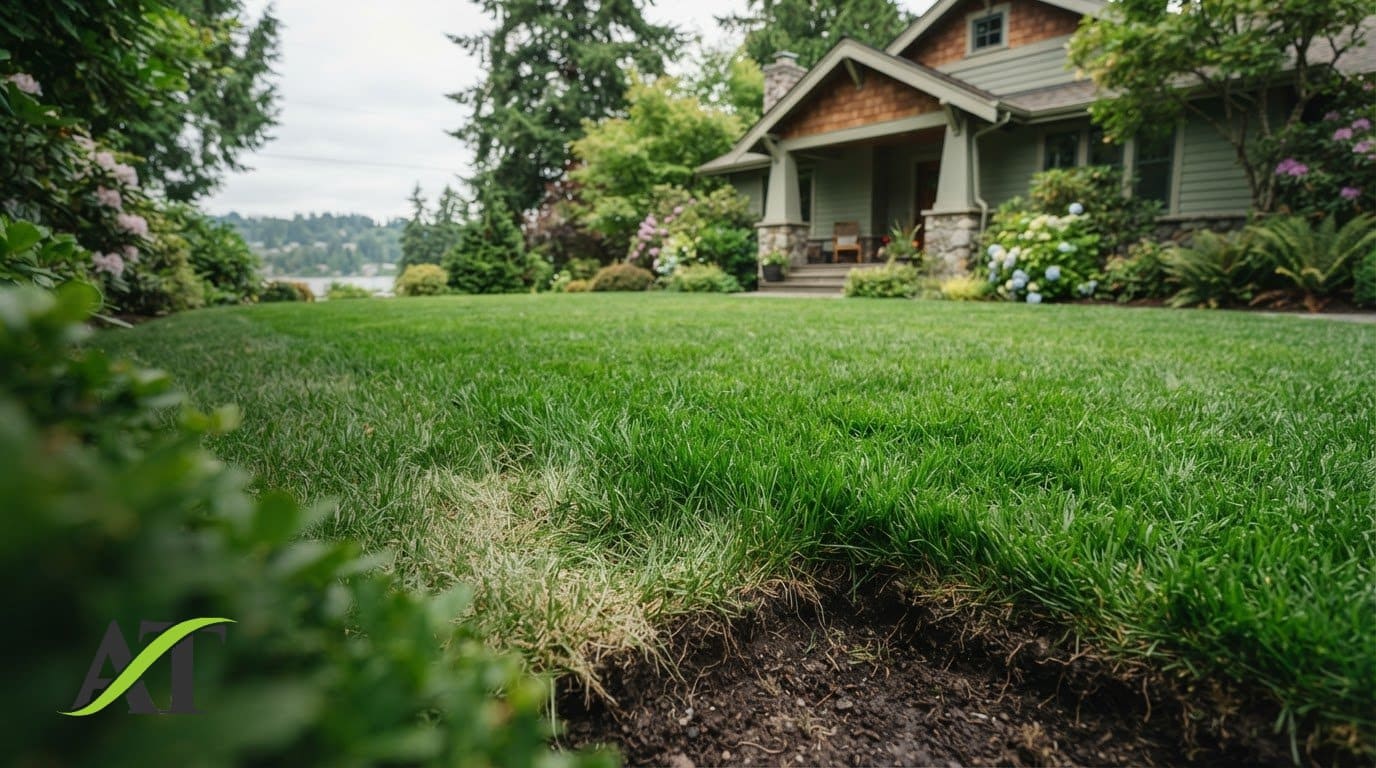
The most noticeable symptom is usually irregular tan, yellowish or brown patches accompanied by pink or reddish fungal growth. When conditions are favorable, the red or pink threads can make identification much easier.
- Pink or red threadlike growth attached to affected grass blades.
- Tan, yellowish or brown patches that can make the lawn look uneven.
- Wilted or weakened-looking blades within affected areas.
- Patchy thinning where turf has been under prolonged stress.
Red Thread or Something Else?
Brown or thin areas do not automatically mean red thread. Look at the grass blades themselves, not just the overall color of the lawn.
Pink-to-Red Threads
Fine reddish or pink fungal structures extending from affected blades are among the most distinctive visible signs of red thread.
Brown Patches Without Threads
Brown or yellow areas alone can have many causes, including moisture stress, mowing injury, other diseases or general turf decline.
Thin or Weak Turf
Thin grass may accompany red thread, but compaction, shade, thatch, watering and other lawn conditions can also affect density.
The Damage Caused by Red Thread Fungus
Red thread can look alarming, but it generally does not permanently destroy an otherwise recoverable lawn. Affected blades can become discolored and weakened, leaving irregular patches that detract from the lawn's appearance.
When the grass is already growing slowly or is under nutritional or environmental stress, the visible effects can be more pronounced. Improving the conditions that support healthy turf growth is therefore an important part of managing the problem.
Why Red Thread Develops
Red thread is favored by a combination of susceptible turf and disease-friendly weather. Around North Seattle and the surrounding Puget Sound area, extended periods of moisture and moderate temperatures can create favorable conditions.
Mild + Moist Conditions
Frequent moisture, high humidity and long periods of leaf wetness can favor disease activity. This is one reason red thread can become conspicuous during the region's wetter growing periods.
Slow or Nutritionally Stressed Turf
Low fertility is strongly associated with red thread development. Appropriate lawn nutrition can help grass maintain growth and recover from affected foliage.
How to Stop and Manage Red Thread Fungus
Managing red thread involves both the visible disease and the lawn conditions that allow it to become prominent. Focus on healthy turf growth, sensible watering and mowing, and treatment when you determine it is appropriate for your lawn.
Improve Lawn Health
A healthy, actively growing lawn is better positioned to replace affected foliage. Appropriate fertility is particularly important where grass is growing slowly or is nutritionally stressed.
Manage Watering
Avoid watering practices that unnecessarily keep the grass wet for long periods. When irrigation is needed, morning watering gives foliage more opportunity to dry as the day progresses.
Mow Sensibly
Regular mowing helps remove affected leaf tissue as the lawn produces new growth. Avoid scalping or unnecessarily stressing already weakened turf.
Consider Fungicide When Appropriate
Fungicides labeled for applicable turf diseases are available to homeowners who choose a chemical-control approach. Always confirm that the product label covers the intended lawn use and disease, and follow the current label directions exactly.

Scotts DiseaseEx Lawn Fungicide
Why it may help: A granular lawn fungicide option for homeowners who decide a labeled fungicide treatment is appropriate. Read the current product label before purchasing or applying and follow all directions and restrictions.
View on AmazonHow to Prevent Red Thread Fungus
Long-term prevention is less about one product and more about maintaining turf that is growing well while avoiding conditions that unnecessarily prolong moisture on the leaf surface.
Fertilize Appropriately
Because low fertility can favor red thread, appropriate lawn nutrition can help support stronger growth and recovery. Avoid treating fertilizer as a cure-all; apply lawn products according to their label and the needs of the turf.
Reseed or Overseed Thin Areas
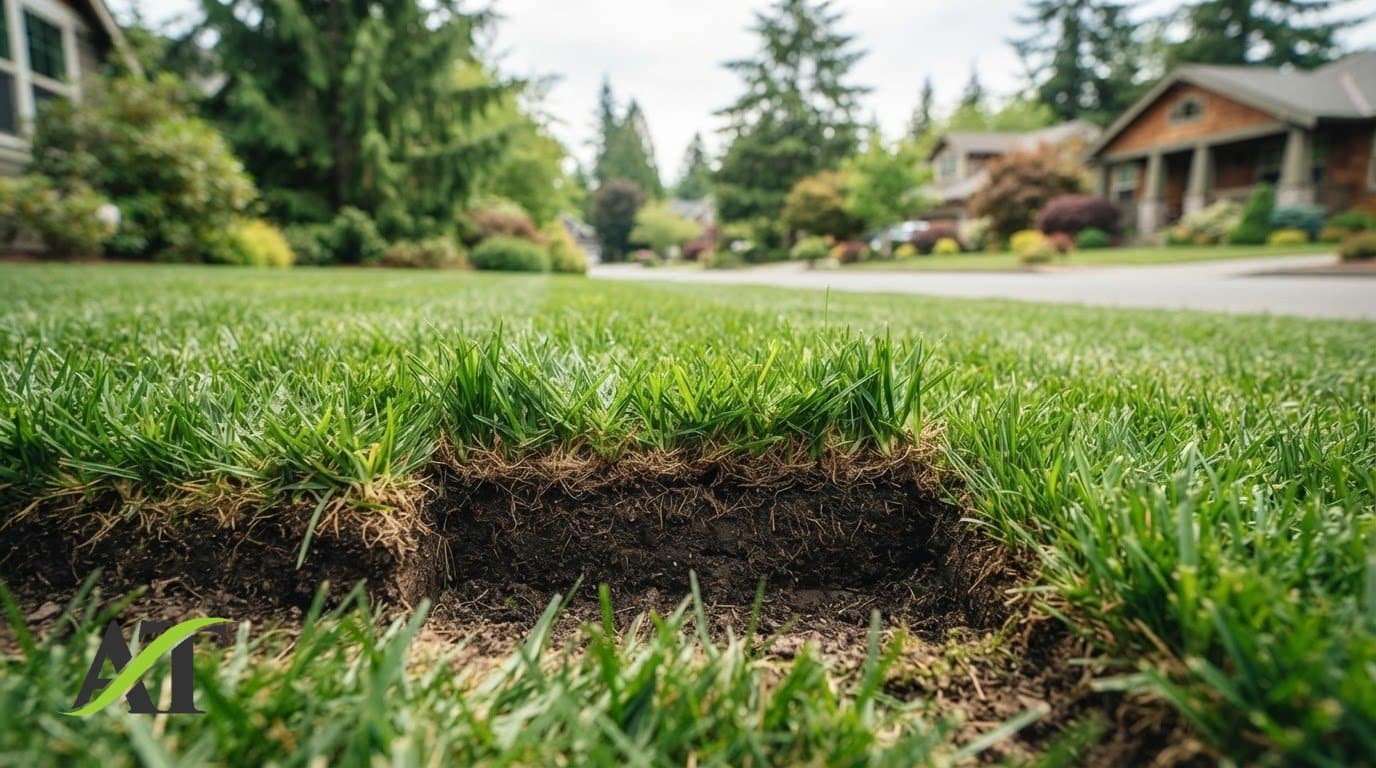
If the lawn remains thin after the disease pressure has passed, overseeding can help rebuild grass density. Correct ongoing watering, shade, drainage or other underlying problems so new grass has a better chance to establish.
Aerate When Compaction Is a Problem
Core Aeration can help a compacted lawn by opening the soil. It is a lawn-improvement service, however, and should not be confused with a treatment for red thread fungus itself.
Monitor Lawn Conditions
Watch for the characteristic red or pink fungal growth during mild, damp periods. Catching changes early gives you time to review watering, fertility and overall lawn condition before thin areas become more noticeable.
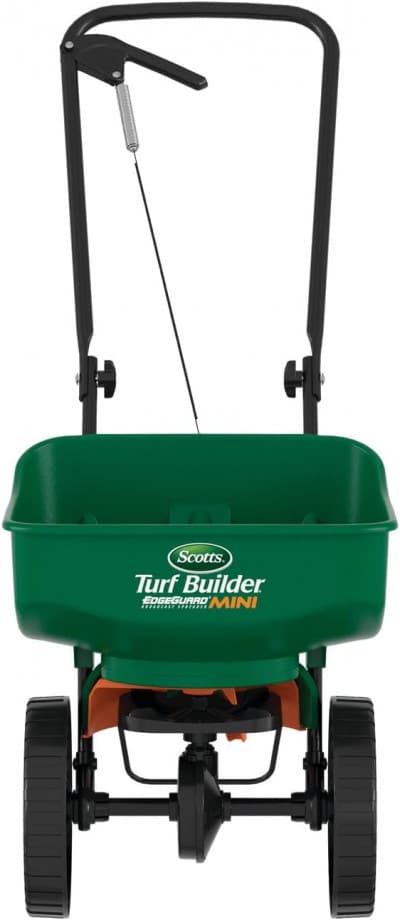
Scotts Turf Builder EdgeGuard Mini Broadcast Spreader
Why it may help: A broadcast spreader can make granular lawn-product application more practical and consistent. Set the spreader according to the instructions for the specific product being applied rather than assuming one setting works for every material.
View on Amazon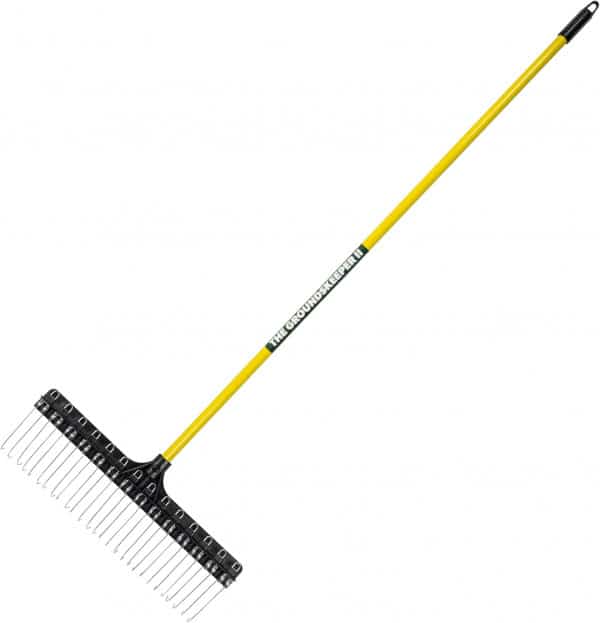
Dethatching Rake
Why it may help: A hand rake can be useful for light cleanup of loose dead material where appropriate. It is not a treatment for red thread, and aggressive raking of already weak or stressed turf can cause additional damage.
View on AmazonWhat If the Lawn Is Thin After Red Thread?
Red thread management and lawn restoration are two different jobs. If the fungal symptoms subside but the lawn is still thin, compacted or patchy, it may make sense to address those remaining turf conditions separately.
Thin Grass
Overseeding can introduce new grass into areas that no longer have the density you want.
Compacted Soil
Core Aeration can address soil compaction when compaction is part of the lawn's underlying condition.
Surface Buildup
Dethatching (Power Raking) may make sense when actual thatch, moss or dead surface material needs removal before rebuilding.
Key Takeaway
Red thread commonly shows up as tan or brown lawn patches with distinctive pink-to-red fungal growth on the grass blades. Mild, moist Puget Sound conditions can favor the disease, especially when turf is growing slowly or is under nutritional stress.
Start by looking for the characteristic signs, then review fertility, watering, mowing and overall lawn health. If the disease symptoms pass but the lawn remains thin or compacted, address those lawn-recovery issues separately rather than expecting restoration work to function as a fungicide treatment.
Not Sure What Your Lawn Needs?
If red thread symptoms have passed but your lawn is still thin, tired or compacted, learn what a Lawn Tune-Up is designed to improve and whether it fits the remaining lawn condition.
Red Thread Fungus FAQ
Quick answers to common questions from homeowners in North Seattle and the surrounding Puget Sound area.
Is red thread harmful to grass?
Red thread primarily affects the grass foliage and can make a lawn look patchy, tan or brown. It generally does not cause permanent loss of otherwise recoverable turf, although affected grass can look weak while the disease is active.
What causes red thread fungus in a lawn?
Red thread develops when susceptible turf and favorable disease conditions occur together. Mild, moist weather and slow-growing or low-fertility turf are important factors associated with outbreaks.
Will red thread go away on its own?
Visible symptoms can decline as weather and growing conditions change, and healthy turf can replace affected leaf tissue as it grows. Improving the lawn conditions associated with the outbreak can help the turf recover and reduce recurring problems.
Does fertilizer help with red thread?
Low fertility is strongly associated with red thread, so appropriate nutrition can support active grass growth and recovery. Fertilizer should still be applied appropriately and according to the product label rather than simply applying more whenever red thread appears.
Should I mow a lawn that has red thread?
Regular sensible mowing can continue and helps remove affected leaf tissue as new growth develops. Avoid scalping the lawn or mowing so aggressively that already stressed turf is further weakened.
Can fungicide be used for red thread?
Homeowners who choose a chemical-control approach can find turf fungicide products labeled for particular lawn diseases. Always confirm the current label covers the intended turf use and disease and follow all label directions. Improving the lawn conditions associated with red thread remains important for longer-term management.
Can Core Aeration or Dethatching (Power Raking) cure red thread?
No. Core Aeration and Dethatching (Power Raking) are lawn-improvement practices, not fungicide treatments. They may be useful later when a lawn separately has compaction, thatch, moss or surface buildup that needs attention.
When is red thread most common around North Seattle and Puget Sound?
Red thread favors mild, moist conditions, so spring and fall are especially relevant locally. It can appear outside those periods whenever moisture, temperature and turf conditions favor disease development.
What should I do if my lawn stays thin after red thread?
Once the disease issue is no longer the main concern, look at why the lawn remains thin. Compaction, inadequate grass density, thatch, shade, watering and other lawn conditions may need separate attention. A Lawn Tune-Up is one option for lawns that need Core Aeration, Premium Overseeding and Starter Fertilizer together.
Sources & Further Reading
Regional turf-disease information used to support the identification, seasonal conditions and cultural-management information in this article: