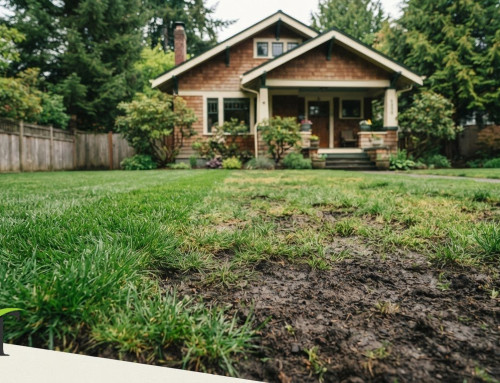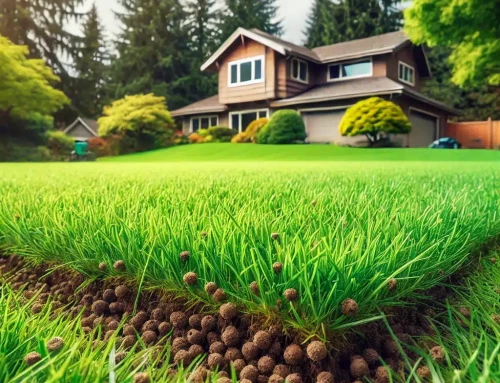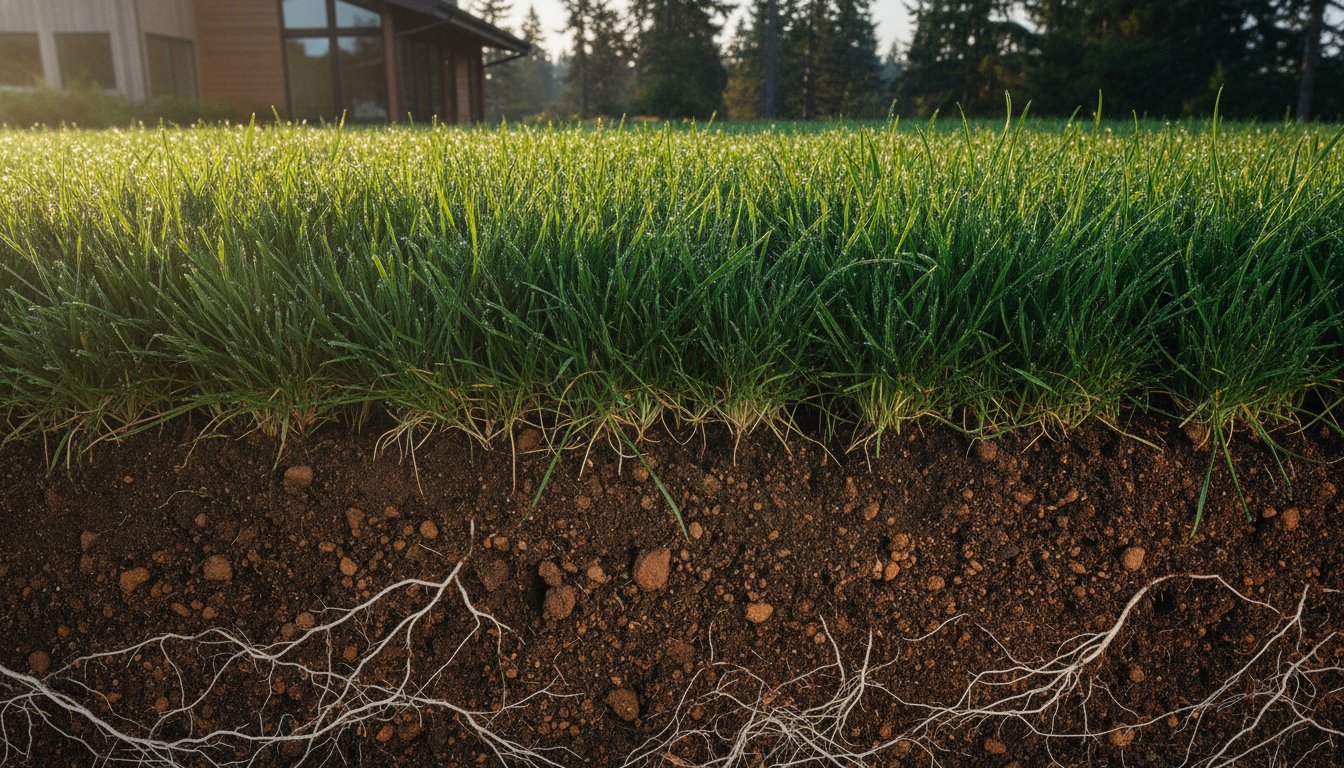
If your lawn looks like a mossy swamp every winter, you aren’t just unlucky; you’re fighting the very ground beneath your feet. Most homeowners here struggle with heavy clay that stays compacted and suffocates grass roots. You’ve likely spent weekends spreading fertilizer only to see the moss grow thicker while your grass stays thin. It’s frustrating to watch water pool on the surface instead of soaking in. This is why a professional Lawn Tune Up Snohomish residents trust is the most effective way to break through that compaction and restore your yard.
You can fix your drainage issues by addressing the mechanical health of your soil. This guide explains how Core Aeration and the signature Lawn Tune-Up can transform your turf by tackling compaction and thatch. You’ll discover how combining Core Aeration with Overseeding and Fertilizing restores density and creates thicker, greener grass. We’ll also cover why soil temperatures between 55°F and 75°F are the key to successful germination. It’s time to stop guessing and start building long-term soil health with a proven, local approach that works with our unique Washington climate.
Key Takeaways
- Learn why Core Aeration is essential for Snohomish lawns to break through heavy clay and allow air, water, and nutrients to reach the root zone.
- Understand the difference between a standard Lawn Tune Up Snohomish-consisting of Core Aeration, Overseeding, and Fertilizing-and the comprehensive Full Meal Deal for lawns with heavy thatch.
- Discover why monitoring soil temperature between 55°F and 75°F is critical for Overseeding results and how seed-to-soil contact drives turf density.
- Find out the best times of year to schedule mechanical restoration and how to prepare your yard for professional equipment to ensure the best outcome.
Why Snohomish Lawns Require Professional Core Aeration
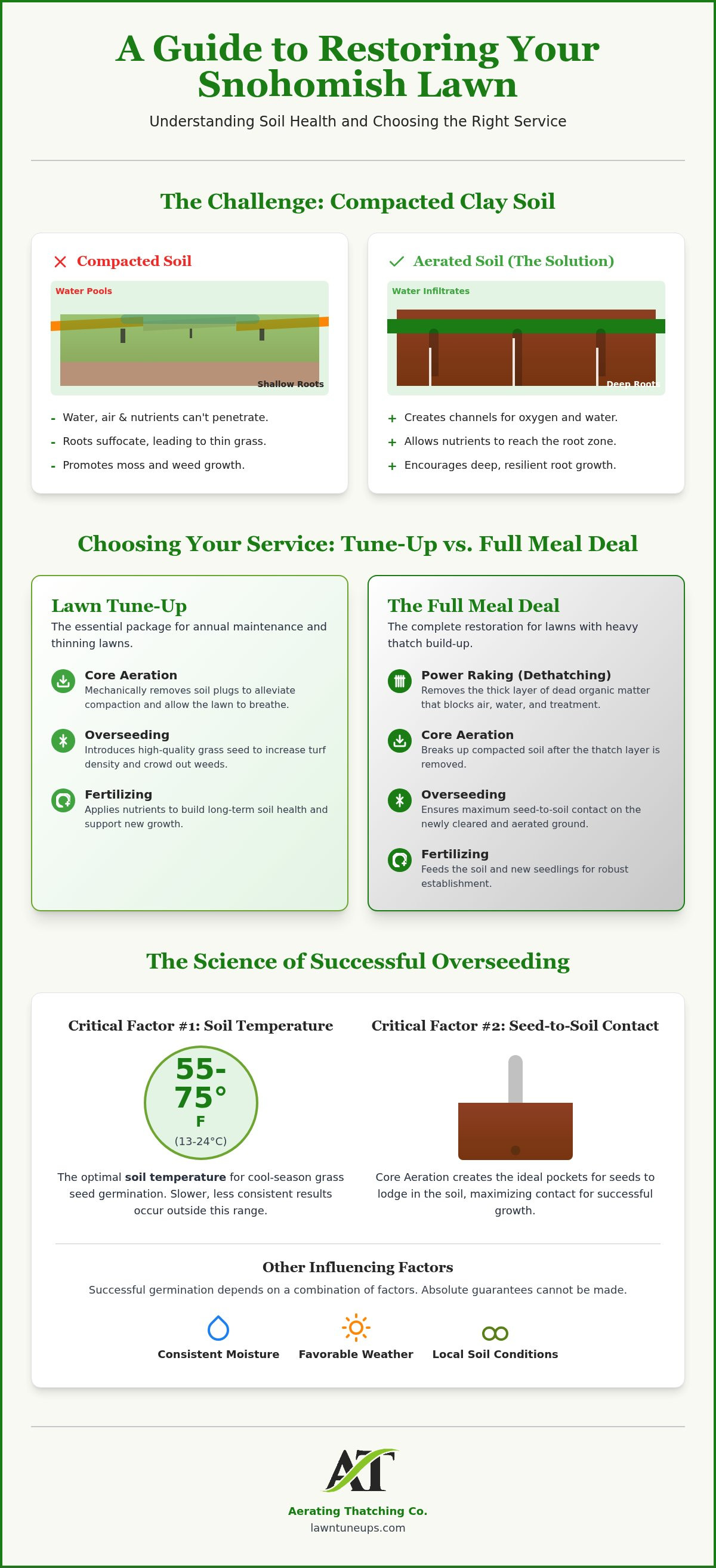
Snohomish yards deal with a specific geological challenge: glacial till. This heavy, clay-rich soil packs down tight over time, especially under the weight of our frequent Pacific Northwest rains. Core Aeration is the mechanical process of removing small plugs of soil to alleviate this compaction. It opens up the ground so your yard can finally breathe. Core Aeration is the essential first step for nutrient absorption in Snohomish. Without this mechanical intervention, your fertilizer and water simply sit on the surface, feeding the moss instead of the grass.
Signs Your Snohomish Turf is Compacted
You don’t need a lab test to know your soil is struggling. Look for standing water that lingers long after a rainstorm. If you notice thinning grass or heavy moss growth, your roots are likely suffocating. Local homeowners can use the “Screwdriver Test” to confirm soil density. Take a standard screwdriver and try to push it into the turf. If you meet significant resistance or can’t push it in at all, your soil is too tight. This compaction is a primary reason to schedule a Lawn Tune Up Snohomish homeowners rely on for restoration. Nearby communities face the same heavy PNW soil challenges, and the Lawn Tune Up Woodway guide explains how mechanical restoration addresses compaction throughout our region.
The Benefits of Core Aeration for Local Soil
Mechanical restoration provides immediate relief for your lawn’s root system. By pulling plugs, we create channels for improved oxygen exchange and water infiltration. This allows moisture to reach deep into the root zone where it belongs. These channels also encourage deeper root growth, making your turf more resilient during summer dry spells. For more information on how we handle these issues across the region, view our Lawn Tune Up Service Seattle guide. Investing in a professional Lawn Tune Up Snohomish ensures your grass has the physical space it needs to grow thick and crowd out invasive moss.
Choosing Your Service: Lawn Tune-Up vs. Full Meal Deal
Selecting the right treatment depends on your lawn’s current condition. While some homeowners look for a basic service, bundling treatments is far more effective than standalone Core Aeration. Combining mechanical work with biology ensures the best results. Our packages include organic fertilizing to build long-term soil health rather than just providing a temporary chemical green-up. This approach fosters a living soil environment that supports grass roots year-round. You can review all our options on the Aerating Thatching Co. Services page to see which fits your needs. A Lawn Tune Up Snohomish homeowners choose provides a solid foundation for a resilient yard.
The Signature Lawn Tune-Up
The Lawn Tune-Up is our essential maintenance package. It consists exclusively of Core Aeration, Overseeding, and Fertilizing. This service is the perfect choice for Snohomish lawns that are generally healthy but have started to thin out over the years. By removing soil plugs and immediately following up with high-quality seed and nutrients, we maximize seed-to-soil contact. This combination is much more effective than just throwing seed on top of hard ground. This is the standard Lawn Tune Up Snohomish residents use to keep their yards looking sharp year after year without unnecessary chemicals.
The Full Meal Deal for Total Restoration
For yards struggling with a thick layer of spongy material at the surface, we recommend the Full Meal Deal. This comprehensive restoration includes Power Raking (Dethatching), Core Aeration, Overseeding, and Fertilizing. Power Raking (Dethatching) is necessary when organic matter builds up so thick that it blocks water and air from reaching the soil. If your lawn feels like walking on a thick carpet or looks “puffy,” this is the level of service required. Neighboring communities face the same thatch challenges, and our power raking Mill Creek guide explains exactly when to schedule this service for the best results. It clears the debris so the subsequent Core Aeration can actually reach the dirt. If you aren’t sure which path to take, you can get a professional recommendation based on your specific property.
The Science of Overseeding and Germination in Snohomish
Overseeding is the most effective way to thicken a lawn and crowd out invasive weeds. By introducing fresh, resilient grass varieties into existing turf, you fill in the gaps where weeds usually take hold. This process works best immediately following Core Aeration. The holes created by the aerator provide the necessary seed-to-soil contact for the new growth to thrive. While we provide expert application, environmental factors prevent absolute germination guarantees. Moisture levels, local weather patterns, and specific soil conditions all impact how quickly your new grass establishes. A professional Lawn Tune Up Snohomish combines these mechanical steps to give your yard its best chance at a full recovery. Homeowners in surrounding areas dealing with the same patchy turf issues can also find detailed guidance in our professional Lawn Tune Up Woodway restoration guide.
Critical Soil Temperatures for Cool-Season Grass
Timing your restoration depends on the ground, not the air. The optimal soil temperature range for cool-season grass seed germination is 55°F–75°F (13°C–24°C). Many Snohomish gardeners mistakenly rely on air temperature as a guide. Our local glacial till soil holds onto the winter cold much longer than the air does. If you plant when soil is below 55°F, germination will be slower and less consistent. This leads to patchy results and weaker root systems. When temperatures stay within the 55°F–75°F range, the seed can establish quickly and push through the soil with more vigor. Homeowners across the region face this same challenge, and our guide on overseeding Lake Forest Park properties covers how soil temperature and mechanical preparation work together to maximize germination success throughout the Pacific Northwest.
Post-Service Care for New Seed
The first three weeks after your Lawn Tune Up Snohomish are critical for success. You must maintain consistent moisture to prevent the new seeds from drying out. We recommend light watering twice a day rather than one heavy soaking. This prevents the seed from washing away while keeping the top layer of soil damp. Soil chemistry also plays a vital role in how well new grass survives. Western Washington’s naturally acidic soil can lock away nutrients even after you’ve applied fertilizer, which is why a lawn lime service Kenmore homeowners use to correct soil pH is such an important complement to mechanical restoration. For tips on balancing your ground, see our article on Professional Lime Application in Edmonds. Proper moisture and balanced pH ensure your investment in restoration pays off.
Planning Your Core Aeration in Snohomish
The best windows for scheduling restoration in Snohomish County are the spring and fall. These seasons offer the ideal balance of natural moisture and the 55°F-75°F soil temperatures required for growth. Performing Core Aeration during these times ensures your lawn has the recovery period it needs before the stress of summer heat or winter dormancy. Unlike a general “mow and blow” service, mechanical restoration requires specialized equipment and a deep understanding of soil physics. Choosing a professional Lawn Tune Up Snohomish residents trust means your yard gets the heavy-duty treatment it needs to actually improve.
Preparation Checklist for Homeowners
A few simple steps help our crew work efficiently and protect your property. Before we arrive for your service, please handle these items:
- Mark Utilities: Flag irrigation heads, hidden valve boxes, and shallow underground wires for dog fences or lighting.
- Mow Low: If you’ve scheduled a Full Meal Deal, mow your lawn to a height of about two inches. This allows our Power Raking (Dethatching) equipment to reach the debris layer effectively.
- Clear the Area: Remove pet waste, toys, and lawn furniture so the equipment can move across the turf without interruption.
Why Choose a Local Specialist?
Generic landscaping companies often treat aeration as an afterthought. We don’t offer mowing or hardscaping; we focus strictly on mechanical restoration. Being owner-operated since 2004 means we bring decades of local experience to every property. We know how to handle the specific clay and glacial till found in Snohomish neighborhoods. This focus on restorative outcomes rather than general maintenance is what produces a thicker, greener yard. Investing in a professional Lawn Tune Up Snohomish ensures your grass has the physical space it needs to grow thick and crowd out invasive moss. Ready for a thicker lawn? Request a quote for your Snohomish home and get started on the path to a healthier turf.
Restore Your Snohomish Lawn Today
A healthy yard in the Pacific Northwest requires more than just water and mowing. You’ve learned that Core Aeration is the only way to break through our local clay and glacial till. By choosing a Lawn Tune Up Snohomish, you combine this essential mechanical work with Overseeding and Organic Fertilizing. This approach doesn’t just mask problems; it builds a foundation for long-term soil health. We’ve been serving Snohomish County since 2004, using specialized mechanical restoration equipment to help our neighbors achieve thicker, greener turf.
While environmental factors mean we can’t offer absolute germination guarantees, our process maximizes your lawn’s potential by ensuring optimal seed-to-soil contact when soil temperatures reach the 55°F to 75°F range. Stop fighting the moss and start supporting your grass with a proven, local strategy. We’re here to provide the expert guidance and physical labor needed for a successful transformation.
We look forward to helping you build a resilient, healthy landscape you can be proud of.
Frequently Asked Questions
What is the best time for Core Aeration in Snohomish?
The best times for Core Aeration in Snohomish County are the spring and fall. These windows provide the natural moisture and moderate soil temperatures needed for recovery. We look for soil temperatures between 55°F and 75°F to ensure the grass can establish its root system effectively. Avoid the peak heat of summer or the freezing ground of winter to get the best results from your mechanical restoration.
What is included in a Lawn Tune-Up?
A standard Lawn Tune Up Snohomish consists of three specific components: Core Aeration, Overseeding, and Fertilizing. We begin by pulling soil plugs to relieve compaction. Then, we apply high-quality seed and organic-based fertilizer. This package is designed for lawns that need a density boost without the heavy debris removal required for neglected yards. It is the essential maintenance step for local turf health.
Do I need Power Raking (Dethatching) or just Core Aeration?
You need Power Raking (Dethatching) if your lawn has a thick layer of spongy organic matter blocking the soil. If your grass feels puffy when you walk on it, choose the Full Meal Deal. This service includes Power Raking (Dethatching), Core Aeration, Overseeding, and Fertilizing. If your soil is just hard and compacted but the surface is clear, a standard Core Aeration treatment is usually sufficient.
How long does it take for grass seed to germinate in Snohomish?
Grass seed typically begins to show growth within 7 to 21 days under ideal conditions. For the best results, soil temperatures must stay between 55°F and 75°F. Germination outside this range is much slower and less reliable. We don’t offer absolute guarantees because moisture, weather, and soil contact all play a role. Consistent watering is the most important factor you can control after we finish the application.
Is organic fertilizing better for my lawn than synthetic?
Organic fertilizing is better for long-term soil health because it feeds the biology of the ground rather than just the grass blade. It provides a slow release of nutrients that won’t burn your lawn. In Snohomish, using phosphorus-free organic options also helps protect our local water quality. This approach creates a resilient root system that handles the stress of our Pacific Northwest climate much more effectively than synthetic alternatives.
Article by
Stewart Armour
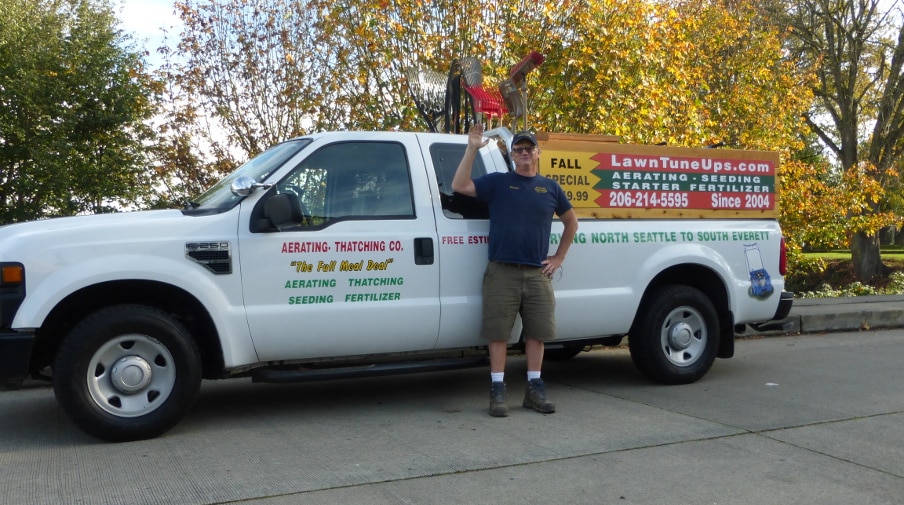
Stewart Armour is an independent lawn restoration expert, educator, and owner of Aerating Thatching Co., serving the greater Seattle area since 2004. With more than two decades of professional experience restoring Western Washington lawns, Stewart specializes in diagnosing lawn problems, improving soil health, and developing long-term lawn renovation strategies. His education includes turf management studies, advanced golf course turf training, and continuing education through Wilbur-Ellis University, State Turf Facilities, Soil First Academy, and Golf Course Applied Turf Physiology. Every article published on LawnTuneUps.com is grounded in practical field experience, current turf science, and a commitment to helping homeowners understand the why behind every recommendation—not just what to do.
Stewart has personally evaluated thousands of residential lawns throughout the Seattle area and remains committed to helping homeowners understand the science behind growing healthier, more resilient lawns.