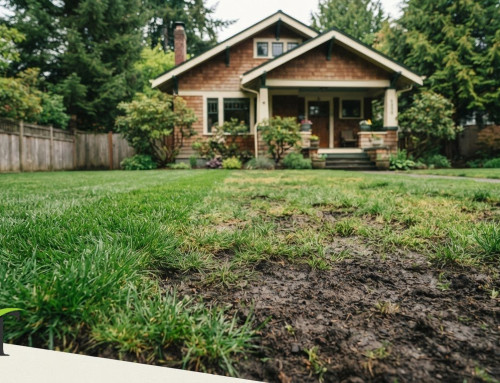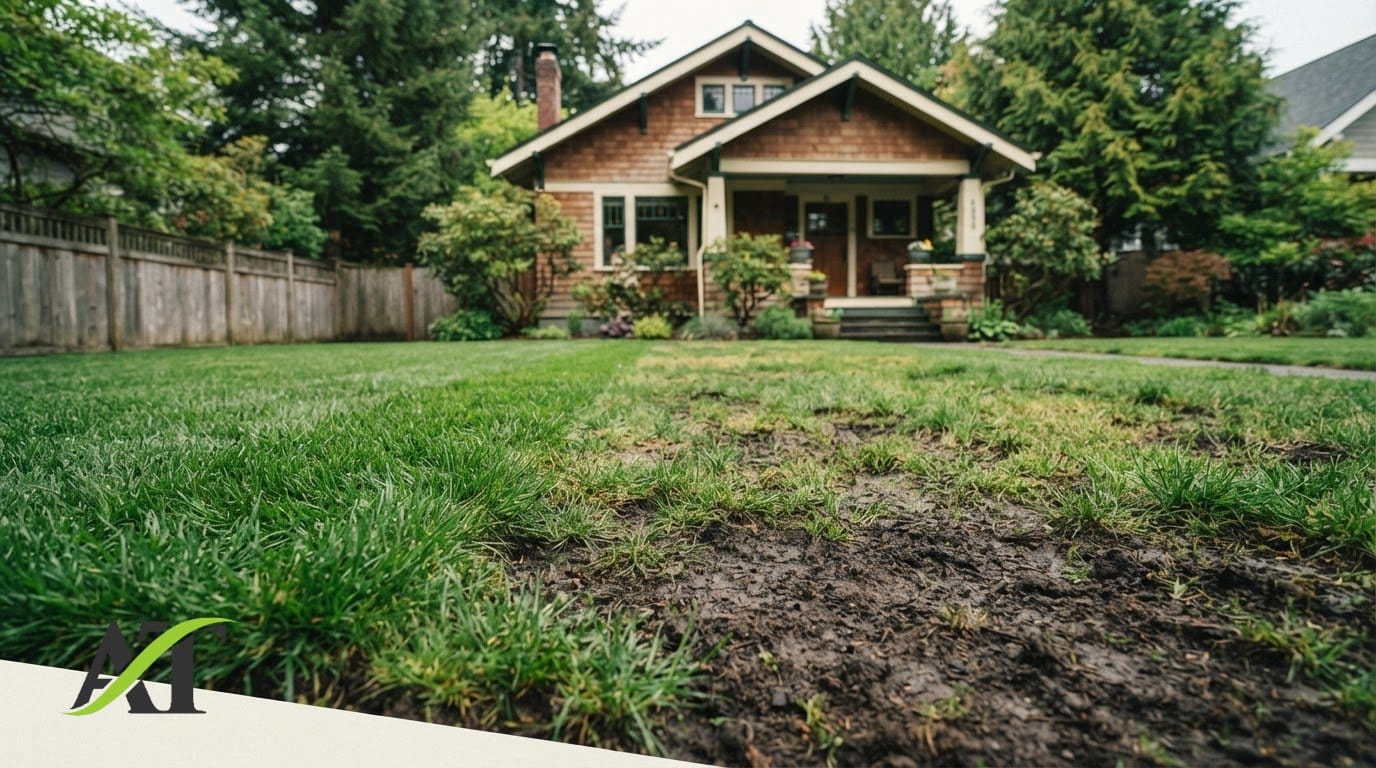
Why does your Everett yard look like a mossy sponge in the spring only to turn into a thin, brown patch of dirt by mid-July? It is a common frustration for many homeowners in our corner of the Pacific Northwest. You have likely noticed that despite regular mowing, the grass stays thin while weeds and moss thrive in the heavy, compacted clay soil. When the ground is this tight, your lawn is essentially suffocating, unable to absorb the deep moisture and nutrients it needs to survive the summer heat.
Securing a professional lawn restoration service everett residents can trust is about more than just curb appeal. It is about fixing the underlying health of your soil. With the 2026 drought conditions and local watering recommendations in mind, your turf needs to be more resilient than ever. This article explains how specialized mechanical treatments like core aeration and power raking solve the drainage and growth issues that chemicals alone cannot fix. You will discover how a strategic "Lawn Tune Up" can transform patchy ground into a thick, healthy carpet of green that holds up against the elements and keeps weeds at bay.
Key Takeaways
- Understand why Everett’s heavy clay soil and acidic climate lead to persistent moss growth and poor drainage.
- Learn how mechanical processes like core aeration and power raking work together to let your lawn’s root system breathe and absorb nutrients.
- Discover why a bundled “Lawn Tune Up” is the most efficient way to repair a patchy yard in a single visit.
- Identify the ideal seasonal windows in spring and fall to schedule your lawn restoration service everett for maximum resilience.
- Get expert advice on why focusing on soil health is more effective for long-term turf survival than standard weekly mowing.
Why Everett Lawns Struggle: Moss, Compaction, and the PNW Climate
Most homeowners treat mowing like the ultimate solution for a beautiful yard. In reality, mowing is just a haircut. It doesn’t address the foundation. If your yard feels like a sponge in March and a parking lot in August, the problem is happening beneath the surface. Restoration goes beyond aesthetics; it utilizes the science of turf management to fix the biological and structural foundation of your yard. Hiring a professional lawn restoration service everett is the only way to break the cycle of thin grass and persistent weeds.
The ‘Everett Clay’ Challenge
Everett sits on heavy glacial clay that creates a unique set of problems for local property owners. This dense soil expands when wet and hardens into a brick-like state during dry spells. When the soil is this tight, air and nutrients cannot reach the grass roots. This is particularly difficult during the 2026 drought emergency, as compacted soil prevents water from penetrating the ground. Soil compaction is the primary cause of Everett lawn thinning.
Moss vs. Grass: A Local Battle
Our wet winters and naturally acidic soil create a perfect environment for moss to thrive. Moss is opportunistic; it fills the gaps where grass has died off due to poor drainage or low light. Many people try to fix this by simply raking the moss away, but that’s a temporary band-aid. Without correcting the soil pH and improving airflow, the moss will return every single year. A lawn restoration service everett specialist knows that mechanical removal must be paired with soil amendments to tip the scales back in favor of healthy turf.
Just as moss can compromise your turf, it can also affect the longevity of your home’s structure; for professional roof installation and replacement services, roofingservicenw.com helps homeowners maintain a resilient exterior.
The Science of Restoration: How Aeration and Power Raking Work Together
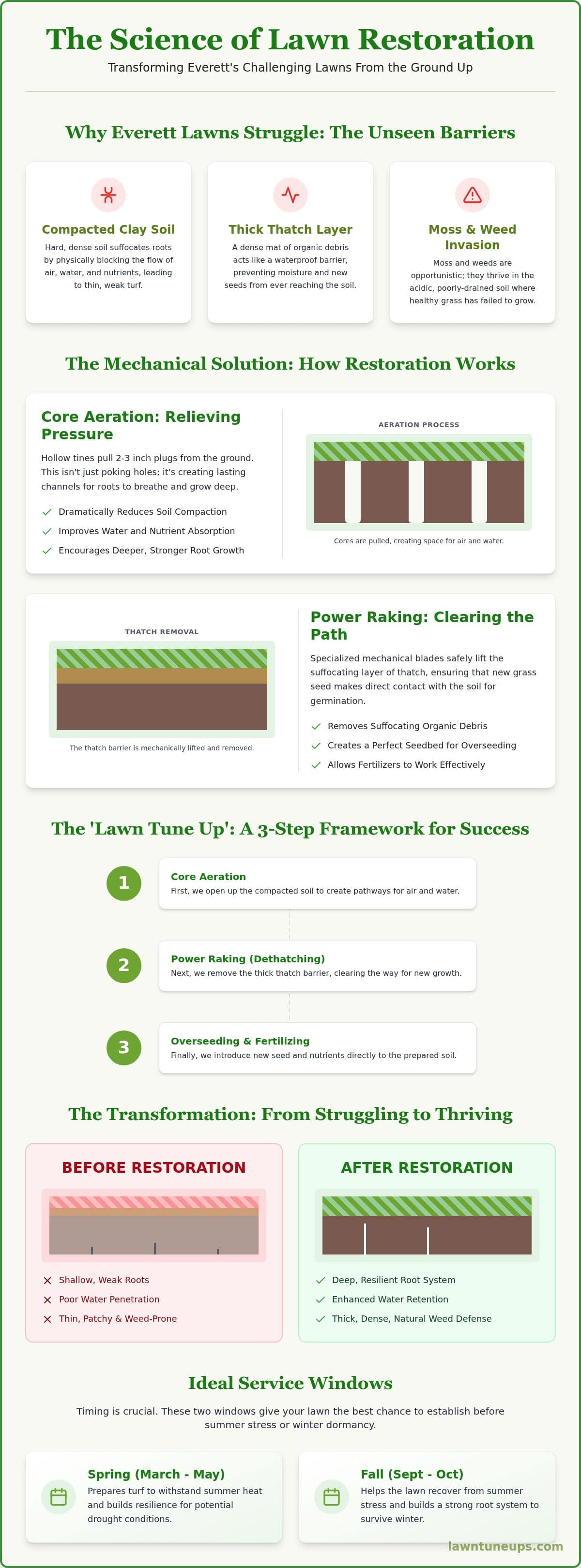
Chemical treatments and fertilizers often fail because they cannot change the physical structure of your soil. If the ground is too hard or the thatch is too thick, that expensive fertilizer just washes away. A professional lawn restoration service everett uses mechanical force to reset these conditions. By combining core aeration and power raking, we create a synergistic effect that prepares your yard for long-term health rather than a temporary green-up.
Core Aeration: Relieving the Pressure
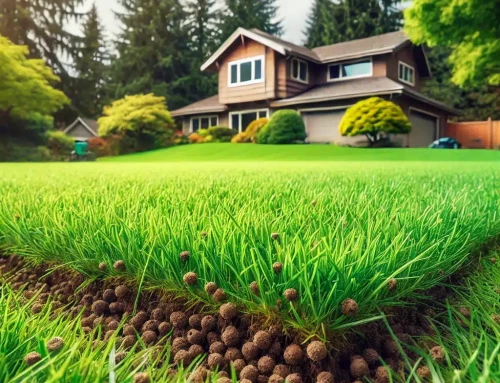
Professional core aeration uses hollow tines to pull 2-3 inch soil plugs directly from the ground. This process is far superior to "spike" aeration, which actually increases compaction by pushing soil to the sides. By removing these cores, we create immediate channels for oxygen and water. This is a critical step in managing PNW climate lawn challenges, as it encourages roots to dive deeper into the soil. Deeper roots mean your lawn stays greener during the increasingly frequent drought cycles we see in Snohomish County.
Power Raking: Clearing the Path
Thatch is a dense layer of organic debris that accumulates at the base of your grass. While a tiny bit of thatch is natural, a thick layer acts like a waterproof barrier. It prevents water and nutrients from reaching the soil. Power raking uses specialized mechanical blades to lift this debris safely. This process is vital for successful overseeding because it ensures every new seed makes direct contact with the soil. If you’ve tried seeding in the past with poor results, a comprehensive Lawn Tune Up is often the missing piece of the puzzle. This mechanical preparation ensures your investment in new seed actually pays off with a thicker, healthier lawn. A lawn restoration service everett property owners trust focuses on this physical reset to ensure the best possible results.
The ‘Lawn Tune Up’: A Better Framework for Everett Turf
Most lawn care providers treat services like a grocery list. You pick one item, they do it, and they leave. We realized years ago that this approach doesn’t work for the unique challenges of Snohomish County. Our signature ‘Lawn Tune Up’ is different. It is a comprehensive framework that bundles core aeration, power raking, and overseeding into a single, methodical visit. This isn’t a cosmetic fix; it’s a structural rebuild designed to give your grass a competitive advantage.
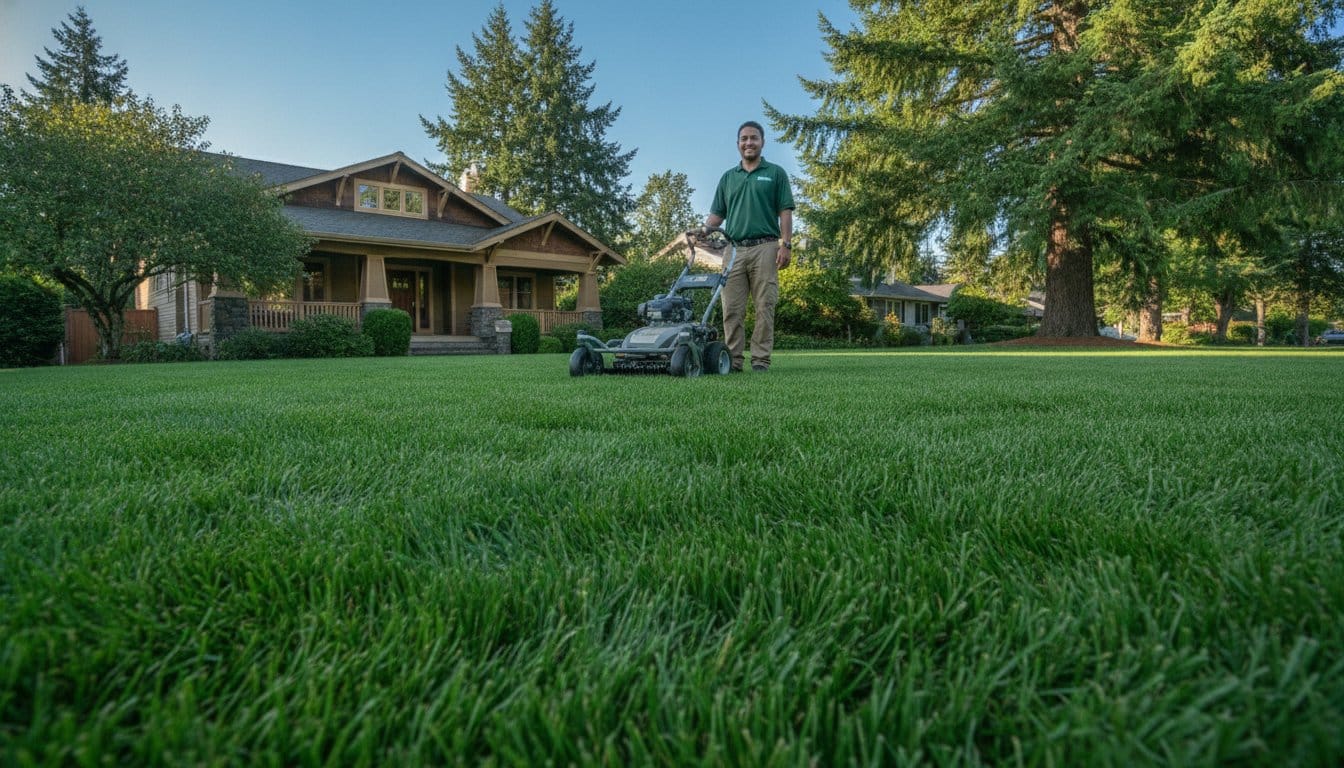
Choosing a specialized lawn restoration service everett means you are investing in a process that addresses soil health from every angle. Instead of just treating symptoms, we focus on rebuilding density. A thick lawn is the best natural defense against weed encroachment and moisture loss. By performing these services together, we ensure that the soil is open, the thatch is gone, and the new seed has the best possible environment to germinate and thrive.
The Role of Organic Fertilizing and Lime
Everett’s soil is naturally acidic, which is exactly what moss loves. If you don’t balance the pH, you’re essentially inviting moss to take over. We use lime applications to neutralize that acidity, making the ground more hospitable for grass. We pair this with organic fertilizers. Unlike synthetic options, organic fertilizers provide a slow-release nutrient boost. They won’t burn your lawn, and they help improve the soil’s ability to hold water, which is vital during the 2026 drought conditions.
Overseeding for a Thicker Yard
The final piece of the restoration puzzle is high-quality seed. We don’t use the generic "sun and shade" blends found at big-box stores. Those often contain filler or varieties that aren’t suited for our cool, damp climate. We select professional-grade seed blends specifically for the Pacific Northwest. When we overseed after aeration and power raking, the seeds fall directly into the new growth channels. This fills in the patches that moss once occupied, creating a dense turf that can naturally outcompete weeds without the need for heavy chemical intervention.
When to Schedule Your Everett Lawn Restoration Service
Timing your restoration isn’t just about the weather. It is about working with the natural growth cycles of cool-season grasses in the Pacific Northwest. While you can technically perform some maintenance year-round, certain windows provide a much higher return on your investment. If you want the most resilient results from a lawn restoration service everett, you need to plan around soil temperature and moisture levels.
Spring vs. Fall Restoration
Fall is the undisputed champion for permanent grass thickening. During September and October, the soil is still warm from summer, but the air temperature drops. This combination encourages rapid root development without the stress of intense heat. Conversely, spring restoration between March and May is the best time to tackle the moss issues we discussed earlier. Clearing out winter debris in the spring gives your existing grass room to breathe before the peak growing season in June. Keep in mind that with the 2026 drought emergency, spring seeding requires a more disciplined watering schedule to ensure survival before the July heat hits.
Preparing for Your Service
A little bit of legwork before our crew arrives makes a massive difference in the quality of the results. We recommend mowing your lawn about an inch shorter than usual. This gives our equipment better access to the soil surface and ensures the power rake can pull up the maximum amount of thatch. You should also take a few minutes to mark your sprinkler heads, hidden dog fences, or shallow cables with flags. This prevents accidental damage and keeps the job moving efficiently.
The work doesn’t end when we pull out of the driveway. The first 14 days after overseeding are the most critical. You must keep the new seed damp with light, frequent watering to ensure germination. If you are ready to get your yard on the right track for the coming season, you can book your Lawn Tune Up online to secure a spot on our seasonal calendar. A professional lawn restoration service everett works best when the homeowner and the specialist work as a team.
Why Choose a Specialist Like Aerating Thatching Co.?
We aren’t here to mow your grass or trim your hedges. We are restoration specialists. Since 2004, our focus has remained exclusively on the mechanical health of the soil in Snohomish County. While national chains and app-based platforms prioritize high-volume mowing, we prioritize the physical transformation of your yard. Choosing a dedicated lawn restoration service everett means you are working with experts who understand that a green lawn starts six inches underground. We take a no-nonsense approach to service, only suggesting the treatments that will actually move the needle for your specific property.
Specialized Equipment vs. DIY
Many homeowners attempt to handle their own aeration with rental machines. These units are often lightweight and struggle to penetrate Everett’s dense, compacted clay. They tend to bounce across the surface rather than pulling the deep, 3-inch cores required for real change. Our commercial-grade equipment provides the necessary weight and power for deep penetration. Power raking is equally demanding. It is a labor-intensive process that can easily damage a lawn if the blades are set too deep. We bring the right gear and the experience to use it correctly, saving you a weekend of back-breaking work and the risk of accidental turf damage.
The Value of a Local Partner
We know the local soil conditions because we live and work in these neighborhoods. Whether you are dealing with the heavy clay in Silver Firs or the unique drainage issues in the Lowell area, we have likely solved that exact problem before. You won’t have to navigate a corporate call center or wait for a generic algorithm to assign a contractor. You get direct communication with a local specialist who takes pride in restorative work. It is a neighborly approach built on transparency and tangible results. If you are ready to fix your yard for good, you can Schedule your Everett Lawn Tune Up with Aerating Thatching Co. today. A professional lawn restoration service everett is the most reliable way to ensure your lawn stays thick, green, and healthy through 2026 and beyond.
Build a More Resilient Everett Lawn for 2026
The secret to a healthy yard isn’t found in a bottle of chemicals or a weekly mowing schedule. It starts with addressing the physical compaction of Everett’s clay soil and removing the thick thatch layer that chokes out new growth. By combining core aeration with professional power raking and overseeding, you give your grass the structural foundation it needs to thrive despite drought conditions. These mechanical treatments are the only way to ensure water and nutrients reach the root zone where they are needed most.
Since 2004, we have used specialized equipment to help our neighbors reclaim their outdoor spaces. We don’t believe in one-size-fits-all solutions; we believe in pragmatic, owner-operated service that treats your soil like the living ecosystem it is. If you are tired of fighting moss and thin patches, it is time to invest in a lawn restoration service everett that delivers lasting results. Book your 2026 Lawn Tune Up in Everett today!
Your lawn has the potential to be a thick, green highlight of your property. With the right mechanical reset and expert local advice, your turf will be ready for whatever the Pacific Northwest weather brings next.
While a healthy lawn is a great start, professional exterior maintenance is key to a home’s overall longevity; for those in the Portland and Vancouver areas, Snugs Services provides the specialized cleaning and care required to protect your property.
Frequently Asked Questions
What is the best month for lawn restoration in Everett?
The best months for a complete restoration are typically September and October. This window allows new seeds to establish strong roots in warm soil before the winter frost arrives. If your main goal is moss removal, March through May is the ideal time to clear winter debris and apply lime. Planning your lawn restoration service everett around these seasonal peaks ensures the best survival rate for new grass during the 2026 drought cycles.
How long does it take for a lawn to recover after power raking?
Expect your yard to look a bit thin and "beat up" for about 10 to 14 days. Power raking is an aggressive mechanical process that pulls up thick layers of dead organic matter and moss. While it looks messy initially, your existing grass will begin to stand up and fill in within three weeks. By the fourth week, provided you follow a consistent watering and fertilizing schedule, the turf will look significantly healthier and more vibrant.
Is core aeration really necessary every year?
Annual aeration is highly recommended for Everett yards due to our heavy glacial clay soil. This soil type compacts quickly under the weight of foot traffic and heavy rain, cutting off oxygen to the roots. By pulling soil cores every year, you prevent the ground from becoming a solid, impenetrable brick. Regular maintenance is much more cost-effective than waiting for the lawn to fail completely and requiring a full-scale renovation later.
Can you do a lawn restoration service if it’s raining?
We can work through light Pacific Northwest drizzle, but heavy rain requires a reschedule. If the soil is completely saturated, our heavy equipment can cause deep ruts or further compact the clay. We monitor the local forecast closely and will communicate with you if the ground is too wet for a safe and effective service. Our priority is protecting your property while ensuring the mechanical restoration works exactly as intended.
Will overseeding work if I have a lot of moss in my yard?
Overseeding alone will not solve a moss problem because the seeds cannot reach the soil through the moss layer. You must first remove the moss mechanically through power raking. Once the ground is clear and we have applied lime to balance the soil pH, the new seed can make the direct contact it needs to germinate. This integrated approach is why a comprehensive lawn restoration service everett works so effectively for local homeowners.
How much should I water my lawn after a restoration service?
You should water lightly and frequently for the first 21 days after overseeding. The goal is to keep the top layer of soil damp at all times to help the new seeds sprout. Usually, this means watering for 10 to 15 minutes, twice a day. Once the new grass reaches about two inches in height, you can transition back to deeper, less frequent watering to encourage those roots to dive deep into the soil.
Do I need to be home when the lawn restoration crew arrives?
You do not need to be home for the service as long as we have clear access to the yard. We just ask that you leave any gates unlocked and keep pets inside for the day. It is also helpful if you mark any hidden obstacles like shallow wires or sprinkler heads with flags beforehand. We will perform the work, clean up any debris from your walkways, and leave a detailed care instruction sheet.
Is the organic fertilizer you use safe for my pets?
Our organic fertilizers are much safer for pets and the local environment than traditional synthetic chemicals. They don’t contain the harsh salts that can burn paws or cause illness if ingested in small amounts. However, we still recommend keeping your dogs and cats off the lawn until the application has been watered into the soil. This ensures the nutrients stay where they belong and prevents any tracking of materials back into your home.
Article by
Stewart Armour
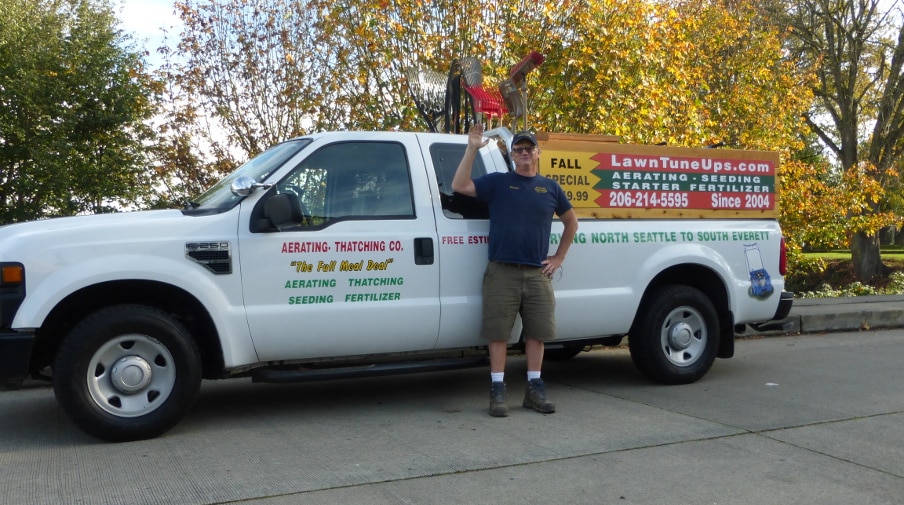
Stewart Armour is an independent lawn restoration expert, educator, and owner of Aerating Thatching Co., serving the greater Seattle area since 2004. With more than two decades of professional experience restoring Western Washington lawns, Stewart specializes in diagnosing lawn problems, improving soil health, and developing long-term lawn renovation strategies. His education includes turf management studies, advanced golf course turf training, and continuing education through Wilbur-Ellis University, State Turf Facilities, Soil First Academy, and Golf Course Applied Turf Physiology. Every article published on LawnTuneUps.com is grounded in practical field experience, current turf science, and a commitment to helping homeowners understand the why behind every recommendation—not just what to do.
Stewart has personally evaluated thousands of residential lawns throughout the Seattle area and remains committed to helping homeowners understand the science behind growing healthier, more resilient lawns.