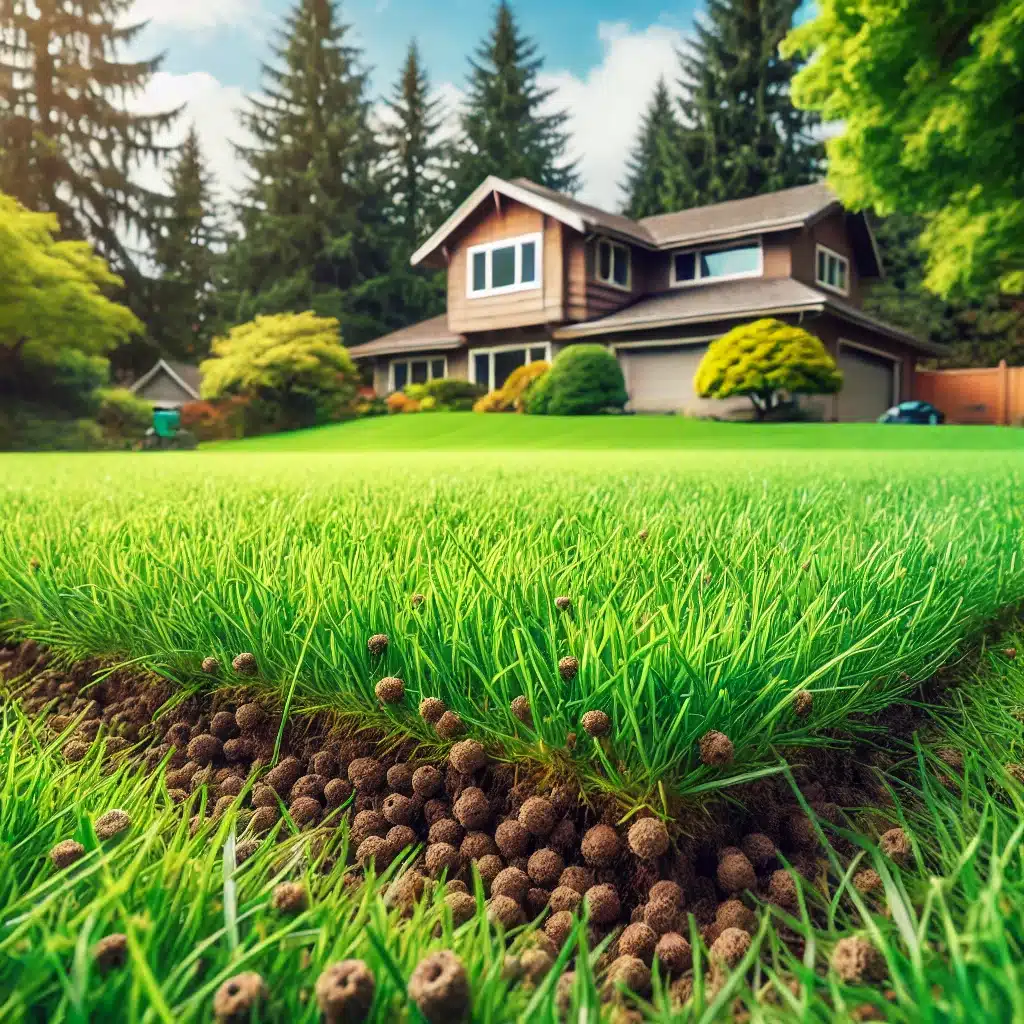
How to Prevent Lawn Diseases in the North Seattle Area
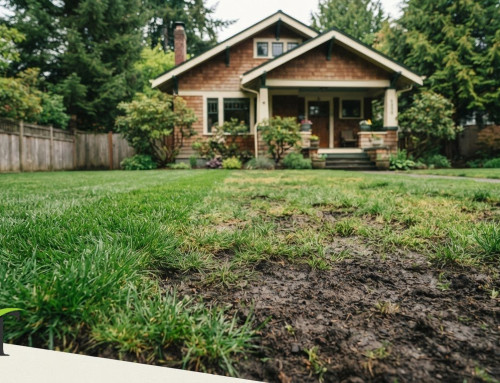
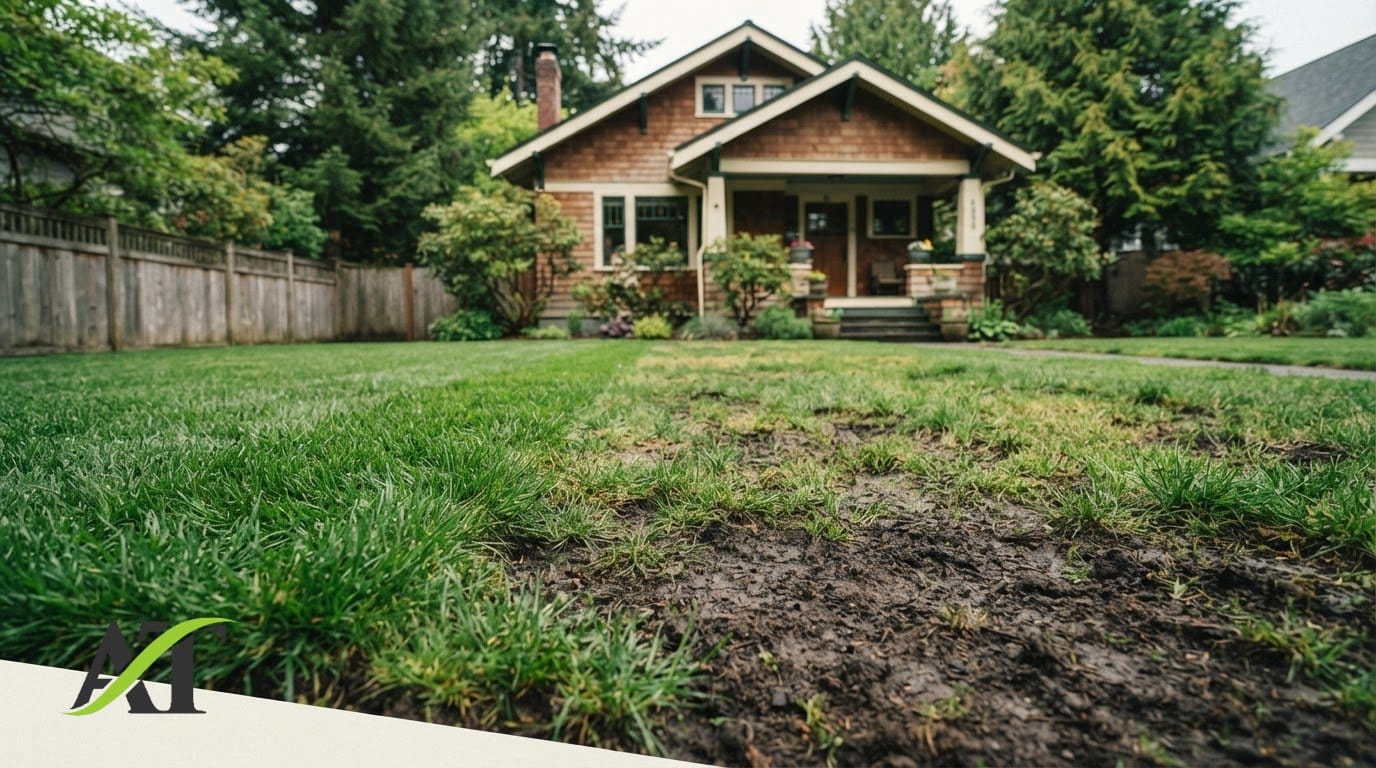
Brown patches, thinning grass and unusual discoloration do not automatically mean your lawn needs fungicide. In Western Washington, good disease management starts by identifying the likely problem and improving the lawn conditions that may be contributing to it.
What is the best way to prevent lawn disease?
The most useful first step is maintaining growing conditions that support healthy turf without unnecessarily favoring disease. That means sensible watering, appropriate mowing, balanced fertility, good drainage and addressing compaction or excessive surface buildup when those conditions are actually present.
Just as important, identify the likely problem before treating it. Different turf diseases respond to different management practices, and many brown or thin areas are caused by something other than disease.
Don't treat the color alone
Drought stress, irrigation problems, compaction, insects, pet damage, shade and other stresses can resemble lawn disease.
A fungicide is not a general cure for brown grass.
Make Sure It's Actually a Lawn Disease
Discolored grass is a symptom, not a diagnosis. Look at the pattern, individual grass blades, recent weather, irrigation coverage and the lawn's overall growing conditions before assuming fungus is responsible.
Possible disease clues
Unusual spots or lesions on grass blades, pink or red fungal structures, web-like growth, repeated rings or patches, or symptoms that consistently develop during particular weather conditions can justify a closer look.
Possible water stress
Dry areas, poor sprinkler coverage and summer stress can produce brown or thinning turf without a fungal disease being the primary cause.
Possible soil problem
Compaction, saturated areas and poor drainage can weaken turf or create uneven growth. Correcting the root-zone problem may matter more than applying a lawn treatment.
Possible pest or other damage
Insects, animal activity, pet urine, mowing damage and shade can also produce patches that homeowners may initially mistake for disease.
A useful rule before reaching for fungicide
Try to identify the disease and confirm that the product label includes that disease and your intended lawn use. Applying a fungicide simply because grass is brown can waste time and leave the actual problem uncorrected.
Common Lawn Disease Patterns Worth Knowing
Several turf diseases occur in Washington, but they do not all behave the same way. The following examples illustrate why identifying the likely disease matters before choosing a response.
Red Thread
Red thread is commonly seen in Oregon and Washington and is particularly associated with perennial ryegrass and several fescues. It can produce irregular yellow-to-brown areas along with characteristic pink or red thread-like structures on affected blades.
It is generally cosmetic and can normally be managed culturally in home lawns. Current Pacific Northwest guidance does not recommend chemical control for home-lawn red thread.
Fusarium / Microdochium-Type Patch
Cool, moist weather can favor patch diseases that create tan-to-brown areas in susceptible turf. This is one reason prolonged wet periods in Western Washington deserve attention, but appearance alone is not enough to identify the disease.
Leaf Spot
Leaf-spot diseases can affect turf during favorable weather and may be influenced by factors such as excessive nitrogen, thatch, drainage and mowing practices. Cultural management remains an important part of the response.
Necrotic Ring Spot
This disease can occur in Kentucky bluegrass and may produce rings or arcs of declining turf. Avoiding overwatering and overfertilization and keeping excessive thatch under control are among the cultural considerations.
Disease pressure also depends on the grass species and cultivar, site conditions and weather. There is no single grass variety or maintenance practice that prevents every turf disease.
Disease Prevention Starts With Lawn Conditions
A healthy lawn is not disease-proof, but thoughtful maintenance can reduce unnecessary stress and avoid creating conditions that favor certain problems.
Water With the Weather
When irrigation is needed, water early enough that the grass does not routinely remain wet overnight. Avoid adding irrigation when rainfall has already supplied enough moisture, and pay attention to areas that remain saturated.
Mow for Turf Health
Avoid scalping the lawn. Use a sharp mower blade and adjust mowing to the grass and season. During stressful hot or dry periods, allowing somewhat more leaf area can help reduce additional turf stress.
Use Balanced Fertility
Both insufficient fertility and excessive or poorly timed nitrogen can matter, depending on the disease. Red thread, for example, is commonly more severe in low-vigor turf, while excessive nitrogen can favor other disease problems.
Address Compaction When Present
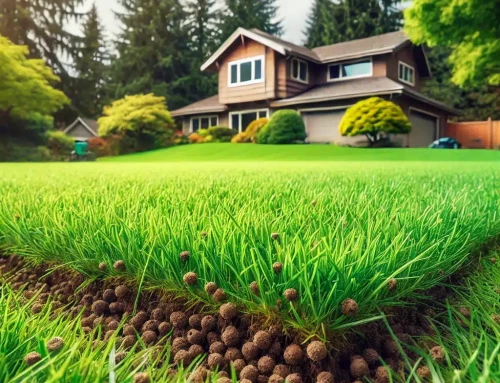
Compacted soil can restrict the root zone and interfere with movement of water and air. Core Aeration can be useful when compaction is actually part of the lawn's condition; it is not automatically required every year.
Manage Excess Surface Buildup
Leaves and matted debris can hold moisture at the surface. Excessive thatch can also interfere with water movement and turf management. Remove what needs removing without assuming every lawn needs aggressive Dethatching (Power Raking).
Build Appropriate Lawn Density
Thin turf has less ability to recover from stress and leaves more open space for weeds and other problems. Where the site can support grass, overseeding may be appropriate when density needs rebuilding.
Wet Weather Is Only Part of the Moisture Story
North Seattle-area lawns naturally experience long stretches of cool, wet weather. Homeowners cannot control rainfall, but they can avoid adding unnecessary irrigation to already-wet turf and can address lawn areas that stay saturated because of drainage or soil problems.
During the drier part of the year, irrigation should respond to the lawn, soil and weather rather than an automatic calendar. Morning irrigation is generally preferable when watering is needed because it avoids routinely extending leaf wetness through the night.
Fertilizer and Lawn Disease: More Is Not Always Better
Fertility recommendations should match the lawn rather than follow the idea that all fungal problems come from “too much fertilizer.” Washington turf guidance notes that balanced fertility can help reduce damage from some diseases, while excessive nitrogen can favor others.
Red thread is a good example of why diagnosis matters: it is often more severe in low-vigor turf where nitrogen is limited. The correct response depends on the disease, grass and lawn condition.
When applying an appropriate granular lawn product, even distribution matters. A broadcast spreader can make that job more consistent than trying to distribute granules by hand.

Scotts EdgeGuard Mini Broadcast Spreader
Why it may help: A practical homeowner spreader for distributing an appropriate granular lawn product more evenly. Always follow the label and application directions for the material being used.
Affiliate recommendation: LawnTuneUps.com may earn a commission from qualifying purchases at no additional cost to you.
Core Aeration Helps When Compaction Is Actually the Problem
Core Aeration removes small plugs of soil to create openings through compacted lawn soil. When compaction is restricting the root zone or contributing to poor infiltration, aeration can improve the growing environment for grass.
That does not make aeration a direct treatment for fungal disease, and it does not mean every lawn needs to be aerated on an automatic annual schedule. The decision should be based on the lawn's soil and compaction condition.

Yard Butler Manual Core Aerator
Why it may help: A manual plug-aeration option for small lawn areas or isolated compacted spots. Larger lawns or widespread compaction are generally much more practical to address with professional Core Aeration equipment.
Affiliate recommendation.
Keep Leaves and Matted Material From Sitting on the Lawn
Leaves, clumps of wet clippings and other matted surface debris can keep the lawn surface wetter and block light. Routine cleanup is different from Dethatching (Power Raking): a homeowner rake can handle ordinary surface material, while Dethatching (Power Raking) is a more aggressive mechanical service for lawns where excessive thatch, moss or accumulated material actually warrants removal.
Visible moss or a few leaves do not automatically mean the lawn needs Dethatching (Power Raking). The surface condition should determine the work.

Groundskeeper II Rake
Why it may help: Useful for homeowner cleanup of leaves, loose debris and matted surface material without treating ordinary cleanup as a full lawn renovation.
Affiliate recommendation.
Seasonal Disease Pressure in the North Seattle Area
Cool, Wet Periods
Western Washington's prolonged cool and moist periods can favor diseases such as red thread and other patch diseases when the turf, pathogen and environmental conditions align.
Summer
Summer brings a different challenge: dry soil, uneven irrigation and heat stress can mimic disease or weaken grass. Avoid responding to every summer brown patch with more water or fungicide without checking the cause.
Fall
Rain returns while temperatures remain favorable for cool-season grass growth. Keep leaves and matted debris from accumulating and adjust irrigation downward as natural rainfall increases.
Conditions matter more than the calendar. Disease management should respond to what is happening in the lawn rather than relying on an automatic seasonal pesticide schedule.
What Should I Do If I Think My Lawn Has a Disease?
Look closely
Check the pattern, individual grass blades, recent weather, irrigation and other lawn stresses.
Correct contributing conditions
Address inappropriate watering, drainage, mowing, fertility, compaction or surface buildup when those issues are present.
Identify before treating
If disease remains likely, determine what disease you are dealing with and whether treatment is appropriate for it.
Use the right next step
Some problems respond primarily to cultural management. Others may warrant a labeled fungicide. Thin or damaged turf may later need repair.
What Fungicide Does—and Doesn't Do
A correctly selected fungicide may help manage certain fungal lawn diseases when the product is labeled for that disease and lawn use. It does not automatically correct poor drainage, inappropriate irrigation, compaction, excessive surface buildup, mowing problems or an unsuitable growing site.
Some common problems do not warrant chemical treatment in home lawns. Current Pacific Northwest guidance, for example, recommends cultural rather than chemical control for home-lawn red thread.

Scotts DiseaseEx Lawn Fungicide
Why it may help: This is an optional homeowner fungicide for labeled lawn diseases when fungicide treatment is appropriate. First identify the likely disease, confirm that it appears on the current product label, and follow all label directions.
When it may not be the answer: Do not use fungicide as a general response to brown grass, and do not assume a disease that is normally managed culturally needs chemical treatment.
Affiliate recommendation.
Fix the Lawn Condition That Is Actually Present
Aerating Thatching Co. does not need to turn every lawn problem into the largest service package. If disease or another stress has left the lawn thin, compacted or covered with excessive surface material, the condition that remains should determine the restoration work.
Compacted but reasonably dense?
Core Aeration may be appropriate when compaction relief is the main need.
Thin and compacted?
The Lawn Tune-Up combines Core Aeration, Premium Overseeding and Starter Fertilizer when rebuilding density is also important.
Heavy thatch or matted buildup?
Dethatching (Power Raking) becomes relevant when the surface actually needs material removed.
Thin + compacted + surface buildup?
A stronger renovation approach may make sense when several conditions are present together. The service should still be selected based on the lawn rather than automatically choosing the largest package.
North Seattle Lawn Disease FAQ
What is the best way to prevent lawn diseases in the North Seattle area?
Start with sound lawn management: water according to actual weather and soil conditions, avoid routinely keeping grass wet overnight, mow appropriately, use balanced fertility, address drainage problems, and correct compaction or excessive surface buildup when those conditions are present. Disease prevention is not one treatment or one calendar task.
How can I tell whether brown grass is lawn disease or something else?
Look beyond the color. Check the pattern of damage, individual grass blades, irrigation coverage, soil moisture, recent weather, insects, pet activity, shade and mowing history. Brown or thin turf can have many causes, so appearance alone may not identify a disease.
Does North Seattle's wet weather cause lawn disease?
Cool, moist conditions can favor several turf diseases, but wet weather alone does not mean disease will develop. The grass species, pathogen, lawn vigor, fertility, drainage, leaf-wetness duration and other site conditions also matter.
Should I apply lawn fungicide preventively every spring?
Not as a blanket rule. Fungicide decisions should be based on the particular disease, its biology, whether treatment is warranted, and the current product label. Some common Western Washington lawn diseases can normally be managed culturally and do not warrant fungicide treatment in home lawns.
Can overwatering make lawn disease worse?
Excess moisture and prolonged leaf wetness can favor some diseases and can also create other lawn problems. Avoid unnecessary irrigation during rainy periods and adjust watering to actual weather, soil and lawn conditions.
Does Core Aeration prevent lawn disease?
Core Aeration is not a direct disease treatment. It can improve the growing environment when soil compaction is restricting the root zone or contributing to poor water movement. Aeration should be used because the lawn needs compaction relief, not simply because a disease is present.
Does Dethatching (Power Raking) prevent lawn disease?
Dethatching (Power Raking) is not a universal disease treatment. It is useful when excessive thatch, moss or matted surface material needs to be mechanically removed. A lawn without that condition does not need Dethatching (Power Raking) simply because it has discolored grass.
Is red thread common in Western Washington?
Yes. Red thread is commonly seen in Oregon and Washington and is particularly noticeable on susceptible cool-season grasses. Current Pacific Northwest guidance describes it as primarily cosmetic and recommends cultural control rather than chemical control for home lawns.
When should I ask a lawn professional for help?
If the lawn is persistently thin, compacted, heavily matted or otherwise needs restoration, professional lawn work may help correct those underlying conditions. Aerating Thatching Co. focuses on lawn restoration services rather than treating every discolored area as a fungal problem.
Healthy-Lawn Advice From the Person Doing the Work
Aerating Thatching Co. has served Seattle-area homeowners since 2004. Stewart personally performs the lawn-restoration work and bases service recommendations on the lawn condition rather than automatically recommending the largest package.
For disease-looking symptoms, that distinction matters. A compacted lawn may need Core Aeration. A thin lawn may need overseeding. Excessive thatch or matted material may justify Dethatching (Power Raking). None of those should be presented as a substitute for correctly identifying and managing an actual turf disease.
Regional Turf Information Used for This Guide
The technical disease information in this article is informed by regional turf resources relevant to Washington and the Pacific Northwest.
Ask Stewart About Your Lawn
If the lawn is thin, compacted, heavily matted or needs rebuilding after a problem, tell Stewart what you are seeing. You do not need to choose a lawn-restoration package before requesting a quote.